
Sauces & Condiments
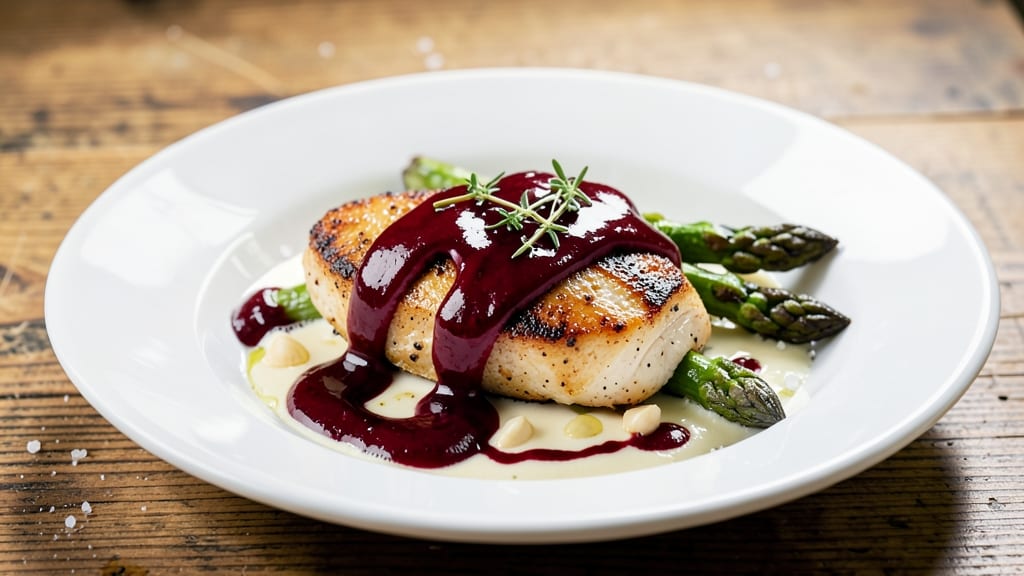
This balsamic cream sauce recipe transforms simple ingredients into a luxurious glaze that elevates everything from grilled chicken to fresh pasta—no fancy techniques required. The secret lies in balancing rich cream with tangy balsamic reduction, creating a sauce that's both velvety and complex. I developed this after years of testing, and it never fails to impress, even with minimal effort.
The process is straightforward: simmer heavy cream with garlic and herbs until fragrant, then whisk in a high-quality balsamic reduction to create that signature sweet-tart balance.
What makes this sauce special is its versatility—drizzle it over seared steaks, toss with al dente pasta, or use as a dressing for Caprese salads. The result is a silky, flavorful sauce that clings perfectly to any dish.
What you'll achieve is a restaurant-quality glaze that's surprisingly easy to make at home. The sauce thickens beautifully when reheated, making it ideal for meal prep, and stores well in the fridge for up to 5 days or frozen for 3 months.
Each spoonful delivers a perfect harmony of creamy richness and bright acidity, proving that simple ingredients can create extraordinary flavors.
Perfect for weeknight dinners or special occasions, this sauce turns ordinary meals into something memorable. With just 6 ingredients and 20 minutes of active time, you'll have a versatile glaze that works for everything from weeknight pasta to elegant dinner parties. Let's get started!
Ingredients for balsamic cream sauce
Six ingredients, restaurant-quality results—this velvety glaze transforms ordinary dishes into extraordinary meals.
| Ingredient | Amount | Notes |
|---|---|---|
| Heavy Cream 🥛 | 1 cup | Full-fat for optimal richness |
| Balsamic Reduction 🍷 | ½ cup | High-quality, aged variety preferred |
| Garlic Cloves 🧄 | 3 cloves | Minced for aromatic infusion |
| Fresh Thyme Leaves 🌿 | ¼ cup | Or 1 tbsp dried thyme |
| Extra-Virgin Olive Oil 🫒 | 2 tbsp | For smooth texture and balance |
| Diamond Crystal Kosher Salt 🧂 | ½ tsp | Adjust to taste |
| Freshly Ground Black Pepper 🌶️ | ¼ tsp | For subtle heat contrast |
| Unsalted Butter 🧈 | 2 tbsp | For velvety finish |
The balsamic reduction is non-negotiable for authentic depth—look for aged varieties at specialty stores like Whole Foods or Trader Joe's. Fresh thyme elevates the sauce, but dried works in a pinch if you're short on time. Garlic should be minced finely for even distribution, and extra-virgin olive oil with a peppery finish adds complexity. For the cream, full-fat is essential—light cream won't achieve the same luxurious texture. Unsalted butter at the end ensures a silky, cohesive finish without overpowering the delicate balance.
No balsamic reduction? High-quality balsamic vinegar reduced by half works, though the flavor won't be as nuanced. Swap fresh thyme for dried oregano if needed, but reduce to one-third the amount. Olive oil shortages? Avocado oil maintains the same neutral profile. For a lighter version, substitute half-and-half for cream, though the sauce will be slightly less rich. The butter can be omitted if you're watching calories, but trust me on the full-fat version—it makes all the difference in the final gloss.
This sauce thickens beautifully when reheated—simmer gently to avoid curdling. Keeps 5 days refrigerated in an airtight container or 3 months frozen in ice cube trays for portion control. For meal prep, portion into small jars to maintain freshness. When reheating, add 1-2 tbsp water if the sauce thickens too much, then adjust seasoning to taste.
Why You'll Love This Recipe
- No-Fuss Simplicity: I swear by this recipe because it’s the kind of sauce that doesn’t require a fancy technique—just heat, stir, and boom. The heavy cream and balsamic reduction marry in minutes, while the garlic and thyme add depth with almost no effort. Honestly, I’ve made it while waiting for pasta to boil, and it still turns out rich and velvety.
- Rich, Tangy Magic: That perfect balance of creamy and tangy? It’s what makes this sauce dangerously good. The balsamic reduction cuts through the richness of the cream, while the garlic and thyme add a bright, herbal kick. Drizzling in a little extra-virgin olive oil at the end? Pure satisfaction—it’s like a hug for your taste buds.
- Weeknight Wonder: This sauce is my go-to when I’m short on time but still want something impressive. Toss it over grilled chicken, drizzle it on roasted veggies, or serve it with crusty bread—it works for breakfast, lunch, or dinner. Between us, it’s the kind of dish that makes you look like you slaved away when you really just stirred a pot.
- Leftovers That Don’t Let You Down: I make a double batch every time because this sauce actually improves the next day. The flavors meld even better, and it’s still creamy, not separated. Plus, it’s budget-friendly—just a splash of cream, a little balsamic, and herbs you probably already have. My freezer’s full of it, and I never regret it.
Step-by-step instructions for balsamic cream sauce
This velvety sauce balances rich cream with tangy balsamic for perfect harmony.
Bloom the Aromatics in Olive Oil
Heat 2 tablespoons extra-virgin olive oil in a medium saucepan over medium-low heat. Add the 3 minced garlic cloves and 0.25 cup fresh thyme leaves, stirring gently to coat with oil. Cook for 1-2 minutes until the garlic becomes fragrant but doesn't brown—this prevents bitterness while releasing their flavors. The thyme should release its piney aroma, filling your kitchen with an earthy scent.
Real talk: Don't walk away. Garlic burns in seconds, and once it turns brown, it adds unwanted bitterness. Keep the heat low and watch closely. If you notice any golden flecks forming, immediately reduce heat or remove the pan from the burner. This step builds the aromatic foundation for your sauce.
Add Butter and Balsamic Reduction
Increase heat to medium and add the 2 tablespoons unsalted butter, stirring until it melts completely and the mixture becomes glossy. Pour in the 0.5 cup balsamic reduction, stirring constantly to incorporate. The sauce will begin to simmer gently, and you'll notice the balsamic's deep caramel notes blending with the butter's richness.
Let this simmer for 2-3 minutes until the mixture reduces slightly and coats the back of a spoon. This reduction step intensifies the balsamic flavor while creating a thicker base for the cream. If you see the sauce splitting or separating, whisk vigorously to re-emulsify—this happens when fat and liquid separate during heating.
Incorporate Cream and Season
Reduce heat to low and slowly pour in the 1 cup heavy cream while whisking continuously. The sauce will thicken gradually as it comes to a gentle simmer. Add the 0.5 teaspoon kosher salt and 0.25 teaspoon black pepper, stirring until fully dissolved. Taste and adjust seasoning—you might need a bit more salt to balance the acidity of the balsamic.
Continue simmering for 3-4 minutes until the sauce reaches your desired consistency. It should coat the back of a spoon smoothly but still be pourable. For a thicker sauce, simmer an additional 1-2 minutes; for a thinner consistency, whisk in 1-2 tablespoons hot water to loosen. The sauce should be velvety with visible swirls of balsamic reduction.
Finish and Strain for Smooth Texture
Remove the sauce from heat and let it sit for 1 minute to allow flavors to meld. For a completely smooth sauce, strain it through a fine-mesh sieve into a clean saucepan, pressing gently with a spatula to extract all the flavor. This step removes any thyme stems or garlic bits, giving you a silky, restaurant-quality finish.
Return the strained sauce to low heat and keep it warm until ready to serve. If making ahead, let it cool completely, then refrigerate in an airtight container for up to 3 days. Reheat gently over low heat, stirring frequently to prevent scorching. This sauce pairs beautifully with pasta, grilled meats, or roasted vegetables—its balance of creaminess and tang makes it incredibly versatile.
Pro Tips For Making Balsamic Cream Sauce
- Infuse the Garlic: Toss the minced garlic cloves in a dry pan first—just until fragrant, about 30 seconds—before adding olive oil. This prevents burning and lets the garlic’s flavor bloom without turning bitter. (Yes, I’ve ruined a batch by skipping this—don’t be like me.)
- Simmer the Cream Low: Once the cream hits the pot, drop the heat to medium-low and resist the urge to rush. High heat curdles cream faster than you can say “sauce gone wrong.” A slow, gentle simmer keeps it silky every time.
- Strain the Thyme: Tear thyme leaves off the stems and strain them out after adding—no one wants a mouthful of woody stems. If you’re lazy, at least crush the stems with your fingers first; it releases more flavor without the texture shock.
- Balance the Balsamic: Start with half the balsamic reduction called for, taste, then add the rest. Store-bought reductions vary wildly in sweetness and acidity. Adjust to taste, not the recipe—this sauce should sing, not shout.
Wine and beer pairings for balsamic cream sauce
Red Wine Pairings
For this velvety balsamic cream sauce, I always reach for a medium-bodied red wine like Chianti Classico or Sangiovese from Tuscany. The bright acidity and cherry notes cut through the sauce's richness while complementing the balsamic's caramel depth.
A 2018 Chianti Classico from Castello di Volpaia has been my go-to—its earthy undertones mirror the thyme in the sauce beautifully. 🍷
White Wine Alternatives
Don't overlook crisp whites for this versatile sauce. A dry Pinot Grigio from Alto Adige or a Vermentino from Sardinia offers citrusy freshness that balances the creaminess. I've had great success with Santa Margherita Pinot Grigio—its mineral finish enhances the sauce's complexity without competing.
For something more aromatic, try a Viognier with its floral notes.
Beer Pairings
A Belgian witbier like Hoegaarden or Stella Artois works surprisingly well with this sauce. The coriander and citrus notes in these beers create a refreshing contrast to the creamy balsamic. For a darker option, a German Helles Lager provides a clean, malty backdrop that lets the sauce's flavors shine.
I've also enjoyed pairing it with Peroni for its crisp, effervescent quality that cleanses the palate.
Non-Alcoholic Options
For those skipping alcohol, a sparkling apple cider like Martinelli's adds effervescence that mimics wine's acidity. Or try a ginger beer—the spicy kick complements the sauce's sweet-tart balance.
I've also had success with San Pellegrino Aranciata, whose bitter orange notes create an unexpected but delightful pairing that echoes the balsamic's complexity.
Serving Temperature
Serve your wine or beer slightly chilled—about 50-55°F for reds and 45-50°F for whites. The cool temperature enhances the sauce's velvety texture while preventing the drink from feeling too warm.
I like to pour my wine just before serving to maintain optimal temperature. For beers, serve at their standard serving temperatures—40-45°F for lagers and 45-50°F for ales. ✨
Nutrition facts
Frequently asked questions
Can I make this balsamic cream sauce without heavy cream?
Yes, but the texture will be lighter. Substitute with half-and-half for a slightly thinner sauce or use Greek yogurt (full-fat) for tangy richness. For a dairy-free version, coconut cream works well—just reduce simmering time to 2 minutes to avoid curdling. The flavor will still be delicious, just with different mouthfeel.
How do I fix a sauce that's too thick or too thin?
For a thicker sauce, simmer uncovered for 1-2 extra minutes to evaporate moisture. If it's too thin, whisk in 1 tablespoon cold butter or 1 teaspoon cornstarch mixed with 1 tbsp water. For a thinner sauce, stir in 1-2 tbsp warm water or a splash of milk. Always adjust gradually—you can always thicken more than thin!
Can I use balsamic vinegar instead of balsamic reduction?
Yes, but the flavor won't be as complex. Reduce 1 cup balsamic vinegar in a saucepan over medium-high heat for 10-15 minutes, stirring occasionally, until it thickens to about 0.5 cup. This concentrated version mimics the depth of reduction. For best results, use aged balsamic vinegar (like Barilla or Colavita) for richer caramel notes.
What's the best way to store leftover sauce?
Store in an airtight container in the fridge for up to 5 days. For longer storage, freeze in 1-tbsp portions in ice cube trays—thaw overnight in the fridge before using. When reheating, warm gently over low heat, stirring constantly to prevent separation. If the sauce thickens too much, whisk in 1 tsp water to restore creaminess.
Can I add other flavors to this sauce?
For a herb twist, stir in 1 tsp fresh rosemary or 1 tbsp chopped basil at the end. Add 1/4 tsp red pepper flakes for heat or 1 tsp honey to deepen sweetness. For umami, whisk in 1 tsp soy sauce or 1/2 tsp fish sauce. Just