
Sauces & Condiments
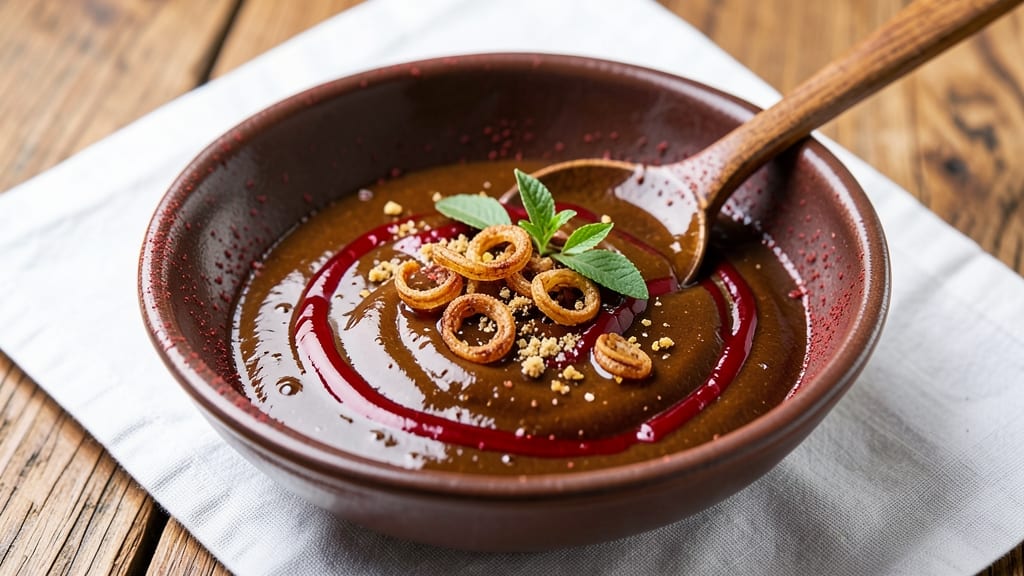
This ball BBQ sauce recipe delivers that perfect balance of tangy, smoky depth that clings to ribs and wings like a second skin. 🔥 After years of perfecting my pitmaster technique, I’ve developed a sauce that’s rich enough to stand up to bold meats but versatile enough to elevate sandwiches or baked beans.
The secret lies in the slow reduction—where vinegar sharpens, molasses deepens, and spices meld into a complex, aromatic base.
What sets this sauce apart is its thick, velvety texture, achieved through careful simmering and a touch of cornstarch for that signature cling.
I use a blend of apple cider vinegar for brightness and molasses for caramelized sweetness, then layer in spices like smoked paprika and mustard powder for that unmistakable BBQ punch. The result? A sauce that’s tangy enough to cut through fat but sweet enough to satisfy any craving.
This recipe is designed for restaurant-quality results at home, with a method that’s simple but not rushed. No shortcuts—just a slow simmer that develops layers of flavor, ensuring every bite of your pulled pork or crispy wings is drenched in that perfect balance of heat, sweetness, and smokiness.
The best part? It keeps beautifully in the fridge for up to two weeks, so you’ll always have a backup for your next cookout.
For those who love to experiment, I’ve included variations in the tips section—think spicy kick, extra-smoky depth, or even a vinegar-forward tang—so you can tweak it to match your taste.
Whether you’re a pitmaster or a weekend griller, this sauce will elevate your cooking to the next level. Let’s get started!
Ingredients for ball bbq sauce
Nine simple ingredients transform into that signature BBQ sauce with smoky depth and tangy cling.
| Ingredient | Amount | Notes |
|---|---|---|
| Apple Cider Vinegar 🍏 | 1 cup | Bragg or organic preferred |
| Blackstrap Molasses 🍯 | ½ cup | Unsulfured for richest flavor |
| Smoked Paprika 🌶️ | 2 tbsp | High-quality for smoky depth |
| Mustard Powder 🍯 | 1 ½ tbsp | Yellow or Dijon preferred |
| Garlic Powder 🧄 | 1 tbsp | Freshly ground preferred |
| Onion Powder 🧅 | 1 tbsp | For aromatic base |
| Ground Black Pepper 🌶️ | ½ tsp | Freshly cracked for heat |
| Cornstarch 🌾 | 1 tbsp | For velvety thickness |
| Brown Sugar 🍚 | ½ cup | Light or dark preferred |
| Salt 🧂 | 1 ½ tsp | Kosher or sea salt |
The vinegar and molasses are non-negotiable for that perfect balance—Bragg apple cider vinegar adds brightness, while blackstrap molasses brings caramelized richness. Smoked paprika is where the magic happens; grab the good stuff from Penzeys or bulk bins—it makes all the difference. I always double-check the spices: fresh garlic and onion powders (not the old dusty jars) and mustard powder (not mustard—it adds moisture). The brown sugar? Light or dark works, but light gives a cleaner finish. For the cornstarch, I grab the Bob's Red Mill brand—it dissolves smoothly without clumping.
No blackstrap molasses? Dark corn syrup at half the amount gets you close, but you’ll lose some depth. Skip the smoked paprika? Regular paprika plus a pinch of liquid smoke (start with 0.25 tsp) mimics the smokiness. Mustard powder missing? Dijon mustard at 1 tbsp works, but strain out seeds if you want a smoother sauce. The cornstarch is key for that restaurant-quality thickness—arrowroot powder is a 1:1 swap. For a quicker version, omit it, but the sauce won’t cling as well. The spices? Pre-ground is fine, but if you’ve got whole spices, toast them first for extra punch.
This sauce tastes even better the next day as flavors meld. Store in a glass jar in the fridge for up to 2 weeks, or freeze for 6 months in ice cube trays for single-use portions. I always make a double batch—one for ribs, one for wings, and it disappears fast. For leftovers, reheat gently on the stove with a splash of water to restore that velvety texture. The sauce thickens as it cools, so thin with a little water if needed.
Why You'll Love This Recipe
- Pantry Magic: I swear by this sauce because it uses stuff I already have—no special trips to the store. That molasses? Deep, rich sweetness without breaking the bank. And the vinegar? Cuts through the heat like a cool breeze on a summer day.
- Smoky-Sweet Bomb: The smoked paprika gives it that slow-cooked depth, while the molasses and vinegar create this perfect balance—tangy, sweet, and just a little spicy. It’s the kind of flavor that makes you lick the spoon, even if you’re pretending not to.
- Game for Any Day: Slather it on pulled pork for a Sunday feast or toss it with baked beans for a quick weeknight dinner. I’ve even drizzled it over grilled chicken or mixed it into deviled eggs—it’s that good, that reliable.
- No-Waste Winner: Make a big batch—it keeps for weeks in the fridge. Freeze extras in ice cube trays for single-use portions later. And honestly? The cost per serving is laughably cheap, especially when you’re feeding a crowd or just treating yourself.
Step-by-step instructions for thick, smoky BBQ sauce
This sauce delivers that perfect balance of tangy, sweet, and smoky—ideal for ribs, wings, or pulled pork.
🍳 Step 1: Combine Wet Ingredients in a Saucepan
In a medium saucepan, whisk together the 1 cup apple cider vinegar, 0.5 cup blackstrap molasses, 0.5 cup brown sugar, and 1.5 tsp salt. Bring the mixture to a gentle boil over medium-high heat, stirring constantly to dissolve the sugar completely. You'll notice the molasses and sugar blend into a deep amber liquid with a rich aroma—this is where the sauce's complex flavor begins.
Let it simmer uncovered for 5-7 minutes until the mixture thickens slightly and reduces by about ¼ cup. This reduction concentrates the flavors and removes excess moisture that would otherwise make your sauce watery. Keep an eye on it—if it starts to bubble too vigorously, reduce the heat to medium to prevent scorching.
🍳 Step 2: Add Dry Seasonings and Simmer
Lower the heat to medium-low and sprinkle in the 2 tbsp smoked paprika, 1.5 tbsp mustard powder, 1 tbsp garlic powder, 1 tbsp onion powder, and 0.5 tsp ground black pepper. Stir vigorously for 1-2 minutes until the spices are fully incorporated and the mixture smells like a smoky BBQ dream. The mustard powder will give it that signature tangy depth, while the smoked paprika adds that unmistakable smokiness that makes this sauce stand out.
Continue simmering for another 10-12 minutes, stirring occasionally. You're looking for a sauce that coats the back of a spoon and has a syrupy consistency. If it thickens too quickly, add 1-2 tablespoons of water to keep it smooth. The goal is a glossy, velvety texture that clings beautifully to ribs or wings.
🥘 Step 3: Thicken with Cornstarch Slurry
In a small bowl, whisk together the 1 tbsp cornstarch with 2 tablespoons of cold water to create a smooth slurry. Slowly pour this into the simmering sauce while stirring constantly. The cornstarch will immediately begin to thicken the sauce, transforming it from a thin syrup to a rich, coating consistency. Keep stirring for 2-3 minutes until the sauce reaches a thick, spreadable texture—it should resemble traditional BBQ sauce with that perfect balance of cling and flow.
Here's the thing—don't walk away. The sauce can thicken too much if you're not paying attention. If it becomes too stiff, thin it out with 1 teaspoon of water at a time until it reaches the ideal consistency. You want it thick enough to cling to food but still smooth enough to drizzle or brush easily.
⏰ Step 4: Cool and Adjust to Perfection
Remove the sauce from heat and let it cool for 10 minutes. This resting period allows the flavors to meld and the sauce to thicken further as it cools. Taste it now—you might find it needs a little more sweetness or tang. If it's too sharp, add 1 teaspoon of brown sugar. If it needs more tang, stir in 1 teaspoon of apple cider vinegar. Adjust the seasoning with salt or black pepper as needed.
Once cooled, transfer the sauce to a clean jar or airtight container. It will thicken even more as it sits, so you might need to stir in an extra 1 teaspoon of water if it becomes too stiff. Store it in the refrigerator for up to 2 weeks, or freeze for up to 3 months. This sauce is incredible on ribs, wings, pulled pork, or even as a glaze for grilled vegetables!
Pro Tips For Making Ball Bbq Sauce
- Simmer Slow and Steady: I learned this the hard way—rushing the sauce on high heat turns it into a thin, bitter glaze instead of a rich, balanced sauce. Keep it at a gentle boil for at least 20 minutes, stirring occasionally, so the molasses and vinegar meld properly without burning.
- Strain the Molasses First: Blackstrap molasses has grit, and nothing ruins a smooth sauce like a mouthful of sediment. Pour it through a fine-mesh strainer into your pot before adding anything else—trust me, you’ll notice the difference in texture right away.
- Balance the Vinegar: Apple cider vinegar is sharp, and if you don’t temper it, your sauce will taste harsh. After simmering for 15 minutes, taste and adjust with a pinch of sugar (about 1 teaspoon) or a splash of water if it’s too tangy—this is where the sauce’s depth comes together.
- Toast the Spices: Skip the pre-ground smoked paprika and mustard powder—whole spices make a real difference. Toast them in a dry pan for 30 seconds until fragrant, then grind them fresh. The aroma jumps off the plate, and the flavor is way more complex than store-bought blends.
Essential equipment for great ball bbq sauce
Saucepan Essentials
A medium saucepan with 3-quart capacity is ideal for this recipe—it gives enough room to stir without splattering. I use my All-Clad stainless steel pan because it heats evenly and prevents scorching.
If you don’t have stainless, a heavy-bottomed enamel pan works just as well. Avoid thin aluminum pans—they can burn the sauce quickly. 🔥
Whisk and Stirring Tools
Get a balloon whisk or flat whisk for combining ingredients smoothly. I prefer a silicon-coated whisk because it’s gentle on my saucepan and prevents scratches. For stirring during simmering, a wooden spoon (like my Oxo Good Grips) is perfect—it won’t react with acids like metal spoons can.
A heatproof spatula also helps scrape up any stuck bits.
Measuring Tools
Precision matters here! Use a liquid measuring cup for vinegar, molasses, and water, and a spoon set with leveling edges for dry ingredients like spices and cornstarch. My OXO Good Grips measuring spoons are my go-to—they’re durable and accurate.
For the cornstarch slurry, a small mixing bowl (like a 4-ounce ramekin) keeps things tidy. Never eyeball measurements—this sauce relies on balance!
Thermometer (Optional but Helpful)
A candy or instant-read thermometer helps track reduction progress. I aim for the sauce to reach 212°F during the initial boil, then simmer at 180-190°F for even cooking. If you don’t have one, watch for the sauce to reduce by ¼ cup—that’s your cue.
For thickeners like cornstarch, a thermometer ensures you don’t overheat it, which can turn grainy. 🌡️
Storage Containers
Transfer your finished sauce to glass jars with airtight lids (like Ball Mason jars) for fridge storage. For freezing, use quart-sized freezer-safe bags or silicone molds—they’re stackable and prevent freezer burn.
Label everything with the date! I also keep a small squeeze bottle (like a Mason jar with a pump top) for easy drizzling on wings or ribs.
Bonus: Small Extras
A fine-mesh strainer comes in handy if you prefer a smooth sauce—strain out any undissolved bits after simmering. For adjustments, keep small bowls of vinegar, sugar, and salt nearby. And trust me, a cheesecloth or coffee filter helps if you want to remove any cloudiness before serving.
These little tools make all the difference in restaurant-quality results at home. ✨
Nutrition facts
Frequently asked questions
Why does this BBQ sauce need to simmer for so long?
The long simmer is key to developing deep, complex flavors. The vinegar and molasses caramelize, while spices meld together—this creates that restaurant-quality taste. Skipping this step results in a flat, one-dimensional sauce. Think of it like reducing wine for a sauce: patience pays off with layers of flavor.
Can I make this sauce without cornstarch?
Yes, but expect a thinner consistency. For a cornstarch-free version, simmer the sauce longer (up to 30 minutes) to reduce it naturally. Alternatively, blend 1 tbsp tomato paste into the wet ingredients—it adds body without thickening agents. The sauce will still cling, but not as dramatically as with cornstarch.
How do I fix a sauce that's too thick or too thin?
For a sauce that's too thick, thin it with 1 tsp water at a time while stirring constantly. If it's too thin, return it to low heat and simmer uncovered for 5-10 minutes to reduce. Never add cold water directly—it can cause the sauce to separate. For emergencies, whisk in ½ tsp cornstarch slurry (1 tsp cornstarch + 1 tsp water).
What's the best way to store leftover BBQ sauce?
Store in a clean glass jar in the fridge for up to 2 weeks. For longer storage, freeze in ice cube trays for single-use portions or quart-sized bags for larger batches. When reheating, warm gently on the stove with 1 tsp water to restore thickness. Avoid microwaving—it can make the sauce grainy.
Can I use this sauce on non-meat dishes?
This versatile sauce works on grilled vegetables, tofu, burgers, or even as a marinade for corn on the cob. For vegetables, brush on lightly before grilling—it caramelizes beautifully. For baked beans, reduce the sauce by half first to concentrate the flavors. The smoky-spiced profile shines in unexpected places!