
Sauces & Condiments
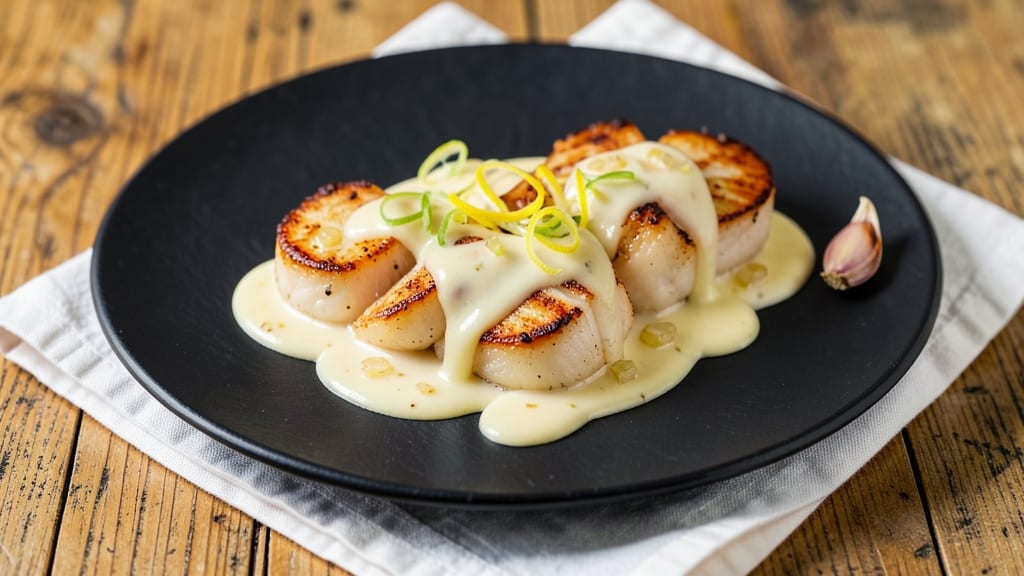
Baked scallops in cream sauce transform delicate seafood into an elegant restaurant-quality dish with just a few key techniques. The secret lies in searing the scallops first to lock in juices, then baking them in a velvety cream sauce that caramelizes beautifully.
This method balances richness with the natural sweetness of scallops, creating a dish that feels indulgent yet refined.
What makes this recipe work is the two-step cooking process: a quick sear in a hot pan develops flavor and texture, while the baking phase gently finishes the scallops in the sauce.
The sauce itself is simple but transformative—just cream, butter, and a splash of lemon to brighten the richness. No fancy ingredients required, just precise timing and attention to detail.
By the end, you'll have perfectly cooked scallops with golden edges and tender centers, all nestled in a glossy, buttery sauce that clings beautifully. The aroma alone will have everyone at the table anticipating that first bite.
This dish proves that restaurant-quality seafood can be achieved at home with the right technique.
The best part? This recipe scales effortlessly for two or six, making it perfect for date nights or dinner parties. The sauce can be made ahead, so all you need to do when guests arrive is sear and bake.
Let's create a dish that feels special without requiring hours in the kitchen.
Ingredients for baked scallops in cream sauce
Restaurant-quality seafood starts with these simple yet precise ingredients. No shortcuts—just quality components that elevate the dish.
| Ingredient | Amount | Notes |
|---|---|---|
| Fresh Scallops 🦪 | 1 ½ lb | Dry-pat and sear sides flat |
| Heavy Cream 🥛 | 1 cup | Full-fat for richness |
| Unsalted Butter 🧈 | 4 tbsp | Cold, cut into small cubes |
| Fresh Lemon Juice 🍋 | 2 tbsp | Brightens the sauce |
| Garlic Cloves 🧄 | 3 cloves | Minced for subtle flavor |
| Shallots 🧅 | 2 whole | Finely chopped, not minced |
| Dry White Wine 🍷 | ¼ cup | Sauvignon Blanc preferred |
| Fresh Thyme Leaves 🌿 | 1 tbsp | Or 1 tsp dried thyme |
| Salt 🧂 | 1 tsp | Diamond Crystal preferred |
| Ground Black Pepper 🌶️ | ½ tsp | Freshly ground for heat |
| Panko Breadcrumbs 🍞 | 2 tbsp | For garnish, optional |
| Parsley Leaves 🌿 | 2 tbsp | Chopped for garnish |
The scallops are the star, so choose dayboat or fresh market—they should feel firm and heavy for their size. Whole Foods and high-end seafood markets have the best selection, but any reputable fishmonger will do. Look for dry-packed scallops with no moisture—wet-packed ones will turn rubbery. The butter matters too: Plugrá or European-style has higher fat content for that velvety sauce. If you can't find those, Land O'Lakes unsalted works in a pinch, but let it soften at room temperature before using. For the wine, any dry white like Sauvignon Blanc works—just avoid anything too oaky or sweet.
No white wine? Substitute with extra chicken broth—it adds depth without overpowering. Fresh thyme out of season? Dried works at one-third the amount, but toast it lightly in the pan first for extra flavor. The shallots can be swapped for 1 small yellow onion, finely chopped if you're in a hurry. For a richer sauce, add 1 tbsp crème fraîche or sour cream at the end. The panko breadcrumbs are optional but add a nice textural contrast—Trader Joe's has the best pre-toasted variety. If you're feeling fancy, use Japanese panko for extra crunch.
The sauce can be made 1 day ahead—just reheat gently before adding the scallops. Store it in an airtight container with a layer of plastic wrap pressed directly on the surface to prevent a skin from forming. Scallops are best served immediately after baking, but you can reheat gently in the sauce for up to 2 days. For longer storage, freeze the sauce separately for up to 3 months. The scallops themselves won't freeze well, so plan to use them fresh or within 1 day of purchase.
Why You'll Love This Recipe
- No Fuss, Big Payoff: I swear by this when I’m too tired to sear scallops properly. Just toss them in a hot pan with butter for 30 seconds, then pop them in the oven with that creamy sauce—no flipping, no stress, just golden perfection.
- Rich Without Effort: The heavy cream and butter make this sauce velvety, but the lemon juice cuts through the richness so it doesn’t feel heavy. That crispy edge on the scallops? Pure satisfaction from minimal work.
- Date Night or Meal Prep: Between us, this is my go-to for when I want to impress but don’t want to slave over a stove. Yet it’s also the dish I reheat for lunch the next day—just add a splash of cream to loosen the sauce, and it’s just as good.
- Budget-Friendly Luxury: Scallops feel fancy, but this recipe stretches them. I’ll often use half the batch for a quick weeknight dinner and save the rest for a guest night—no waste, all flavor. The garlic and butter make it taste like a splurge, even if it’s not.
Step-by-step instructions for baked scallops in cream sauce
Master this elegant technique where seared scallops bake in a velvety cream sauce until perfectly tender.
Prepare and Sear the Scallops
Pat the 1.5 lb fresh scallops completely dry with paper towels—this ensures a proper sear. Arrange them flat-side down on a plate and season both sides generously with 1 tsp salt and 0.5 tsp ground black pepper. I like to press the seasoning into the scallops so it adheres well.
Heat a large oven-safe skillet over medium-high heat and add 2 tbsp unsalted butter (half the total amount). Once the butter foams, add the scallops in a single layer, leaving space between them. Sear for 2-3 minutes per side until they develop a golden-brown crust and release easily from the pan. Don't rush this step—the crust is what keeps them tender during baking.
Build the Cream Sauce Foundation
Reduce heat to medium and add the remaining 2 tbsp unsalted butter to the skillet. Stir in the 2 whole shallots (finely chopped) and 3 cloves garlic (minced) and cook for 2-3 minutes until the shallots soften and become translucent. You'll smell their sweet aroma—this is when they're ready for the next step.
Pour in the 0.25 cup dry white wine and scrape up any browned bits from the bottom of the pan. Let it simmer for 2-3 minutes until reduced by half. This deglazing step captures all the flavor that would otherwise stick to the pan. Add the 1 tbsp fresh thyme leaves and stir for 30 seconds to infuse the sauce with aromatic flavor.
Create the Velvety Cream Sauce
Pour in the 1 cup heavy cream and bring to a gentle simmer. Let it cook for 3-4 minutes until it thickens slightly but doesn't boil—you want it to coat the back of a spoon. Stir in the 2 tbsp fresh lemon juice and taste. Adjust seasoning with additional salt and pepper if needed. The sauce should be rich, velvety, and slightly tangy from the lemon.
Here's the thing—if the sauce looks too thick, whisk in 1-2 tbsp hot water to reach your desired consistency. The sauce will continue to thicken as it bakes, so aim for a slightly looser texture now. This ensures it blankets the scallops perfectly when baked.
Bake to Perfection
Carefully transfer the skillet to a 400°F preheated oven. Bake for 8-10 minutes until the scallops are opaque throughout and the sauce has thickened to a glossy finish. The scallops should be tender but still hold their shape—overcooking will make them rubbery.
Watch closely during the last 2 minutes of baking. If the sauce starts to brown too quickly, tent the skillet with foil to prevent burning while still allowing the scallops to finish cooking. The sauce should be silky and cling beautifully to each scallop.
Garnish and Serve
Remove the skillet from the oven and let it rest for 2 minutes before serving. This brief rest allows the sauce to set slightly and makes plating easier. Sprinkle with 2 tbsp chopped parsley leaves and 2 tbsp panko breadcrumbs for texture and color contrast.
Serve immediately over mashed potatoes, crusty bread, or pasta to soak up that luxurious cream sauce. Each bite should deliver perfectly seared scallops with a velvety sauce that melts in your mouth. The lemon brightens the richness, while the thyme adds an earthy depth that ties everything together.
Pro Tips For Making Baked Scallops In Cream Sauce
- Pat the scallops dry: First, grab paper towels and really dry those suckers off—no wet spots. I learned this the hard way when my scallops turned out rubbery instead of tender, and it’s all because moisture steams them instead of searing.
- Sear garlic low and slow: Skip the high-heat sizzle—cook minced garlic in butter on medium-low until it’s just golden, not brown. After burning two batches, I finally realized crispy garlic overpowers the delicate cream sauce, and you want the garlic to melt into the dish, not dominate it.
- Don’t overbake the cream: Once the sauce starts bubbling gently, move it to the lowest heat setting you can tolerate. I used to walk away and let it simmer hard, and by the time I checked, the cream had split and the sauce was grainy—now I keep an eye on it and pull it just before it looks fully set.
- Use cold cream for stability: Whisk the heavy cream into the warm sauce after it’s off the heat—cold cream thickens better and won’t curdle. I was skeptical until I tried it, and now I swear by it, especially when baking the scallops afterward. The sauce stays silky instead of breaking.
Storing and reheating your baked scallops in cream sauce
Refrigerator Storage
Store the baked scallops and sauce in an airtight container for up to 2 days—the sauce actually improves overnight as flavors meld. Let the dish cool completely before refrigerating to prevent condensation, which can make the sauce watery.
Press plastic wrap directly onto the sauce surface to minimize skin formation. Reheat gently in a saucepan over low heat for 3-4 minutes, stirring occasionally to maintain that velvety texture. 💫
Freezer-Friendly Sauce
The cream sauce freezes beautifully for up to 3 months in a freezer-safe bag or container. Freeze it separately from the scallops—scallops don’t reheat well after baking.
When ready to use, thaw the sauce in the refrigerator overnight, then reheat it gently with 1-2 tbsp water to restore its silky consistency. Never microwave the sauce directly; it’ll split and become grainy. 🥶
Reheating Scallops
If you must reheat the scallops, transfer them to a lightly oiled skillet over medium-low heat for 1-2 minutes per side—just enough to warm through. Add a splash of heavy cream or chicken broth to the pan to prevent drying.
For best results, reheat only what you’ll serve immediately, as scallops lose tenderness quickly. The sauce should be warmed separately and combined at the last moment. ⏰
Make-Ahead Sauce
Prepare the sauce 1 day ahead—it tastes even better after resting! Store it in the fridge in an airtight container with a layer of plastic wrap pressed onto the surface.
When ready to cook, reheat the sauce in a saucepan over low heat until warmed through, then proceed with searing and baking the scallops fresh. This shortcut saves time without sacrificing flavor. 💡
Garnish Refresh
If reheating leftovers, refresh the garnish with toasted panko breadcrumbs and chopped parsley just before serving. The crunch and bright green contrast elevate the dish, making it feel restaurant-fresh.
For extra brightness, add a squeeze of lemon juice right before plating—it cuts through any richness that may have developed during storage. 🌿
Portion Control
Divide the dish into individual ramekins before storing to simplify reheating and serving. This also prevents overcrowding in the skillet, which can lead to uneven cooking. Label containers with dates to track freshness—scallops are best enjoyed within 2 days of baking for optimal texture.
For parties, portion the sauce separately and reheat it in batches to maintain consistency. 🍽️
Nutrition facts
Frequently asked questions
Why do I need to sear the scallops before baking?
Searing first creates a flavorful crust that locks in juices and prevents the scallops from drying out during baking. The golden-brown edges add texture contrast to the velvety sauce, making each bite more satisfying. Without searing, the scallops would absorb too much sauce and become mushy.
Can I substitute heavy cream with something lighter?
For a lighter version, use half-and-half mixed with 2 tablespoons sour cream—it'll still be creamy but slightly less rich. If you're avoiding dairy completely, coconut cream works but adds a subtle sweetness. The sauce will be thinner, so reduce it longer (up to 5 minutes) to compensate.
What's the best way to test if scallops are done?
They're perfectly cooked when they turn completely opaque (no translucent centers) and pull away cleanly from the pan. Cut into one—it should be tender but still hold its shape. Overcooking by even 1 minute makes them rubbery. The sauce should coat the back of a spoon but still be pourable, not thick like pudding.
How do I make this dish ahead of time?
Prepare the sauce 1 day ahead and store it covered in the fridge. Reheat gently before adding the fresh scallops. For the scallops themselves, sear them just before baking—never prep them ahead since they lose texture when refrigerated. The sauce actually tastes better after resting as flavors meld!
What's the secret to preventing a skin from forming on the sauce?
Press plastic wrap directly onto the sauce surface before refrigerating to block air. For reheating, stir the sauce gently over low heat and add 1-2 tablespoons water if it thickens too much. Never microwave—it causes the sauce to split and become grainy. A splash of lemon juice before serving also helps refresh the texture.