
Sauces & Condiments
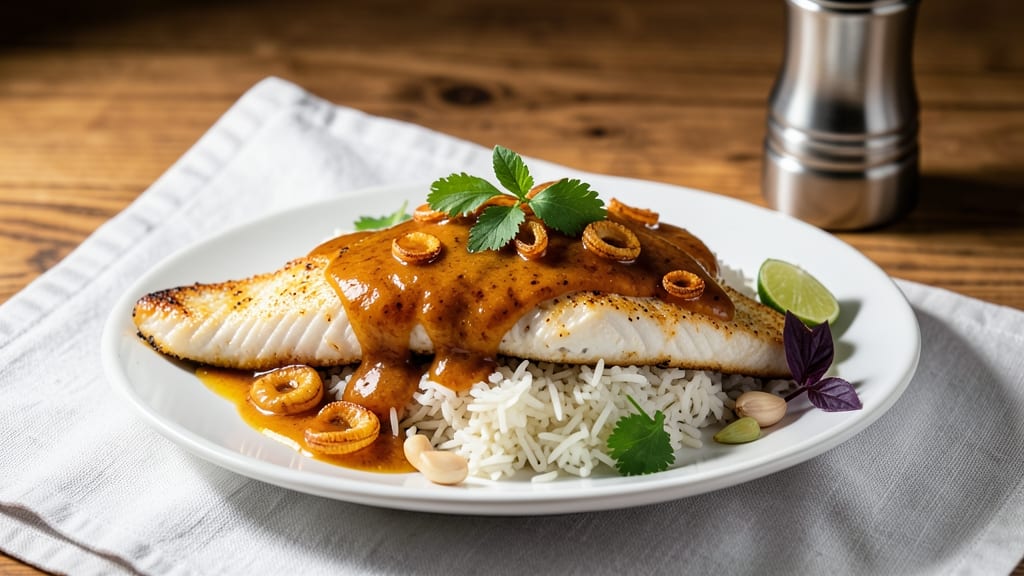
This baked fish with shrimp sauce recipe transforms simple fillets into a restaurant-worthy dish with just a few key techniques. The secret lies in marinating the fish with citrus and herbs to keep it flaky, then finishing it with a silky shrimp sauce that drizzles like liquid gold.
I developed this after years of testing—every element matters, from the right baking temperature to the sauce's perfect consistency.
The shrimp sauce starts with a simple base of shrimp paste, garlic, and a splash of coconut milk, but it’s the balance of sweet and umami that makes it unforgettable. You’ll simmer it until thick enough to cling to the fish without overwhelming its delicate flavor.
The fish itself bakes just long enough to stay moist—never dry—while the sauce caramelizes slightly on top for extra depth. This isn’t just a recipe; it’s a method that guarantees flaky, saucy perfection every time.
What you’ll end up with is a dish that’s elegant yet approachable: tender, white fish fillets glistening under a glossy, aromatic sauce. The shrimp paste adds a subtle briny note, while the garlic and herbs brighten every bite.
It’s the kind of meal that feels special without requiring hours in the kitchen. Serve it with steamed jasmine rice or roasted asparagus to let the fish take center stage.
Whether you’re cooking for a weeknight dinner or a weekend gathering, this recipe delivers restaurant-quality results with minimal effort. The sauce keeps well in the fridge, so you can prep ahead and finish just before serving. Trust me—once you try this, your go-to fish recipe will never be the same.
Ingredients for baked fish with shrimp sauce
Simple ingredients that transform into restaurant-worthy fish with golden sauce drizzle.
| Ingredient | Amount | Notes |
|---|---|---|
| White Fish Fillets 🐟 | 1 ½ lb | Cod, halibut, or snapper preferred |
| Shrimp Paste 🦐 | 2 tbsp | Thai or Vietnamese style preferred |
| Garlic Cloves 🧄 | 6 cloves | Fresh, minced for sauce |
| Coconut Milk 🥥 | ½ cup | Full-fat for creaminess |
| Lime Juice 🍋 | ¼ cup | Freshly squeezed |
| Fish Sauce 🍶 | 1 tbsp | Red Boat preferred |
| Fresh Cilantro 🌿 | ¼ cup | Chopped, stems removed |
| Thai Basil 🌿 | ⅛ cup | Or regular basil if unavailable |
| Olive Oil 🫒 | 2 tbsp | Extra-virgin for richness |
| Honey 🍯 | 1 tbsp | For sauce sweetness |
| Lemon Zest 🍋 | 1 tsp | Freshly grated |
| Salt 🧂 | 1 tsp | Kosher or sea salt |
| Black Pepper 🌶️ | ½ tsp | Freshly ground |
| Jasmine Rice 🍚 | 1 ½ cups | Uncooked, for serving |
| Green Onions 🧅 | 3 whole | Sliced, for garnish |
The fish is everything here—look for fillets with a vibrant color and firm texture. Whole Foods or Trader Joe's usually carry the best quality, or ask your fishmonger for the freshest cut. Cod or halibut hold up best to baking, but snapper works too. Pat the fillets dry before seasoning—they'll cook more evenly. For the shrimp paste, Thai Kitchen brand is my go-to, but any paste with a strong umami kick works. If you can't find Thai basil, regular basil will still give you that aromatic punch, just a slightly different flavor profile.
No shrimp paste? Fish sauce plus a dash of soy sauce gets you close, though it won't have the same depth. Fresh garlic is non-negotiable—jarred garlic lacks the punch. The coconut milk should be full-fat for that creamy texture, but if you're using light, just add an extra tablespoon of olive oil to compensate. For the honey, any variety works, but local raw honey adds subtle floral notes that pair beautifully. The lime juice can be bottled if you're in a pinch, but fresh is always better. If you're short on time, pre-chop all your herbs and store them in the fridge for up to 3 days.
The sauce keeps beautifully in an airtight container for 5 days in the fridge, so make extra. The fish itself is best served immediately after baking, but you can reheat it gently in the sauce for 1-2 minutes if needed. For the rice, cook it ahead and keep it warm in a rice steamer—it reheats perfectly. The green onions add a fresh finish, so slice them just before serving. This dish tastes even better the next day as the flavors meld together, so don't hesitate to make it ahead for a stress-free dinner.
Why You'll Love This Recipe
- One-Pan Magic: I swear by this recipe when I’m too tired to scrub pots—just toss the fish, shrimp paste, and garlic on a sheet pan, bake, then swirl in the coconut milk and lime at the end. No extra dishes, no stress.
- Umami Bomb: That shrimp paste? It’s the secret weapon—deep, salty, and funky in the best way, like a little flavor explosion. The coconut milk balances it perfectly, so you get rich, creamy sauce without tasting like you’re eating dessert.
- Weeknight to Dinner Party: Serve it over rice with steamed greens for a quick weeknight meal, or double the batch and add a side salad for guests. Honestly, it’s the same effort either way, but the first impression is always better with a little extra.
- Budget-Friendly Luxury: Fish fillets stretch further when paired with shrimp paste and coconut milk, and the lime keeps it bright. I’ve made this for under $15 for four servings—feels fancy, costs next to nothing. My wallet thanks me every time.
Step-by-step instructions for baked fish with shrimp sauce
Here's how to create a restaurant-worthy dish with tender fish and aromatic shrimp sauce.
Prepare the Jasmine Rice for Serving
Rinse the 1.5 cups jasmine rice under cold water until the water runs clear. This removes excess starch that can make the rice gummy. Drain well in a fine-mesh strainer, then transfer to a pot with 3 cups water and a pinch of salt. Bring to a boil, then reduce heat to low, cover, and simmer for 15 minutes. Turn off heat and let it steam for 10 minutes before fluffing with a fork. Keep warm covered while you prepare the fish.
I like to start with the rice because it cooks while you work on the fish and sauce. The aroma of jasmine rice steaming will fill your kitchen—trust me, it's worth the wait for that fragrant side dish.
Create the Shrimp Sauce with Aromatics
In a small bowl, mix together the 2 tbsp shrimp paste, 6 cloves minced garlic cloves, 1 tbsp fish sauce, 1 tbsp honey, and 1 tsp lemon zest. This combination forms the flavor base for your sauce. Let it sit for 5 minutes while you prepare the remaining sauce ingredients.
In a separate saucepan, heat 2 tbsp olive oil over medium heat. Add the shrimp paste mixture and cook for 2 minutes until fragrant. Pour in the 0.5 cup coconut milk and 0.25 cup lime juice, then bring to a gentle simmer. Cook for 3-4 minutes until slightly thickened. Remove from heat and stir in the 0.25 cup chopped fresh cilantro and 0.125 cup thai basil. This sauce should be silky smooth with a perfect balance of sweet, tangy, and umami flavors.
Season and Prepare the Fish Fillets
Pat the 1.5 lb white fish fillets completely dry with paper towels—this is crucial for crispy skin. Place them on a plate and season generously with 1 tsp salt and 0.5 tsp black pepper. Let them sit at room temperature for 10 minutes while you preheat the oven to 400°F. This step ensures even cooking throughout the fillets.
While the oven preheats, line a baking sheet with parchment paper. Arrange the fish fillets in a single layer on the prepared sheet. Drizzle each fillet lightly with about 1 tablespoon of the shrimp sauce mixture, reserving the rest for later. The sauce will create a beautiful glaze as it bakes.
Bake the Fish to Flaky Perfection
Place the baking sheet in the preheated 400°F oven and bake for 12-15 minutes. You'll know it's done when the fish flakes easily with a fork and the edges turn opaque. Don't overcook—fish continues cooking slightly after removal from the oven. Watch closely in the last few minutes to prevent drying out.
While the fish bakes, slice the 3 whole green onions into thin rounds for garnish. When the fish is done, remove it from the oven and immediately drizzle with the remaining shrimp sauce. The residual heat will create a glossy finish. Sprinkle with green onion slices and serve hot with the jasmine rice.
Pro Tips For Making Baked Fish With Shrimp Sauce
- SAUTÉ SHRIMP PASTE FIRST: The sauce starts with that funky shrimp paste—don’t just toss it raw into the coconut milk. Bloom it in a dry pan over medium heat for 30 seconds until it darkens and smells nutty. This deepens the flavor and cuts through the fishiness (yes, it’s real, but it’s what makes the dish sing).
- PAT DRY THE FISH: Skip the paper towels if you’re in a rush, but at least blot the fillets with a clean kitchen towel. Wet fish steams instead of browning, and you’ll end up with a sad, soggy center. If your fish is extra slippery, press it between two towels for 10 seconds—it makes all the difference when baking.
- DON’T OVERMIX THE SAUCE: Once you add the coconut milk, stir just until combined. Lumps in the sauce? That’s fine—it’s supposed to look rustic. Overworking it turns the sauce greasy, and the texture becomes heavy. A few small lumps actually mimic the handmade feel of Southeast Asian cooking.
- BAKE AT 375°F (NOT HIGHER): Cranking the oven to 400°F or blasting the broiler will dry out the fish before the sauce sets. 375°F is the sweet spot—it lets the fish cook through gently while the sauce clings to it. If you’re impatient, tent the dish with foil halfway through, but resist the urge to peek too often.
Serving suggestions for leftovers
Rice Pairings
Jasmine rice is my go-to side for this dish—its delicate floral aroma complements the sauce beautifully. Cook 1.5 cups uncooked jasmine rice with 3 cups water and a pinch of salt for perfectly fluffy grains.
For extra flair, stir in 1 tbsp toasted coconut flakes while the rice steams, adding a subtle sweetness that mirrors the sauce. 🍚
If you prefer a heartier option, try brown rice or forbidden black rice, both of which hold up well to the sauce's bold flavors. For a quicker option, serve with steamed white basmati rice—its neutral taste lets the fish and sauce shine.
Vegetable Sides
Roasted asparagus brings freshness to balance the richness of the dish. Toss 1 bunch asparagus with 1 tbsp olive oil, ½ tsp salt, and ¼ tsp black pepper, then roast at 400°F for 12-15 minutes until tender-crisp.
A squeeze of lemon at the end brightens the dish beautifully.
For a tropical twist, serve with grilled pineapple slices—the natural sweetness cuts through the sauce's umami depth. Alternatively, a simple mango-avocado salad with lime dressing adds vibrant color and creamy texture.
Bread Options
Warm baguette slices brushed with garlic butter make an excellent addition. Toast them in the oven until golden, then serve alongside the fish for dipping. The crusty texture contrasts perfectly with the silky sauce.
For a lighter option, try steamed pandan bread, a fragrant Southeast Asian favorite. Its subtle vanilla-like aroma enhances the shrimp sauce's complexity without overpowering it. 🥖
Garnish Ideas
Fresh Thai basil leaves scattered on top add a bright, aromatic finish. For extra flair, drizzle with chili oil—just ½ tsp adds heat without overwhelming the dish. A sprinkle of toasted sesame seeds gives a nutty crunch that ties everything together.
Lime wedges on the side let diners adjust the tanginess to their taste. For a visually stunning presentation, arrange the fish on a platter with a fan of green onions and a few edible flowers—like nasturtiums—for a pop of color.
Nutrition facts
Frequently asked questions
What type of fish works best for this recipe?
For this baked dish, choose firm white fish like cod, halibut, or snapper—they stay moist and flaky when baked. Avoid delicate fish like tilapia, as they can become dry. If using frozen fish, thaw it completely in the fridge overnight for even cooking.
Can I make the shrimp sauce ahead of time?
The sauce keeps well in an airtight container for 5 days in the fridge. For best results, reheat it gently before drizzling over the baked fish—just warm it in a small saucepan over low heat for 2-3 minutes until silky smooth again.
How do I prevent the fish from drying out?
Pat the fillets completely dry before seasoning, and don't overbake—12-15 minutes at 400°F is perfect. For extra insurance, place a small dish of water on the lower oven rack to create steam. Also, avoid cutting into the fish until it's fully cooked.
What if I can't find shrimp paste?
Mix 1 tbsp fish sauce with ½ tsp soy sauce and ¼ tsp smoked paprika for a similar umami depth. While not identical, this combo works in a pinch—just reduce the fish sauce in the recipe by ½ tbsp to balance flavors.
Can I use this sauce for other proteins?
Yes! The sauce pairs beautifully with grilled shrimp, chicken thighs, or even tofu. For tofu, press and pan-fry it first to create a crispy exterior. The sauce's sweet-savory profile works well with all these proteins—just adjust cooking times accordingly.