
Sauces & Condiments
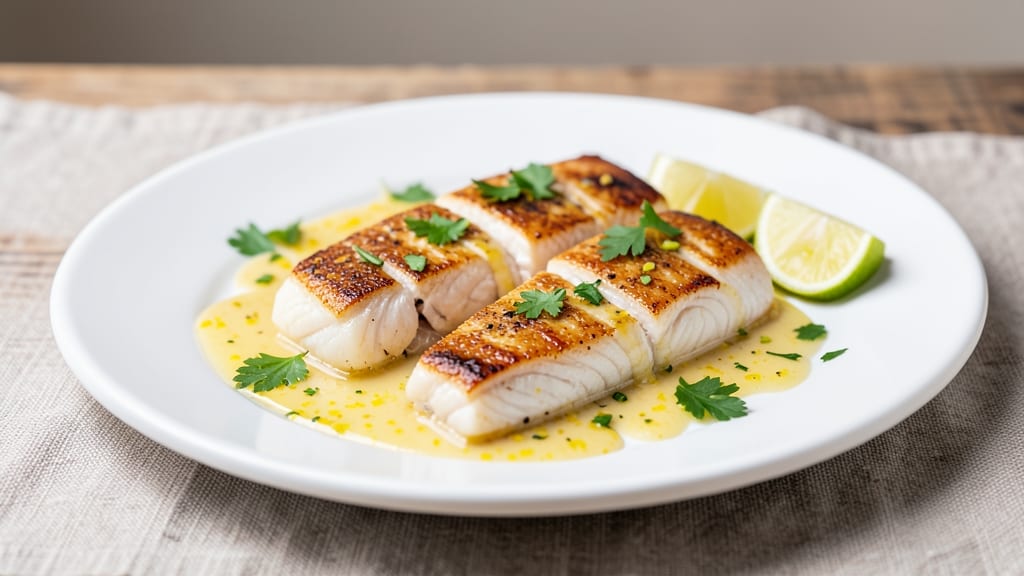
This baked fish with lemon butter sauce recipe delivers restaurant-quality results with minimal effort—flaky, golden fillets paired with a bright citrus butter that melts into every tender bite. The secret lies in high-heat baking and a sauce that enhances rather than overpowers the delicate fish. I've perfected this technique over countless weeknight dinners, and it never fails to impress.
The process is simpler than you'd think: season the fish lightly, bake it until just opaque, then finish with a velvety lemon butter sauce that ties everything together. Ready in just 20 minutes, this dish transforms simple ingredients into something elegant enough for company but easy enough for weeknights.
The sauce's tangy-sweet balance cuts through the richness of the fish, creating harmony in every bite.
What you'll achieve is a plate that looks and tastes like it came from a seafood restaurant—the crispy skin, the perfectly flaked flesh, and that vibrant yellow sauce pooling around the edges.
The sauce's acidity also helps tenderize the fish slightly as it rests, ensuring maximum flakiness. This is the kind of meal that makes you feel like a home chef without the fuss.
Serve with roasted asparagus or a simple green salad to complete the plate. The sauce works equally well drizzled over the fish or spooned alongside for dipping. Let's create this effortless yet impressive dish together—your taste buds will thank you.
Ingredients for baked fish with lemon butter sauce
Simple ingredients that transform into restaurant-worthy fish with golden crust and bright citrus butter sauce.
| Ingredient | Amount | Notes |
|---|---|---|
| White Fish Fillets 🐟 | 4 pieces | Cod, halibut, or tilapia preferred |
| Unsalted Butter 🧈 | ½ cup | Cold, cut into 8 pieces |
| Lemon Juice 🍋 | ¼ cup | Freshly squeezed, strained |
| Fresh Lemon Zest 🍋 | 1 tbsp | Fine, from 1 lemon |
| Garlic Cloves 🧄 | 2 cloves | Minced, fresh preferred |
| Fresh Parsley 🌿 | ¼ cup | Chopped, stems removed |
| Kosher Salt 🧂 | 1 tbsp | Diamond Crystal preferred |
| Ground Black Pepper 🌶️ | ½ tsp | Freshly ground |
| Olive Oil 🫒 | 1 tbsp | For greasing pan |
| All-Purpose Flour 🌾 | ½ cup | For dredging |
| Heavy Cream 🥛 | ¼ cup | For sauce richness |
| White Wine 🍷 | ¼ cup | Dry, optional for sauce |
The fish is everything here. Whole Foods or your local fishmonger will have the freshest fillets—look for bright, translucent flesh and no fishy odor. Cod and halibut hold up best to baking, but tilapia works in a pinch. Pat them bone-dry before seasoning (trust me on this). For the butter, Plugrá or Kerrygold melt beautifully, but any good unsalted butter will do. The lemon should be juicy—squeeze it right before measuring. If you're short on time, bottled lemon juice works, but fresh is worth the squeeze.
No fresh parsley? Dried works at one-third the amount, but it won't be as vibrant. Short on wine? Fish or vegetable stock adds depth instead. The flour is just for dredging—skip it if you're baking salmon (it's oily enough). For the sauce, if you don't have heavy cream, half-and-half or coconut milk works, though the texture will be lighter. Want extra brightness? Add a pinch of red pepper flakes to the sauce. The garlic can be pre-minced from a jar (no judgment), but fresh always tastes better.
Fish stays fresh for 1 day in the fridge if uncooked—use it immediately. The sauce keeps for 3 days in the fridge, but it's best made fresh. For leftovers, store fish and sauce separately. Reheat sauce gently on the stove—it thickens as it cools. Portion the butter sauce into ice cube trays for easy single-use portions. The fish reheats beautifully in a skillet with a splash of water, but it's better eaten fresh.
Why You'll Love This Recipe
- Foolproof Timing: I swear by this one when I’m staring at the clock at 6:30 PM. Ten minutes to prep the fish—just season, nestle in butter and garlic, pop it in—and the oven does all the work while I chop veggies for the side. No hovering, no stress.
- Zesty Magic: That bright lemon butter sauce? It’s the secret weapon. The garlic softens into sweetness, the zest adds a citrus spark, and the melted butter clings to every flake like it’s hugging you. Honestly, it’s the kind of dish that makes you want to eat it straight from the pan.
- Weeknight to Dinner Party: Same recipe, different vibes. Toss it on a sheet pan for a lazy Tuesday or plate it on a bed of greens for guests—no one will guess it’s the same effort. Between us, I’ve served this at both and never had to explain myself.
- Leftovers That Don’t Suck: Cold fish salad? Yes, please. The sauce stays rich, the fish holds together, and it’s the easiest lunch the next day. I keep a stash of frozen fillets just for this—thaw, bake, and boom, no wasted ingredients. Budget-friendly and zero guilt.
Step-by-step instructions for baked fish with lemon butter sauce
Here's how to create perfectly flaky fish with a bright, tangy sauce that melts into every bite.
Season and Prepare the Fish Fillets
Pat the 4 pieces of white fish fillets dry with paper towels—this ensures crispy skin and even cooking. Place them on a clean work surface and season both sides generously with the 1 tablespoon of kosher salt and 0.5 teaspoon of ground black pepper. I like to press the salt into the fish slightly so it adheres well and penetrates the surface.
Let the seasoned fillets rest at room temperature for 10 minutes while you prepare the lemon butter sauce. This brief resting period helps the fish cook more evenly. If you're using cod or halibut, which are firmer fish, you can skip this step, but for tilapia, the rest prevents dryness.
Create the Lemon Butter Sauce Base
In a small saucepan, combine the 0.5 cup of cold unsalted butter (cut into 8 pieces), 0.25 cup of lemon juice, 1 tablespoon of fresh lemon zest, and the 2 minced garlic cloves. Place the saucepan over medium heat and let it melt slowly, stirring occasionally with a wooden spoon. You'll see the butter foam and then settle into a smooth, golden liquid—this should take about 3-4 minutes.
Once the butter has melted completely and the mixture smells intensely citrusy, remove the saucepan from heat. This is your flavor base, and we'll return to it after baking the fish. The lemon zest adds a bright pop of flavor that cuts through the richness of the butter, creating that signature tangy balance.
Bake the Fish to Perfect Flakiness
Preheat your oven to 375°F. Lightly grease a baking dish with 1 tablespoon of olive oil to prevent sticking. Arrange the seasoned fish fillets in a single layer in the prepared dish, skin-side down if they have it. This orientation helps create crispy skin while keeping the delicate flesh tender.
Bake the fish for 12-15 minutes, depending on thickness. You'll know it's done when the fish flakes easily with a fork and the edges turn opaque. The center should still look slightly translucent—overcooking will make it dry. If your oven runs hot, start checking at the 10-minute mark to avoid overbaking.
Finish with Cream and Wine (Optional)
While the fish bakes, return the lemon butter mixture to medium-low heat. Stir in the 0.5 cup of all-purpose flour and cook for 1 minute until lightly thickened. Then, whisk in the 0.25 cup of heavy cream and, if using, the 0.25 cup of dry white wine. Let the sauce simmer gently for 2-3 minutes until it thickens to a glossy consistency—it should coat the back of a spoon.
Remove the fish from the oven and carefully spoon the lemon butter sauce over each fillet. The residual heat will help the sauce cling beautifully. Garnish with the 0.25 cup of chopped fresh parsley for a pop of color and freshness. Serve immediately with crusty bread or over a bed of steamed vegetables.
Rest and Serve with Confidence
Let the fish rest for 2-3 minutes before serving. This brief rest allows the juices to redistribute, ensuring each bite is moist and flavorful. The lemon butter sauce should be glossy and cling to the fish like a second skin, with a perfect balance of tangy, rich, and buttery flavors.
For the best experience, serve the fish immediately while the sauce is still warm and the fish is tender. The combination of flaky fish and bright lemon butter sauce makes this dish feel special without being complicated. If you have any leftover sauce, store it in the refrigerator for up to 3 days—it reheats beautifully with a splash of warm water or milk.
Pro Tips For Making Baked Fish With Lemon Butter Sauce
- Dry the Fish First: Pat those fillets thoroughly—I mean, until your towel is bone-dry, not just damp. Wet fish steams instead of browning, and you’ll end up with sad, soggy edges. Trust me, the crispy skin is worth the extra 30 seconds of elbow grease.
- Use Cold Butter: Whisk your lemon butter sauce with cold butter—cut it into small cubes and fold it in at the end, not melted. This keeps the sauce silky and prevents it from turning into a greasy mess. (Yes, even if your recipe says "melted"—I’ve learned this the hard way.)
- Don’t Overcrowd the Pan: Give your fish space—crowding traps steam and turns your crispy skin into a sad, limp blanket. Use two pans if needed, or bake in batches. The extra 10 minutes is worth the golden, flaky result.
- Zest Before Juicing: Grate that lemon zest first, then juice—it’s the only way to get the full bright flavor without bitterness. Toss the zest into the butter while it’s cold, and your sauce will taste like it came from a fancy restaurant. (No, I won’t tell anyone you’re cheating.)
Make-ahead tips for this baked fish with lemon butter sauce
Prep Ahead Sauce
Make the lemon butter sauce up to 3 days ahead and store it in an airtight container in the fridge. When ready to use, gently reheat it in a small saucepan over low heat with 1 tablespoon of water or milk to restore its silky texture.
The sauce thickens as it cools, so add a splash of liquid if it seems too stiff when reheating. 💫
Partial Fish Prep
Season and dry the fish fillets, then store them uncovered in the fridge for up to 4 hours before baking. This step helps develop flavor and ensures even cooking.
When you're ready to cook, simply pat them dry again (they'll have absorbed some moisture) and proceed with baking at 375°F. This method works best with firmer fish like cod or halibut.
Freezer-Friendly Sauce
Portion the sauce into ice cube trays and freeze for easy single-use servings. Once frozen, transfer the cubes to a ziplock bag and store for up to 1 month.
To use, thaw in the fridge overnight, then reheat gently. This is perfect for quick weeknight meals when you want that restaurant-quality sauce without the last-minute prep.
Make-Ahead Fish
For a complete meal prep, bake the fish as directed, then store it in the fridge for up to 2 days. Reheat gently in a skillet with 1 tablespoon of butter over medium-low heat for 2-3 minutes per side, just until warmed through.
The fish will be slightly less flaky but still delicious. Pair with prepped sauce for a complete meal in minutes. ✨
Sauce Variations
Double the sauce recipe and freeze half for future use. When reheating, add 1 teaspoon of lemon juice per ½ cup of sauce to refresh the flavor.
You can also make a herb-infused version by adding 1 teaspoon of fresh thyme or dill while reheating. These tweaks keep the sauce exciting even after storage.
Timing Tips
Plan to have your sauce ready 10 minutes before baking the fish—this ensures it's warm and glossy when you plate. If you're short on time, make the sauce while the fish bakes by keeping the butter mixture warm on the stove.
The residual heat will help it thicken perfectly by the time the fish is done. 🔥
Nutrition facts
Frequently asked questions
What's the best fish for this lemon butter recipe?
Cod, halibut, or tilapia work perfectly—they stay flaky and absorb the sauce beautifully. Avoid delicate fish like sole or flounder, which can fall apart. For extra richness, try salmon, but pat it very dry first to prevent oiliness.
Can I make the sauce ahead of time?
Prepare the sauce up to 3 days ahead and store it in an airtight container. Reheat gently with 1 tablespoon of water or milk to restore its silky texture. The sauce thickens as it cools, so thin it slightly if needed.
Why is my fish dry after baking?
Overcooking is the most common cause. Fish is done when it flakes easily with a fork and the center is still slightly translucent. If your oven runs hot, reduce the temperature to 350°F and check at the 10-minute mark. Patting fish dry before seasoning also helps prevent moisture loss.
What can I substitute if I don't have white wine?
Use fish or vegetable stock instead—it adds depth without alcohol. For a non-dairy version, replace heavy cream with coconut milk, though the sauce will be lighter. The key is maintaining the sauce's balance of richness and acidity.
How do I make this dish kid-friendly?
Serve the fish plain with a side of the lemon butter sauce for dipping. Reduce the garlic and lemon zest slightly to mellow the flavors, and add a pinch of mild paprika for color. Kids often prefer fish when they can control the sauce application!