
Sauces & Condiments
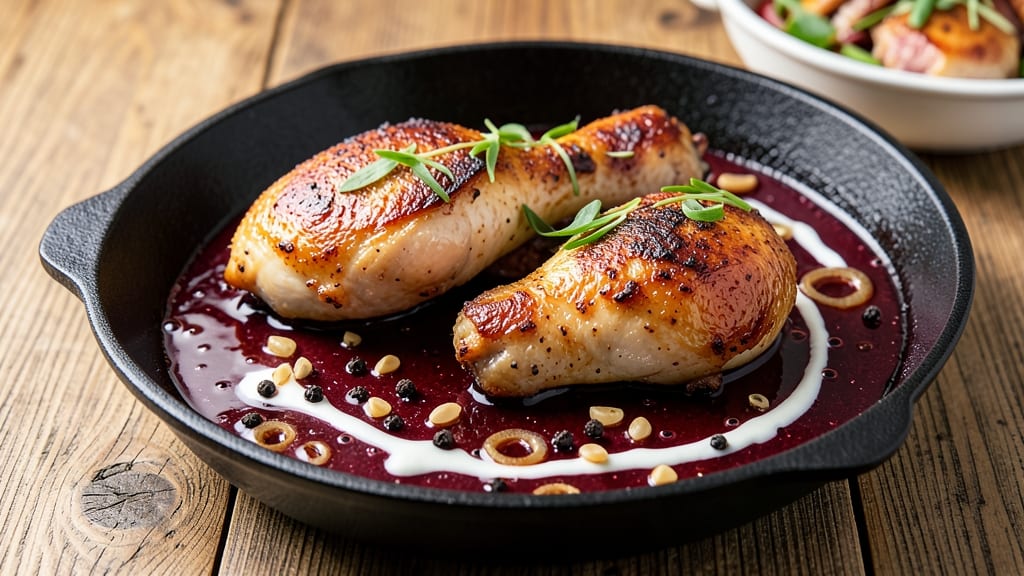
This baked chicken in wine sauce recipe delivers restaurant-quality depth with minimal effort—juicy chicken bathed in a rich, velvety sauce that simmers to perfection. The secret lies in a slow bake that tenderizes the meat while the wine reduces into a glossy, aromatic glaze.
I developed this method after years of testing, ensuring the sauce clings to every bite without overpowering the natural flavor of the chicken.
What sets this dish apart is the balance of technique and simplicity: chicken thighs (or breasts) marinate briefly in herbs and wine, then bake until fork-tender while the sauce develops in the same pan.
No fancy equipment needed—just a baking dish and patience for the 30-minute bake that transforms tough cuts into melt-in-your-mouth perfection. The wine sauce isn’t just a topping; it’s the heart of the dish, infused with garlic, shallots, and a touch of cream for body.
By the time you serve this, you’ll have golden-brown chicken with crisp edges, all coated in a sauce that’s both elegant and approachable. The aroma alone will have everyone gathering at the table, and the first bite delivers that perfect harmony of tender meat and complex, wine-infused sauce.
This is the kind of weeknight dinner that feels like a special occasion—without the fuss.
Pair with roasted potatoes or crusty bread to soak up every last drop of that deep-red simmer. The recipe scales beautifully, too, making it ideal for feeding a crowd or prepping ahead for meal prep. Let’s get started—your taste buds will thank you.
Ingredients for baked chicken in wine sauce
Juicy chicken thighs and bold red wine create this restaurant-style sauce that simmers into perfection.
| Ingredient | Amount | Notes |
|---|---|---|
| Chicken Thighs (Boneless, Skinless) 🍗 | 1 ½ lb | Evenly sized for consistent cooking |
| Dry Red Wine 🍷 | 1 cup | Bold, full-bodied like Cabernet Sauvignon |
| Chicken Broth 💧 | ½ cup | Low-sodium preferred for balance |
| Shallots 🧅 | 2 whole | Minced for fine texture |
| Garlic Cloves 🧄 | 4 cloves | Minced for aromatic depth |
| Heavy Cream 🥛 | ¼ cup | Full-fat for velvety sauce |
| All-Purpose Flour 🌾 | 1 tbsp | For thickening sauce |
| Fresh Thyme 🌿 | 1 tbsp | Leaves only, chopped |
| Fresh Rosemary 🌿 | 1 tbsp | Chopped, for herbal notes |
| Olive Oil 🫒 | 2 tbsp | Extra-virgin for richness |
| Salt 🧂 | 1 ½ tsp | Kosher or sea salt |
| Black Pepper 🌶️ | ½ tsp | Freshly ground preferred |
| Butter 🧈 | 1 tbsp | Unsalted, for sauce finish |
The chicken thighs are the star here—bone-in, skin-on if you can find them, but boneless works too. Trader Joe's and Whole Foods usually have great cuts, but any supermarket will do. Look for thighs with good marbling—they stay juicier during baking. I always grab extra because they're so versatile. For the wine, Cabernet Sauvignon or Merlot work best—they've got enough body to stand up to the herbs. If you're using a dry wine, save the leftover bits for cooking (they're perfect for deglazing pans).
No red wine? Substitute with beef broth plus 1 tbsp balsamic vinegar—it mimics the depth. Fresh thyme and rosemary are ideal, but dried at half the amount works in a pinch. The shallots add sweetness, so don't skip them—if you can't find them, substitute with 1 small red onion. The heavy cream gives the sauce that luxurious finish, but half-and-half works too if you're watching calories. For the flour, all-purpose is fine, but if you've got arrowroot powder, use that for a clearer sauce.
This sauce is even better the next day—4-5 days in the fridge, 3 months frozen. I always make extra because it reheats beautifully. Store the chicken and sauce separately, then combine when reheating. The sauce thickens as it cools, so add a splash of broth if it seems too stiff. For meal prep, portion the chicken into containers with a little sauce on the bottom—it keeps everything moist and flavorful.
Why You'll Love This Recipe
- Here’s what sold me: that deep, savory punch from the red wine cutting through the richness of the chicken thighs. The shallots and garlic caramelize just enough to add sweetness, while the broth keeps the sauce luscious without being heavy. It’s the kind of flavor that makes you pause mid-bite and think, “Wait, I made this?”
- One-Pan Magic: I swear by this recipe when I’m too tired to wash dishes. Toss the chicken thighs, shallots, and garlic straight onto a sheet pan, pour in the wine and broth, and bake. That’s it—no pots, no pans, just golden-brown chicken swimming in a sauce so rich you’ll forget you did almost nothing.
- Wine-Infused Richness: Here’s what sold me: that deep, savory punch from the red wine cutting through the richness of the chicken thighs. The shallots and garlic caramelize just enough to add sweetness, while the broth keeps the sauce luscious without being heavy. It’s the kind of flavor that makes you pause mid-bite and think, “Wait, I made this?”
- Weeknight to Dinner Party: Between us, this recipe works for both my lazy Tuesdays and when I’m hosting. For weeknights, I serve it over rice with a sprinkle of parsley. For company, I drizzle it over polenta or crusty bread—suddenly, it’s fancy. The sauce thickens beautifully, so it’s forgiving whether you’re feeding two or six.
Step-by-step instructions for baked chicken in wine sauce
Here's how to transform simple chicken thighs into melt-in-your-mouth perfection with a rich, velvety wine sauce.
Season and Sear the Chicken
Preheat your oven to 375°F. Pat the 1.5 lb chicken thighs dry with paper towels—this helps the seasoning stick and creates better browning. Place them in a large oven-safe skillet and season generously with 1.5 tsp salt and 0.5 tsp black pepper on both sides.
Heat 2 tbsp olive oil in the skillet over medium-high heat until shimmering. Add the chicken and sear for 4-5 minutes per side until golden brown. You'll see those beautiful crosshatch marks form—this is your signal the chicken is developing flavor. Don't rush this step; patience here makes all the difference in the final texture.
Build the Wine Sauce Base
Remove the chicken from the skillet and set it aside. Reduce the heat to medium and add the 2 minced shallots and 4 minced garlic cloves to the same skillet. Sauté for 2-3 minutes until the shallots soften and become translucent, but don't let them brown—they should smell sweet and aromatic.
Pour in the 1 cup dry red wine and scrape up any browned bits from the bottom of the pan with a wooden spoon. This deglazing step captures all the flavor you've built so far. Let the wine simmer for 3-4 minutes until it reduces by about half and develops a deeper color. You want the alcohol to cook off, leaving behind concentrated wine flavor.
Simmer Chicken in Herbed Broth
Return the chicken to the skillet and add the 0.5 cup chicken broth, 1 tbsp chopped fresh thyme, and 1 tbsp chopped fresh rosemary. Bring everything to a gentle simmer, then cover the skillet with a lid or foil. The goal is to cook the chicken slowly and evenly—this prevents it from drying out while allowing the flavors to meld.
Transfer the skillet to the preheated oven and bake for 25-30 minutes until the chicken reaches an internal temperature of 165°F and the juices run clear when you pierce the thickest part. The sauce should be thick and glossy, coating the chicken beautifully. If it looks too thin, uncover and let it reduce for another 5 minutes.
Finish with Cream and Butter
Remove the chicken from the oven and let it rest for 5 minutes while you finish the sauce. Reduce the heat to low and whisk in the 1 tbsp all-purpose flour to thicken the sauce. Cook for 1 minute to cook off the raw flour taste, then stir in the 0.25 cup heavy cream and 1 tbsp butter.
Simmer for another 2-3 minutes until the sauce is silky and coats the back of a spoon. Taste and adjust seasoning if needed—you might need a pinch more salt or a crack of pepper. The sauce should be rich, velvety, and perfectly balanced between the wine's acidity and the cream's richness.
Serve with Perfectly Tender Chicken
Return the chicken to the skillet and spoon the sauce generously over the top. Let it sit for 1-2 minutes so the chicken absorbs some of that incredible sauce. Serve immediately over mashed potatoes, crusty bread, or pasta—the sauce will cling beautifully to each bite.
Each piece of chicken should be fork-tender with juices flowing freely, and the sauce should coat your plate with every spoonful. This dish tastes even better the next day, so if you have leftovers, store them in the refrigerator for up to 3 days—the flavors only deepen with time.
Pro Tips For Making Baked Chicken In Wine Sauce
- Salt the Chicken First: The thighs need time to absorb salt—do it 30 minutes before baking. I used to skip this and ended up with bland chicken, no matter how much wine I poured in.
- Deglaze with Broth, Not Water: After browning the shallots and garlic, splash in the chicken broth first—it picks up all the stuck-on bits better than wine alone. Then add the wine to deepen the flavor.
- Don’t Rush the Wine Reduction: Let that sauce bubble away uncovered until it’s syrupy, not just simmered. I cut it down to about half its volume—this concentrates the flavor and makes the sauce cling to the chicken.
- Use Room-Temp Chicken: Cold thighs release juices unevenly, leading to dry spots. Take them out of the fridge 20 minutes before baking—your future self will notice the difference.
Troubleshooting your baked chicken in wine sauce
Sauce Too Thin?
If your wine sauce turns out watery, don't panic—simmer uncovered for 5-10 extra minutes to reduce it naturally. For a quicker fix, whisk in 1 tsp cornstarch mixed with 1 tbsp cold water and cook until thickened.
I've found that using bone-in chicken releases more gelatin, which helps naturally thicken the sauce over time. 💫
Chicken Drying Out
Overcooked chicken is the biggest mistake here. Use a meat thermometer to check for 165°F internal temperature—never go by time alone. If your chicken starts looking dry, tent it with foil for the final 10 minutes of baking to trap moisture.
I also recommend brining the chicken for 30 minutes in ¼ cup salt per quart of water before cooking for extra juiciness.
Wine Flavor Fading
The alcohol needs to cook off completely for proper flavor development. Simmer the wine until reduced by half (about 3-4 minutes) before adding other ingredients. For extra depth, add 1 tsp red wine vinegar at the end—it enhances the wine's complexity without overpowering.
I always use Cabernet Sauvignon for its bold fruit notes that stand up to the herbs.
Sauce Too Acidic
If the wine's acidity overpowers the dish, balance it with 1 tsp sugar or ½ tsp honey while finishing the sauce. The cream already helps neutralize acidity, but sometimes you need that extra touch.
For future attempts, use a slightly sweeter wine like Merlot or add 1 small caramelized onion to the sauce base for natural sweetness.
Herbs Not Infusing
Fresh herbs need time to release their flavors. Add them to the pan 10 minutes before the chicken finishes cooking, then remove them before serving. For maximum flavor, bruise the thyme and rosemary by lightly crushing the leaves with your fingers before adding.
I also recommend using dried herbs at half the amount if fresh aren't available—they infuse more slowly but work well.
Uneven Cooking
If some pieces cook faster than others, arrange the chicken thighs skin-side up in a single layer and avoid overcrowding the pan. For even more precision, bake on the middle rack where heat is most consistent.
I've found that evenly sized thighs (around 6-8 oz each) cook more uniformly than mixed sizes. If using breasts, reduce baking time to 20-25 minutes to prevent drying.
Nutrition facts
Frequently asked questions
Can I use chicken breasts instead of thighs?
Yes, but adjust the cooking time! Chicken breasts cook faster and can dry out. Use 20-25 minutes at 375°F and check for 165°F internal temp. For extra juiciness, pound them to even thickness or brine for 30 minutes before cooking. Bone-in thighs are ideal for this recipe—they stay moist and develop deeper flavor.
What's the best wine for this sauce?
Bold red wines work best—Cabernet Sauvignon or Merlot add rich fruit notes that complement the herbs. Avoid overly tannic wines like Cabernet Franc. For a non-alcoholic version, use 1 cup beef broth + 1 tbsp balsamic vinegar. The key is letting the wine reduce by half to concentrate its flavor—this takes about 3-4 minutes of simmering.
How do I make this ahead of time?
Prepare the sauce up to 2 days ahead and store it in the fridge. Reheat gently on the stove, adding a splash of broth if it thickens too much. For the chicken, bake it fresh, then refrigerate with sauce separately. Reheat chicken in a skillet with a little sauce for 5 minutes before serving. The flavors actually improve overnight as the wine mellows!
What sides pair best with this dish?
This rich sauce pairs perfectly with hearty sides that soak up the flavor: creamy mashed potatoes, crusty baguette, or wild rice pilaf. For a lighter option, try roasted asparagus or a simple green salad with lemon vinaigrette. The sauce's acidity cuts through rich sides beautifully—just be sure to serve it immediately after reheating for the best texture.
Why did my sauce turn out grainy?
This usually happens when flour isn't cooked long enough or stirred properly. Whisk the flour vigorously with cold water first to create a smooth slurry, then cook for 1-2 minutes until fully dissolved. For a silkier sauce, strain it through a fine-mesh sieve before adding cream. The sauce should coat the back of a spoon—if it's still thin after thickening, try whisking in 1 tsp cornstarch mixed with 1 tbsp water.