
Sauces & Condiments
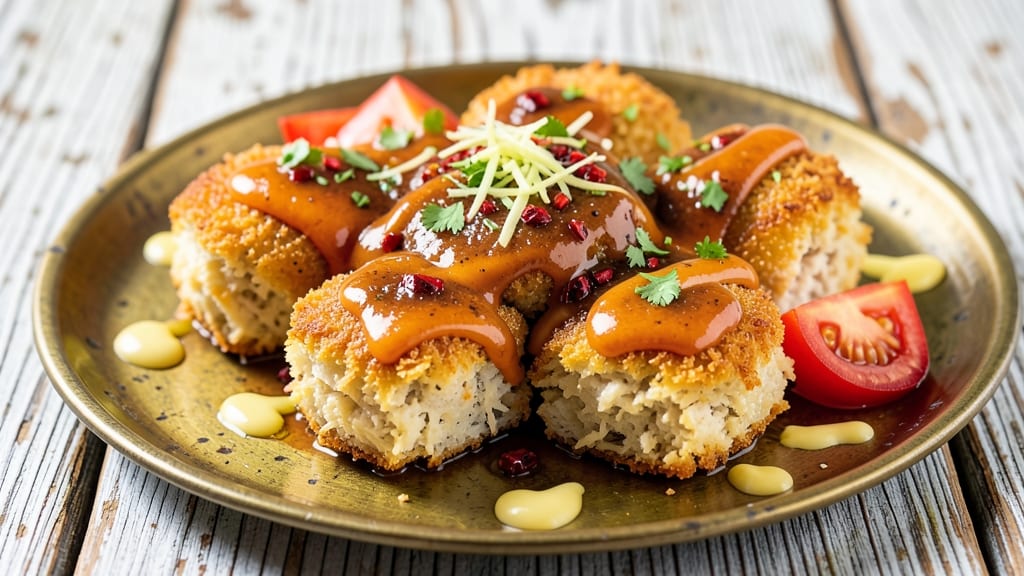
This Bajan fish cakes sauce recipe transforms ordinary bites into a symphony of tangy, spicy, and smoky flavors that define Caribbean soul food. The magic lies in tamarind paste and Scotch bonnet peppers, which create a balance between sweet, sour, and fiery heat that clings perfectly to crispy fish cakes.
I developed this sauce after years of perfecting the right blend of tomato paste, mustard, and vinegar to cut through the richness while enhancing every bite.
The sauce begins with a simple simmer of aromatic vegetables and spices, then blends into a velvety, slightly chunky consistency that coats fish cakes beautifully. What makes this recipe special is its versatility—it works equally well as a dipping sauce, topping, or even a marinade for extra flavor infusion.
The key is achieving that perfect harmony of sweetness from tamarind, acidity from vinegar, and heat from Scotch bonnet without overpowering the delicate fish flavor.
What you'll end up with is a sauce that's rich yet balanced, with a glossy sheen that makes every bite irresistible. The tamarind adds depth, the mustard brings tang, and the Scotch bonnet delivers that signature Caribbean kick that lingers just enough to satisfy.
This isn't just a sauce—it's the secret weapon that turns simple fish cakes into a restaurant-worthy experience.
Best of all, this sauce keeps beautifully in the refrigerator for up to a week, allowing you to make a big batch and enjoy it throughout the week.
Whether you're serving it with traditional fish cakes or using it as a marinade for grilled meats, this sauce will elevate any dish with authentic Bajan flavor. Let's get started on creating this flavor-packed companion to your favorite Caribbean bites.
Ingredients for bajan fish cakes sauce
Sweet tamarind, fiery Scotch bonnet, and tangy vinegar—this sauce transforms simple fish cakes into Caribbean magic.
| Ingredient | Amount | Notes |
|---|---|---|
| Tamarind Paste 🍈 | ½ cup | Unadulterated, block form preferred |
| Scotch Bonnet Peppers 🌶️ | 2 whole | Seeds removed for less heat |
| Tomato Paste 🍅 | ¼ cup | High-quality, no sugar added |
| Yellow Mustard 🟡 | 2 tbsp | Dijon works too |
| Apple Cider Vinegar 🍎 | ¼ cup | For authentic tang |
| Fresh Ginger Root 🌿 | 2 tbsp | Grated, fresh is best |
| Garlic Cloves 🧄 | 3 cloves | Minced for smooth texture |
| Onion 🧅 | ½ whole | Yellow, finely diced |
| Olive Oil 🫒 | ¼ cup | Extra-virgin for richness |
| Salt 🧂 | 1 tsp | Adjust to taste |
| Black Pepper 🌶️ | ½ tsp | Freshly ground |
| Ground Allspice 🌶️ | ½ tsp | Key Caribbean spice |
| Thyme Leaves 🌿 | 1 tbsp | Fresh, chopped fine |
| Water 💧 | ½ cup | For thinning consistency |
Tamarind paste is the heart of this sauce, so look for block form at Caribbean markets or specialty stores—the powdered stuff lacks depth. For Scotch bonnet peppers, Walmart's Caribbean section or online retailers like Amazon carry them fresh or jarred. Fresh ginger and thyme are non-negotiable here—they bring that bright, aromatic punch. If you can't find tamarind blocks, substitute 2 tbsp tamarind pulp concentrate, but it won't be as rich. The tomato paste should be San Marzano if possible—it's sweeter and smoother than regular brands.
No Scotch bonnet? Habanero at half the amount works in a pinch, but expect more heat. Mustard powder can replace fresh mustard at the same ratio. For a milder sauce, reduce the Scotch bonnet to 1 pepper and add 1 tbsp honey. The vinegar is crucial—apple cider vinegar gives the best flavor, but white vinegar works if that's all you have. If your sauce is too thick, add water 1 tbsp at a time until it reaches that perfect glossy consistency. For extra depth, toast the allspice seeds whole before grinding—it adds a smoky note that's pure Caribbean soul.
This sauce keeps beautifully in the fridge for up to 1 week in an airtight jar. The flavors actually improve as it sits, so make a big batch. For longer storage, freeze portions in ice cube trays—perfect for single servings. If it thickens in the fridge, just whisk in a splash of water before using. The sauce reheats perfectly on the stovetop or in the microwave, making it ideal for meal prep. Double the recipe if you're serving a crowd—it disappears fast!
Why You'll Love This Recipe
- Pantry Magic: Honestly, I swear by this sauce because it uses things I already have—tamarind paste, tomato paste, even that bottle of apple cider vinegar gathering dust. No last-minute grocery runs, just open, mix, and boom—flavor explosion.
- Scorch-Worthy Heat: That Scotch bonnet and yellow mustard combo? It’s the kind of heat that lingers but doesn’t overpower—more like a warm hug with a little kick. Perfect for when you want bold but not spicy enough to send you for milk.
- Sauce for Everything: Between us, this stuff elevates anything. Slather it on fish cakes, drizzle it over grilled chicken, or even toss it into rice—it’s my secret weapon for turning simple meals into something special. (Yes, even on a Tuesday night.)
Step-by-step instructions for Bajan fish cakes sauce
This sauce delivers the perfect balance of sweet, tangy, and fiery flavors that elevate fish cakes.
Prepare the Tamarind and Vinegar Base
In a medium saucepan, combine the 0.5 cup tamarind paste and 0.25 cup apple cider vinegar. I like to use a block of tamarind paste for the most authentic texture—it dissolves better than powdered versions. Warm the mixture over medium-low heat for 5 minutes, stirring constantly until the tamarind fully dissolves and the sauce becomes smooth.
Here's the thing—tamarind has a naturally thick consistency, so don't rush this step. You're looking for a completely homogeneous mixture without any graininess. If you notice any lumps, strain the mixture through a fine-mesh sieve to ensure a silky texture for your sauce.
Build the Flavor Foundation
Add the 0.25 cup tomato paste, 2 tbsp yellow mustard, and 2 tbsp fresh ginger root to the saucepan. Stir well to combine, then increase the heat to medium. Let the mixture simmer for 8-10 minutes until it thickens slightly and the raw taste of ginger disappears.
This is where the magic happens. The tomato paste adds depth, the mustard brings tanginess, and the ginger infuses that warm, spicy kick. You'll notice the mixture darkens as it cooks—this is normal and actually enhances the sauce's complexity. Keep stirring occasionally to prevent sticking.
Incorporate Aromatics and Spices
In a separate small skillet, heat 2 tablespoons of the olive oil over medium heat. Add the 0.5 whole onion (finely diced) and cook for 3-4 minutes until softened. Add the 3 cloves garlic cloves (minced) and cook for another 30 seconds until fragrant.
Carefully transfer this aromatic mixture to the saucepan with the tamarind base. Add the 1 tsp salt, 0.5 tsp black pepper, 0.5 tsp ground allspice, and 1 tbsp thyme leaves. Stir everything together and let the sauce simmer for 5 minutes to allow the spices to bloom and meld with the other flavors.
Add Heat and Finish the Sauce
Carefully remove the seeds from the 2 whole Scotch bonnet peppers—this reduces the heat while keeping that signature Caribbean fire. Finely chop the peppers and add them to the saucepan. Stir in the remaining 0.25 cup olive oil and the 0.5 cup water to thin the sauce to your desired consistency.
Simmer the sauce for 10-12 minutes over low heat, stirring occasionally. The Scotch bonnet peppers will infuse their heat into the sauce, but removing the seeds first gives you control over the level of spiciness. Taste the sauce and adjust the seasoning if needed—you might want to add a pinch more salt or a splash more vinegar for balance.
Cool and Store for Maximum Flavor
Remove the sauce from heat and let it cool completely. I find that letting the sauce sit for 30 minutes at room temperature allows all the flavors to develop fully. Once cooled, transfer it to a clean jar and store it in the refrigerator for up to 2 weeks or freeze it for up to 3 months.
This sauce is incredibly versatile—use it as a dip for your fish cakes, a marinade, or even a glaze for grilled meats. The flavors only get better with time, so don't be afraid to make extra. When you're ready to use it, simply reheat it gently over low heat, stirring occasionally until warmed through. The result is a rich, complex sauce that perfectly complements Bajan fish cakes.
Pro Tips For Making Bajan Fish Cakes Sauce
- Bloom the Tamarind: Whisk it into warm water first—about 2 tablespoons per 1 tablespoon paste—until it dissolves completely. Cold water makes it clump like glue, and you’ll end up with a sauce that’s thick in spots and watery in others. Trust me, this step saves you from scraping the pot later.
- Toast the Tomato Paste: Heat the tomato paste in the pot for 30 seconds before adding anything else. That short burst of heat deepens its flavor and prevents the sauce from tasting raw or metallic. I used to skip it, and the sauce never had that rich, caramelized kick.
- Seed the Scotch Bonnets: Cut a slit in the pepper, not just the top—then scrape out the seeds and membranes with a spoon. Whole seeds turn your sauce into a one-pepper fire drill, and you’ll regret it when you’re pouring it over perfectly good fish cakes. (Yes, even if you love heat.)
- Balance the Mustard: Start with half the mustard called for, taste, then add the rest. Yellow mustard can overpower the tamarind’s tang if you dump it all in at once. I’ve ruined a batch by being overzealous—now I play it safe and adjust. The sauce should sing, not scream.
Pro cooking tips for great bajan fish cakes sauce
Tamarind Paste Mastery
Tamarind paste is the soul of this sauce, so I can't stress enough how important it is to use the right kind. Block tamarind paste from Caribbean markets or specialty stores dissolves beautifully and gives that authentic depth. If you're using powdered tamarind, expect a thinner, less complex sauce.
For best results, soak the block in warm water for 10 minutes before scraping out the pulp—this helps remove any grit and makes it easier to dissolve. 🌿
Scotch Bonnet Heat Control
Working with Scotch bonnet peppers requires caution—they're 100,000-350,000 Scoville units of pure Caribbean fire! Always wear gloves when handling them, and never touch your face afterward. The trick to balancing heat is removing the seeds and membranes first, then finely chopping the peppers.
For a milder sauce, reduce to 1 pepper and add 1 tbsp honey to the final mixture. Trust me, you'll thank yourself later when the sauce isn't too overwhelming.
Simmering Secrets
Low and slow is key when simmering this sauce—medium-low heat prevents burning while allowing flavors to meld. I like to simmer for 15-20 minutes total after adding all ingredients, stirring every 3-4 minutes to prevent sticking.
If the sauce starts looking too thick, add water 1 tbsp at a time until you reach that perfect glossy consistency. The sauce will thicken more as it cools, so don't worry about getting it perfect right away.
Spice Blooming Technique
When adding the allspice, thyme, and ground pepper, let them bloom for 5 minutes before stirring into the main sauce. This step unlocks their full aromatic potential.
For extra depth, lightly toast the whole allspice seeds in a dry skillet for 30 seconds before grinding—this adds a smoky dimension that takes the sauce to the next level. Fresh thyme is non-negotiable here; dried thyme won't give you that bright, fresh flavor.
Consistency Adjustments
This sauce should be smooth but slightly chunky, with a glossy sheen that clings beautifully to fish cakes. If it's too thick after simmering, add water 1 tbsp at a time while stirring constantly.
For a smoother texture, blend the cooled sauce for 10-15 seconds—just enough to break up any visible chunks while keeping some texture. The perfect consistency should coat the back of a spoon without being watery. 💫
Storage and Reheating
Transfer the cooled sauce to an airtight glass jar and refrigerate for up to 2 weeks. The flavors actually improve as it sits, so don't be afraid to make extra. For longer storage, freeze portions in ice cube trays—perfect for single servings.
To reheat, warm on the stovetop over low heat for 3-5 minutes, stirring occasionally. Microwave reheating works too, but it can make the sauce watery, so use 30-second intervals on medium power until warmed through.
Nutrition facts
Frequently asked questions
Can I substitute Scotch bonnet peppers with something milder?
Yes! For a milder kick, use 1 habanero pepper (seeds removed) instead of 2 Scotch bonnets. If you want even less heat, try ½ tsp cayenne pepper or 1 tsp smoked paprika—just add it with the other spices during the blooming step. Remember, the sauce's tanginess will still shine through.
How do I adjust the sauce if it's too thick or too thin?
For a thicker sauce, simmer uncovered for 2-3 extra minutes to reduce. If it's too thin, stir in 1 tbsp tomato paste or 1 tsp cornstarch mixed with 1 tsp water. The ideal consistency should coat the back of a spoon but still be pourable. Adjust gradually—you can always thin it further with water if needed.
Can I make this sauce without tamarind paste?
For a tamarind-free version, substitute with ¼ cup lime juice plus 2 tbsp brown sugar to mimic the sweet-tart balance. Alternatively, use 3 tbsp date syrup or 2 tbsp molasses for depth. The sauce will taste different but still pack Caribbean flavor—just expect a slightly less complex profile.
How long can I store this sauce, and does it get better over time?
The sauce keeps in the fridge for 2 weeks in an airtight jar, and yes—it actually improves! The flavors meld and deepen, making it even more delicious after 3-4 days. For longer storage, freeze in ice cube trays for single servings. Thaw overnight in the fridge before using.
What are the best ways to use this sauce beyond dipping fish cakes?
This versatile sauce works as a marinade for grilled chicken or shrimp, a glaze for roasted veggies, or even a dressing for salads. Try brushing it on grilled plantains or drizzling over congee for a Caribbean twist. For extra richness, stir a spoonful into peanut butter to make a spicy dipping sauce!