
Sauces & Condiments
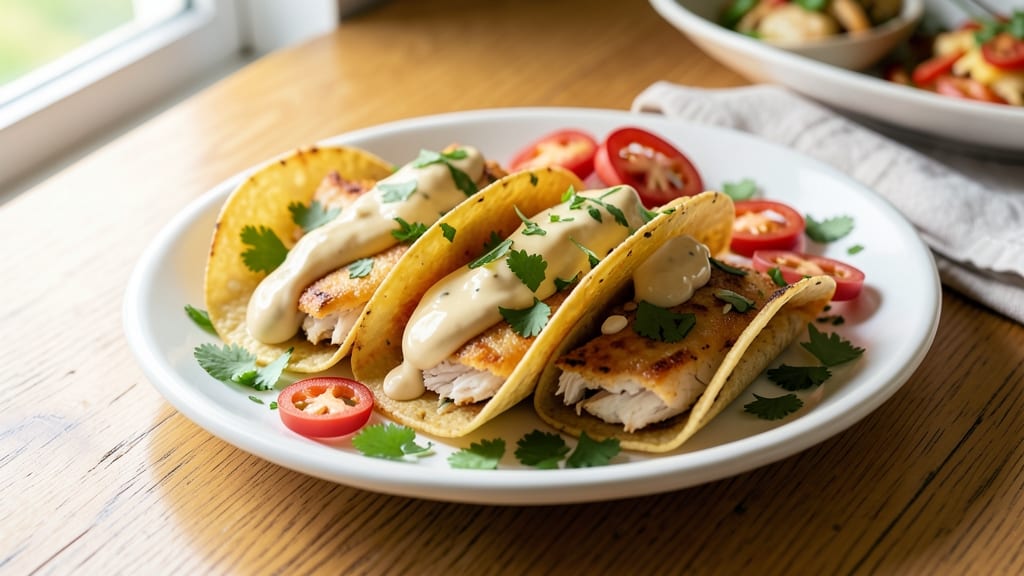
This Baja fresh fish taco sauce recipe delivers the zesty, creamy magic that makes every bite unforgettable—bright lime, fresh cilantro, and a velvety texture that clings perfectly to crispy fish.
The secret lies in balancing acidity with richness, creating a sauce that’s tangy yet smooth, with just enough heat to echo the coastal flavors of Baja. What sets this apart is the 15-minute prep time and the way it transforms ordinary tacos into something restaurant-worthy.
The foundation starts with a simple blend of mayo, sour cream, and lime juice, which creates the creamy base. Then comes the freshness—cilantro, garlic, and a touch of jalapeño for that signature kick.
The sauce needs to rest for 10 minutes (don’t skip this!), allowing the flavors to meld and the texture to thicken just enough for that ideal consistency. It’s the kind of sauce that elevates every component—crispy fish, warm tortillas, and fresh toppings—into a cohesive, vibrant dish.
What you’ll end up with is a sauce that’s creamy yet light, with a bright, citrusy finish that cuts through the richness of fried fish. The lime keeps it fresh, the cilantro adds aromatic depth, and the jalapeño delivers a subtle heat that lingers just right.
This isn’t just a sauce; it’s the heart of your taco experience, turning a simple meal into something truly special.
Best of all, this sauce keeps beautifully in the fridge for up to 5 days, making it perfect for meal prep. Double the batch—you’ll want it on hand for every taco night. Let’s make it!
Ingredients for baja fresh fish taco sauce
Bright lime, creamy mayo, and zesty cilantro—this sauce is all about balancing bold flavors in 15 minutes.
| Ingredient | Amount | Notes |
|---|---|---|
| Mayonnaise 🥫 | ½ cup | High-quality, full-fat preferred |
| Sour Cream 🧀 | ½ cup | Full-fat for best creaminess |
| Fresh Lime Juice 🍋 | ⅓ cup | About 2-3 limes, freshly squeezed |
| Fresh Cilantro Leaves 🌿 | ½ cup | Stems removed, loosely packed |
| Garlic Cloves 🧄 | 3 cloves | Peeled, roughly chopped |
| Jalapeño Pepper 🌶️ | 1 whole | Seeds removed for mild heat |
| Extra-Virgin Olive Oil 🫒 | 1 tbsp | For richness and balance |
| Salt 🧂 | ½ tsp | Kosher or sea salt preferred |
| Black Pepper 🌶️ | ¼ tsp | Freshly ground for best flavor |
The mayo and sour cream are your creamy base—full-fat versions give the best texture, so don’t skimp. Grab Hellmann’s or Duke’s if you want reliable brands, but any quality mayo works. Fresh lime juice is non-negotiable here; bottled just won’t cut it. Mexican limes (like Key limes) have more punch, but regular limes work too. For the cilantro, farmers markets often have fresher, more aromatic bunches than grocery stores. If you’re worried about bitterness, taste it first—you can always add more lime to balance.
No fresh jalapeño? Pickled jalapeños at half the amount add tang but keep the heat. Short on cilantro? Fresh parsley or basil can stretch it, but reduce to 0.25 cup. The garlic can be roasted for a sweeter flavor—just wrap the cloves in foil and microwave for 30 seconds. If you’re sensitive to heat, remove all seeds from the jalapeño. For extra richness, add 1 tbsp of Greek yogurt to the mix, but it’ll make the sauce slightly tangier.
This sauce keeps beautifully for 5 days in the fridge, sealed in an airtight container. The flavors actually improve after resting, so make it a day ahead if you can. For meal prep, portion into small jars—it’s perfect for taco nights, fish bowls, or even as a dip. Freezes for 3 months, though the texture might separate slightly. Just give it a quick whisk when you’re ready to use it.
Why You'll Love This Recipe
- Five-Ingredient Magic: This sauce comes together with stuff you already have—no fancy shopping required. I’ll be real: the only measuring I do is eyeballing the lime juice, and somehow it always hits the spot.
- Garlic-Kissed Zing: That raw garlic and lime juice combo? It’s like a bright, fresh hug for your taste buds. The mayo and sour cream smooth out the punch, but the cilantro keeps it bright and alive—no dull moments here.
- Taco Night Every Night: Slather it on fish tacos, drizzle it over grilled shrimp, or even toss it with cold cut veggies for a quick lunch. Honestly, I’ve used it on everything from breakfast burritos to charro beans, and it never lets me down.
- Leftovers That Don’t Suck: This sauce keeps for days in the fridge, and it actually improves over time. The flavors meld together, getting richer and more complex—perfect for when you’re too tired to make fresh but still want that Baja vibe.
Step-by-step instructions for creamy lime-cilantro fish taco sauce
This sauce comes together faster than you can say "taco Tuesday" and delivers that signature Baja creaminess.
Blend the Base Ingredients
In a food processor or blender, combine the 0.5 cup mayonnaise, 0.5 cup sour cream, and 0.33 cup fresh lime juice. Pulse until completely smooth—this ensures no lumps in your final sauce. The mixture should look like thick, pale yellow custard at this stage.
Here's the thing—don't skip blending these first. The lime juice needs to fully incorporate with the dairy to create that signature tangy creaminess. If you're using a blender, give it 10-15 seconds at high speed to break everything down completely. You'll know it's ready when the mixture looks uniform with no visible streaks of lime.
Add Aromatics and Pulse
Add the 3 cloves garlic, 1 whole jalapeño pepper (seeds removed for mild heat), 0.5 cup fresh cilantro leaves, and 1 tbsp extra-virgin olive oil to the blender. Pulse 5-6 times until everything is finely chopped but still blended—not pureed. You want texture, not a completely smooth sauce.
I like to add the jalapeño first, then pulse a few times before adding the garlic. This helps distribute the heat evenly. After each pulse, stop and scrape down the sides to ensure even blending. The sauce should look like a chunky, vibrant green sauce with visible flecks of jalapeño and cilantro. This texture is what makes the sauce so special—it adds freshness with every bite.
Season and Taste
Transfer the sauce to a bowl and stir in the 0.5 tsp salt and 0.25 tsp black pepper. Taste immediately—this is your quality control moment. The sauce should be creamy, tangy, and just slightly spicy. If it needs more heat, add a pinch of extra jalapeño seeds or a dash of hot sauce. If it needs more brightness, add another 1 tablespoon of lime juice.
Real talk: the first taste might make you think it needs more seasoning, but remember—this sauce will be paired with other flavors. Let it sit for 5 minutes before making final adjustments. The flavors will meld and you'll get a more accurate sense of what it needs. Trust your palate, but don't over-season—you can always adjust when serving.
Chill and Serve
Cover the bowl and refrigerate for at least 30 minutes before serving. This chilling time allows the flavors to fully develop and the sauce to thicken slightly. When you're ready to serve, give it a quick stir—this helps distribute any settled ingredients and brings back that perfect creamy consistency.
The sauce will keep in the fridge for up to 5 days, making it perfect for meal prep. If it thickens too much, simply whisk in 1-2 teaspoons of milk or water to loosen it. This sauce works equally well on fish tacos, shrimp tacos, or even as a dip for tortilla chips. The key is to serve it cold—it's at its best straight from the fridge.
Pro Tips For Making Baja Fresh Fish Taco Sauce
- Pulse the Garlic: Use a food processor or mini-chopper for this—don’t smash it with a knife. I tried mincing garlic by hand once, and the sauce ended up with uneven, bitter chunks that fought for space. A quick pulse until it’s just broken down keeps the texture smooth and the flavor even.
- Chill the Sour Cream: Pull the sour cream straight from the fridge—no exceptions. I learned this the hard way when I used room-temp sour cream, and the sauce separated like a sad salad dressing. Cold sour cream blends better and keeps the sauce creamy, not greasy.
- Strain the Cilantro: Run the chopped cilantro through a fine-mesh sieve or cheesecloth to remove stems and any grit. I was lazy once and left them in, and the texture was rough—like biting into a leaf mid-bite. It’s a 10-second step that makes a real difference.
- Balance the Lime Gradually: Add lime juice in small increments—start with half the recipe’s amount, taste, then adjust. I’ve ruined batches by dumping all the juice in at once, turning the sauce into a pucker-inducing lemonade. The goal is brightness, not a face full of citrus.
Regional styles of this baja fresh fish taco sauce
Baja Coastal Roots
The sauce we’re making today is deeply rooted in Baja California’s coastal cuisine, where fresh seafood meets bright citrus and bold spices. In Baja, this creamy lime-cilantro sauce is often called "salsa verde cremosa"—a staple in beachside restaurants like Tacos El Yaqui in Ensenada.
The original version relies on avocado for creaminess, but this mayo-based adaptation keeps it lighter and easier to make at home. Locals often add a splash of horchata or Mexican beer to balance the acidity, but we’re keeping it classic here. 🌊
Tijuana Taco Stand Twist
If you’ve ever eaten at a Tijuana-style fish taco stand, you know the sauce is often thinner and more vibrant—almost like a cross between a crema and a pico de gallo.
For this version, I’ve adjusted the texture by blending the cilantro and jalapeño more finely while keeping the sauce chunky enough to hold up to crispy fish.
In Tijuana, they often add a pinch of ground cumin or smoked paprika to the sauce for depth, but I’ve kept it simple to highlight the fresh ingredients. The key is the lime-to-mayo ratio—too much lime and it’s tart, too little and it’s bland. 🌶️
Ensenada’s Avocado Adaptation
For a richer, more traditional Baja touch, swap half the mayo (about 0.25 cup) for ripe avocado in the blender. This creates a guacamole-inspired sauce that’s even creamier and packed with healthy fats. The avocado also adds a subtle buttery note that complements the lime beautifully.
If you try this, reduce the lime juice to 0.25 cup to balance the flavors. This version is a favorite at La Guerrerense in Ensenada, where they serve it with grilled snapper and handmade corn tortillas. 🥑
San Diego’s Fusion Approach
In San Diego, where Baja flavors meet West Coast creativity, you’ll find sauces infused with local ingredients like avocado oil or even a splash of white wine.
For a modern twist, replace the olive oil with 1 tbsp avocado oil and add 1 tsp white wine vinegar for a brighter, more complex flavor. This version pairs perfectly with grilled halibut or shrimp tacos.
The city’s Mexican restaurants, like Juniper & Ivy, often serve this sauce with a chili-lime rub on the fish—worth trying if you’re feeling adventurous! 🍷
Yucatán Citrus Boost
For a tangier, more aromatic take, add 1 tbsp freshly squeezed orange juice and 1 tsp ground annatto seeds (achiote) to the blender. This Yucatán-inspired version brings a deeper, earthier flavor that’s still bright and creamy. The annatto gives it a beautiful golden hue and adds a subtle smokiness.
It’s a nod to the Yucatán Peninsula’s love of citrus and spices, but it works beautifully with Baja-style fish tacos. If you can’t find annatto, a pinch of turmeric will mimic the color (though not the flavor). 🍊
Vegetarian Vibe
This sauce isn’t just for fish tacos—it’s amazing on veggie tacos too! Swap the fish for grilled portobello mushrooms, black beans, or crispy cauliflower. The creamy lime-cilantro sauce balances the earthiness of mushrooms or the heartiness of beans perfectly.
For extra richness, stir in 2 tbsp Greek yogurt before serving. It’s a vegan-friendly option if you use vegan mayo and sour cream, and it’s a game-changer for tostadas or quesadillas. 🌱
Nutrition facts
Frequently asked questions
Can I make this sauce without a food processor?
If you don't have a food processor, use a high-powered blender or even a mortar and pestle for the garlic and jalapeño. For the creamy base, whisk the mayo, sour cream, and lime juice in a bowl until fully combined, then use a fork to mash the blended aromatics into the mixture. The texture will be slightly chunkier but still delicious.
How do I adjust the heat level in this sauce?
For milder heat, remove all seeds and membranes from the jalapeño before blending. For extra spice, add 1/4 teaspoon of red pepper flakes or 1 teaspoon of hot sauce after blending. You can also add a pinch of cayenne powder if you want a smoother heat. Always taste as you go!
Why does my sauce look too thin or too thick?
If the sauce is too thin, blend in 1 tablespoon of sour cream or let it rest in the fridge for 30 minutes to thicken naturally. For a thicker sauce, add 1 teaspoon of cornstarch mixed with 1 tablespoon water and blend again. The ideal consistency should be creamy but still coat the back of a spoon smoothly.
Can I use Greek yogurt instead of sour cream?
Yes! Replace the sour cream with 1/2 cup plain Greek yogurt for a lighter, tangier sauce. You may need to add 1 extra tablespoon of lime juice to balance the flavors. Greek yogurt adds a nice protein boost and works especially well in vegan versions when paired with dairy-free mayo.
How long can I store this sauce, and can I freeze it?
The sauce keeps for 5 days in an airtight container in the fridge. For freezing, portion into ice cube trays or small containers, leaving 1/2-inch headspace to prevent expansion cracks. Thaw overnight in the fridge and whisk to restore smoothness. The texture may separate slightly after freezing, but a quick blend brings it back together.