
Sauces & Condiments
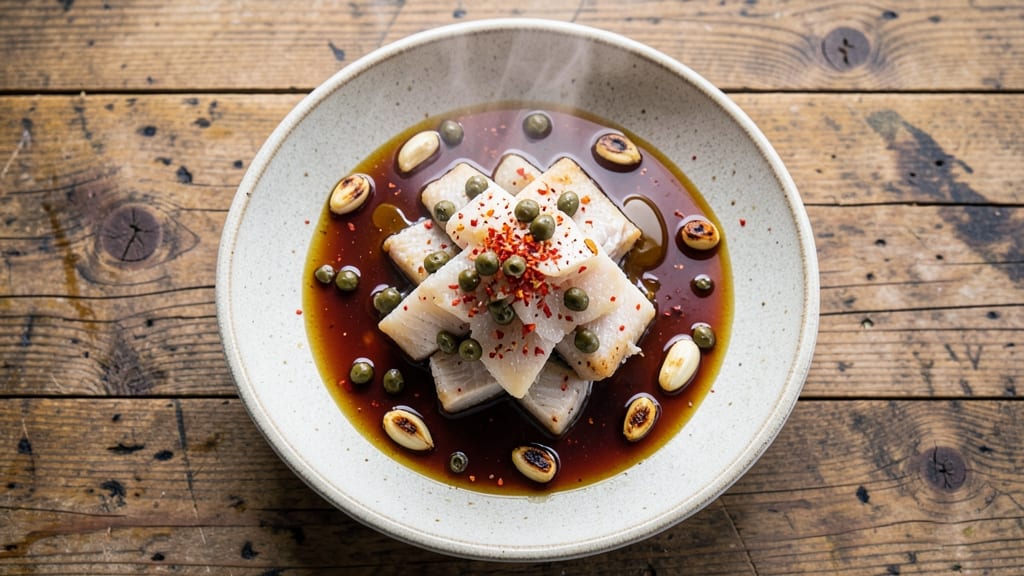
This baccala sauce recipe transforms salted cod into a rich, garlicky condiment that elevates Mediterranean dishes with its bold, briny depth.
The process begins with soaking and peeling the fermented fish—a step that demands patience but yields a sauce so versatile it works as a pasta drizzle, bread dip, or fish companion.
What makes this sauce special is its emulsified texture, where olive oil and vinegar create a silky base that clings to every bite.
The foundation of great baccala sauce lies in balancing the fish’s saltiness with garlic, chili, and a touch of sweetness—often from capers or olives. Unlike other fish sauces, this one develops complexity as it simmers, absorbing flavors while maintaining its signature umami punch.
The key technique is slow reduction, which concentrates the sauce into a thick, spreadable paste or a thinner, drizzling consistency, depending on your preference.
By the end, you’ll have a sauce that’s restaurant-quality—intensely flavorful yet refined enough for everyday cooking. It pairs perfectly with grilled fish, crusty bread, or tossed with pasta, adding a briny, garlicky kick that transforms simple meals into something extraordinary.
The best part? It keeps well in the fridge for weeks, making it a pantry staple for pescatarian dishes.
This recipe isn’t just about the sauce itself—it’s about the tradition behind it. Used for centuries in Italian and Mediterranean cuisine, baccala sauce turns humble salted cod into a flavor powerhouse.
Whether you’re serving it as a condiment or a standalone dish, its bold character will leave a lasting impression. Let’s get started on creating this timeless sauce.
Ingredients for baccala sauce
This Mediterranean sauce transforms humble salted cod into a restaurant-quality condiment with bold, briny depth.
| Ingredient | Amount | Notes |
|---|---|---|
| Salted Cod (Baccala) 🐟 | 12 oz | Freshly soaked and peeled |
| Extra-Virgin Olive Oil 🫒 | 1 cup | High-quality, fruity variety |
| White Wine Vinegar 🍷 | ½ cup | Dry, aged variety preferred |
| Garlic Cloves 🧄 | 8 cloves | Peeled, lightly crushed |
| Red Chili Flakes 🌶️ | 1 tbsp | Adjust for heat preference |
| Capers 🍈 | 2 tbsp | Rinsed if salt-packed |
| Green Olives 🫒 | ¼ cup | Pitted, roughly chopped |
| Fresh Parsley 🌿 | ¼ cup | Chopped, for brightness |
| Salt 🧂 | 1 tsp | Diamond Crystal preferred |
| Black Peppercorns 🌶️ | ½ tsp | Freshly cracked |
The salted cod is the heart of this sauce, and freshness matters most. Look for high-quality baccala at specialty Italian markets or well-stocked seafood counters—it should be firm and smell clean, not overly fishy. Soaking for 24-48 hours with frequent water changes is critical; discard the soaking water completely before using. The olive oil should be extra-virgin with fruity notes—California or Italian varieties work best. For vinegar, dry, aged white wine vinegar adds complexity, while balsamic vinegar can substitute in a pinch but will alter the flavor profile slightly. Garlic should be freshly peeled and lightly crushed to infuse oils without burning.
No capers? Substitute with lemon zest or a splash of bottled caper juice for brightness. Short on olives? Green bell pepper or roasted red pepper adds a similar umami depth. The chili flakes can be omitted entirely for a milder sauce, or swap for fresh red chili or cayenne at half the amount. If you can't find Diamond Crystal salt, Morton kosher salt works fine—just adjust to taste. The parsley is non-negotiable for freshness; dried won't cut it here. For a smoother texture, blend the sauce after simmering, but traditionalists prefer the rustic, emulsified consistency from whisking by hand. The sauce develops deeper flavor when reduced longer, so don't rush this step.
This sauce keeps beautifully in an airtight container in the fridge for up to 3 weeks, with flavors intensifying over time. For long-term storage, freeze in ice cube trays for 6 months—thaw and whisk before use. The emulsified texture may separate slightly in the fridge; simply whisk vigorously to recombine. Portion into small jars for easy use on pasta, bread, or grilled fish. A drizzle of this sauce elevates even the simplest dishes, making it a versatile pantry staple for Mediterranean cuisine. The longer it sits, the more complex the flavors become—patience is key to restaurant-quality results.
Why You'll Love This Recipe
- Few Ingredients, Big Payoff: I swear by this recipe because it’s that simple—just salted cod, olive oil, vinegar, garlic, and chili. The baccala soaks overnight (no fuss), then simmers into a sauce with almost no hands-on time. Honestly, it’s the kind of dish where you’ll wonder why you ever made anything more complicated.
- Umami Bomb: That salty, funky baccala? It’s the star. When it melts into the olive oil and vinegar, the garlic and chili wake it up—bright, deep, and just a little spicy. It’s the kind of flavor that lingers, making you reach for seconds without thinking.
- Weeknight or Weekend: Drizzle it over crusty bread with a sprinkle of parsley, toss it with pasta, or use it as a marinade for grilled fish. Between us, I’ve even thrown it in a frittata when I was running late. It’s the kind of sauce that works everywhere, anytime.
- Budget-Friendly Leftovers: A little goes a long way, and the sauce keeps for days in the fridge. I make a big batch, then use it to dress up simple meals—roasted veggies, scrambled eggs, even a quick soup. It’s my secret weapon for stretching groceries without sacrificing flavor.
Step-by-step instructions for baccala sauce
Transform salted cod into a vibrant, briny sauce with this precise method.
Prepare the Salted Cod
Begin by thoroughly rinsing the 12 oz salted cod (baccala) under cold running water for 10 minutes to remove excess salt. Place it in a bowl and cover with cold water, changing the water 3-4 times over 24 hours for complete desalting. The cod should float when fully desalted.
Once desalted, pat the cod dry with paper towels and cut it into ½-inch cubes. This size ensures even cooking and proper texture in the finished sauce. If you notice any remaining saltiness, soak it for an additional 4-6 hours—proper desalting is critical for balanced flavor.
Sauté Aromatics in Olive Oil
Heat 1 cup extra-virgin olive oil in a large, heavy-bottomed saucepan over medium heat. Add the 8 cloves peeled garlic cloves and 1 tbsp red chili flakes, stirring constantly for 2-3 minutes until the garlic turns golden and fragrant—this prevents burning and develops depth of flavor.
Add the 2 tbsp rinsed capers and ¼ cup roughly chopped green olives to the pan. Cook for an additional 3-4 minutes until the capers soften slightly and the mixture emits an aromatic, briny scent. Remove from heat and set aside—this aromatic base forms the foundation of your sauce.
Simmer the Cod in Vinegar
Return the saucepan to medium-low heat and add the ½ cup white wine vinegar and 1 tsp salt. Bring to a gentle simmer, then add the cubed desalted cod. Reduce heat to low and simmer uncovered for 15-20 minutes, stirring occasionally, until the cod becomes tender and flakes easily with a fork.
If the sauce reduces too quickly, add 1-2 tablespoons of water to maintain a loose consistency. The cod should absorb the flavors without breaking apart—this ensures the sauce maintains its texture while delivering the rich, salty essence of the baccala.
Finish with Fresh Herbs and Pepper
Remove the saucepan from heat and stir in the ½ cup chopped fresh parsley and ½ tsp freshly cracked black peppercorns. Let the sauce rest for 5 minutes to allow the flavors to meld. Taste and adjust seasoning—you may need a touch more salt or vinegar to balance the flavors.
For optimal texture, transfer the sauce to a blender and pulse until smooth, or leave it slightly chunky for a rustic finish. Serve immediately over pasta, polenta, or crusty bread to highlight its complex, umami-rich profile.
Pro Tips For Making Baccala Sauce
- SOAK IT LONG ENOUGH: Baccala needs at least 24 hours in cold water—change it twice if you’re in a hurry. I learned this the hard way when my first batch tasted like a salt lick instead of a sauce.
- SWEAT THE GARLIC LOW: Add the minced garlic to the olive oil on low heat, or it’ll burn before the baccala even gets a chance to soften. Sounds counterintuitive, but patience here keeps the sauce from tasting bitter.
- DON’T SKIP THE VINEGAR GRADUALLY: Pour the white wine vinegar in slowly while stirring—dumping it all at once can make the sauce curdle. Start with a splash, taste, then adjust; you’re aiming for bright, not sour.
- USE THE SKIN FOR FLAVOR: Leave the baccala skin on during cooking—it melts into the sauce, adding richness. Peel it off after it’s tender, not before, or you’ll lose the good stuff. (Yes, even if it looks weird.)
Troubleshooting this recipe
Overly Salty Sauce
If your baccala sauce tastes too salty, it’s likely from either the cod not being fully desalted or using too much salt in the simmering step.
First, check your cod—if it still has a strong briny flavor after soaking, extend the soaking time by another 4-6 hours with fresh water changes. For immediate fixes, balance the saltiness by adding 1-2 tablespoons of white wine vinegar or a splash of lemon juice to cut through the salt.
A touch of sweetness, like 1 teaspoon honey, can also help soften the intensity. Always taste as you go—adjust gradually to avoid overpowering the sauce. 🧂
Sauce Too Thin
A watery baccala sauce usually means the cod released too much moisture during cooking. To thicken it, simmer the sauce uncovered over low heat for an additional 10-15 minutes, stirring occasionally.
If it still doesn’t reduce enough, remove from heat and stir in 1 tablespoon of cornstarch mixed with 2 tablespoons of cold water, then return to low heat until thickened. For a smoother texture, blend the sauce briefly—this helps emulsify the oils and create a richer consistency.
Avoid adding too much olive oil at the end, as it can dilute the flavors. 💧
Garlic Burns Quickly
Burnt garlic ruins the delicate balance of this sauce, so monitor the heat closely. Always cook garlic over medium heat and stir constantly for only 2-3 minutes until golden.
If it starts to brown too quickly, reduce the heat to low and add a splash of vinegar to stabilize the temperature. For extra protection, add the garlic to the olive oil when it’s already warm (not smoking hot).
If you accidentally burn it, remove the pan from heat, scrape out the burnt bits, and start fresh with fresh garlic—it’s worth the extra effort for that perfect garlicky depth. 🧄
Cod Remains Tough
Undercooked cod is the most common issue, and it’s usually due to insufficient simmering time or not using properly desalted fish. Ensure your cod is fully tender by checking with a fork—it should flake easily after 15-20 minutes of simmering.
If it’s still firm, continue cooking at a gentle simmer for another 5-10 minutes. Never rush this step; the cod must absorb the flavors fully. For extra tenderness, consider soaking the cod in lemon water for an hour before cooking, which helps break down the fibers. 🐟
Sauce Separates
An emulsified baccala sauce can separate if cooled too quickly or if the olive oil and vinegar aren’t properly balanced. To fix it, whisk vigorously to recombine the ingredients, then return the sauce to low heat for 2-3 minutes while stirring constantly.
For prevention, add the vinegar gradually while simmering and avoid rapid temperature changes. If the separation persists, blend the sauce briefly to create a smoother, more stable texture. Store the sauce in an airtight container in the fridge to minimize further separation. 🥄
Lack of Flavor Depth
A bland baccala sauce often means the cod wasn’t properly desalted or the aromatics weren’t cooked long enough. Double-check your soaking process—cod should be fully desalted before use. For deeper flavor, increase the simmering time to 20-25 minutes to let the ingredients meld.
Add a pinch of smoked paprika or a splash of fish sauce for umami, or boost the garlic to 10 cloves for a more intense aroma. Let the sauce rest for 30 minutes before serving to allow flavors to develop fully. 💡
Nutrition facts
Frequently asked questions about baccala sauce
Why does baccala sauce need so much soaking time?
The salted cod (baccala) must soak for 24-48 hours to remove excess salt, which can overpower the sauce's delicate balance. Freshwater changes every few hours ensure proper desalting—skipping this step results in an unpleasantly salty final product. Think of it as a flavor reset for the fish!
Can I make this sauce without white wine vinegar?
Yes! Substitute with apple cider vinegar or lemon juice for brightness, though white wine vinegar adds the most complexity. For a deeper flavor, use 1/4 cup red wine vinegar instead. Avoid balsamic—it's too sweet and will alter the sauce's sharp, briny profile.
How should I store leftover baccala sauce?
Transfer to an airtight container and refrigerate for up to 3 weeks, where flavors actually improve over time. For longer storage, freeze in ice cube trays—thaw and whisk before use. The sauce may separate slightly when cold; just whisk vigorously to recombine before serving.
What's the best way to use this sauce?
Drizzle over linguine with clams, spread on toasted bread, or toss with grilled fish for instant Mediterranean flair. It also works as a marinade for shrimp or as a dip for raw vegetables. The key is to balance its bold flavors with something neutral or slightly sweet.
Can I adjust the heat level in this recipe?
For milder heat, reduce chili flakes to 1/2 teaspoon or omit entirely. For extra spice, add 1/2 teaspoon cayenne pepper with the garlic or stir in 1/4 teaspoon red pepper flakes at the end. Always taste as you go—you can't overdo the heat, but you can't fix it later!