
Sauces & Condiments
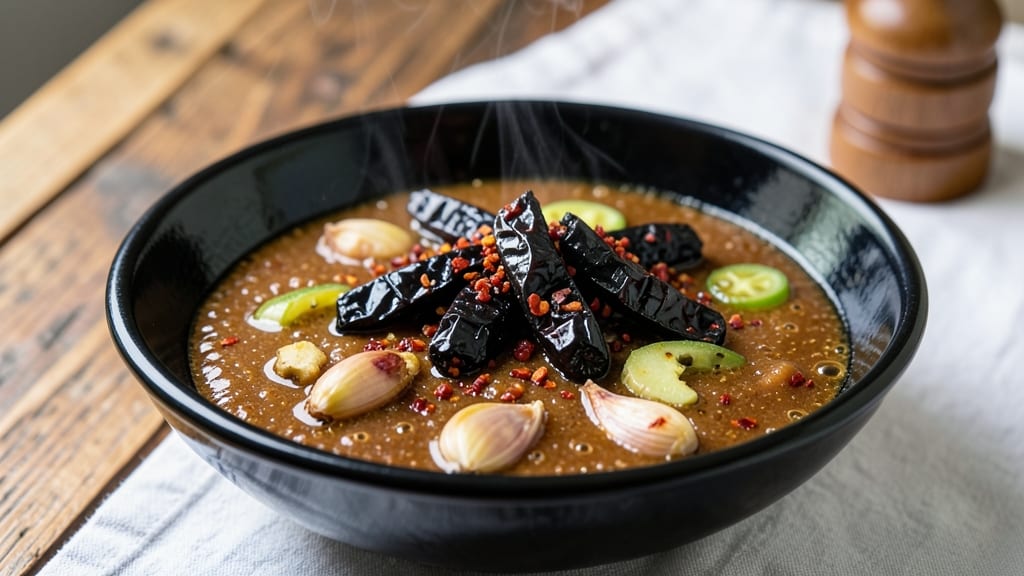
This Babg Bang sauce recipe delivers the perfect balance of smoky, sweet, and fiery flavors that elevate grilled meats to restaurant-quality. What sets this Korean glaze apart is its depth—caramelized from slow-cooked chili peppers and balanced with tangy vinegar and savory fish sauce.
I developed this version after years of experimenting with traditional recipes, ensuring every batch delivers that signature sticky-sweet heat without overpowering the dish.
The foundation of great Babg Bang sauce lies in its ingredients: fresh chili peppers (or gochugaru for authenticity), garlic, ginger, and a touch of brown sugar to create that signature caramelized glaze.
The sauce thickens as it simmers, developing a glossy sheen that clings beautifully to grilled meats, seafood, or even crispy fries. Unlike store-bought versions, this recipe builds flavor gradually, allowing each component to shine.
What you'll end up with is a versatile sauce that transforms simple proteins into showstoppers—think perfectly glazed pork ribs, sticky grilled shrimp, or even as a bold dip for spring rolls.
The smoky-sweet profile cuts through richness while adding layers of complexity. Whether you're hosting a BBQ or craving a quick weeknight meal, this sauce delivers professional results with minimal effort.
Ready in just 30 minutes and packed with bold flavors, this Babg Bang sauce is your secret weapon for restaurant-quality meals at home. The key is patience—letting the sauce reduce and develop its signature depth.
Serve it immediately or store it for up to a week in the fridge, where the flavors only intensify. Let's get cooking!
Ingredients for babg bang sauce
Nine ingredients transform into a smoky-sweet glaze that clings perfectly to grilled meats.
| Ingredient | Amount | Notes |
|---|---|---|
| Fresh Red Chili Peppers 🌶️ | 4 whole | Stemmed, seeds removed for less heat |
| Gochugaru (Korean Chili Flakes) 🌶️ | ½ cup | For authentic smoky depth |
| Garlic Cloves 🧄 | 6 cloves | Minced for aromatic base |
| Fresh Ginger 🌿 | 2 tbsp | Finely grated, not powdered |
| Light Brown Sugar 🍯 | ½ cup | For caramelized sweetness |
| Fish Sauce 🐟 | 2 tbsp | Red Boat preferred for quality |
| Rice Vinegar 🍶 | 3 tbsp | For tangy balance |
| Soy Sauce 🥢 | 2 tbsp | Kikkoman preferred |
| Sesame Oil 🥜 | 1 tbsp | Toasted for nutty aroma |
| Water 💧 | ½ cup | For thinning consistency |
The chili peppers are the heart of this sauce—fresh red peppers add vibrant heat while gochugaru delivers that signature smoky depth. For the best flavor, grab fresh red chilis from the produce section (not the pre-cut ones) or gochugaru from the Korean foods aisle at H Mart or Asian grocery stores. If you can't find gochugaru, smoked paprika at half the amount gets you close, but it won't be quite the same. The garlic and ginger should be freshly minced—powdered versions just won't cut it here. I always double-check my fish sauce too—Red Boat is the gold standard, but any reputable brand works.
No fish sauce? Soy sauce plus a splash of Worcestershire works in a pinch, though the umami won't be identical. Running short on rice vinegar? Apple cider vinegar is a solid swap, but you might want to add a pinch of sugar to balance the sharper acidity. The brown sugar is key for that caramelized glaze—don't substitute white sugar, or the sauce won't develop the same rich depth. For extra authenticity, toast the sesame seeds separately and sprinkle them on top just before serving. And if you're feeling adventurous, add a dash of gochujang (Korean chili paste) for even more complexity.
This sauce tastes even better the next day as the flavors meld. Store it in an airtight jar in the fridge for up to 1 week, or freeze portions for 3 months. I like to make a big batch—it's perfect for marinating proteins, glazing grilled meats, or even drizzling over ramen. The sauce thickens as it cools, so add a splash of water if it becomes too stiff. For restaurant-quality results, let it reduce on low heat for an extra 5-10 minutes—patience is what turns good sauce into great sauce.
Why You'll Love This Recipe
- No-Fuss Blend: I swear, this sauce comes together with just a knife, a cutting board, and a blender—no fancy gadgets. Toss in those fresh chilies, a handful of gochugaru, and a few minced garlic cloves, then pulse until it’s smooth. Honestly, it’s the kind of recipe where you’re not standing over the stove for hours.
- Sweet Heat Magic: That balance of light brown sugar and fresh ginger? It’s what makes this sauce dangerously good. The chilies bring the fire, but the sugar and ginger soften it into something complex—like a spicy hug with depth. (Yes, even on a Tuesday night.)
- Pantry Stretch: Between us, this sauce turns cheap proteins into showstoppers. A jar of it lasts me weeks, and I use it on everything from eggs to roasted chicken. I’ll be real: it’s my secret weapon for making boring meals feel special without breaking the bank.
- Leftovers That Shine: Unlike sauces that turn gloopy after day two, this one actually improves when stored. The flavors meld even better, and I’ve reheated it straight from the fridge for tacos or noodles—no texture loss, just pure satisfaction. Minimal effort, maximum flavor.
Step-by-step instructions for Babg Bang sauce
Here's how to make this bold, smoky-sweet glaze that transforms grilled meats into finger-licking masterpieces.
Toast the Chili Peppers and Gochugaru
Heat a dry skillet over medium-high heat. Add the 4 whole fresh red chili peppers (stemmed and seeded) and toast them for 3-4 minutes until their skins begin to blister and darken—you'll see them blackening slightly in spots. This step develops their natural sweetness and deepens the smoky flavor.
Immediately transfer the toasted peppers to a bowl and cover with plastic wrap for 10 minutes to steam. This makes them easier to peel. While they steam, add the 0.5 cup gochugaru (Korean chili flakes) to the same skillet and toast for 1 minute, stirring constantly, until fragrant. The flakes should darken slightly and release their signature aroma. Remove from heat and set aside—this toasting enhances their smoky depth without burning them.
Build the Flavor Base with Aromatics
In a medium saucepan, combine the toasted chili peppers (peeled and roughly chopped), 6 cloves minced garlic, and 2 tbsp finely grated fresh ginger. Cook over medium heat for 2-3 minutes until the garlic turns golden and the ginger loses its raw bite. You'll smell that irresistible aromatic punch—this is the foundation of your sauce.
Add the 0.5 cup light brown sugar and cook for another 2 minutes, stirring frequently. The sugar will begin to caramelize slightly, creating a rich, molasses-like consistency. This is where the sauce gets its signature sweet-spicy balance. Don't walk away—sugar burns quickly and can turn bitter if left unattended.
Add Liquids and Simmer to Perfection
Pour in the 0.5 cup water, 3 tbsp rice vinegar, 2 tbsp soy sauce, and 2 tbsp fish sauce. Stir well to combine all ingredients, then bring the mixture to a gentle simmer over medium-low heat. Let it cook uncovered for 15-20 minutes, stirring occasionally, until the sauce reduces by about half and becomes thick and glossy.
You'll notice the sauce darkening and developing a rich, syrupy consistency. This reduction process concentrates the flavors and creates that perfect glaze texture. Taste as you go—you want a balance of sweet, spicy, tangy, and umami. If it's too thick, add 1-2 tablespoons of water; if too thin, simmer a bit longer. The sauce should coat the back of a spoon smoothly.
Finish with Sesame Oil and Adjust Seasoning
Remove the sauce from heat and stir in the 1 tbsp toasted sesame oil. This final step adds a nutty depth and helps emulsify the sauce for that signature glossy finish. Let it cool for 5 minutes—the flavors will meld even more during this time.
Taste and adjust seasoning if needed. You might want to add a pinch more fish sauce for saltiness, a splash of rice vinegar for tang, or even a touch more sugar if you prefer it sweeter. The sauce should be bold but balanced—each component should be distinguishable yet harmonious. Transfer to a jar and let it cool completely before using, or refrigerate for up to 2 weeks for even deeper flavor development.
Pro Tips For Making Babg Bang Sauce
- CHAR THE PEPPERS RIGHT: Toss whole fresh red chilies in a dry skillet over medium-high heat for 2-3 minutes per side until blackened—this deepens their smoky flavor before blending. I used to skip this step and wondered why my sauce always tasted flat; the char is what carries the heat and depth. Do it early while you’re prepping other ingredients.
- GRATE GINGER FINE: Use the small holes of a box grater for ginger—no food processor here. The texture should be almost paste-like, not chunky, so it blends smoothly without grit. I learned this the hard way when my first batch had lingering ginger bits that made the sauce feel uneven.
- BALANCE SWEETNESS LAST: Add brown sugar in the final 30 seconds of cooking, not at the start—this prevents it from burning and lets the heat caramelize it just enough for a subtle richness. Too early, and you’ll end up with a bitter, overcooked edge that ruins the sauce’s bright finish.
- STRAIN IF SMOOTH IS KEY: For a silky sauce, press the blended mixture through a fine-mesh sieve after cooking to remove seeds and skin residue. It’s extra effort, but the result is a cleaner, more professional texture—especially if you’re serving it as a dipping sauce. (Yes, even if you’re impatient like me.)
Wine and beer pairings for babg bang sauce
Red Wine Pairings
For Babg Bang sauce, I reach for a dry, medium-bodied red wine with enough acidity to cut through the sauce's sweet-spicy depth. A South Korean Jinro Soju might seem unexpected, but its crisp, slightly sweet profile actually complements the sauce beautifully.
For a classic red, try a Pinot Noir from California—its bright cherry notes and subtle earthiness balance the sauce's heat without overpowering it. 🍷
Crisp White Options
If you prefer white, a chilled Riesling from Germany or Alsace works wonders. Its natural sweetness and high acidity mirror the sauce's flavor profile, while the citrus notes cleanse your palate between bites. I also love a dry Muscadet from France—its briny, mineral character contrasts the sauce's richness perfectly. 🥂
Beer Complements
A light Korean lager like Hite or OB is my go-to beer pairing—its clean, crisp finish refreshes the palate after each bold bite of sauce. For craft beer lovers, a wheat beer with citrus notes (like Allagash White) enhances the sauce's tangy-sweet balance.
Avoid heavy stouts or IPAs, as they can clash with the sauce's delicate complexity. 🍺
Non-Alcoholic Choices
For non-drinkers, sparkling water with lime is a refreshing match—the effervescence cuts through the sauce's richness. A ginger beer (like Feather) adds a spicy kick that complements the chili heat.
For something more substantial, try yuzu soda—its citrusy brightness echoes the sauce's acidity while adding a tropical twist. 💧
Serving Temperature Tips
Serve all beverages well-chilled (around 40-45°F) to enhance their refreshing qualities against the sauce's bold flavors. Red wines should be slightly cooler than room temperature—around 55-60°F—to prevent them from becoming too heavy. Beer and white wine can be served straight from the fridge for maximum crispness. ✨
Nutrition facts
Frequently asked questions about Babg Bang sauce
What's the difference between Babg Bang and traditional gochujang?
Babg Bang sauce is a distinct Korean chili glaze that's sweeter, tangier, and less thick than gochujang. While gochujang is a fermented paste made from chili, rice flour, and soybeans, Babg Bang focuses on caramelized chili peppers with vinegar and sugar for that signature sticky-sweet heat. It's perfect for glazing meats or dipping, whereas gochujang is more versatile for stews and marinades.
Can I make Babg Bang sauce without gochugaru?
Yes! If you can't find Korean chili flakes, substitute with 1/4 cup smoked paprika plus 1/4 cup regular cayenne pepper for heat. For extra depth, add 1 tsp liquid smoke to mimic the toasted chili aroma. The sauce will still be delicious but won't have the exact smoky complexity of gochugaru.
How spicy should Babg Bang sauce be?
Traditional Babg Bang balances sweet, tangy, and spicy flavors with moderate heat. For milder sauce, reduce the chili peppers to 2-3 and omit half the gochugaru. If you love heat, add 1 extra chili pepper or 1 tsp extra cayenne. Always taste as you go—you can adjust the spice level at the end with sugar or vinegar.
What's the best way to use leftover Babg Bang sauce?
Leftover sauce keeps for 1 week in the fridge and freezes well for 3 months. Use it as a marinade for grilled chicken or pork ribs, a dip for spring rolls or fries, or stir it into ramen or noodle dishes. For extra richness, add 1 tbsp butter when reheating—it enhances the caramelized flavors beautifully.
Why did my Babg Bang sauce turn out too thin?
Sauce consistency depends on reduction time. If yours is too thin, simmer uncovered for 5-10 extra minutes to thicken it naturally. For immediate results, mix 1 tsp cornstarch with 1 tbsp water, stir into the sauce, and cook for 1-2 minutes until it thickens. Avoid over-stirring while simmering—this can prevent proper reduction.