
Sauces & Condiments
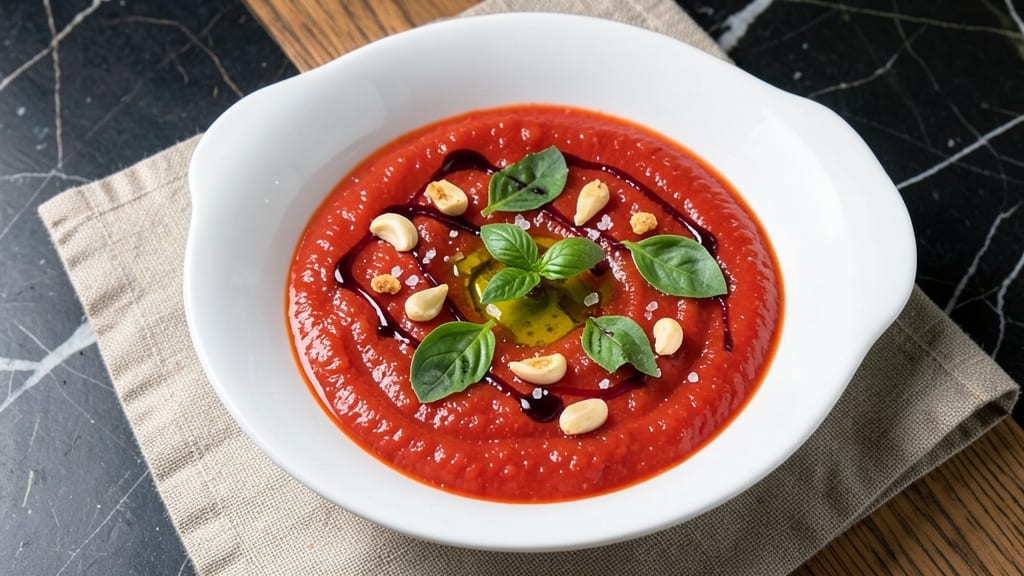
This awesome pizza sauce recipe transforms ordinary tomato sauce into a bold, herbaceous masterpiece that elevates every pizza—no fancy ingredients required. The secret lies in balancing acidity, sweetness, and umami through slow simmering and fresh herbs, creating depth that store-bought sauces can't match.
I've perfected this version after years of testing, and it's now my go-to for homemade pies that taste like they came from a Neapolitan trattoria.
The foundation starts with canned tomatoes (never fresh—trust me on this), which provide consistent flavor without watering down the sauce. A touch of sugar caramelizes during cooking, while red wine vinegar brightens the acidity, and garlic-infused olive oil adds aromatic richness.
Fresh basil and oregano join the mix at the end to preserve their bright flavors, ensuring every spoonful bursts with freshness.
What sets this sauce apart is its versatility—use it for pizza, as a marinade for grilled meats, or as a dipping sauce for crusty bread. The texture is perfectly balanced: smooth yet vibrant, with just enough body to cling to cheese without overwhelming it.
Best of all, it keeps well in the fridge for up to a week, so you can make a big batch and enjoy it throughout the week.
Ready in just 30 minutes with minimal effort, this sauce delivers restaurant-quality flavor without the fuss. The key is patience—letting it simmer until thickened and flavors melded. Once you taste the difference, you'll never go back to bottled sauce again. Let's get started!
Ingredients for awesome pizza sauce
Nine simple ingredients transform basic tomatoes into restaurant-quality pizza sauce.
| Ingredient | Amount | Notes |
|---|---|---|
| Canned San Marzano Tomatoes 🍅 | 28 oz | Crushed by hand for texture |
| Extra-Virgin Olive Oil 🫒 | ¼ cup | High quality, fruity variety |
| Red Wine Vinegar 🍷 | 1 tbsp | Brightens acidity perfectly |
| Granulated Sugar 🍚 | 1 tbsp | Caramelizes for balance |
| Garlic Cloves 🧄 | 3 cloves | Infused in olive oil first |
| Fresh Basil Leaves 🌿 | ¼ cup | Packed, stems removed |
| Dried Oregano 🍃 | 1 tsp | Mexican oregano preferred |
| Salt 🧂 | 1 tsp | Diamond Crystal preferred |
| Black Pepper 🌶️ | ¼ tsp | Freshly ground preferred |
| Fresh Garlic 🧄 | 1 clove | Minced at the end |
San Marzano tomatoes are the secret weapon here—their sweetness and low acidity make all the difference. Grab a 28-oz can from the Italian section at Whole Foods or Trader Joe's (their brand is solid too). The fresh basil? Farmers market has the best, but grocery store containers work if they're bright green. Skip the dried basil—it can't match the fresh brightness. The olive oil should be fruity, not peppery—California extra-virgin is my go-to, but any good quality will do. Pro tip: crush the tomatoes by hand for that perfect chunky texture.
No San Marzano? Any good-quality canned tomatoes work, but avoid the watery ones. Short on basil? Dried oregano at double the amount gets you close, but nothing beats fresh. The red wine vinegar can be swapped for balsamic, though it'll be sweeter. Need more depth? Add a pinch of anchovy powder (trust me, it disappears but adds umami magic). The sugar is non-negotiable—it caramelizes and balances the acidity. If you're worried about sweetness, start with just 1/2 tbsp and taste as you go. And yes, the garlic-infused oil is worth the extra minute—it adds layers of flavor.
This sauce keeps beautifully—up to 1 week in the fridge, 3 months frozen. I always double the batch so I have leftovers for pizza night and grilled chicken. For freezing, portion into ice cube trays, then transfer to a bag. Thaw overnight in the fridge. The basil wilts fast, so add it last—just toss in the fresh leaves right before serving. If you make extra, use it as a marinade for chicken or drizzle over pasta. Trust me, you'll want to make this weekly.
Why You'll Love This Recipe
- Five-Ingredient Magic: This sauce comes together with nothing but a can of tomatoes, garlic, and a splash of vinegar—no blender, no fancy prep. Honestly, I’ve made it while scrolling through my phone, and it still tastes like I slaved over it.
- Sweet-Savory Balance: That tiny pinch of sugar and red wine vinegar? It’s the secret. The tomatoes stay bright, the garlic sings without overpowering, and the acidity cuts through the richness of cheese like a knife. (Yes, even on a Tuesday night.)
- Pantry Staple Power: No last-minute grocery runs needed—just raid your shelves. Between us, this sauce has saved me from sad, wilted basil and overpriced jars of sauce when I’m craving pizza at midnight.
- Doubles as Magic: Use it on pizza, toss it with pasta, or slather it on garlic bread—it’s the ultimate flavor shortcut. I’ll be real: my freezer is packed with jars of this stuff because it’s cheaper than takeout and way more customizable.
Step-by-step instructions for bold pizza sauce
Here's how to build a vibrant, flavor-packed pizza sauce that rivals any restaurant version.
Infuse the Olive Oil with Garlic
Heat the 0.25 cup extra-virgin olive oil in a medium saucepan over medium-low heat. Add the 3 cloves garlic cloves (peeled but left whole) and cook for 5-6 minutes, stirring occasionally. You'll see the garlic gently sizzle and turn golden—this is your signal to remove it immediately. Strain the oil through a fine-mesh sieve into a clean bowl, leaving behind the crispy garlic bits. This infused oil carries the garlic's flavor without bitterness.
Don't rush this step. The garlic should smell deeply aromatic but not burn. If it starts to brown too quickly, reduce the heat slightly. This infused oil becomes the flavor foundation of your sauce, so take your time to get it right.
Cook the Tomatoes Until Thickened
Return the infused olive oil to the saucepan and add the 28 oz canned San Marzano tomatoes (crushed by hand for texture). Stir in the 1 tbsp red wine vinegar and 1 tbsp granulated sugar. Bring to a gentle simmer over medium heat, then reduce to low heat. Let it cook uncovered for 20-25 minutes, stirring occasionally.
You're looking for a sauce that thickens noticeably but still coats the back of a spoon. The sugar will caramelize slightly, balancing the acidity from the vinegar. If the sauce starts to stick to the bottom, add 1-2 tablespoons of water to help it release. The tomatoes should break down completely, creating a velvety consistency.
Season and Simmer to Develop Flavor
Add the 1 tsp dried oregano, 1 tsp salt, and 0.25 tsp black pepper to the simmering sauce. Stir well to combine, then continue cooking for another 10 minutes. This step allows all the flavors to meld together and deepen. Taste the sauce now—it should be rich and balanced, with a bright acidity from the vinegar.
Here's the thing—pizza sauce tastes better after it rests. Once it reaches your desired consistency (it should be thick enough to cling to a spoon but still spreadable), remove it from heat. Let it cool for 10 minutes before adding the fresh basil. This resting period lets the flavors settle and intensify.
Finish with Fresh Basil
After the sauce has rested, stir in the 0.25 cup fresh basil leaves (packed and stems removed) and the 1 clove fresh garlic (minced). Pulse the basil briefly in a food processor or finely chop it by hand—this releases more of its aromatic oils. The sauce will darken slightly as the basil infuses, becoming even more vibrant.
Give it one final taste and adjust the seasoning if needed. If it needs more brightness, add a splash of red wine vinegar. If it needs more depth, a pinch of salt or a tiny bit of sugar will help. The sauce should be rich, slightly sweet, and packed with herbal notes.
Cool and Store Properly
Transfer the sauce to a clean jar or airtight container. Let it cool completely at room temperature before refrigerating. This sauce keeps beautifully in the fridge for up to 5 days, or you can freeze it for up to 3 months. The flavors actually improve over time as they continue to meld.
When you're ready to use it, give the sauce a quick stir—it may thicken further as it cools. If it becomes too thick for your liking, thin it with a splash of water or tomato paste. This sauce is incredibly versatile—use it on pizzas, as a pasta sauce, or even as a marinade for grilled meats.
Pro Tips For Making Awesome Pizza Sauce
- CRUSH THE GARLIC: Start with raw, unpeeled cloves—smash them with the flat side of your knife first, then chop. This keeps the flavor potent and prevents bitter overcooking (which happens fast when you sauté minced garlic in olive oil).
- SIMMER LOW AND LONG: After adding tomatoes, reduce heat to a bare simmer—just enough to see tiny bubbles at the edges. Rushing this step makes the sauce taste thin and raw; let it cook uncovered for 45-60 minutes, stirring occasionally, until it thickens into a glossy, syrupy consistency.
- SWEAT THE TOMATOES FIRST: Drain the San Marzano tomatoes and crush them lightly with your hands before cooking. This releases their juices and prevents a watery sauce—no need to strain unless you’re feeling fancy (and even then, leave some seeds for texture).
- SALT IN LAYERS: Add half the salt when crushing the tomatoes, then taste and adjust after simmering. The acidity in red wine vinegar throws off your salt perception, so trust your palate here—you’ll need more than you think, especially if you’re using high-quality olive oil.
Troubleshooting great awesome pizza sauce
Sauce Too Thin?
If your sauce isn't thickening enough, simmer it uncovered for an extra 5-10 minutes—the heat will evaporate excess moisture. For faster results, add 1 tbsp tomato paste or 1 tsp cornstarch mixed with 1 tbsp water while stirring constantly. Avoid boiling, which can make the sauce bitter. 🔥
Sauce Too Thick?
Thin with 1 tbsp water or broth at a time until you reach your desired consistency. For a smoother texture, blend briefly in a food processor. If the sauce separates, whisk vigorously or add a splash of red wine vinegar to help re-emulsify it.
Bitter Aftertaste?
Overcooked tomatoes develop bitterness. Prevent this by keeping heat at low simmer and avoiding boiling. If it happens, balance with ½ tsp sugar or a pinch of salt. Fresh basil added at the end also masks bitterness beautifully.
Flat or Bland Flavor?
Boost umami by adding ½ tsp anchovy powder or 1 tsp soy sauce during simmering. For depth, infuse the olive oil with 1 extra garlic clove or a pinch of smoked paprika. Always taste as you go—adjust seasoning gradually.
Herbs Not Bright Enough?
Fresh herbs wilt fast. Add them only at the very end, right before serving. For extra punch, pulse basil in a food processor for 10 seconds to release oils. If using dried herbs, double the amount but add them earlier in cooking.
Sauce Separating?
This happens when sauce cools too quickly. Whisk vigorously or blend briefly to re-combine. For prevention, stir occasionally while cooling. A splash of red wine vinegar or lemon juice helps stabilize the emulsion.
Nutrition facts
Frequently asked questions
Can I use fresh tomatoes instead of canned for this sauce?
Fresh tomatoes work, but they release more water and require extra time to thicken. For best results, roast 4 cups chopped fresh tomatoes in the oven at 400°F for 20 minutes before using in place of canned tomatoes. This concentrates their flavor and reduces excess moisture. The sauce will need 5-10 extra minutes of simmering to reach the right consistency.
How can I make this sauce spicier?
Add ½ tsp red pepper flakes during the simmering step for mild heat, or increase to 1 tsp for a spicier kick. For smoky depth, add ¼ tsp smoked paprika along with the dried oregano. If you prefer fresh heat, stir in 1-2 minced jalapeño seeds (remove seeds for less heat) at the very end. Always taste as you go—you can adjust the heat level easily.
Can I make this sauce in a slow cooker?
Combine all ingredients except fresh basil in your slow cooker on low heat for 3-4 hours, stirring occasionally. The sauce will thicken more naturally. Add fresh basil and garlic just before serving. For extra depth, cover and let it cook longer—up to 6 hours on low. The slow cooking enhances the flavors beautifully, especially when using good-quality tomatoes.
Why does my sauce taste too sweet or sour?
This usually happens from improper sugar/vinegar balance. If too sweet, add ½ tsp red wine vinegar and simmer 2 minutes longer. If too sour, stir in ½ tsp sugar and let it caramelize for 1 minute. The key is to taste as you go—adjust gradually. Remember, the sugar should caramelize slightly (about 20-25 minutes of simmering), not dissolve completely.
How can I use this sauce beyond pizza?
This versatile sauce works perfectly for pasta marinara, grilled chicken marinade, or as a dipping sauce for crusty bread. For pasta, simmer the sauce slightly longer until thicker. For marinades, reduce the sugar to ½ tbsp and add 1 tbsp balsamic vinegar instead. The sauce also makes a great topping for meatball subs or bruschetta—just thin it slightly with water if needed for spreading.