
Sauces & Condiments
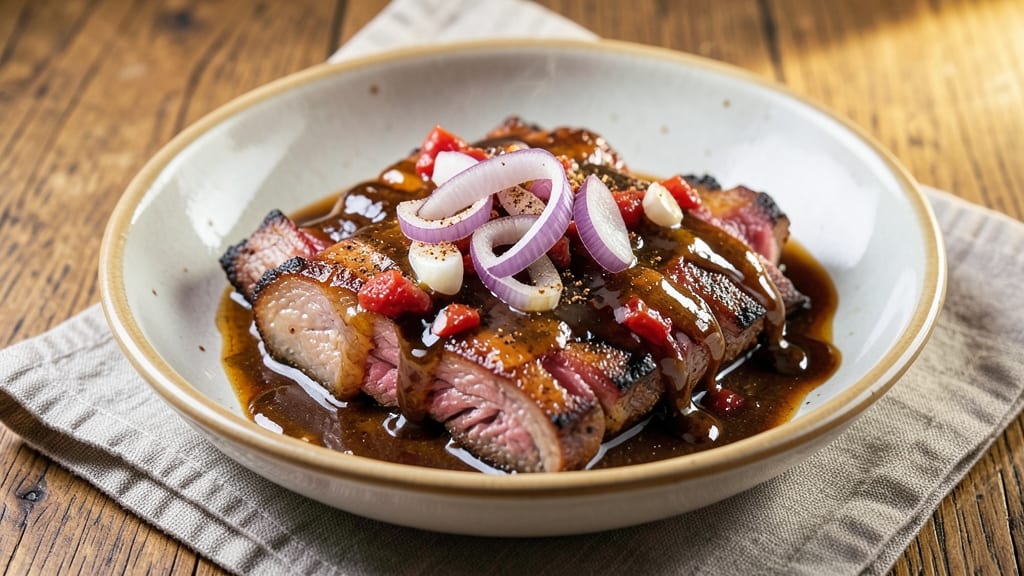
This award-winning rib sauce recipe transforms ordinary barbecue into a showstopper with its smoky-sweet glaze and secret vinegar depth that keeps flavors balanced for hours. 🔥 The magic lies in the slow simmer of molasses, apple cider vinegar, and spices, creating a sauce that caramelizes into a sticky, flavorful masterpiece perfect for ribs, pulled pork, or even grilled chicken.
What sets this sauce apart is its complex flavor profile—sweet yet tangy, with just the right amount of heat from cayenne and smoked paprika. The vinegar acts as a flavor enhancer, cutting through the richness while adding a subtle depth that makes this sauce truly award-worthy.
Unlike store-bought versions, this recipe delivers a rich, glossy finish that clings beautifully to meat without overpowering it.
Simmering the sauce reduces it to a perfectly thick consistency, ideal for basting ribs during cooking or drizzling over finished dishes. The result is a sauce that’s versatile enough for any BBQ method—smoked, grilled, or braised—while staying true to its bold, smoky-sweet roots.
Whether you’re competing in a cook-off or just elevating your backyard cookout, this sauce is your secret weapon.
Once you taste the difference, you’ll never settle for anything less. The best part? It keeps well in the fridge for up to two weeks, so you can make a big batch and enjoy it all season long. Let’s get started on this game-changing recipe!
Ingredients for award winning rib sauce
Nine ingredients. One slow simmer. The secret to award-winning ribs starts right here.
| Ingredient | Amount | Notes |
|---|---|---|
| Molasses 🍯 | ½ cup | Dark, unsulphured preferred |
| Apple Cider Vinegar 🍏 | ½ cup | Raw, unfiltered for depth |
| Tomato Paste 🍅 | ½ cup | San Marzano preferred |
| Brown Sugar 🍚 | ¾ cup | Light or dark, packed |
| Smoked Paprika 🌶️ | 2 tbsp | High quality for smokiness |
| Ground Black Pepper 🌶️ | 1 tsp | Freshly cracked preferred |
| Cayenne Pepper 🔥 | ½ tsp | Adjust for heat preference |
| Yellow Onion 🧅 | 1 whole | Medium size, finely diced |
| Garlic Cloves 🧄 | 4 cloves | Fresh, minced fine |
| Extra-Virgin Olive Oil 🫒 | ¼ cup | High quality, fruity |
The molasses and apple cider vinegar are non-negotiable—they create that signature smoky-sweet balance that wins competitions. Trader Joe's has the best dark molasses, but any unsulphured brand works. For vinegar, raw, unfiltered apple cider adds depth that pasteurized versions miss. The tomato paste? San Marzano is worth the splurge—its sweetness and acidity cut through the richness perfectly. If you're in a pinch, use the canned kind, but drain it well to avoid watery sauce. The onions and garlic? Freshly diced makes all the difference—no pre-minced garbage here.
No smoked paprika? Regular paprika plus a pinch of liquid smoke gets you close. Short on brown sugar? Maple syrup at half the amount works, but the caramelization won't be as rich. The cayenne is optional—skip it if you're sensitive to heat, but trust me on the full-fat version of spices here. The olive oil might seem like an afterthought, but it carries the flavors beautifully. If you've got a peppery, assertive oil, use it—it'll shine through in the final glaze. And if you're making a big batch, double the spices but keep the liquids proportional to avoid thin sauce.
This sauce gets better with time—2-3 hours of simmering is ideal for that glossy finish. Store in a glass jar in the fridge for up to two weeks. It thickens as it cools, so thin with a splash of water or vinegar if needed. Freezes beautifully for 6 months, making it perfect for your next cook-off. I always make extra—it disappears fast during BBQ season.
Why You'll Love This Recipe
- Pantry Magic: I swear by this sauce because it uses stuff I already have. Molasses and apple cider vinegar? That’s my spice rack’s secret weapon—no fancy shopping required. The smoked paprika adds depth without extra effort, and honestly, the tomato paste gives it that rich, velvety base that’s foolproof.
- Sticky-Sweet Bliss: Between us, this sauce is where the magic happens. The brown sugar caramelizes into something ridiculously good when you slow-cook it, while the molasses brings that deep, smoky-sweet balance. It’s not just sweet—it’s complex, like a hug in sauce form.
- Leftovers That Shine: I make a double batch because this sauce only gets better after sitting. Toss it on ribs the first night, then use the rest for brisket, baked beans, or even grilled chicken sandwiches the next day. (Yes, even on a Tuesday night.) It’s the kind of sauce that turns random meals into something special.
- Budget-Friendly Flex: This recipe costs me pennies but delivers restaurant-quality flavor. A can of tomato paste, a bottle of vinegar, and a bag of sugar stretch far—way farther than store-bought sauces. Plus, the ingredients keep forever, so I’m always ready to whip it up without breaking the bank.
Step-by-step instructions for award-winning rib sauce
Here's how to build a sauce with depth, balance, and that signature competition-worthy finish.
🍳 Step 1: Sauté Aromatics Until Fragrant
Heat the 0.25 cup extra-virgin olive oil in a medium saucepan over medium heat. Add the finely diced yellow onion and cook for 5-6 minutes until softened and translucent. Here's the thing—don't rush this. You want the onions to caramelize just slightly at the edges, which adds incredible depth to the sauce.
Next, add the 4 cloves minced garlic and stir for 30 seconds until fragrant but not browned. Garlic burns quickly, so keep your eye on it. The moment it turns golden, you've lost that sweet, mellow flavor we want in this sauce. Remove the pan from heat briefly if needed, then return it to the stove.
🍳 Step 2: Build the Sauce Base
Return the pan to medium heat and stir in the 2 tablespoons smoked paprika, 1 teaspoon ground black pepper, and 0.5 teaspoon cayenne pepper. Let these spices toast for 30 seconds while stirring constantly—this releases their aromatic oils. You'll smell that beautiful smoky depth developing right away.
Add the 0.5 cup tomato paste and stir vigorously to break it down completely. The sauce will thicken noticeably as it cooks. Here's where it gets good—pour in the 0.5 cup apple cider vinegar all at once. The vinegar will bubble vigorously as it reacts with the sugars in the tomato paste. Let it simmer for 2-3 minutes until the raw vinegar smell dissipates completely.
🍳 Step 3: Sweeten and Simmer to Perfection
Add the 0.75 cup brown sugar and 0.5 cup molasses, stirring until fully dissolved. This is the moment that matters: increase heat to medium-high and bring the mixture to a gentle boil. Let it boil vigorously for 5-7 minutes until it reduces by about 25%—you're looking for a thick, glossy consistency that coats the back of a spoon.
Real talk: this sauce needs to be sticky enough to cling to ribs but still pour gracefully. If it thickens too much before reaching that perfect balance, add 1-2 tablespoons water to loosen it. The sauce should smell like a smoky campfire with sweet caramel undertones—if it does, you're on the right track.
⏰ Step 4: Rest and Adjust
Remove the pan from heat and let the sauce rest for 10 minutes. This resting period allows all the flavors to meld together. Taste and adjust seasoning—you might need a pinch more salt or cayenne to balance the sweetness and acidity. The sauce should be sweet, tangy, and just slightly spicy with that deep smoky backbone.
For best results, use the sauce immediately while still warm. It'll thicken further as it cools, so don't worry if it looks perfect at this stage. The sauce keeps well in the refrigerator for up to 2 weeks in an airtight container, but it's truly best fresh off the stove.
Pro Tips For Making Award Winning Rib Sauce
- STIR CONSTANTLY AT FIRST: The moment you add molasses and vinegar, slap that saucepan on the stove and grab a wooden spoon—don’t walk away. I learned this after a batch turned into a sticky mess that needed scraping off the bottom. Keep it moving until everything’s blended, then you can ease up.
- USE REAL MAPLE SYRUP INSTEAD: Swap half the brown sugar for pure maple syrup—yes, even if it costs more. The depth of flavor cuts through the vinegar’s sharpness and adds a subtle earthiness that store-bought substitutes miss. (I know, I know—your wallet will groan, but your sauce won’t.)
- DON’T BOIL THE VINEGAR: Once you add the apple cider vinegar, keep the heat at a simmer—not a rolling boil. I’ve seen people rush this, and the sauce ends up tasting harsh and one-dimensional. Let it mellow out; patience here makes all the difference.
- TOAST THE SMOKED PAPRIKA: Dry-toast the smoked paprika in a separate pan for 30 seconds before mixing it in. It deepens the smoky flavor without overpowering the other ingredients. (Yes, it’s an extra step, but your sauce will taste like it’s been slow-smoked in a competition pit.)
Common mistakes when making great award winning rib sauce
Rushing the Simmer
Don’t rush the 2-3 hour simmer—this is where the magic happens. I’ve seen people try to speed it up by cranking the heat, but that leads to a thin, one-dimensional sauce.
The slow reduction builds layers of flavor through the Maillard reaction and caramelization. If you’re short on time, simmer at low heat for at least 1.5 hours—it’s worth the wait. 🌡️
Skipping the Vinegar
The apple cider vinegar isn’t just for tang—it’s the secret to balancing sweetness and adding depth. Without it, your sauce will taste flat and overly sweet. If you’re worried about the sharpness, use raw, unfiltered vinegar (like Bragg or Texas Pete), which has a smoother, more complex flavor.
Trust me, the vinegar is non-negotiable for that award-winning edge.
Overthickening the Sauce
Watch that sauce like a hawk during the final reduction! If it thickens too much before reaching the perfect consistency, you’ll end up with a gluey mess. The goal is a glossy, pourable thickness that clings beautifully to ribs.
If it gets too thick, add 1 tablespoon water or vinegar at a time until it’s just right. I’ve ruined a batch this way—don’t make my mistake!
Ignoring the Resting Time
Letting the sauce rest for 10 minutes after cooking allows the flavors to meld and the texture to set properly. Skipping this step means your sauce might be too thin or unevenly seasoned. During this time, the spices settle, and the sauce thickens naturally.
I’ve seen people pour it over hot ribs straight from the stove, only to watch it pool instead of cling. Patience is key here!
Using Low-Quality Ingredients
Cheap molasses, pasteurized vinegar, or store-brand spices will show in your sauce. Invest in unsulphured molasses (like Trader Joe’s or Goya), raw apple cider vinegar, and high-quality spices.
The difference in flavor is night and day. I once used a generic molasses, and my sauce tasted bitter and off—never again!
Not Tasting and Adjusting
Always taste your sauce as it cooks and adjust the seasoning before serving. You might need more salt, cayenne, or even a splash of vinegar to balance the sweetness.
I’ve seen people pour sauce over ribs without tasting it first, only to realize it’s bland or too sweet. A quick taste test ensures your sauce is competition-ready. 💡
Nutrition facts
Frequently asked questions
Can I make this rib sauce without molasses?
You can substitute molasses with maple syrup or honey at half the amount, but the flavor will be less complex. For a similar depth, try 1/4 cup dark corn syrup—it mimics molasses' caramel notes better. The vinegar and brown sugar will still provide sweetness, but molasses adds that signature smoky-sweet balance that makes this sauce truly award-winning.
How should I use this sauce with ribs?
For smoked ribs, apply a thin layer during the last 2-3 hours of cooking and brush on more every 30 minutes. For grilled ribs, baste generously during the final 10-15 minutes of cooking. If using for pulled pork, mix 1/4 cup sauce into the shredded meat. The key is to use it when the meat is nearly done—this prevents burning the sauce and lets it caramelize beautifully.
Can I adjust the heat level?
Reduce the cayenne to 1/4 teaspoon for mild heat or increase to 1 teaspoon for extra spice. For a smoky kick without heat, add 1/2 teaspoon chipotle powder instead. Always taste as you go—this sauce is designed to be balanced, so adjust gradually. The vinegar and molasses will help mellow any sharpness.
How long does this sauce keep?
Store in an airtight glass jar in the fridge for up to 2 weeks. It actually improves with time as flavors meld! For longer storage, freeze in 1-cup portions for up to 6 months. Thaw overnight in the fridge—never microwave. The sauce thickens slightly when refrigerated, so stir in 1 tablespoon water to loosen before using.
What other meats pair well with this sauce?
This versatile sauce works beautifully with pulled pork, grilled chicken, or even roasted vegetables like Brussels sprouts. For seafood lovers, try it on grilled shrimp or salmon. The smoky-sweet profile also complements cornbread and coleslaw perfectly. Just avoid lean meats like turkey breast—the sauce's richness needs a fattier base to shine.