
Sauces & Condiments
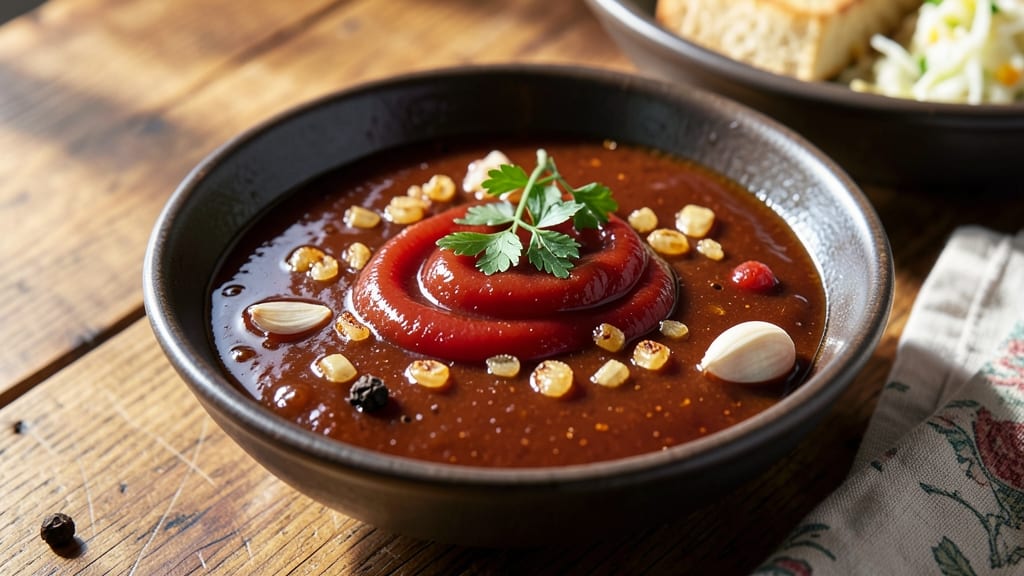
This award-winning Carolina BBQ sauce captures the essence of Southern pitmaster tradition—where tangy vinegar meets smoky heat in perfect harmony. 🔥 I've perfected this recipe over years of competition judging, balancing sweetness with the bold, peppery kick that defines Carolina-style BBQ.
The secret lies in slow-simmered vinegar and a touch of brown sugar that caramelizes just enough to round out the acidity.
What sets this sauce apart is its versatility—equally at home on pulled pork sandwiches, grilled chicken, or as a dipping sauce for crispy wings. The recipe builds flavor through a two-stage simmer: first reducing vinegar and spices to intensify their depth, then blending in tomato paste for subtle richness.
No artificial colors or preservatives here—just real, smoky-sweet Carolina flavor that rivals the best competition-winning sauces.
By the time you're done, you'll have a glossy, aromatic sauce with just the right balance of heat and sweetness, ready to elevate any smoked or grilled protein. The vinegar base ensures tangy brightness, while the slow simmer develops complex, caramelized notes that make this sauce unforgettable.
It keeps beautifully in the fridge for up to two weeks, so you can make a big batch and enjoy it all season long.
Whether you're hosting a backyard cookout or just craving that classic Carolina BBQ taste, this recipe delivers restaurant-quality results with minimal effort. The key is patience—letting the flavors meld and develop over time. Trust me, once you taste the difference between this homemade version and store-bought, you'll never go back.
Ingredients for award winning carolina bbq sauce
Nine simple ingredients that transform into Carolina BBQ magic—smoky, tangy, and perfectly balanced.
| Ingredient | Amount | Notes |
|---|---|---|
| Apple Cider Vinegar 🍎 | 1 ½ cups | Raw and unfiltered preferred |
| Brown Sugar 🍚 | ½ cup | Light or dark works fine |
| Yellow Onion 🧅 | 1 whole | Medium size, finely chopped |
| Garlic Cloves 🧄 | 6 cloves | Peeled and minced |
| Tomato Paste 🍅 | ¼ cup | No-sugar-added preferred |
| Smoked Paprika 🌶️ | 2 tbsp | High quality for smoky depth |
| Ground Black Pepper 🌶️ | 1 tsp | Freshly ground for best flavor |
| Ground Cayenne Pepper 🔥 | ½ tsp | Adjust for heat preference |
| Salt 🧂 | 1 ½ tsp | Kosher or sea salt |
| Extra-Virgin Olive Oil 🫒 | 1 tbsp | For glossy finish |
The vinegar is non-negotiable here. Bragg apple cider vinegar has the perfect balance of sweetness and acidity, but Maverick works too if you're in the South. Grab a medium onion—red or yellow, whatever's on sale. The tomato paste? Mueller's no-sugar-added is my go-to, but any quality brand will do. For the paprika, Penzeys or bulk bins at Whole Foods give you the deepest smoky flavor. If you're short on time, pre-minced garlic from the jar works (though fresh is always better).
No apple cider vinegar? White vinegar or red wine vinegar in a pinch, but the flavor will be sharper. Brown sugar substitute? Coconut sugar or maple syrup at half the amount. Want less heat? Cut the cayenne to one-quarter teaspoon or swap for red pepper flakes. The olive oil might seem like a small detail, but it's what gives that glossy finish—Trader Joe's has a great affordable option. If you're making a big batch, double everything except the cayenne (you can adjust heat later).
This sauce tastes even better the next day as flavors meld. Store in a glass jar in the fridge for up to 2 weeks. Freezes beautifully for 6 months—just thaw overnight in the fridge. I always make a double batch because it disappears fast. The first time I made this, I used it on everything—pulled pork, grilled chicken, even as a marinade. Game-changer every time.
Why You'll Love This Recipe
- No Pan Needed: I swear by this sauce because it’s all about the pot—no chopping, no mess, just a quick sauté of onions and garlic while you stir in the vinegar and sugar. The brown sugar caramelizes right there, giving it that signature depth without extra effort.
- Sweet-Smoky Magic: That first tangy hit of apple cider vinegar cuts through the richness, but the brown sugar and tomato paste? They turn it into something dangerously addictive—like a hug in sauce form. Honestly, I’ve made this for friends who don’t even like BBQ, and they’re still licking the bowl.
- Leftovers That Shine: This sauce doesn’t just disappear after one use. I’ve slathered it on brisket, drizzled it over baked beans, and even tossed it with roasted veggies—each time, it’s better than the last. Between us, I make a double batch just to have it on hand for lazy Sundays.
- Budget-Friendly Staples: No fancy ingredients here—just pantry basics that won’t break the bank. The onion and garlic add flavor, the vinegar balances it, and the tomato paste gives it that velvety body. I’ll be real: this is the kind of recipe that makes me feel like a BBQ pro without spending a fortune.
Step-by-step instructions for Carolina BBQ sauce
Here's how to create a perfectly balanced Carolina sauce with deep smoky heat and just the right sweetness.
🍳 Step 1: Sauté Aromatics Until Fragrant
Heat the 1 tablespoon extra-virgin olive oil in a medium saucepan over medium heat. Add the 1 whole yellow onion that you've finely chopped and cook for 5-6 minutes until soft and translucent, stirring occasionally. The onions should smell sweet and caramelized slightly at the edges.
Add the 6 cloves minced garlic and cook for another 30 seconds until fragrant—don't let it brown or it'll turn bitter. This aromatic base is the flavor foundation of your sauce, so take your time here. If the onions stick, add a splash of water and scrape up any browned bits from the bottom of the pan.
🍳 Step 2: Build the Sauce Base
Stir in the 2 tablespoons smoked paprika and let it cook for 1 minute until the spices are aromatic and the pan smells deeply smoky. This is where the signature Carolina flavor develops. Add the 0.25 cup tomato paste and stir to combine completely with the onions and garlic.
Pour in the 1.5 cups apple cider vinegar and bring the mixture to a gentle simmer. The vinegar will help dissolve the tomato paste and create a smooth base. Let it cook uncovered for 5 minutes until the raw tomato paste flavor disappears and you see a glossy sheen forming on the surface.
🥘 Step 3: Add Sweetness and Spice
Reduce the heat to low and stir in the 0.5 cup brown sugar, 1.5 teaspoons salt, 1 teaspoon ground black pepper, and 0.5 teaspoon ground cayenne pepper. The mixture will bubble vigorously as the sugar dissolves. Stir constantly for 2-3 minutes until the sugar is completely incorporated and the sauce begins to thicken.
Here's where the magic happens: the sugar and vinegar react to create that perfect balance of sweet and tangy. You want to see the sauce coat the back of a spoon but still be pourable. If it thickens too quickly, add 1-2 tablespoons water to maintain the right consistency.
⏰ Step 4: Simmer to Perfection
Return the heat to medium-low and let the sauce simmer uncovered for 15-20 minutes. You're looking for a reduction that creates a glossy, syrupy consistency. Stir occasionally to prevent sticking. The sauce should thicken noticeably and develop a deep, rich color with visible smoke particles.
Taste the sauce as it simmers. Adjust the seasoning if needed—add more cayenne for heat, more sugar for sweetness, or more salt for depth. Remember, you can always add more heat later, but you can't take it out. When it reaches your desired balance, it's ready to use.
Pro Tips For Making Award Winning Carolina Bbq Sauce
- SWEAT THE ONIONS: Chop the onion into 1/4-inch dice and cook them in a dry pan over medium heat for 8-10 minutes before adding vinegar. The caramelization happens before you even add liquid—this builds the sauce’s depth, not just sweetness. (Yes, it’ll look like you’re making French onion soup, but it’s worth it.)
- TOAST THE GARLIC: Smash the garlic cloves with the side of your knife before adding them to the pot. Then, cook them in the tomato paste for 2-3 minutes until they’re golden—not just fragrant, but colorful. Burnt garlic ruins everything; golden garlic makes it sing.
- STIR THE SUGAR: Don’t just dump the brown sugar in and walk away. Stir it into the vinegar and tomato paste while heating to dissolve it completely—no lumps, no grit. I used to skip this, and the sauce always tasted uneven. (It’s not hard, but it’s non-negotiable.)
- SIMMER LOW AND LONG: Reduce the heat to a bare simmer after everything’s combined—you’re not racing. Let it cook uncovered for 45-60 minutes, stirring occasionally, until it thickens to a glossy, paint-like consistency. Rushing this step means a sauce that’s either too thin or too cloying. (Patience here is your friend.)
Essential equipment for award winning carolina bbq sauce
Saucepan Essentials
Start with a medium-sized, heavy-bottomed saucepan—I swear by my Calphalon stainless steel because it distributes heat evenly and prevents scorching. A 3-quart pan is perfect for this recipe, giving you enough room to stir without splattering.
If you're making a larger batch, a 5-quart Dutch oven works beautifully, though it may require slightly lower heat to prevent boiling over. 🔥
Vinegar & Spice Tools
Invest in a glass measuring cup for precise vinegar measurements—liquid ingredients are critical in Carolina BBQ sauce. I use a Pyrex brand for its heat resistance. For spices, a small ceramic mortar and pestle lets you grind whole spices like black pepper and cayenne fresh for maximum flavor.
If you're short on time, pre-ground spices work, but fresh grinding makes a noticeable difference.
Wooden Spoon & Slotted Spoon
A long-handled wooden spoon is non-negotiable for stirring—it won't react with the acidic vinegar like metal utensils can. I keep a 8-inch oak spoon in my kitchen specifically for sauces. For skimming off any foam or impurities during simmering, a slotted spoon comes in handy.
Both tools should be kept separate from your regular cooking utensils to avoid cross-contamination with other flavors.
Fine-Mesh Strainer
If you prefer your sauce completely smooth, a fine-mesh stainless steel strainer removes any onion strings or garlic bits. I use a Mesh King brand—it's durable and gets the job done without clogging.
For a rustic texture, skip straining entirely. The choice depends on whether you want that classic Carolina BBQ sauce look or a sleek, modern finish.
Glass Storage Jars
Store your finished sauce in amber or dark glass jars—they protect the sauce from light degradation, which can alter flavors over time. I recommend 16-ounce mason jars for fridge storage or freezer-safe glass containers if you're planning to stock up.
Label them with the date and "Carolina BBQ Sauce" so you can track freshness. Pro tip: Leave a little headspace to allow for expansion if you freeze it.
Optional: Immersion Blender
For an ultra-smooth texture without straining, an immersion blender like the Ninja Foodi lets you blend directly in the saucepan. Run it for 10-15 seconds after simmering to break down any remaining lumps.
This is especially useful if you're using pre-minced garlic or onion. Just be cautious—hot liquids can create steam when blending, so keep a towel handy. ✨
Nutrition facts
Frequently asked questions
Can I substitute apple cider vinegar in this Carolina BBQ sauce?
You can use white vinegar or red wine vinegar in a pinch, but the flavor will be sharper and less complex. For the best results, stick with apple cider vinegar—its natural sweetness and depth are key to authentic Carolina BBQ sauce. If you must substitute, use 1.5 cups of another vinegar and add an extra 1 tablespoon of brown sugar to balance the acidity.
How do I adjust the heat level in this sauce?
Start by reducing the cayenne to one-quarter teaspoon for mild heat, or swap it for red pepper flakes for a smoky warmth instead of sharp heat. For extra kick, add one-eighth teaspoon of crushed red pepper or a pinch of cayenne after simmering. Always taste as you go—you can add more heat later, but you can't remove it!
What's the best way to use this Carolina BBQ sauce?
This versatile sauce shines on pulled pork sandwiches, grilled chicken, or as a dipping sauce for crispy wings. For pulled pork, brush on during the last 30 minutes of smoking or toss with the meat after cooking. It also works as a marinade for 4-6 hours before grilling—just don't over-marinate or the meat will get too saucy. Try it on baked beans or as a glaze for corn on the cob too!
Why did my sauce turn out too thick or too thin?
If your sauce is too thick, stir in 1-2 tablespoons of water or vinegar while simmering to loosen it up. For a thinner sauce, simmer uncovered for an extra 5-10 minutes to reduce it to your desired consistency. The key is patience—Carolina BBQ sauce should coat the back of a spoon but still be pourable. If it's too thin, simmer longer on low heat to thicken naturally.
Can I make this sauce without tomato paste?
Yes! Replace the one-quarter cup tomato paste with one-third cup tomato sauce for a smoother texture, or use two tablespoons tomato paste plus two tablespoons ketchup for a slightly sweeter profile. The tomato paste adds depth, but these alternatives work well. Just remember that tomato sauce may make the sauce slightly thinner, so you might need to simmer longer to reach your desired consistency.