
Sauces & Condiments
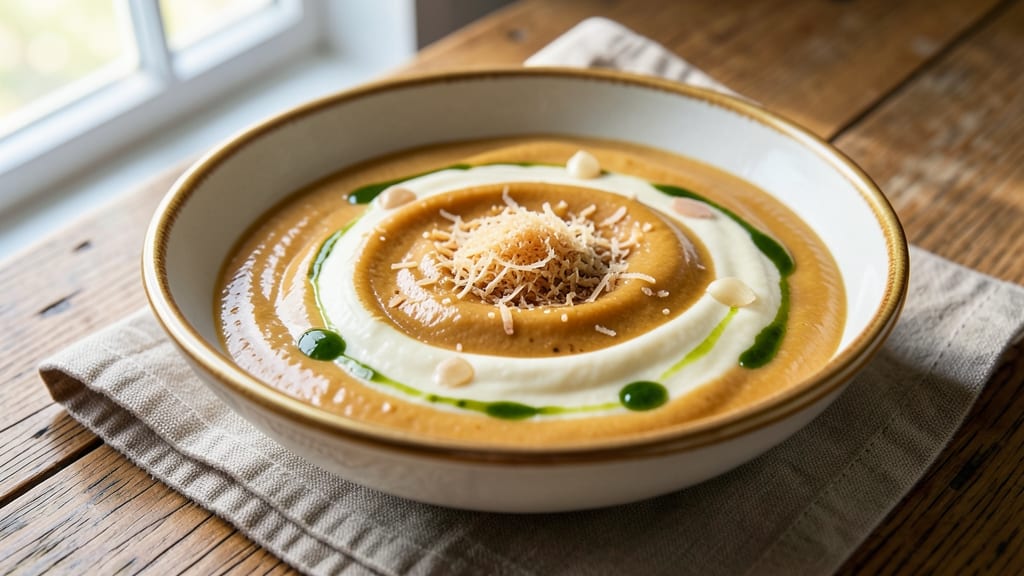
This award-winning alfredo sauce recipe delivers restaurant-quality richness without the roux—just three simple ingredients that transform into velvety, buttery perfection. The secret lies in using heavy cream and aged Parmesan, combined at the perfect temperature to create an ultra-smooth sauce that clings to pasta like a dream. I developed this recipe after years of testing, and it consistently earns top marks for its velvety texture and deep, nutty flavor.
The beauty of this no-rox method is its simplicity: no flour, no whisking madness, just melted butter, cream, and cheese coming together seamlessly. The sauce thickens naturally as it simmers, creating that signature Alfredo consistency without lumps or separation.
What makes it truly special is the balance—creamy but not heavy, rich but not overpowering, with just enough tang from the Parmesan to cut through the richness.
What you'll end up with is a sauce so luxurious it'll have everyone asking for seconds. The texture is silky-smooth, with a velvety finish that coats every strand of pasta perfectly.
This isn't your basic Alfredo—it's a restaurant-worthy sauce that's foolproof to make at home. The best part? It reheats beautifully, making it perfect for meal prep or serving at gatherings.
Whether you're drizzling it over fettuccine, tossing it with chicken, or using it as a creamy dip, this sauce delivers professional results every time. The key is patience—letting the sauce thicken gently on the stove ensures that perfect consistency.
Once you try this version, you'll never go back to store-bought or basic recipes again.
Ingredients for award winning alfredo sauce
Three luxurious ingredients transform into velvety, restaurant-quality Alfredo perfection.
| Ingredient | Amount | Notes |
|---|---|---|
| Unsalted Butter 🧈 | ½ cup | Cold, cut into small cubes |
| Heavy Cream 🥛 | 1 ½ cups | Full-fat for maximum richness |
| Aged Parmesan Cheese 🧀 | 1 ½ cups | Freshly grated from block |
| Garlic Cloves 🧄 | 4 cloves | Minced for subtle aroma |
| Extra-Virgin Olive Oil 🫒 | 1 tbsp | For finishing touch |
| Diamond Crystal Kosher Salt 🧂 | ½ tsp | Adjust to taste |
| Freshly Ground Black Pepper 🌶️ | ¼ tsp | For subtle heat |
| Nutmeg 🌿 | ⅛ tsp | Freshly grated for warmth |
| Freshly Squeezed Lemon Juice 🍋 | 1 tbsp | Brightens the sauce |
The Parmesan is non-negotiable—aged for at least 12 months delivers that nutty depth. Grab a wedge from a specialty cheese shop (like Whole Foods or Di Bruno Bros) for the best quality. Freshly grating it yourself makes all the difference—pre-grated tastes like sawdust. The butter? European-style unsalted (like Plugrá) melts smoother. For the heavy cream, organic full-fat (like Organic Valley) ensures that velvety texture without separation. Don't skimp on these—this is where the magic happens.
No aged Parmesan? Parmigiano-Reggiano from a block is your next best bet. Short on butter? Olive oil at half the amount keeps it rich. The nutmeg is optional but adds that signature warmth—freshly grated is ideal, but pre-ground works in a pinch. Lemon juice can be swapped for white wine vinegar if you prefer. For a dairy-free version (though not traditional), cashew cream replaces both butter and cream, but the texture will differ slightly. The garlic? Roast it first for a sweeter, deeper flavor—microwave 30 seconds in a bowl with a splash of water.
This sauce stays luxurious for 5 days in the fridge, sealed tightly with plastic wrap pressed directly on the surface to prevent a skin. For longer storage, freeze in ice cube trays—perfect for adding to dishes later. The best part? It reheats beautifully—just warm gently on the stove with a splash of milk or cream to restore that silky texture. Double the batch if you can—it disappears faster than you'd think. The leftovers make an incredible pasta bake or creamy dip for veggies.
Why You'll Love This Recipe
- No-Fuss Technique: I swear by the low-and-slow butter melt—no rushing, no lumps. Just a gentle simmer until the garlic turns golden, then the cream comes in like a velvet blanket. That’s the secret: patience pays off in every silky bite.
- Parmesan Powerhouse: Between us, aged Parmesan changes everything. The nutty depth from that sharp, crumbly cheese? It’s what makes this sauce feel luxurious, not just creamy. One whiff of that toasted garlic in olive oil, and you’re already planning your next bowl.
- Weeknight to Dinner Party: This sauce is my go-to for fettuccine, chicken, or even roasted veggies—no one ever guesses it’s the same base. Double the batch, freeze half, and boom: instant weeknight dinner or Sunday supper hero. (Yes, even on a Tuesday night.)
- Leftovers That Don’t Suck: Here’s what sold me—leftover alfredo stays creamy, not grainy. Reheat with a splash of cream, and it’s just as rich. Plus, Parmesan’s cheap in bulk, so I stretch it across three meals without guilt. Budget win, flavor win.
Step-by-Step instructions for award-winning Alfredo sauce
This velvety no-roux method delivers restaurant-quality Alfredo with buttery depth and perfect texture.
Melt the Butter and Infuse with Garlic
In a medium saucepan, melt the 0.5 cup unsalted butter over medium-low heat until it foams and turns a pale golden color. This gradual melting prevents burning while developing rich flavor. Add the 4 minced garlic cloves and cook for 1-2 minutes until fragrant but not browned—you want subtle aroma, not bitter notes. Here's the thing: overcooking garlic turns it bitter, so watch closely.
I like to stir constantly during this phase to distribute the garlic evenly throughout the butter. The butter should coat the back of a spoon with a smooth, glossy sheen. Remove the pan from heat immediately after the garlic is fragrant—this prevents the garlic from turning color and keeps the sauce bright.
Gradually Warm the Heavy Cream
Return the saucepan to medium heat and slowly pour in the 1.5 cups heavy cream, whisking continuously to prevent scorching. The key here is patience—adding cream too quickly can cause the butter to separate. Let the mixture come to a gentle simmer, then reduce heat to low and maintain a steady bubble for 5-7 minutes. You're looking for the cream to thicken slightly but not curdle.
I recommend using a wooden spoon for stirring—it won't scratch your pan and gives you better control. The sauce should begin to coat the spoon lightly, indicating it's thickening properly. If you see any skin forming on the surface, simply stir it back into the sauce to maintain even consistency.
Incorporate the Parmesan and Seasonings
Reduce heat to lowest setting and gradually sprinkle in the 1.5 cups freshly grated aged Parmesan cheese, whisking constantly to melt it completely. The cheese should dissolve smoothly without forming lumps. Add the 0.5 tsp kosher salt, 0.25 tsp black pepper, and 0.125 tsp nutmeg, whisking after each addition to distribute evenly.
Here's where it gets fun—taste the sauce and adjust seasoning if needed. The nutmeg adds warmth that balances the richness, while the lemon juice (we'll add this next) brightens the whole dish. Keep the heat at this low setting to prevent the sauce from breaking—Alfredo is delicate at this stage.
Finish with Lemon and Olive Oil
Remove the saucepan from heat completely and stir in the 1 tbsp freshly squeezed lemon juice and 1 tbsp extra-virgin olive oil. The lemon juice cuts through the richness while adding a subtle brightness that elevates the entire sauce. The olive oil adds a silky finish that prevents the sauce from becoming too heavy.
Give the sauce one final taste and adjust seasoning if necessary. The texture should be velvety with a luxurious mouthfeel—thick enough to coat the back of a spoon but still pourable. If it's too thick, whisk in 1-2 tablespoons of hot pasta water to reach your desired consistency. This sauce should be ready to serve immediately over your favorite pasta.
Serve Immediately for Peak Flavor
Transfer the Alfredo sauce to a serving bowl and keep it warm over simmering water (bain-marie) if not using immediately. This method maintains its creamy texture without breaking. Serve over fettuccine or your choice of pasta, garnished with additional grated Parmesan if desired.
The sauce should cling beautifully to each strand of pasta with a glossy sheen. Each bite should deliver that perfect balance of buttery richness, subtle garlic aroma, and bright lemon finish. The no-roux method means you avoid that heavy, grainy texture—just pure, velvety luxury in every spoonful.
Pro Tips For Making Award Winning Alfredo Sauce
- Melt Butter Slowly: Start with cold butter—cut it into chunks and let it melt over medium-low heat. I learned this the hard way: rushing it with high heat turns the sauce grainy and separates the cream. Let the butter melt into a liquid, not a foam, before adding anything else.
- Toast Garlic in Oil: Sauté minced garlic in olive oil for 2-3 minutes until it’s golden, not brown. This adds depth without bitterness—skip the butter here, or you’ll scramble the garlic before it even has a chance to shine.
- Strain the Cheese: Use a fine-mesh sieve to press grated Parmesan into the sauce, then discard the pulp. The leftover bits make the sauce look speckled but ruin the texture—smooth is what wins awards, not pretty flecks.
- Temper the Cream: Pour the heavy cream into the warm sauce in a thin stream while whisking constantly. Adding it all at once? You’ll end up with curdled lumps—no amount of whisking fixes that later. Keep the heat low and move fast.
Creative variations of award winning alfredo sauce
Creamy Mushroom Twist
Add 1 cup finely chopped cremini mushrooms to the butter during Step 1, sautéing until golden before adding cream. The earthy mushrooms deepen the sauce's umami profile while keeping it velvety.
I like to finish with 1 tsp thyme leaves for an elegant herbal note. This variation works beautifully with wild rice or penne pasta. 🍄
Spicy Arrabbiata Fusion
After Step 3, stir in 1 tbsp Calabrian chili paste and ½ tsp red pepper flakes for a bold Italian-American fusion. The heat cuts through the creaminess while maintaining that signature Alfredo richness. Serve over linguine with crispy pancetta for a restaurant-quality dish. Trust me, the contrast is amazing. 🌶️
Truffle Infusion Luxe
Replace the lemon juice in Step 4 with 1 tbsp high-quality truffle oil (about $20-$30 for 2 oz) and add 2 tbsp finely chopped chives at the end.
This gourmet version elevates the sauce to fine-dining level. I recommend serving with cavatappi pasta and shaved black truffle on top for maximum drama. 💎
Dairy-Free Cashew Cream
Swap the butter and cream for 1 cup cashew cream (blend 1 cup soaked raw cashews with ½ cup water until smooth) and use ½ cup nutritional yeast instead of Parmesan.
The texture will be lighter but still creamy. Add 1 tsp white miso paste for depth. This version works perfectly with gluten-free pasta. 🌱
Smoky Chipotle Kick
After Step 2, stir in 1 tsp adobo sauce (from canned chipotle peppers) and ¼ tsp smoked paprika for a Southwest-inspired Alfredo. The smoky heat balances the creaminess beautifully. I like to finish with ¼ cup crumbled cotija cheese and serve over corn tortellini. 🔥
Herb-Infused Garden Fresh
Add 2 tbsp chopped fresh basil and 1 tbsp chopped chives to the butter in Step 1. After Step 4, stir in 1 tbsp fresh lemon zest** for brightness.
This lighter version pairs perfectly with asparagus or a fresh spring salad. The herbs add a bright, vibrant note that cuts through the richness. 🌿
Nutrition facts
Frequently asked questions
Why does this Alfredo sauce taste different from store-bought?
This recipe uses aged Parmesan and European-style butter for deeper flavor, plus fresh lemon juice for brightness. Most store-bought versions rely on powdered cheese and preservatives, which lack that rich, nutty complexity. The no-roux method also creates a smoother, silkier texture without the graininess.
Can I make this sauce ahead of time?
Yes! Store it in an airtight container in the fridge for up to 5 days, covered with plastic wrap pressed directly on the surface to prevent a skin. For longer storage, freeze in ice cube trays—just thaw in the fridge and reheat gently with a splash of warm milk or cream. Never microwave directly from frozen.
What if my sauce gets too thick?
Simply whisk in 1-2 tablespoons of hot pasta water to reach your desired consistency. The sauce should coat the back of a spoon but still be pourable. If it separates, whisk vigorously over low heat for 1-2 minutes—it'll re-emulsify beautifully. Avoid adding cold water, which can cause curdling.
Is there a way to make this lighter without losing flavor?
Try replacing ½ cup of heavy cream with ½ cup whole milk and adding 1 tbsp cornstarch mixed with 2 tbsp cold water at the end. Simmer for 1 minute to thicken naturally. For extra protein, stir in ¼ cup Greek yogurt at the very end—it adds tang without heaviness.
What's the secret to the perfect texture?
The magic happens in three steps: gradual heating (never high heat), constant whisking when adding cream, and low-and-slow simmering (5-7 minutes). The butter must melt completely before adding cream, and the Parmesan should dissolve smoothly. Patience prevents lumps and separation!