
Sauces & Condiments
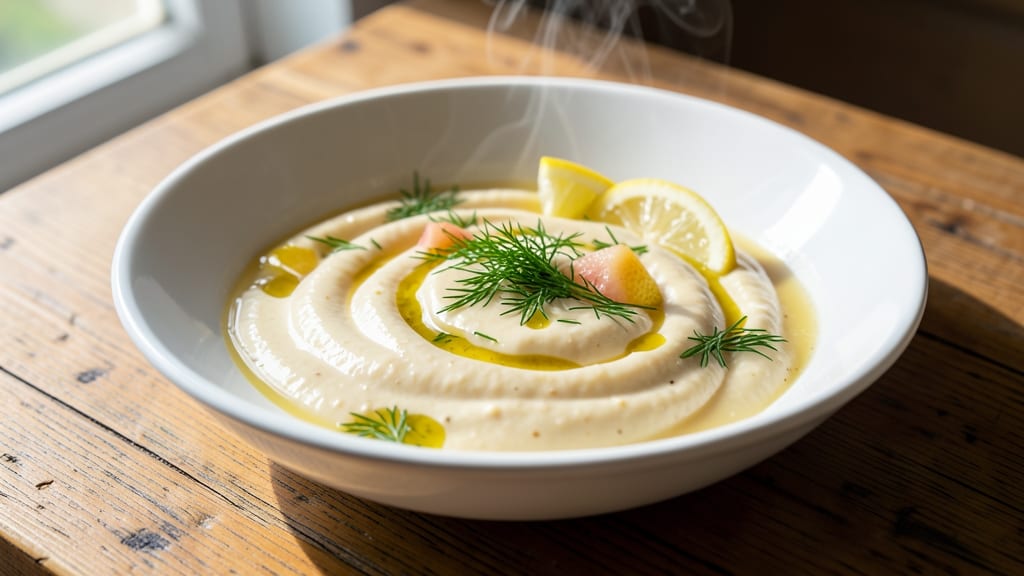
Creating the perfect avgolemono sauce transforms ordinary soups into something extraordinary—its velvety texture and bright citrus notes elevate every dish it touches. ✨ The secret lies in tempering eggs with warm broth, a technique that prevents curdling while building a silky, golden sauce that clings beautifully to soups, fish, or rice.
This classic Greek sauce requires just four core ingredients—eggs, lemon juice, warm broth, and a touch of salt—plus optional herbs for depth. The magic happens when you slowly incorporate the eggs into the hot liquid, ensuring a smooth, creamy finish without breaking.
It’s a foolproof method once you understand the tempering process.
What you’ll end up with is a rich, tangy sauce that adds body and brightness to any dish. Drizzled over bean soup, it becomes decadent; spooned onto grilled fish, it shines. The sauce thickens as it cools, making it ideal for meal prep or last-minute enhancements.
Use it as a topping, a base for creamy soups, or even as a marinade for seafood. The possibilities are endless, and the results are always impressive. Let’s make this sauce!
Ingredients for avgolemono sauce
Four core ingredients create this velvety Greek sauce—eggs, lemon, broth, and salt—plus herbs for depth.
| Ingredient | Amount | Notes |
|---|---|---|
| Large Egg Yolks 🥚 | 4 whole | Fresh, room temperature preferred |
| Extra-Virgin Olive Oil 🫒 | ¼ cup | High quality, fruity variety |
| Fresh Lemon Juice 🍋 | ½ cup | From 2-3 medium lemons |
| Warm Chicken Broth 🍲 | 2 cups | Low-sodium preferred, not boiling |
| Salt 🧂 | ½ tsp | Fine sea salt for balance |
| Fresh Dill 🌿 | 1 tbsp | Chopped, optional for brightness |
| Fresh Parsley 🌿 | 1 tbsp | Chopped, optional for depth |
| Black Pepper 🌶️ | ¼ tsp | Freshly ground for finish |
The eggs are the heart of avgolemono, so use fresh, room-temperature yolks—they whip up smoother and temper better. Pasture-raised eggs from stores like Whole Foods or local farms have richer yolks, but any high-quality eggs work. The broth must be warm (160°F) but never boiling—hotter than that and the eggs will scramble. For the lemon, Meyer lemons add subtle sweetness, but regular lemons work too. If you're using store-bought juice, avoid the bottled kind with preservatives—it lacks the fresh acidity that prevents curdling.
No extra-virgin olive oil? Light olive oil or avocado oil works, but the flavor won't be as bright. Short on lemon? Substitute lime juice at half the amount, though the color will shift slightly. The herbs are truly optional—skip them if you prefer a cleaner sauce, but they add a fresh dimension. For the broth, homemade chicken stock is ideal, but low-sodium store-bought (like Swanson or Pacific Foods) is fine if you reduce it first. If you're making a large batch, double the eggs and broth—the ratio stays the same.
This sauce thickens as it cools, so strain it immediately through a fine-mesh sieve for silky texture. Store in an airtight container with a thin layer of olive oil on top to preserve freshness. Keeps for 3-4 days in the fridge or 3 months frozen in ice cube trays. For meal prep, make a double batch—it's perfect over soups, drizzled on fish, or even folded into rice dishes. The sauce reheats beautifully, though it may thin slightly—just stir in a splash of warm water or broth to restore thickness.
Why You'll Love This Recipe
- Here’s what sold me: that perfect balance of tangy lemon and rich yolks, all while staying light. It’s like a hug for your taste buds—bright enough to cut through rich dishes but creamy enough to feel indulgent. My kids ask for it on everything, even toast.
- Five-Ingredient Magic: I swear by this—just yolks, olive oil, lemon, broth, and salt. That’s it. No chopping, no fussing, no hunting for obscure spices. The sauce comes together while you’re still debating what to eat for dinner.
- Bright & Creamy: Here’s what sold me: that perfect balance of tangy lemon and rich yolks, all while staying light. It’s like a hug for your taste buds—bright enough to cut through rich dishes but creamy enough to feel indulgent. My kids ask for it on everything, even toast.
- Game for Any Meal: Between us, this sauce is my secret weapon for lazy nights and fancy dinners. Drizzle it over orzo, toss it with grilled chicken, or even use it as a dip for crusty bread. I’ve even poured it into a thermos for lunch—still delicious hours later.
Step-by-step instructions for avgolemono sauce
Here's how to create this velvety egg-lemon sauce that transforms ordinary soups into something extraordinary.
🍳 Step 1: Whisk Egg Yolks and Lemon Juice Until Smooth
In a medium heatproof bowl, whisk together the 4 whole Large Egg Yolks and 0.5 cup Fresh Lemon Juice until fully combined and slightly thickened. I use a whisk for this step because it creates a smooth emulsion that won't curdle when heated. The mixture should be pale yellow and completely uniform—no streaks of egg white should remain.
Here's the thing—room temperature ingredients blend better, so if your yolks are cold, let them sit at room temperature for 10 minutes before starting. This prevents the sauce from breaking when you add the hot broth later. Keep the bowl off to the side while you prepare the broth—you'll be adding it to this mixture shortly.
🍳 Step 2: Gradually Temper the Egg Mixture
Place the bowl over a pot of barely simmering water (not boiling) to create a double boiler. This gentle heat will warm the egg mixture to 160°F without scrambling it. Stir constantly with a wooden spoon or silicone spatula, scraping the bottom and sides of the bowl to ensure even heating.
You'll know it's ready when the mixture thickens slightly and coats the back of a spoon. This process should take about 5 minutes. The reason we do this gradually is that sudden heat causes eggs to curdle—this method keeps them silky smooth. Don't rush this step; patience here ensures a perfect sauce.
🥘 Step 3: Combine with Warm Chicken Broth
Slowly pour the 2 cups Warm Chicken Broth into the tempered egg mixture while whisking continuously. The broth should be warm (around 160°F) but not boiling—this prevents the eggs from scrambling. I like to pour in a steady stream while whisking vigorously to create a thick, creamy sauce.
Once fully incorporated, return the mixture to the double boiler and cook for 3-5 minutes until it reaches 170°F and thickens to a pudding-like consistency. You're looking for a sauce that coats the back of a spoon but still flows smoothly. If it thickens too much, thin it with a splash of warm broth or water.
👨🍳 Step 4: Finish with Olive Oil and Herbs
Remove the sauce from heat and stir in the 0.25 cup Extra-Virgin Olive Oil, 0.5 tsp Salt, 1 tbsp Fresh Dill, 1 tbsp Fresh Parsley, and 0.25 tsp Black Pepper. The olive oil adds richness and helps stabilize the sauce, while the herbs brighten the flavors. Taste and adjust seasoning—you might need a touch more salt or lemon juice to balance the flavors.
For the best results, use this sauce immediately while it's still warm. It's perfect for drizzling over soups, grilled fish, or even as a creamy pasta sauce. If you need to store it, refrigerate in an airtight container for up to 2 days, but reheat gently over low heat to prevent curdling.
Pro Tips For Making Avgolemono Sauce
- Whisk yolks cold: Grab those egg yolks straight from the fridge and whisk them with the lemon juice first—no warm hands, no shortcuts. I learned this the hard way when my sauce curdled mid-stir; cold yolks handle the heat better, and the acid binds more smoothly.
- Temper broth slowly: Drizzle the warm broth into the yolk-lemon mix drop by drop at first, stirring like your life depends on it. After the first tablespoon or two, you can pour a bit faster—but rush it, and you’ll end up with scrambled eggs instead of sauce.
- Strain the broth: Even if your broth looks clear, strain it through a fine-mesh sieve before adding it to the yolks. Tiny bits of chicken or herbs can turn your sauce grainy, and nobody wants to chew texture in avgolemono.
- Salt the broth, not the sauce: Season the warm chicken broth before it hits the yolks—this way, you’re not guessing how much salt to add later. The sauce itself only needs a pinch; over-salting here ruins the balance of bright, tangy, and creamy.
Serving suggestions for avgolemono sauce
Soup Elevation
Avgolemono sauce is a game-changer for soups like Greek fasolada or lentil soup. Just ladle ¼ cup warm sauce over each bowl before serving—it thickens as it cools, creating a luxurious blanket of flavor.
For extra richness, stir 1 tbsp melted butter into the sauce before adding it to the soup. 🥘
Seafood Perfection
Drizzle avgolemono over grilled or baked fish like sea bass or salmon for a restaurant-worthy finish. The acidity in the lemon brightens the fish while the eggs add a velvety contrast.
I like to serve it with a sprinkle of toasted pine nuts and a few kalamata olives for texture. The sauce also works beautifully with shrimp scampi or poached mussels.
Rice and Grain Bowls
Fold avgolemono into warm rice pilaf or couscous for a creamy, tangy twist. Add ½ cup sauce per serving and toss gently to coat the grains. Top with grilled chicken, roasted vegetables, or a poached egg for a complete meal.
This works especially well with saffron rice or herbed quinoa—the flavors complement perfectly. 💛
Dips and Spreads
Use avgolemono as a dip for pita bread or crudités like cucumbers and bell peppers. Thin it slightly with a splash of warm water if needed for dipping consistency.
For a Mediterranean twist, mix in 1 tbsp chopped mint and serve with grilled halloumi cheese. It also makes an excellent spread for toasted baguette slices with smoked salmon.
Vegetable Enhancer
Stir avgolemono into warm vegetable dishes like roasted eggplant or sautéed greens for instant creaminess. The sauce clings beautifully to zucchini noodles or asparagus spears, adding body and brightness. For a hearty dish, combine with white beans and sun-dried tomatoes for a Mediterranean-inspired one-pot meal.
Breakfast Twist
Who says avgolemono is just for dinner? Drizzle it over shakshuka or poached eggs for a tangy, creamy breakfast. The lemon and egg combo creates a perfect harmony with the rich tomato sauce.
For a brunch special, serve it with toasted sourdough and crispy prosciutto—it’s a crowd-pleaser that feels indulgent yet light. ✨
Nutrition facts
Frequently asked questions
Why does avgolemono sauce sometimes curdle?
The most common cause is adding hot liquid too quickly to the egg mixture. Always temper the eggs by gradually warming them over a double boiler to 160°F before combining with warm (not boiling) broth. Stir constantly while pouring to maintain a silky texture. If it starts to curdle, whisk in 1 tablespoon cold water to reset the emulsion.
Can I make avgolemono sauce without a double boiler?
Yes! Use a heatproof bowl placed over a pot of barely simmering water—just ensure the bottom of the bowl doesn't touch the water. Alternatively, pour the warm broth into the egg mixture in a thin stream while whisking vigorously. The key is to keep everything below 170°F to prevent scrambling. A fine-mesh sieve helps strain out any lumps afterward.
How do I adjust the thickness of avgolemono sauce?
If the sauce is too thick, thin it with 1-2 tablespoons warm broth or water while whisking. For extra thickness, simmer it longer (up to 5 minutes) or reduce the broth slightly before adding it. The sauce naturally thickens as it cools, so adjust while warm. For dipping, aim for a consistency like heavy cream; for soups, a slightly looser texture works best.
What can I substitute if I don't have chicken broth?
Use vegetable broth for a vegetarian version, or white wine (reduce by half first) for depth. Fish stock adds a seafood-friendly note, while tomato juice works in a pinch for Mediterranean dishes. Always ensure the liquid is warm (not hot) to avoid curdling. The sauce's flavor will adapt, but the texture remains creamy.
Is avgolemono sauce safe to eat raw?
No, this sauce must be cooked to 160°F to kill bacteria like salmonella in the eggs. The tempering process ensures safety while keeping the eggs silky. If you're concerned, strain the sauce through a fine-mesh sieve after cooking to remove any potential lumps. Always store leftovers in the fridge for 2 days max or freeze for longer shelf life.