
Sauces & Condiments
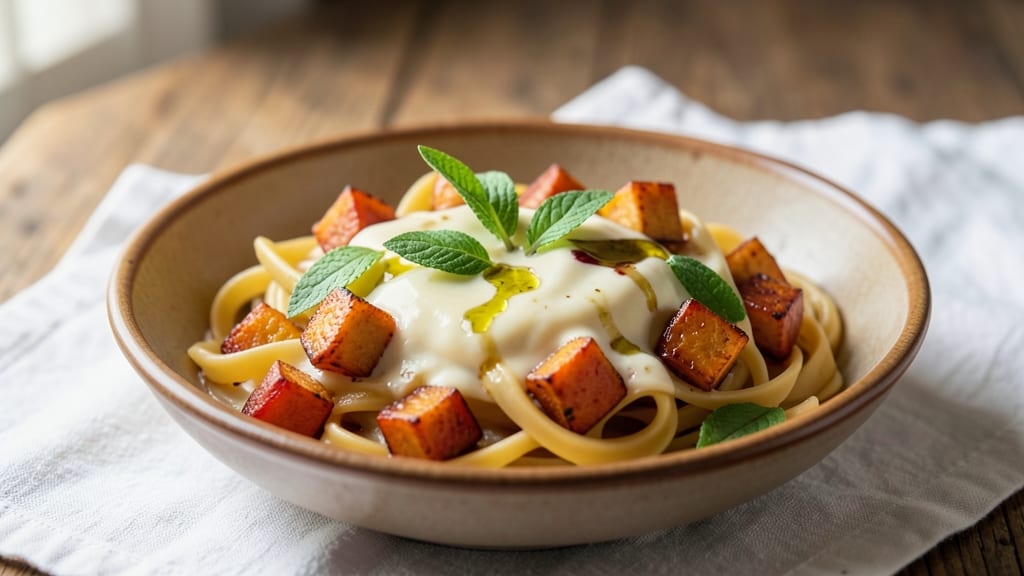
This autumn harvest pasta sauce recipe transforms humble sweet potatoes and earthy sage into a velvety, complex sauce that elevates any pasta dish.
The secret lies in slow-roasting sweet potatoes until caramelized, then blending them with aromatic sage and a touch of cream for unmatched depth—no heavy creaminess, just rich, autumnal flavor.
What starts as a simple blend of roasted vegetables becomes a luxurious sauce that clings perfectly to penne or gnocchi, turning ordinary dinners into something special.
The beauty of this sauce is its versatility—it works as a standalone condiment or as the star of your meal. The roasted sweet potatoes add natural sweetness that balances the savory sage, while a splash of white wine and a sprinkle of nutmeg create layers of complexity.
Unlike traditional tomato-based sauces, this one shines with its creamy texture and warm spices, making it ideal for fall menus when you crave something hearty yet refined.
What you'll end up with is a sauce that's smooth, velvety, and packed with autumnal warmth—perfect for drizzling over pasta, spooning alongside roasted meats, or even using as a dip for crusty bread. The best part?
It keeps well in the fridge for up to five days, so you can make a big batch and enjoy it all week. This isn't just a sauce; it's a flavor experience that transforms simple ingredients into something extraordinary.
Pair it with buttery gnocchi, al dente penne, or even as a topping for grilled chicken. The possibilities are endless, but the result is always the same: a rich, comforting sauce that tastes like fall in every bite. Ready to elevate your pasta nights? Let's get started.
Ingredients for autumn harvest pasta sauce
Sweet potatoes, sage, and cream come together for a velvety autumn sauce that feels luxurious yet simple.
| Ingredient | Amount | Notes |
|---|---|---|
| Sweet Potatoes 🍠 | 2 lbs | Medium-sized, peeled and cubed |
| Fresh Sage Leaves 🌿 | ½ cup | Packed, stems removed |
| Extra-Virgin Olive Oil 🫒 | ½ cup | High-quality, fruity variety |
| White Wine 🍷 | ½ cup | Dry, like Pinot Grigio |
| Heavy Cream 🥛 | ½ cup | Full-fat for richness |
| Garlic Cloves 🧄 | 4 cloves | Peeled and minced |
| Ground Nutmeg 🌶️ | ¼ tsp | Freshly grated preferred |
| Salt 🧂 | 1 tsp | Diamond Crystal kosher |
| Black Pepper 🌶️ | ½ tsp | Freshly cracked |
| Penne Pasta 🍝 | 1 lb | For serving suggestion |
Sweet potatoes are the star here—organic or heirloom varieties have the best flavor, but any firm sweet potato works. Trader Joe's usually has good prices, or check the produce section for the most vibrant ones. Roast until caramelized for that deep sweetness that balances the earthy sage. The sage? Fresh is non-negotiable—dried just won't cut it. Look for plump leaves with vibrant green color, not wilted or yellowing stems. I always buy extra because half gets torn up for garnish later. For the wine, any dry white works—Pinot Grigio or Sauvignon Blanc are my go-tos, but whatever's open in your fridge will do.
No white wine? Chicken or vegetable broth works in a pinch, though it'll be less complex. Dried sage? Use one-third the amount but toast it first in a dry pan for 30 seconds to wake up the flavor. Heavy cream too rich? Swap for coconut milk or Greek yogurt—it'll be lighter but still creamy. The nutmeg is key for that autumnal warmth, but if you're out, a pinch of cinnamon adds a nice twist. For the olive oil, avoid the cheap stuff—you can taste the difference in the final sauce. A good EVOO makes everything better, trust me.
This sauce keeps beautifully—5 days in the fridge sealed in a jar with a thin layer of olive oil on top to preserve color and flavor. Freezes for 3 months too, so make a double batch. I always reheat gently on the stove with a splash of water or broth to loosen it up. Pasta loves this sauce cold too—great for meal prep. Store the pasta separately and toss it with sauce just before serving so it doesn't get mushy. The nutmeg and sage flavors actually get more pronounced as it sits, so leftovers often taste even better.
Why You'll Love This Recipe
- Sweet Potato Shortcut: I roast the sweet potatoes ahead—sometimes while I’m making dinner, sometimes the night before—and just toss them into the sauce. No peeling, no fuss, just caramelized chunks that melt into creamy perfection.
- Sage-Wine Magic: That first splash of white wine brightens everything, while the sage leaves crisp up into little aromatic gold flakes. Honestly, it’s the kind of flavor that makes you pause mid-bite and go, "Why haven’t I done this sooner?"
- Weeknight to Dinner Party: Same sauce, totally different vibes: toss it with pasta for a quick weeknight meal, or drizzle it over grilled chicken for a fancier spread. The heavy cream makes it feel indulgent, but the wine keeps it light—like a hug from your favorite chef.
- Leftovers That Don’t Suck: Between us, most pasta sauces turn gluey by day two. Not this one. The sweet potatoes thicken it just enough, and the cream keeps it luscious. I’ve reheated this sauce three days later, and it’s still ridiculously good—proof it’s worth doubling the batch.
Step-by-step instructions for sweet potato and sage pasta sauce
Here's how to transform simple ingredients into a velvety autumn sauce that's rich, aromatic, and perfect for cozy evenings.
Roast Sweet Potatoes Until Caramelized
Preheat your oven to 400°F and line a baking sheet with parchment paper. Arrange the 2 lbs sweet potatoes (peeled and cubed) in a single layer, leaving space between each piece. Drizzle with 2 tablespoons of the 0.5 cup extra-virgin olive oil, then sprinkle with ½ teaspoon of the 1 teaspoon salt and ¼ teaspoon of the 0.5 teaspoon black pepper.
Roast for 25-30 minutes until the edges are deep golden brown and the sweet potatoes are tender when pierced with a fork. The aroma should be sweet and earthy—this is your cue they're ready. For even browning, flip the cubes halfway through cooking. Real talk: if they stick, don't panic—just add a quick spray of olive oil before flipping.
Sauté Sage and Garlic in Olive Oil
While the sweet potatoes roast, heat the remaining 0.3 cup extra-virgin olive oil in a large skillet over medium heat. Add the 0.5 cup fresh sage leaves and 4 cloves minced garlic, stirring gently for 1-2 minutes until the sage leaves just begin to crisp at the edges and release their piney fragrance.
Here's the thing—don't let the garlic burn. You'll know it's ready when the mixture smells like a forest after rain. Remove the skillet from heat and set it aside, leaving the sage and garlic in the oil. This infused oil will carry all the autumnal flavors into your sauce.
Deglaze with Wine and Simmer
Return the skillet to medium heat and add the roasted sweet potatoes along with their caramelized juices. Pour in the 0.5 cup white wine and scrape up any browned bits from the bottom of the pan—this is where all the flavor hides. Let the mixture simmer for 5 minutes until the wine reduces by half and the sweet potatoes begin to break down slightly.
Stir in the 0.25 teaspoon ground nutmeg and the remaining ½ teaspoon salt and ¼ teaspoon black pepper. The nutmeg adds that warm, cozy depth that makes this sauce feel like autumn in a bowl. Taste and adjust seasoning—you want a balance of sweetness from the potatoes and earthy warmth from the spices.
Finish with Cream for Velvety Texture
Reduce the heat to low and gently stir in the 0.5 cup heavy cream. Let the sauce simmer for 3-4 minutes until it thickens slightly but remains silky. You're aiming for a consistency that coats the back of a spoon but still flows easily. If it thickens too quickly, add 2-3 tablespoons of pasta water (from cooking the penne) to loosen it.
This is the moment that matters: the cream should blend seamlessly with the sweet potatoes, creating a sauce that's rich but not heavy. The sage and nutmeg should be present in every spoonful, with just a hint of wine's acidity to brighten the flavors. If you taste it now and it needs more depth, add a pinch more nutmeg or a splash of wine.
Serve Over Al Dente Penne
Cook the 1 lb penne pasta in generously salted boiling water until al dente (about 1 minute less than package instructions). Reserve ½ cup pasta water before draining, then toss the penne with the warm sauce, adding pasta water as needed to reach your desired consistency.
Serve immediately, garnished with additional fresh sage leaves if you're feeling fancy. The contrast of the creamy sauce with the toothsome penne makes every bite satisfying. This sauce keeps well in the fridge for 3 days, so it's perfect for meal prep—just reheat gently with a splash of water or milk to restore its silky texture.
Pro Tips For Making Autumn Harvest Pasta Sauce
- ROAST SWEET POTATOES FIRST: I learned this the hard way—trying to soften cubes in the sauce leads to a watery mess. Roast them at 400°F (200°C) for 20-25 minutes until tender and caramelized, then crush them right into the sauce. That deep, toasty flavor? Non-negotiable.
- SALT THE WINE: Yes, even the white wine. A pinch of flaky salt (or a few grains of kosher) before reducing it cuts the sharpness and balances the sweet potatoes later. I was skeptical until I tried it—now I never skip it.
- CRUSH SAGE LEAVES, DON’T CHOP: Whole sage burns and releases bitterness; finely chopped leaves disappear. Instead, roll them between your palms until they’re tiny but still visible, then toast them in the olive oil for 30 seconds. That aroma? It’s the thing that matters most.
- WAIT FOR CREAM TO TEMPER: Cold heavy cream straight into a hot sauce? It’ll seize up like scrambled eggs. Warm the cream in a separate pan until steaming (not boiling), then whisk it in slowly. Sounds weird, but it works—no lumps, just silky richness.
Wine and beer pairings for this recipe
White Wine Pairings
A crisp, dry white wine with bright acidity and subtle citrus notes complements this rich sauce beautifully. I always reach for a Pinot Grigio from Italy—its delicate almond and pear flavors cut through the creamy sweet potatoes without overpowering the earthy sage.
For something with a bit more complexity, try a Chardonnay with minimal oak (like a Meadowbridge from California), which adds a creamy texture that mirrors the sauce's velvety mouthfeel. 🍷
If you prefer something lighter, a Sauvignon Blanc with its zesty lime and green apple notes provides a refreshing contrast. Look for one from New Zealand or Loire Valley—both regions excel at balancing acidity and fruitiness.
Avoid heavy, oaked whites like Chablis, as they might clash with the sauce's natural sweetness. Pro tip: chill your wine to 45-50°F before serving to enhance its crispness against the warm sauce.
Red Wine Options
Don’t be afraid to try a light-bodied red if you prefer them. A Pinot Noir with its red fruit and earthy undertones pairs surprisingly well—just ensure it’s not too tannic.
I often enjoy a Willamette Valley Pinot Noir, which has enough acidity to stand up to the creaminess. The wine’s bright cherry notes complement the roasted sweet potatoes beautifully. 🍇
For a bolder choice, a Gamay (like a Beaujolais) offers juicy raspberry flavors that harmonize with the nutmeg and sage. Avoid heavy reds like Cabernet Sauvignon—their tannins will overpower the delicate sauce.
Serve your red wine slightly cooler than room temperature (55-60°F) to soften its tannins and let its fruitiness shine.
Beer Pairings
A crisp lager or wheat beer is my go-to beer pairing for this sauce. A German Helles or Belgian Witbier (like Hoegaarden) brings a clean, slightly spicy note that balances the richness.
The Witbier’s citrusy coriander and orange peel flavors echo the nutmeg in the sauce, creating a delightful contrast. 🍺
For something heartier, a light amber ale with caramel and biscuit notes (like Fat Tire) works well. Avoid heavy stouts or IPAs—their bitterness will compete with the sauce’s sweetness. Serve your beer chilled (40-45°F) to let its crispness complement the creamy texture.
If you’re feeling adventurous, try a sparkling wine (like Prosecco) for a festive touch—its bubbles cleanse the palate between bites.
Non-Alcoholic Pairings
No wine or beer on hand? A sparkling apple cider (like Martinelli’s) is a fantastic non-alcoholic option. Its effervescence and apple notes brighten the sauce’s richness, while its slight sweetness enhances the roasted sweet potatoes.
For something more herbal, try a ginger beer—the spicy kick complements the sage beautifully. 🍎
Another great choice is a cucumber-mint infused water with a splash of lime. The cool, refreshing flavors contrast perfectly with the warm, creamy sauce. If you’re serving this at a gathering, offer a variety of pairings so everyone can find their ideal match.
The key is balancing the sauce’s depth with something light and refreshing.
Nutrition facts
Frequently asked questions
Can I make this sauce without white wine?
Use ½ cup chicken or vegetable broth instead—it'll add depth without alcohol. For extra richness, add 1 teaspoon lemon juice to brighten the flavors. The sauce will still be delicious, though the wine's acidity helps balance the sweetness of the roasted sweet potatoes.
How do I adjust the consistency if it's too thick?
Thin with 2-3 tablespoons pasta water or a splash of warm milk. Stir gently and reheat for 1-2 minutes*—never boil, or the cream may curdle. For a lighter texture, reduce the heavy cream to ¼ cup—coconut milk works too. The sauce should coat the back of a spoon but still flow smoothly.
What other pasta shapes work best with this sauce?
This velvety sauce clings beautifully to gnocchi, rigatoni, or farfalle—any shape with ridges or hollows. For extra drama, try pappardelle (wide ribbons) or fettuccine—the sauce creates a luxurious coating. Avoid tiny shapes like orzo, as they can get lost in the richness.
Can I make this sauce ahead of time?
Yes! Store in an airtight container in the fridge for 5 days or freeze for 3 months. Reheat gently on low heat with a splash of water or milk to restore its silky texture. Pro tip: Cool the sauce completely before refrigerating to prevent a skin from forming.
What if I don’t have fresh sage?
Use ⅓ teaspoon dried sage—toast it in a dry pan for 30 seconds to wake up the flavor. For extra depth, add ½ teaspoon thyme or a pinch of rosemary. Fresh sage's piney aroma is irreplaceable, but dried works in a pinch.