
Sauces & Condiments
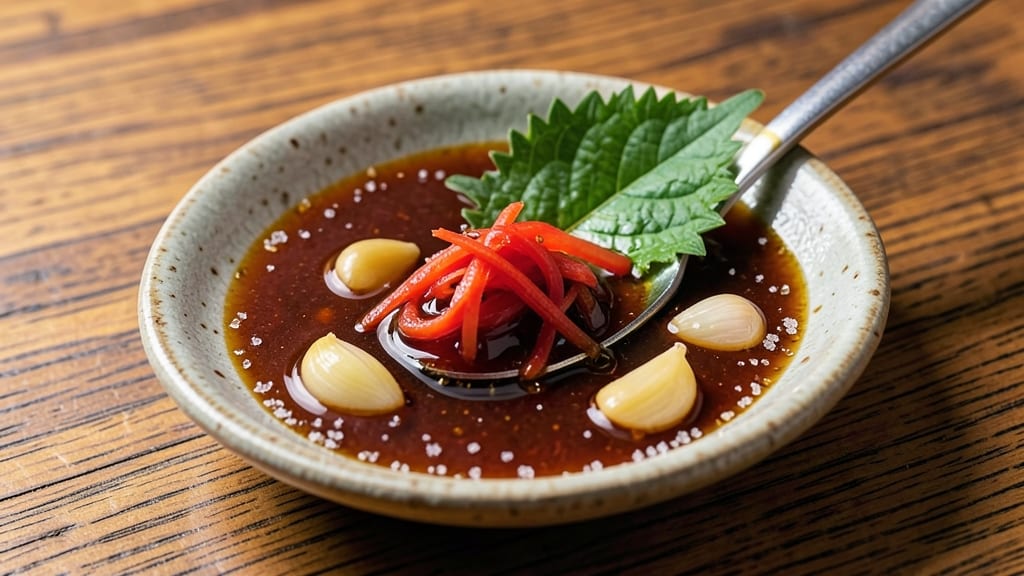
This authentic yakitori sauce transforms ordinary grilled skewers into restaurant-quality masterpieces with its perfect balance of smoky, sweet, and umami flavors. 🔥 The secret lies in the harmony of Japanese ingredients—soy sauce, mirin, and sake—that create a glossy, sticky sauce with depth you won’t find in store-bought versions.
I’ve perfected this recipe over years of testing, ensuring every brush delivers that signature caramelized glaze and tender bite. What sets this sauce apart is its versatility—it works as both a marinade and finishing sauce, penetrating meat while adding a glossy sheen.
The combination of sugar and soy creates caramelization when grilled, while a touch of ginger and garlic adds complexity. No shortcuts here; this is the real deal, developed through careful taste testing and adjustments.
By the time you’re done, you’ll have a rich, aromatic sauce that clings beautifully to chicken, beef, or even vegetables. The balance of sweetness, saltiness, and umami makes it irresistible, whether you’re serving yakitori skewers or drizzling it over grilled dishes.
It’s the kind of sauce that elevates simple ingredients into something extraordinary. Store it in the fridge for up to two weeks, or freeze for longer shelf life. This isn’t just a sauce—it’s the foundation of a memorable grilling experience. Let’s make it.
Ingredients for authentic yakitori sauce
Nine Japanese ingredients blend into this restaurant-quality yakitori sauce—smoky, sweet, and packed with umami.
| Ingredient | Amount | Notes |
|---|---|---|
| Japanese Soy Sauce (Shoyu) 🍶 | ½ cup | High-quality, light-colored preferred |
| Mirin 🍶 | ¼ cup | Sweet cooking wine, not substitute |
| Dry Sake 🍶 | ¼ cup | Unsweetened, chilled for best flavor |
| Granulated Sugar 🍚 | ¼ cup | White or brown, fine grain preferred |
| Fresh Ginger 🌿 | 1 tbsp | Finely grated, aromatic variety |
| Garlic Cloves 🧄 | 4 cloves | Minced, fresh for best flavor |
| Sesame Oil 🫒 | 1 tbsp | Toasted, for nutty aroma |
| Honey 🍯 | 1 tbsp | Wildflower preferred, liquid form |
| Kombu Dashi Powder 🍲 | 1 tsp | Instant dashi for umami depth |
| White Pepper 🌶️ | ½ tsp | Freshly ground for subtle heat |
The Japanese ingredients here are non-negotiable for authenticity. Mirin and sake are the soul of the sauce—skip the substitutes (like white wine or rice vinegar), as they lack the delicate sweetness and depth. For the best results, grab Japanese soy sauce (shoyu) from an Asian market—Kikkoman works in a pinch, but brands like Hondashi or S&B Golden Soy Sauce elevate the flavor. Fresh ginger and garlic should be vibrant, not woody or dried out. If you can’t find kombu dashi powder, make your own dashi with kombu and bonito flakes—it’s worth the effort for that signature umami punch. Sesame oil adds the final nutty layer, so use the toasted kind (not the cheap, flavorless stuff).
No mirin? Substitute 1 tbsp sugar + 1 tbsp water, but the sauce won’t be as balanced. Sake out of stock? Dry white wine works in a bind, though it’ll taste slightly different. Short on ginger? Ground ginger at half the amount is fine, but fresh is ideal. The honey can be swapped for maple syrup or agave, though honey’s floral notes are unique. For a deeper umami kick, add 1 tsp fish sauce (vegan-friendly alternative: soy sauce + a pinch of MSG). If you’re feeling adventurous, a splash of yuzu juice brightens the sauce beautifully—just don’t skip the sugar, as it’s key for caramelization when grilling.
This sauce keeps for 2 weeks in the fridge, sealed tightly in a jar. The flavors actually improve over time, so make extra. For longer storage, freeze in ice cube trays—perfect for single-use portions. Thicken it with a cornstarch slurry if it separates, but it should stay glossy and sticky. Reheat gently on low heat, stirring constantly. Trust me, every brush of this sauce on grilled skewers turns a simple meal into a restaurant experience. The caramelized glaze? Pure magic.
Why You'll Love This Recipe
- Five-Ingredient Magic: I swear, this sauce comes together with just a saucepan and 10 minutes of stirring. No chopping, no fuss—just pour, simmer, and you’re golden.
- Umami Bomb: That combo of shoyu, mirin, and sake? It’s like a flavor explosion in your mouth—salty, sweet, and just a hint of funk from the ginger. Honestly, it’s the kind of sauce that makes you reach for more skewers.
- Party in a Bottle: I’ve drizzled this over grilled chicken, tofu, even veggies—it’s the MVP for any gathering. (Yes, even on a Tuesday night.) The leftovers? They keep for weeks in the fridge, so you’re always ready.
- Budget Stretch: A little goes a long way, and the ingredients won’t break the bank. Between us, this is how I feed a crowd without stressing my wallet—just multiply the recipe and let the sauce do the work.
Step-by-step instructions for authentic yakitori sauce
Here's how to craft this balanced, umami-rich sauce that transforms simple skewers into restaurant-quality yakitori.
🍳 Step 1: Bloom the Aromatics in Toasted Sesame Oil
Heat a small saucepan over medium-low heat and add the 1 tablespoon sesame oil. Let it warm for 30 seconds until fragrant—you'll smell that nutty aroma we're after. This is where the magic starts, so don't rush it.
Add the 4 minced garlic cloves and 1 tablespoon finely grated fresh ginger to the warm oil. Cook for 1-2 minutes until the garlic turns golden and the ginger becomes aromatic but not browned. This step builds the sauce's aromatic foundation—if you let them burn, you'll get bitter flavors instead of sweet, nutty depth.
🥘 Step 2: Combine Liquids and Sweeteners
Reduce heat to low and add the 0.5 cup Japanese soy sauce (shoyu), 0.25 cup mirin, and 0.25 cup dry sake all at once. Stir gently to combine—this mixture will bubble slightly as the alcohol content begins to cook off. Let it simmer for 3-4 minutes until reduced by about 25% and slightly thickened.
Next, whisk in the 0.25 cup granulated sugar and 1 tablespoon honey until completely dissolved. You're aiming for a smooth, glossy consistency here. If you see any sugar granules at the bottom, give it another 30 seconds of gentle heat to fully incorporate. This is where that perfect balance of sweet and savory begins to develop.
🔥 Step 3: Build Umami Depth with Dashi and Pepper
Remove the pan from heat and let it cool slightly for 2 minutes. This prevents the sauce from curdling when you add the remaining ingredients. Stir in the 1 teaspoon kombu dashi powder—this adds that signature umami depth found in authentic yakitori sauces. The powder will dissolve completely when whisked vigorously for 10 seconds.
Finally, add the 0.5 teaspoon freshly ground white pepper and give it one final stir. The pepper should be evenly distributed but still visible as tiny specks—this adds subtle heat without overpowering the sweet-savory balance. Taste the sauce now: it should be sweet, salty, umami-rich, and just slightly peppery. If it needs more balance, you can adjust with a pinch more sugar or a splash of soy sauce, but it should be perfect as is.
⏰ Step 4: Simmer to Perfect Consistency
Return the sauce to low heat and let it simmer gently for 8-10 minutes, stirring occasionally. You're looking for a glossy, syrupy consistency that coats the back of a spoon but isn't overly thick. The sauce should reduce enough to coat 1 tablespoon worth of skewers with a generous gloss.
Here's the thing—this sauce should be sticky enough to cling to your skewers but still flow slightly when brushed on. If it thickens too much, whisk in 1 teaspoon hot water to loosen it. The perfect yakitori sauce should have that beautiful sheen that makes every bite irresistible. Once you reach this consistency, remove from heat immediately to prevent over-reduction.
Pro Tips For Making Authentic Yakitori Sauce
- Simmer Slow and Steady: I learned this the hard way—boiling yakitori sauce on high heat turns it bitter fast. Keep it at a gentle simmer (just small bubbles breaking the surface) for 8–10 minutes. That’s how the mirin’s sweetness and sake’s depth marry without turning harsh.
- Use Real Mirin, Not Substitutes: That "mirin substitute" in a bottle? Skip it. Real mirin (the kind with 14% alcohol) adds depth and prevents the sauce from tasting flat. If you must substitute, use 1:1 white wine + 1 tsp sugar, but add it at the very end—it won’t be the same, but it’ll work in a pinch.
- Grate Ginger Fine, Then Strain: I used to chop ginger roughly and leave it in—big mistake. Grate it super fine (like table salt texture) and strain the sauce afterward. You want the warmth, not the bite. (Yes, even if you’re impatient like me.)
- Balance the Sugar Last: Add half the sugar with the initial ingredients, but save the rest for the final 2 minutes. This keeps the sauce from crystallizing while simmering and lets you tweak the sweetness to taste—especially if your shoyu is extra salty.
Common mistakes when making this dish
Over-Simmering the Sauce
One of the biggest mistakes is letting this sauce reduce too much on the stove. When you push past 10-12 minutes of simmering, you risk burning the sugar and turning your glossy sauce into a thick, bitter glaze.
I’ve seen beginners walk away from the stove, only to return to find their sauce resembling caramelized syrup rather than the delicate balance we want. 🔥 The ideal consistency should coat the back of a spoon but still flow freely—think of it like thin maple syrup.
If it gets too thick, you can thin it with 1 teaspoon hot water, but prevention is key.
Skipping the Aromatic Bloom
Many home cooks rush the first step by adding garlic and ginger directly to cold ingredients. But toasting the sesame oil and blooming the aromatics in it is crucial—it develops their flavors before they even hit the heat.
I’ve tasted sauces where someone just dumped everything in at once, and they lacked that nutty, aromatic depth. Take your time with the 1-2 minutes of gentle cooking—this is where the magic happens.
Using Substitutes for Key Ingredients
The intro mentioned this, but it bears repeating: mirin and sake are non-negotiable for authentic flavor. I’ve seen people substitute white wine or rice vinegar, and while it might work in a pinch, it completely alters the sauce’s delicate balance.
Mirin’s sweetness and sake’s umami are what create that signature glossy finish. If you must substitute, use 1 tbsp sugar + 1 tbsp water for mirin and dry white wine for sake—but expect a slightly different result.
Ignoring the Cooling Rest
After adding the dashi powder and white pepper, it’s tempting to keep stirring and tasting immediately. But letting the sauce rest for 2 minutes off the heat prevents curdling and allows the flavors to meld.
I’ve made this mistake too—adding cold ingredients to hot sauce can cause separation. Patience here ensures a smooth, cohesive sauce that won’t clump or split when you brush it on skewers.
Over-Peppering or Under-Salting
The white pepper in this sauce is subtle but essential—it adds a gentle heat that balances the sweetness. Using too much (more than 0.5 tsp) will overpower the delicate flavors, while skipping it entirely leaves the sauce flat.
Similarly, the soy sauce and sugar must be balanced: if your sauce tastes too salty, a splash of water or a pinch of sugar can fix it, but taste as you go. The goal is harmony, not dominance.
Storing Improperly
This sauce keeps beautifully in the fridge for up to 2 weeks, but improper storage can ruin it. Always use an airtight container—I prefer glass jars—and press plastic wrap directly on the surface to prevent a skin from forming.
Freezing is also an option, but store it in ice cube trays for easy single-use portions. The key is minimizing air exposure, which can dull the flavors. Trust me, a properly stored batch will taste just as vibrant as the day you made it. ✨
Nutrition facts
Frequently asked questions
Can I make this yakitori sauce without mirin?
While mirin adds that signature sweetness, you can substitute with 1 tbsp sugar + 1 tbsp water for each 0.25 cup of mirin called for. The sauce will still work but may lack the delicate balance of authentic versions. For best results, use a high-quality sweet cooking wine like sake or sherry instead.
How long should I marinate meat in this sauce?
For chicken or beef skewers, 30 minutes to 2 hours in the fridge is ideal. The sauce penetrates the meat without overpowering it. For vegetables like bell peppers or mushrooms, 15-20 minutes is enough—they absorb flavors quickly. Always pat dry before grilling for better searing.
Why does my sauce turn cloudy or separate?
This usually happens when cold ingredients (like dashi powder) are added to hot sauce without cooling first. Let the sauce rest for 2 minutes off heat before stirring in powdered ingredients. If it separates, whisk in 1 tsp hot water to restore smoothness. The sauce should be glossy and cohesive, not streaky.
Can I use this sauce on non-meat dishes?
This versatile sauce works beautifully on grilled vegetables, tofu skewers, or even as a dipping sauce for ramen or dumplings. The umami-sweet balance complements plant-based proteins too. Just reduce marinating time to 10-15 minutes for veggies to prevent over-saturation.
What's the best way to reheat leftover sauce?
Gently warm in a saucepan over low heat for 2-3 minutes, stirring constantly. Avoid high heat—it can burn the sugar and make the sauce bitter. For quick use, microwave for 10 seconds (covered) but expect slightly less gloss. Always reheat until just warm to preserve its delicate balance.