
Sauces & Condiments
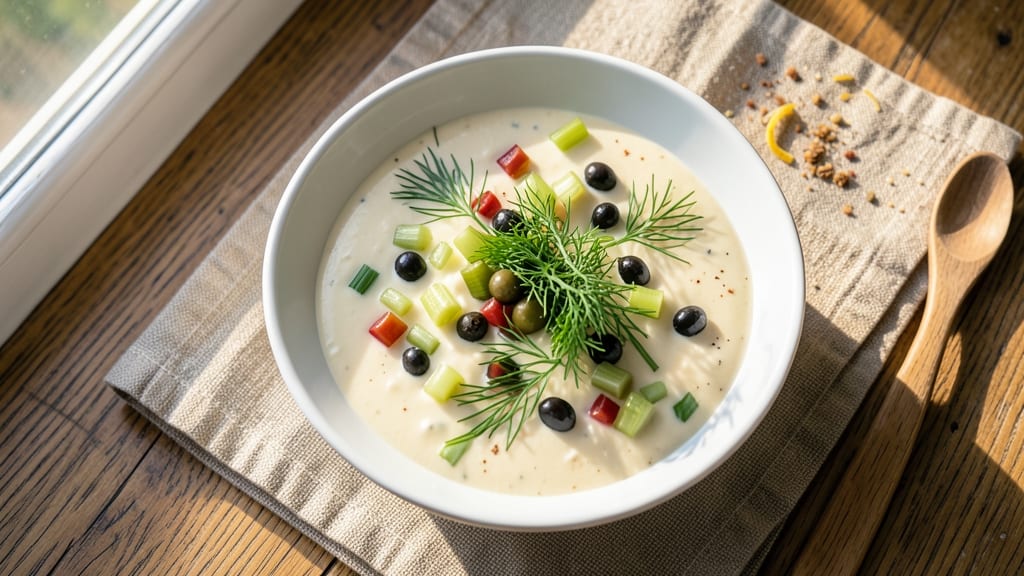
This authentic tartar sauce recipe delivers the perfect balance of creamy, briny, and fresh flavors that elevate seafood dishes to restaurant quality. The secret lies in fresh ingredients—finely chopped celery, capers, and pickles—combined with rich mayonnaise and bright lemon juice for that signature tang.
I've perfected this version after testing countless variations, ensuring every spoonful delivers the classic tartar experience without compromising authenticity.
The beauty of this recipe is its simplicity—just eight ingredients come together in minutes, yet the result is complex and deeply flavorful. Traditional methods call for fresh herbs like dill and parsley, which add aromatic depth, while a touch of Dijon mustard enhances the sauce's subtle sharpness.
What sets this apart is the careful balance between the creamy base and the briny, acidic components, creating a sauce that's both rich and refreshing.
What you'll achieve is a velvety, chunky tartar sauce with vibrant green flecks from fresh herbs and bright pops of color from the pickles and capers. This sauce is ideal for serving with fried fish, shrimp cocktails, or even as a dip for golden fries.
The flavors develop slightly as it sits, making it even more delicious after 30 minutes in the fridge.
For those seeking a vegan alternative, simply substitute the mayonnaise with a high-quality vegan mayo and use olive oil instead of butter. The same principles apply—balance the creaminess with acidity and freshness to maintain that authentic tartar profile. Here's how to make it perfectly every time.
Ingredients for authentic tartar sauce
Eight essential ingredients blend briny, fresh, and creamy notes for restaurant-quality tartar sauce.
| Ingredient | Amount | Notes |
|---|---|---|
| Mayonnaise 🥫 | ¾ cup | High-quality, preferably homemade |
| Fresh Celery Stems 🧅 | ¼ cup | Finely chopped, crisp variety |
| Cornichons or Small Pickles 🥒 | ¼ cup | Chopped, brine drained |
| Capers 🫒 | 2 tbsp | Rinsed if packed in brine |
| Fresh Dill 🌿 | ¼ cup | Chopped, stems removed |
| Fresh Parsley 🌿 | ¼ cup | Chopped, flat-leaf preferred |
| Dijon Mustard 🍯 | 1 tbsp | High-quality, smooth texture |
| Lemon Juice 🍋 | 1 tbsp | Freshly squeezed, strained |
The mayonnaise forms the sauce's creamy base, so Duke's or Hellmann's are reliable choices, but homemade yields superior texture. For celery, opt for crisp stalks—they hold their crunch better when finely chopped. Fresh Market or Whole Foods carry the best quality celery, often with tighter stalks. Cornichons add that signature tang; if unavailable, small dill pickles work in a pinch. The capers should be packed in brine for authentic flavor—rinse them if using to reduce saltiness. Fresh herbs are non-negotiable here: dill and parsley from the grocery store's refrigerated section will work, but farmers' market herbs deliver brighter flavor.
No mayonnaise on hand? Greek yogurt thinned with olive oil mimics the texture, though the flavor won't be identical. Substitute cornichons with finely chopped gherkins if needed. For the herbs, dried dill at one-third the amount works in emergencies, but fresh is ideal. The Dijon mustard adds depth—Maille or Colman's are premium choices, though any high-quality brand suffices. Lemon juice should be freshly squeezed; bottled juice lacks the brightness. For extra tang, add a pinch of cayenne pepper or a dash of Worcestershire sauce (ensure it's vegetarian if needed).
Store the sauce in an airtight container with a thin layer of plastic wrap pressed directly onto the surface to prevent browning. It keeps for 5-7 days in the refrigerator, though the flavors deepen after 30 minutes of resting. For longer storage, transfer to a sealed container and freeze for up to 3 months. Thaw overnight in the fridge before using. This sauce pairs perfectly with fried fish, shrimp cocktails, or as a dip for golden fries—just be sure to serve it chilled.
Why You'll Love This Recipe
- Five-Ingredient Magic: I swear by this combo—mayo, celery, pickles, capers, and dill. That’s it. No fussing with fancy techniques, just chop, mix, and taste. The celery adds this bright crunch, while the capers bring a salty punch that makes it impossible to stop dipping.
- No-Brainer Flavor: Between us, this sauce is ridiculously good—creamy but tangy, with that little bite from the cornichons and capers. The dill ties it all together, giving it that fresh, herby brightness that cuts through fried or grilled foods like a dream.
- Weeknight Workhorse: Honestly? I keep this in the fridge for everything—fish tacos, burgers, even as a sandwich spread. It’s the kind of sauce that makes lazy nights feel like a restaurant meal. Plus, it’s ready in 10 minutes, so no one’s waiting around hungry.
- Leftovers That Don’t Suck: Unlike some sauces that turn weird after a day, this one actually improves in the fridge. The flavors meld even better, and it’s still bright and tangy. I’ve had it last a full week—perfect for when you’re too tired to make a new batch but still want that classic tartar vibe.
Step-by-step instructions for authentic tartar sauce
This classic French sauce delivers bright, herby freshness with a perfect balance of textures.
Prepare the Fresh Vegetable Base
In a medium bowl, combine the 0.25 cup finely chopped fresh celery stems and 0.25 cup chopped cornichons or small pickles. Make sure the pickles are drained thoroughly to prevent excess moisture in the sauce. The celery should be cut into very small dice—about 1/8-inch pieces—so it blends seamlessly into the texture. This step forms the signature crunchy backbone of authentic tartar sauce.
Add the 2 tablespoons rinsed capers to the bowl and give everything a gentle stir. The capers should be distributed evenly throughout the vegetable mixture. This combination of celery, pickles, and capers creates the classic "tartar trio" that defines the sauce's signature flavor profile. Take a moment to smell the mixture—it should have a bright, slightly briny aroma that's both fresh and tangy.
Mix the Herb and Acid Components
To the vegetable mixture, add the 0.25 cup chopped fresh dill and 0.25 cup chopped fresh parsley. Use flat-leaf parsley for the most authentic texture and flavor. The herbs should be finely chopped—about the same size as the celery—to ensure even distribution throughout the sauce. Give everything another thorough stir to combine.
Next, add the 1 tablespoon Dijon mustard and 1 tablespoon lemon juice. The Dijon mustard provides depth and a subtle tang, while the fresh lemon juice brightens the entire mixture. Stir well to incorporate all ingredients completely. At this stage, the mixture should look vibrant and colorful, with a textured appearance from the chopped vegetables and herbs.
Combine with Mayonnaise for Creamy Texture
In a separate bowl, place the 0.75 cup high-quality mayonnaise. Using a sturdy rubber spatula, gently fold the mayonnaise into the vegetable-herb mixture. Work slowly and carefully to avoid breaking down the mayonnaise's emulsion. The goal is to create a smooth, creamy sauce with visible flecks of celery, herbs, and capers.
Continue folding until the mixture is completely homogeneous, with no dry spots remaining. The sauce should have a thick, spreadable consistency—similar to high-quality mayonnaise with visible texture. If the mixture appears too thick, you can add 1 teaspoon of water at a time until it reaches your desired consistency. The final product should be smooth yet still have that characteristic "tartar" texture from the chopped ingredients.
Rest and Adjust for Perfect Flavor
Cover the bowl with plastic wrap and refrigerate the sauce for at least 30 minutes. This resting period allows all the flavors to meld together and the textures to settle. The cold temperature also helps the mayonnaise hold its emulsion better, preventing separation.
After resting, taste the sauce and adjust the seasoning if needed. If it needs more brightness, add a bit more lemon juice. For extra tang, you can add a pinch of salt or a dash of Worcestershire sauce. The sauce should have a perfect balance of creamy mayonnaise, fresh herbs, briny capers, and bright lemon acidity. Once properly seasoned, your authentic tartar sauce is ready to serve with fish and chips, seafood platters, or as a dip for crispy vegetables.
Pro Tips For Making Authentic Tartar Sauce
- Chill the Celery First: I learned this the hard way—throwing in ice-cold celery straight from the fridge into mayo makes the sauce watery. Pat the celery dry with a paper towel and let it sit at room temp for 10 minutes before chopping. The texture stays crisp, and you won’t end up with a soggy, diluted mess.
- Mince, Don’t Dice, the Cornichons: Skip the rough chop—authentic tartar sauce needs finely minced pickles for that signature tangy bite. Pulse them in a food processor for 2-3 seconds or use a sharp knife to chop them into tiny, even pieces. Big chunks scream "restaurant shortcut," and nobody wants that.
- Balance the Brine: Capers and cornichons pack serious salt, so taste as you go. If the sauce tastes flat, it’s not enough acid—add a splash of pickle brine (about 1 teaspoon) or a pinch of lemon zest. Too salty? Stir in a little extra mayo to mellow it out. This isn’t guesswork; it’s science.
- Stir in the Dill Last: Fresh dill loses its brightness when mixed too early. Chop it just before folding it into the sauce, and keep it cold until the last minute. A handful of ice cubes in the bowl while you work keeps it crisp—no sad, wilted herbs here. The flavor pops when it’s added fresh.
Troubleshooting this recipe
Mayonnaise Separation
If your tartar sauce separates into oil and watery layers, it’s usually due to overmixing or using low-quality mayo. To fix it, whisk in 1 tablespoon of Dijon mustard or 1 teaspoon of lemon juice to help re-emulsify.
For a stronger solution, blend the separated sauce in a food processor for 10-15 seconds—this breaks up the oil droplets and restores the creamy texture. Always use Duke’s or Hellmann’s mayo for better stability. 💡
Excess Moisture
If your sauce is too watery, it’s likely from under-drained pickles or capers. Drain any excess liquid from the cornichons and capers before mixing, and pat the celery dry with a paper towel.
For immediate fixes, stir in 1 tablespoon of mayonnaise or 1 teaspoon of cornstarch mixed with water to thicken. Allowing the sauce to rest for 30 minutes in the fridge often helps it thicken naturally. ✨
Flavor Imbalance
A sauce that tastes too salty or bland often needs a quick adjustment. For saltiness, add 1 teaspoon of lemon juice or ½ teaspoon of sugar to balance. If it’s too bland, boost the flavor with ½ teaspoon of Worcestershire sauce or a pinch of smoked paprika.
Taste as you go—authentic tartar sauce should have a bright, briny, and herby profile, not just one dominant flavor. 🌿
Herb Texture Issues
If your herbs are too coarse or clumpy, finely chop them again with kitchen shears or a sharp knife. For a smoother texture, pulse the herbs in a food processor for 5 seconds before mixing.
Avoid over-processing, though—this can turn the sauce into a paste. Fresh herbs should add visible flecks of green, not disappear entirely. 🥬
Storage Problems
If your tartar sauce develops an off smell or mold after refrigeration, it’s gone bad. Always store it in an airtight container with plastic wrap pressed directly on the surface to prevent oxidation.
Use within 5-7 days for best quality. For longer storage, freeze in ice cube trays—thaw overnight in the fridge and stir well before serving. Never refreeze thawed sauce. ❄️
Nutrition facts
Frequently asked questions
Can I make tartar sauce without mayonnaise?
Yes! For a lighter version, replace mayonnaise with ½ cup Greek yogurt thinned with 1 tablespoon olive oil. For a vegan option, use ½ cup vegan mayo plus 1 tablespoon olive oil to maintain creaminess. The texture will be slightly different but still delicious.
How do I keep the herbs from turning brown?
Press plastic wrap directly onto the sauce's surface before refrigerating to minimize air exposure. For extra protection, add ½ teaspoon lemon juice when mixing—it acts as a natural preservative. Store in an airtight container for up to 5 days.
What's the best way to chop celery for tartar sauce?
Use a sharp knife to cut celery into 1/8-inch dice—smaller than typical dice. For even texture, pulse chopped celery in a food processor for 3-4 seconds before mixing. This prevents large chunks while keeping the signature crunch.
Can I make tartar sauce ahead of time?
This sauce actually tastes better after 30 minutes of resting. Store in an airtight container for up to 5 days in the fridge. For longer storage, freeze in ice cube trays—thaw overnight before serving. The flavors deepen over time!
Why does my tartar sauce taste too salty?
Capers and pickles often contain hidden salt. Balance the flavor by adding 1 teaspoon lemon juice or ½ teaspoon sugar. If using store-bought capers packed in brine, rinse them well before adding. Taste as you go—authentic tartar sauce should be briny but not overpowering.