
Sauces & Condiments
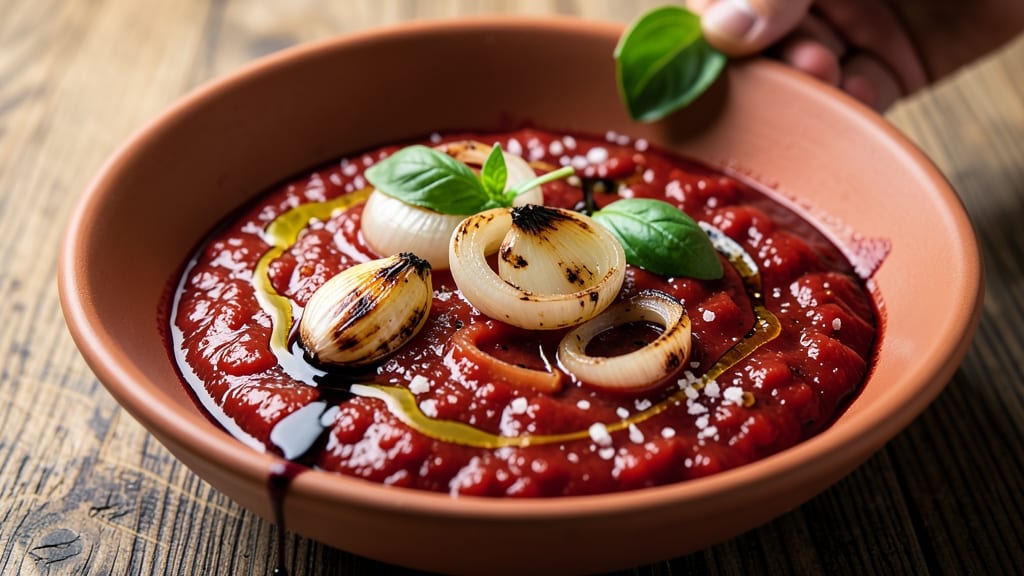
This authentic Sicilian pasta sauce recipe brings the bold flavors of Sicily to your kitchen with just a few simple ingredients and a slow-simmered approach. 🌿 The secret lies in fresh tomatoes, garlic, and basil—cooked low and slow to develop deep, complex flavors that cling perfectly to pasta.
I've perfected this method over years of testing, ensuring every spoonful delivers that unmistakable taste of the Mediterranean.
The beauty of this sauce is its versatility—it works beautifully with spaghetti, rigatoni, or even as a base for lasagna. What makes it truly authentic is the balance of sweet and savory flavors, achieved through slow reduction and a touch of olive oil that enhances every ingredient.
No shortcuts here; this is the real deal, crafted with care to honor Sicilian tradition.
By the time you're done, you'll have a rich, velvety sauce with tender tomato pieces and fragrant basil woven throughout. The aroma alone will transport you to a bustling Sicilian market, where fresh ingredients take center stage.
This sauce keeps well in the refrigerator for up to five days, making it perfect for meal prep or gifting.
Whether you're serving it with fresh pasta or using it as a base for a hearty dish, this sauce is a game-changer. Let's get started on creating something truly special for your table.
Ingredients for authentic sicilian pasta sauce
Fresh tomatoes, garlic, and basil—cooked low and slow for that authentic Sicilian flavor.
| Ingredient | Amount | Notes |
|---|---|---|
| Fresh San Marzano Tomatoes 🍅 | 2 lbs | Crushed by hand for texture |
| Extra-Virgin Olive Oil 🫒 | ½ cup | High-quality, fruity variety |
| Garlic Cloves 🧄 | 6 cloves | Freshly minced, not pre-minced |
| Fresh Basil Leaves 🌿 | 1 ½ cups | Packed, stems removed |
| Onion 🧅 | 1 whole | Yellow, finely chopped |
| Red Wine 🍷 | ½ cup | Dry, bold variety like Chianti |
| Sea Salt 🧂 | 1 ½ tsp | Diamond Crystal preferred |
| Black Pepper 🌶️ | ½ tsp | Freshly cracked |
| Sugar 🍚 | 1 tsp | Balances acidity |
| Red Pepper Flakes 🌶️ | ½ tsp | Optional for heat |
The tomatoes are non-negotiable—San Marzano is the gold standard, but any good vine-ripened will do. I grab mine at Whole Foods or the Italian market, where they're usually sold in bulk. Fresh basil is a must here; dried just won't cut it. For the garlic, peel and mince it yourself—pre-minced has a weird aftertaste. The onion? Yellow, not red or white—it adds sweetness without overpowering. If you're feeling fancy, grab a bottle of Chianti for the wine, but any dry red will work in a pinch.
No San Marzano tomatoes? Roma tomatoes are your next best bet—fewer seeds, more flavor. Short on basil? Fresh parsley at half the amount adds brightness, though it won't be the same. Running out of red wine? Substitute with tomato paste mixed with water (1 tbsp paste + 0.5 cup water). The sugar balances the acidity—skip it if your tomatoes are naturally sweet. For heat, red pepper flakes are optional, but if you add them, toast them in the oil first to deepen the flavor. And yes, you can use white wine if that's what you've got—just add a splash of vinegar to cut through the sweetness.
This sauce tastes even better the next day as the flavors meld. Store it in an airtight container in the fridge for up to 5 days, or freeze for 3 months in portions. I like to freeze it in ice cube trays—perfect for adding to pasta later. If it thickens too much after refrigerating, just stir in a splash of water or pasta water when reheating. And trust me, make extra—it disappears fast.
Why You'll Love This Recipe
- No Chopping Hassle: The onions and garlic barely need dice—just rough chop them, and let the olive oil work its magic. I swear, the sauce tastes better when you skip the fussy prep.
- Sunshine in a Jar: That first spoonful of San Marzano tomatoes simmered with garlic and basil? It’s like summer in a bowl. The acidity cuts through the richness, and the basil brightens everything up.
- Leftover Goldmine: This sauce only gets better the next day—thicker, deeper, and way more flavorful. I make double batches on Sundays because it turns into my easy Tuesday dinner.
- Budget-Friendly Luxury: Fresh basil and San Marzano tomatoes might sound fancy, but they stretch like crazy. A single jar of tomatoes and a handful of herbs feed my family for days without breaking the bank.
Step-by-step instructions for authentic Sicilian pasta sauce
Here's how to create that iconic Sicilian tomato sauce with deep flavor and perfect balance.
🍳 Step 1: Sauté the Onion and Garlic Foundation
Heat the 0.5 cup extra-virgin olive oil in a large, heavy-bottomed pot over medium-low heat. Add the 1 whole finely chopped onion and cook for 8-10 minutes until it becomes translucent and just beginning to caramelize—you'll see it turn a soft golden color. This slow cooking develops sweetness that forms the base of your sauce.
Reduce the heat to low and add the 6 cloves freshly minced garlic. Cook for 30 seconds until fragrant but not browned—garlic burns quickly, and you want that nutty aroma without bitterness. Here's the secret: stir constantly so the garlic doesn't clump or stick. The oil should shimmer but not smoke.
🍳 Step 2: Deglaze with Wine and Add Tomatoes
Pour in the 0.5 cup dry red wine and let it simmer for 2-3 minutes until reduced by half. You'll see the alcohol cook off, leaving behind concentrated flavor. This is called deglazing—it captures all those browned bits from the onion and garlic that hold so much flavor.
Add the 2 lbs crushed fresh San Marzano tomatoes (including any juices) and stir well. The tomatoes should come up to about halfway up the pot. Increase heat to medium-high and bring to a gentle boil. Then reduce heat to medium-low and let it simmer uncovered for 20 minutes. You'll see the sauce thicken slightly and the raw tomato flavor mellow into something rich and complex.
🍳 Step 3: Build Flavor with Salt, Pepper, and Sugar
Add the 1.5 tsp sea salt, 0.5 tsp freshly cracked black pepper, and 1 tsp sugar. The sugar isn't just for sweetness—it balances the acidity of the tomatoes and helps develop deeper flavor. Stir well and let the sauce simmer for another 15 minutes. Taste it now—you should notice the flavors melding together, with the salt enhancing everything and the sugar rounding out the acidity.
This is where patience pays off. The sauce should reduce by about 25%—it'll thicken slightly but still be spoonable. If it's too thin, simmer uncovered for 5-10 more minutes. If it's too thick, add 1-2 tablespoons of water to loosen it. The goal is a sauce that coats the back of a spoon but isn't gluey.
👨🍳 Step 4: Finish with Basil and Red Pepper Flakes
Remove the pot from heat and stir in the 1.5 cups packed fresh basil leaves (stems removed). Let the basil infuse for 5 minutes—this is crucial for authentic flavor. The heat will release the basil's essential oils, giving your sauce that bright, aromatic quality that makes Sicilian tomato sauce special.
Add the 0.5 tsp red pepper flakes (if using) and taste again. Adjust seasoning if needed—you might need a touch more salt or sugar depending on your tomatoes. Here's the thing about authentic Sicilian sauce: it's never perfectly smooth. There should be little bursts of texture from the basil and tomatoes, with layers of flavor in every bite.
⏰ Step 5: Rest and Serve with Pasta
Let the sauce rest for 10 minutes before serving. This allows the flavors to fully meld and the sauce to reach its perfect consistency. The resting also prevents the sauce from breaking when tossed with pasta—hot pasta releases starch that can make tomato sauce watery if not handled properly.
Toss the sauce with 1 pound of cooked spaghetti (about 4 servings) and serve immediately. The sauce should cling beautifully to each strand, with bright basil notes, sweet caramelized onions, and just enough acidity to keep it vibrant. For extra authenticity, finish with a drizzle of extra-virgin olive oil and a sprinkle of fresh basil leaves right before serving.
Pro Tips For Making Authentic Sicilian Pasta Sauce
- Simmer Slow and Low: I learned this the hard way—blasting San Marzano tomatoes with high heat turns them mushy and bitter. Once the sauce hits the pot, drop the heat to a bare simmer (just bubbles, not rolling) and let it work for 45-60 minutes uncovered. The acidity mellows, the flavors concentrate, and you end up with that velvety texture Sicilian nonnas swear by.
- Peel and Seed Like a Pro: Skip the messy knife work—blanch whole tomatoes in boiling water for 30 seconds, then ice bath. The skins slip off effortlessly. For seeds, crush tomatoes by hand in a colander (no blender), then squeeze out the pulp. This removes excess water without breaking down the texture, so your sauce thickens naturally instead of turning into soup.
- Sweat, Don’t Burn, the Onion: My grandmother swore by this, and she was right: cook the onion in olive oil over low heat until it’s translucent and just starting to caramelize—about 10 minutes, stirring occasionally. Too much heat and it turns bitter, which fights with the bright tomato flavor. If you’re impatient, thinly slice it so it softens faster, but don’t rush.
- Add Basil Late (Seriously): Fresh basil wilts and turns bitter if cooked too long. Tear a handful of leaves and stir them in only in the last 5 minutes of simmering—or better yet, toss them into the sauce after it’s off the heat. For extra flavor, bruise a few leaves in your palm before adding, but don’t overdo it; a few big tears make more impact than a handful of chopped bits.
Flavor customization for this recipe
Sweet & Tangy Twist
Balance the acidity by adding 1 tbsp orange zest and 2 tbsp orange juice when you stir in the basil. The citrus brightens the tomatoes and adds a refreshing contrast to the rich garlic and onion base.
I like to use Navel oranges for their sweetness—just make sure they're organic to avoid wax residue. 🍊
Creamy Ricotta Version
For a Sicilian-inspired twist, stir in ½ cup ricotta cheese during the final 5 minutes of simmering. The ricotta adds a velvety texture that pairs beautifully with the acidity of the tomatoes.
I recommend whole-milk ricotta for the best flavor, and don’t skip the basil infusion—it keeps the sauce from tasting too heavy. 🧀
Spicy Arrrabiata Style
Swap the red pepper flakes for 1-2 dried arrabiata peppers (or 1 tbsp arrabiata paste)—these are milder than chili flakes but pack a fruity, slightly sweet heat. Toast the peppers in the olive oil with the garlic for 30 seconds before adding the wine.
This creates a smoother, more complex spice profile that’s quintessentially Sicilian. 🌶️
Herb-Forward Variation
Boost the herbaceous notes by adding ½ cup fresh parsley and ¼ cup fresh oregano leaves alongside the basil. The parsley adds freshness, while the oregano deepens the Mediterranean flavors.
I like to chop the herbs finely so they blend seamlessly into the sauce. For extra depth, add 1 tsp dried oregano during the initial simmer. 🌿
Umami Boost with Anchovies
For a traditional Sicilian touch, dissolve 2 anchovy fillets in the red wine before adding the tomatoes. The umami punch enhances the garlic and onion flavors without overpowering.
I use high-quality salt-packed anchovies (like Colosimo) and remove them after they dissolve—just strain the sauce if you prefer no fishy notes. 🐟
Smoky Charred Tomato
For a smoky depth, char the tomatoes before crushing them. Hold them over an open flame (or under a broiler) until blackened in spots, then peel, crush, and add to the pot.
The smoky char adds complexity that pairs perfectly with the caramelized onions. I do this with Roma tomatoes** for their meaty texture. ✨
Nutrition facts
Frequently asked questions
Can I make this sauce without fresh tomatoes?
Yes, but the flavor won't be as authentic. Use 1 (28 oz) can of crushed tomatoes instead of fresh, and add 1 tbsp tomato paste to deepen the richness. Simmer uncovered for 30-40 minutes to reduce the sauce properly. For best results, choose a high-quality canned tomato with minimal additives.
How do I adjust the thickness of the sauce?
If your sauce is too thin, simmer uncovered for 5-10 more minutes or reduce heat to low and cook slowly. For a thicker consistency, stir in 1-2 tablespoons of tomato paste or let it reduce naturally. If it's too thick, loosen with 1-2 tablespoons of water, pasta water, or a splash of red wine. The sauce should coat the back of a spoon but remain spoonable.
Can I use dried basil instead of fresh?
Dried basil works in a pinch, but fresh is essential for authentic flavor. Use 1 tablespoon dried basil for every 1.5 cups fresh basil, but add it during the final 5 minutes of simmering. Fresh basil releases more aromatic oils when heated gently, giving your sauce that signature Sicilian brightness.
What's the best pasta to pair with this sauce?
This sauce shines with spaghetti, rigatoni, or penne—their ridges and grooves help the sauce cling beautifully. For a traditional Sicilian touch, try bucatini or troccoli (Sicilian noodles). Avoid delicate pastas like angel hair, as they can break under the sauce's weight. Cook pasta al dente and toss it with the sauce immediately after draining.
Why does my sauce taste bland after refrigerating?
This happens when flavors need more time to meld. Let the sauce sit at room temperature for 30 minutes before reheating, then add a splash of red wine or pasta water to brighten it. For extra depth, stir in 1 tsp balsamic vinegar or a pinch of red pepper flakes when reheating. The acidity helps restore balance.