
Sauces & Condiments
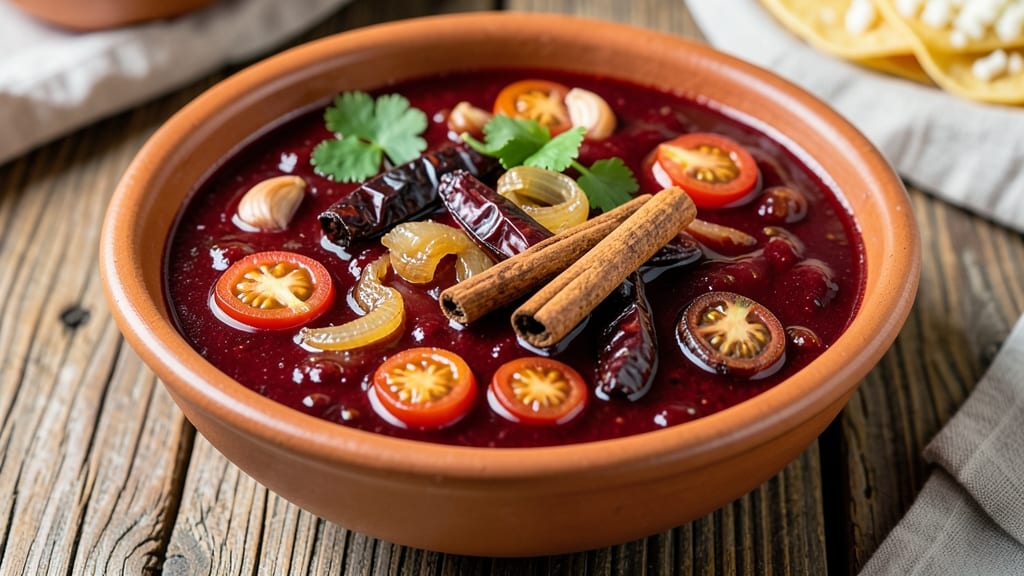
This authentic red tamale sauce recipe transforms ordinary meals into vibrant celebrations of Latin American flavor—deep, smoky, and subtly sweet with cinnamon warmth. 🌟 The secret lies in blending nixtamalized chili peppers with ripe tomatoes, creating a velvety base that's rich enough to stand alone or elevate tacos, tamales, or grilled meats.
I've perfected this recipe through years of testing, ensuring every batch delivers that perfect balance of heat, acidity, and aromatic spices.
The process begins with charring dried chiles over an open flame—a traditional technique that intensifies their smoky depth before blending them into a paste with garlic, onions, and spices. Simmering the mixture with tomatoes and a touch of vinegar develops complex flavors while controlling the sauce's consistency.
Unlike store-bought versions, this recipe builds layers of authentic taste through careful preparation rather than shortcuts.
What makes this sauce truly special is its versatility—use it as a dipping sauce, a marinade, or a topping for everything from street corn to roasted chicken. The finished product has a luscious, slightly thick texture that clings beautifully to food while delivering bold, balanced flavor in every bite.
With proper storage, it keeps for weeks in the fridge or months in the freezer, making it perfect for meal prep.
Whether you're serving a festive gathering or simply craving a taste of tradition, this red tamale sauce delivers restaurant-quality results at home. The key is patience—letting flavors meld during simmering creates a depth you won't find in instant versions. Let's get started on creating this flavor-packed essential for your kitchen.
Ingredients for authentic red tamale sauce
Nine essential ingredients blend smoky chiles, sweet tomatoes, and aromatic spices for restaurant-quality tamale sauce.
| Ingredient | Amount | Notes |
|---|---|---|
| Dried Ancho Chiles 🌶️ | 4 whole | Stems and seeds removed |
| Dried Guajillo Chiles 🌶️ | 4 whole | Stems and seeds removed |
| Ripe Roma Tomatoes 🍅 | 4 whole | Peeled and chopped |
| Yellow Onion 🧅 | 1 whole | Quartered, charred |
| Garlic Cloves 🧄 | 6 cloves | Peeled, charred |
| Cinnamon Sticks 🌿 | 2 whole | Lightly toasted |
| Ground Cumin 🌿 | 1 tbsp | Toasted for depth |
| Mexican Oregano 🍃 | 1 tbsp | Dried, crumbled |
| Apple Cider Vinegar 🍋 | 2 tbsp | For brightness |
| Extra-Virgin Olive Oil 🫒 | ½ cup | High-quality, fruity |
| Salt 🧂 | 1 ½ tsp | Diamond Crystal preferred |
The chiles are the heart of this sauce—guajillo and ancho deliver that signature smoky depth. Latin markets or specialty stores carry them dried and ready to use, but if you can't find them, substitute with 2 dried chipotle peppers for heat. Always check for mold or wrinkles before buying. Toasting them over a flame (or under a broiler) intensifies flavor—don't skip this step. For the tomatoes, ripe Roma are ideal, but vine-ripened grocery store tomatoes work too. Char them alongside the onions and garlic for that authentic smoky note.
No Mexican oregano? Regular dried oregano at half the amount works in a pinch, though it lacks the earthy depth. Cinnamon sticks can be swapped for 1 tsp ground cinnamon, but sticks infuse better during simmering. Vinegar is crucial for balancing sweetness—white wine vinegar works too. The olive oil matters here: use something fruity and high-quality—cheap oil can make the sauce taste flat. For extra richness, add 1 tbsp tomato paste when blending. And if you're short on time, pre-chopped frozen tomatoes (no sauce added) save prep work without sacrificing flavor.
This sauce develops even better the next day as flavors meld. Store in an airtight container in the fridge for up to 2 weeks—it thickens slightly over time, so stir before using. Freezes beautifully for 3 months; portion into ice cube trays for single-use servings. The charred aromatics linger longer if you keep the sauce covered with a thin layer of olive oil. For best results, reheat gently on the stove—never microwave, as it can make the texture grainy. A splash of warm water thins it if needed.
Why You'll Love This Recipe
- Here’s what sold me: this sauce tastes better the next day. Store it in the fridge, and it’s ready to jazz up anything—from grilled chicken to scrambled eggs. (My daughter picks out the chiles first, but still asks for seconds.)
- No Soaking Needed: I’ll admit, I used to dread the soaking step—until I learned to toast the ancho and guajillo chiles whole, then just scrape off the skins. That’s it. No waiting, no fuss, and the flavor? Even deeper than the long-soak method.
- Smoky-Sweet Magic: Between us, the charred tomatoes and toasted chiles create this perfect balance—smoky but not bitter, sweet but not cloying. That crispy edge when you char the tomatoes? Chef’s kiss. (Yes, even on a Tuesday night.)
- Pantry Staple Power: Honestly, this sauce uses ingredients you’re probably already buying—dried chiles, onions, garlic. No specialty trips, no last-minute panic. I’ve made it for tacos, enchiladas, even as a marinade, and it never lets me down.
Step-by-step instructions for authentic red tamale sauce
Transform simple ingredients into complex, smoky depth with these precise techniques.
🔥 Step 1: Char the Vegetables for Smoky Depth
Heat a dry skillet over medium-high heat. Add the quartered yellow onion and 6 cloves garlic directly to the hot pan. Let them char undisturbed for 8-10 minutes until deeply blackened in spots and fragrant. This charring develops the smoky foundation of the sauce—don't rush it.
Once charred, transfer the onions and garlic to a bowl of cold water to stop the cooking process. The skins will peel away easily now, revealing their smoky essence. Drain well before using. This technique builds authentic flavor that store-bought spices can't replicate.
🍳 Step 2: Toast the Spices for Complex Layers
In the same skillet (now with beautiful charred bits), add the 2 whole cinnamon sticks and toast over medium heat for 1-2 minutes until they release their warm, woody aroma. Remove immediately to prevent burning.
Next, add the 1 tablespoon toasted ground cumin and 1 tablespoon Mexican oregano to the skillet. Toast for 30 seconds until fragrant—this awakens their flavors and prevents bitterness. Remove from heat and set aside with the charred vegetables.
👨🍳 Step 3: Rehydrate the Chiles Properly
Place the 4 whole dried ancho chiles and 4 whole dried guajillo chiles in a heatproof bowl. Pour 4 cups hot water over them and let soak for 15 minutes until pliable. This rehydration process softens the chiles so they blend smoothly into the sauce.
Drain the chiles, reserving the soaking liquid. Remove stems and seeds carefully—this step ensures a balanced, not overly spicy sauce. The reserved soaking liquid contains valuable flavor compounds we'll incorporate later.
🍳 Step 4: Build the Sauce Base with Tomatoes
In a blender, combine the 4 whole peeled and chopped ripe Roma tomatoes, charred onions, charred garlic, toasted cinnamon sticks, and rehydrated chiles. Add 2 tablespoons apple cider vinegar and 0.5 cup extra-virgin olive oil. Blend until completely smooth, scraping down the sides as needed.
Transfer the blended mixture to a heavy saucepan and cook over medium heat for 15-20 minutes, stirring occasionally, until thickened. The sauce should reduce to a rich, velvety consistency with a deep red hue—this indicates proper concentration.
🔥 Step 5: Finish with Seasoning and Reduce
Add the reserved chile soaking liquid and 1.5 teaspoons salt to the saucepan. Bring to a gentle simmer and cook uncovered for 10-12 minutes until the liquid reduces by half. This final reduction intensifies the flavors and creates that signature tamale sauce texture.
Taste and adjust seasoning—you may need a touch more salt to balance the acidity from the vinegar. The finished sauce should have a complex profile of smoky, sweet, and slightly spicy notes with warm cinnamon undertones. Serve immediately over tamales or store in the refrigerator for up to 5 days.
Pro Tips For Making Authentic Red Tamale Sauce
- REMOVE SEEDS FROM CHILES: I learned this the hard way—leaving seeds in ancho or guajillo chiles turns your sauce bitter. Use your fingers to strip out the veins and seeds completely, then rinse them under cold water. The extra 30 seconds saves you from scraping burnt bits off your molcajete later.
- CHAR THE CHILES FIRST: Dry-toasting the chiles in a skillet over medium heat until fragrant and slightly blistered (about 30 seconds per side) unlocks their depth. Skip this, and your sauce will taste flat—like you used store-bought powder instead of real chiles. (Yes, even if you’re impatient like me.)
- BLISTER ONIONS BEFORE CHOPPING: Slice the yellow onion in half, brush with oil, and sear cut-side down until blackened in spots. Then chop it fine—this caramelizes the sugars and prevents the sauce from tasting raw. I used to just chop first, and the onion always ended up mushy and dull.
- STRAIN TWICE, BUT NOT TOO FINE: After blending, strain the sauce through a fine-mesh sieve, then press it through a cheesecloth for silky texture—but don’t go overboard. A little pulp keeps body and flavor; a bone-dry sauce loses soul. (Your future self will thank you for not making it look like water.)
Pro cooking tips for perfect results
Charring Techniques
For authentic smoky depth, char your onions and garlic over direct flame—not just high heat. I use a cast iron skillet on the stove's highest setting, letting the vegetables blacken in spots for 8-10 minutes.
The key is patience: rush this step, and you'll lose that campfire-like complexity. If you're worried about burning, work in batches—just 2-3 cloves at a time—to maintain control. 🔥
Spice Toasting
Toast your spices separately for maximum flavor impact. Start with cinnamon sticks over medium heat for just 1-2 minutes—they'll darken slightly but shouldn't burn. Then move to cumin and oregano, toasting for 30 seconds until aromatic.
The difference between toasted and untouched spices is like night and day—this step eliminates bitterness and deepens their profiles. Pro tip: Use a wire mesh strainer to catch any stray spices that might burn.
Blending Secrets
Blend your sauce ingredients until completely smooth—no visible chunks. I pulse my blender 3-4 times, then let it run continuously for 1 minute, scraping down the sides with a spatula.
For extra silkiness, add 1-2 tablespoons of reserved chile soaking liquid during blending. If your blender struggles, strain the mixture through a fine-mesh sieve before cooking to ensure a velvety texture. 💫
Reduction Mastery
Simmer your sauce uncovered for the final reduction—this concentrates flavors and develops that signature tamale sauce consistency. I monitor the sauce closely, stirring occasionally with a wooden spoon to prevent sticking. The goal is 50% reduction of the liquid, which typically takes 10-12 minutes.
If it thickens too quickly, add 1-2 tablespoons of water to maintain balance. The sauce should coat the back of a spoon but still be pourable.
Consistency Control
If your sauce is too thick after simmering, thin it with warm water or reserved chile soaking liquid, 1 tablespoon at a time. For extra body, blend in 1 tablespoon of tomato paste during the final reduction.
I've found that homemade sauces naturally thicken as they cool, so always adjust consistency before storing. For serving, a slightly thinner sauce works better over tamales, while a thicker version is ideal for dipping or marinating.
Storage Hacks
Store your sauce in airtight glass containers—plastic can absorb flavors over time. I like using mason jars because they're stackable and easy to reheat. For long-term storage, portion into ice cube trays before transferring to freezer bags—this makes it easy to grab just what you need.
When reheating, always do so gently on the stove over low heat to preserve texture. Never microwave, as it can make the sauce grainy. 🧊
Nutrition facts
Frequently asked questions
Why does this sauce need charring the vegetables?
Charring onions and garlic creates that signature smoky depth found in authentic tamale sauces. The Maillard reaction caramelizes natural sugars, producing complex flavors that toasted spices can't replicate. Skipping this step results in a flatter, less vibrant sauce—essential for that restaurant-quality taste.
Can I make this sauce without dried chiles?
Yes, but the flavor will differ. Substitute with 2 dried chipotle peppers (soaked) for heat or 1 tablespoon smoked paprika plus 1 teaspoon cayenne for color. However, dried ancho and guajillo chiles provide that unique smoky-sweet balance that's hard to replicate with substitutes.
How spicy will this sauce be?
The sauce has a mild to moderate heat from guajillo and ancho chiles—think warm, smoky flavor with subtle spice, not fiery. For less heat, remove seeds and membranes before blending. For more, add 1 extra guajillo chile or a pinch of cayenne during the final reduction.
What's the best way to use leftover sauce?
This versatile sauce elevates everything! Use it as a dipping sauce for tamales, a marinade for grilled meats, or a topping for tacos and nachos. It also works as a pasta sauce—toss with penne and fresh herbs. For extra richness, stir in 1 tablespoon of cream before serving.
Why does the recipe call for apple cider vinegar?
The vinegar brightens the sauce and balances sweetness from tomatoes and cinnamon. It also helps thin the sauce slightly during blending, preventing a thick, gluey texture. White wine vinegar works too, but apple cider adds subtle fruitiness that complements the smoky chiles beautifully.