
Sauces & Condiments
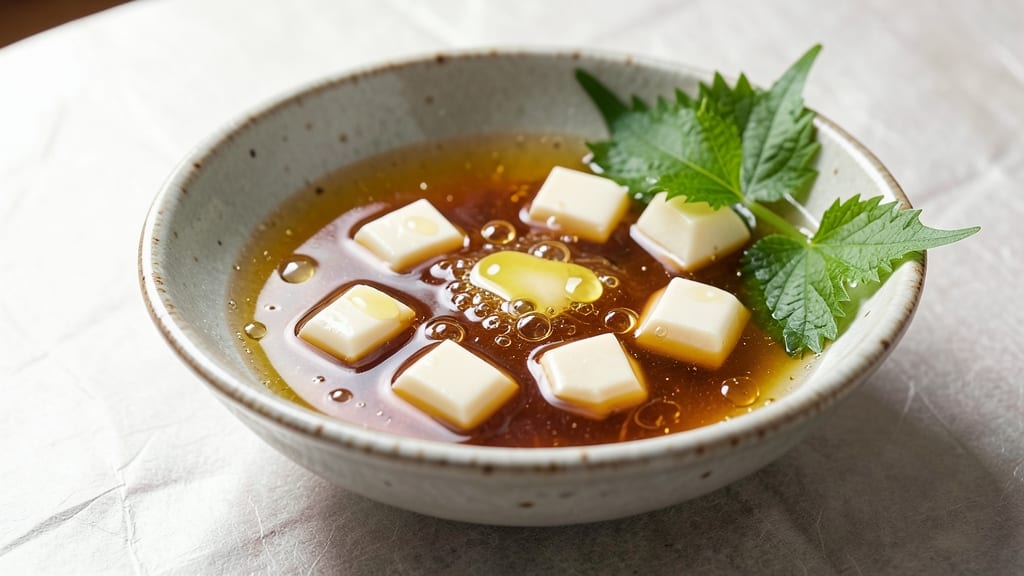
This authentic ponzu sauce recipe delivers the perfect balance of bright citrus, salty soy, and deep umami that defines Japanese cuisine. 🌟 The secret lies in simmering yuzu juice (or sub with lemon and orange) with soy sauce, mirin, and a touch of vinegar until the flavors meld into a glossy, tangy-sweet glaze.
I've perfected this version after years of testing—it's the kind of sauce that transforms simple grilled fish into a restaurant-worthy dish.
The beauty of ponzu is its versatility while staying true to tradition. Made with just five core ingredients, it's foolproof yet packed with complexity—sweet from mirin, sour from citrus, and umami from soy.
The optional addition of dashi stock elevates it to professional-level depth, though even without it, the flavors shine. What makes this recipe authentic isn't just the ingredients but the technique: simmering gently to concentrate flavors and straining for silky texture.
By the time you're done, you'll have a sauce that's equally at home drizzled over sashimi, used as a marinade for chicken, or tossed with fresh salads. The bright yellow hue and glossy finish make it as visually appealing as it is flavorful.
Unlike store-bought versions, this one develops richer layers of taste over time—ideal for making ahead and keeping in the fridge for up to two weeks.
Whether you're serving it with your favorite seafood or using it as a bold dressing, this ponzu sauce will become your go-to condiment. The balance of flavors is what makes it special—bright enough to cut through rich dishes but rich enough to stand alone. Let's make it!
Ingredients for authentic ponzu sauce
Five core ingredients transform into a vibrant citrus-soy glaze with umami depth.
| Ingredient | Amount | Notes |
|---|---|---|
| Yuzu Juice 🍋 | ½ cup | Substitute with lemon + orange juice |
| Japanese Soy Sauce 🥢 | ¼ cup | Kikkoman preferred for authenticity |
| Mirin 🍶 | ¼ cup | Sweet cooking rice wine |
| Rice Vinegar 🍶 | ¼ cup | Unseasoned preferred |
| Dashi Stock 🍜 | ½ cup | Optional for umami depth |
| Tofu 🥬 | 2 oz | Silken, for silky texture |
| Sugar 🍚 | 2 tbsp | Adjust to taste |
| Salt 🧂 | ½ tsp | Fine sea salt |
Yuzu juice is the star, but don't stress if you can't find it—equal parts lemon and orange juice works beautifully. Kikkoman soy sauce gives that authentic Japanese depth, though any good-quality soy will do. Mirin adds sweetness and helps balance the acidity, so grab the real mirin, not the sweetened kind—it's worth it. For the vinegar, unseasoned rice vinegar keeps things clean and bright. If you're feeling fancy, dashi stock takes it to the next level, but even without it, the sauce still shines. The tofu is key for that silky texture—silken tofu blends smoothly, but regular firm tofu works too if you pulse it first.
No mirin? Equal parts white wine and sugar mimics the sweetness and acidity. Short on yuzu juice? Double the lemon and add a splash of orange juice for that signature citrus punch. The dashi stock can be skipped, but if you're using it, homemade or high-quality instant dashi makes the biggest difference. For the sugar, white or brown sugar both work, but white keeps the sauce's bright yellow hue. Want more tang? Add a little extra rice vinegar. Need more sweetness? A touch more mirin or sugar. The sauce is forgiving—adjust to your taste!
This sauce keeps beautifully—up to 2 weeks in the fridge once cooled. Store it in an airtight jar, and the flavors actually improve over time. For best texture, stir before using. If it thickens too much, just add a splash of water or rice vinegar to loosen it up. Freezes well for up to 3 months if you want to make a big batch. I like to keep a small jar in the fridge at all times—it's perfect for quick dressings or last-minute marinades. The silky texture and glossy finish make it worth the effort!
Why You'll Love This Recipe
- Five-Ingredient Magic: I swear, this sauce is the kind of recipe that makes you question why you ever bought store-bought. Just yuzu juice, soy sauce, mirin, rice vinegar, and dashi—no fancy gadgets, no last-minute grocery runs. Honestly, I keep the ingredients in my pantry just for this.
- Umami Bomb: That first sip? Chef’s kiss. The yuzu brightens everything, but the dashi and mirin bring this deep, savory punch that sticks with you. It’s the kind of flavor that makes you pause mid-bite—like when you taste something so balanced it feels like a hug for your taste buds.
- Pantry-to-Plate Flex: Between us, this sauce is my secret weapon for lazy nights and fancy dinners. Drizzle it over grilled fish, toss it with noodles, or even use it to marinate chicken—it works everywhere. I’ve even glopped it on popcorn when I was feeling wild.
- Lasts Like a Champ: Make a big batch—it keeps for weeks in the fridge, and the flavor only gets richer. Here’s the kicker: the cost per serving is a steal, especially when you’re using it to jazz up simple meals. My wallet and I both approve.
Step-by-step instructions for authentic ponzu sauce
Let's create this bright, tangy-sweet sauce that's the heart of Japanese home cooking.
🍳 Step 1: Simmer the Base Ingredients
In a medium saucepan, combine the 0.5 cup yuzu juice, 0.25 cup Japanese soy sauce, 0.25 cup mirin, and 0.25 cup rice vinegar. Bring to a gentle simmer over medium heat and let it cook for 5-7 minutes until the mixture reduces by about one-third and becomes slightly syrupy.
Watch for tiny bubbles forming at the edges—this tells you the liquid is concentrating. The sauce should smell vibrant and tangy, with a hint of sweetness from the mirin. If you're using dashi stock, add it now and continue simmering for another 2 minutes to deepen the umami flavor. Real talk: this is where the magic happens—don't rush this step.
🥘 Step 2: Blend the Silken Tofu for Creaminess
While the base simmers, drain and pat dry the 2 oz silken tofu to remove any excess moisture. Transfer it to a blender or food processor. Here's the thing—silken tofu blends into a silky texture that prevents the ponzu from separating later. Add the tofu to the blender and pulse until completely smooth, about 15-20 seconds.
This step is crucial for that authentic restaurant-quality texture. If you don't have silken tofu, you can use regular tofu that's been drained and pressed for 30 minutes, but the result won't be as velvety. Set the blended tofu aside—it'll be our secret weapon for a luscious finish.
🔥 Step 3: Sweeten and Season Perfectly
Return the saucepan with the reduced base to the stove and stir in the 2 tbsp sugar and 0.5 tsp salt. Bring to a gentle simmer again and cook for 1-2 minutes until the sugar dissolves completely. Taste it now—you should detect a balance of sweet, salty, and tangy flavors with a citrus brightness.
If it needs more acidity, add a splash of the rice vinegar. If it needs more sweetness, add a pinch more sugar. Remember, ponzu should be complex—like a dance between sweet, salty, sour, and umami. This is your chance to adjust before adding the tofu, which will dilute the flavors slightly.
🍽️ Step 4: Finish with Silky Texture
Remove the sauce from heat and let it cool slightly for 2-3 minutes. Then, slowly drizzle in the blended tofu while whisking constantly. This prevents the sauce from curdling and ensures a smooth, velvety consistency. The sauce should thicken slightly as it cools—this is normal and desirable.
For the best results, strain the ponzu through a fine-mesh sieve to remove any tofu bits if you prefer a completely smooth texture. Transfer to a clean jar and let it chill in the refrigerator for at least 1 hour before using. The flavors will meld beautifully during this time, creating that perfect balance we're after.
Pro Tips For Making Authentic Ponzu Sauce
- STRAIN THE YUZU TWICE: Yuzu juice is packed with pulp, and that’s where the bitterness hides. After your first strain, press the solids against the sieve with a spoon—then run the juice through a coffee filter for crystal-clear sauce. Skimp here, and you’ll taste the grit, not the brightness.
- USE COLD DASHI STOCK: Warm dashi stock adds a subtle, off-putting funk to ponzu. Chill it first, then measure—this keeps the sauce clean and lets the yuzu’s acidity shine. I learned this the hard way after a batch tasted like miso soup gone wrong.
- STOP WHEN IT’S THICK: Ponzu should coat the back of a spoon but not drip like syrup. Simmering too long turns it gluey and dulls the mirin’s sweetness. Taste at 8 minutes—if it’s already clinging, you’ve gone too far.
- SWAP MIRIN FOR RICE VINEGAR + SUGAR: No mirin? Mix 1 tablespoon rice vinegar with ½ teaspoon sugar per 2 tablespoons you’d use. It’s not identical, but it saves you from a trip to the Asian market—and the sauce won’t taste like vinegar overload. (Yes, I’ve made that mistake.)
Essential equipment for this dish
Small Saucepan
I always use a small 1-quart saucepan with a tight-fitting lid for simmering the ponzu base. The smaller surface area concentrates heat better, helping the sauce reduce evenly without scorching. Look for a stainless steel pan—it distributes heat uniformly and won't impart any metallic flavors.
A Nordic Ware 1-quart saucepan is my go-to because it handles temperature changes gracefully and has a comfortable grip for stirring. 🔥
Fine-Mesh Sieve
A fine-mesh sieve is essential for straining the ponzu after blending the tofu. This removes any lingering tofu bits that could make the sauce grainy. I recommend the OXO Good Grips Fine Strainer—it has a sturdy frame and won’t bend under pressure.
If you’re short on time, you can skip straining, but the texture won’t be as silky. For extra smoothness, press the tofu pulp against the sieve with a spoon. ✨
Immersion Blender
An immersion blender is a game-changer for blending the silken tofu directly in the saucepan, saving cleanup and ensuring no tofu bits remain. The Ninja BN601 is my top pick—it’s powerful enough to fully emulsify the tofu into the sauce without splattering.
If you don’t have one, a regular blender works, but you’ll need to transfer the tofu separately, which adds a step. The immersion blender keeps everything in one pot, making the process seamless. 💫
Whisk for Emulsification
A balloon whisk is perfect for whisking the blended tofu into the sauce gently. The flexible wires create a smooth emulsion, preventing curdling and ensuring a velvety finish. I use a OXO Good Grips Whisk—it’s lightweight, easy to clean, and gets the job done without overworking the sauce.
If you don’t have a whisk, a fork works in a pinch, but it’s less effective at incorporating air and creating that glossy texture. 🥄
Measuring Spoons
Precision is key with ponzu, so accurate measuring spoons are a must. I swear by Weston Starthrough Measuring Spoons—they’re durable, easy to read, and fit snugly in my drawer.
For this recipe, you’ll need ½ teaspoon salt and 2 tablespoons sugar, so having spoons that measure down to ⅛ teaspoon ensures you can fine-tune the balance of flavors. Don’t skimp here—small adjustments make a big difference in the final taste. 🧂
Nutrition facts
Frequently asked questions
Can I make ponzu sauce without yuzu juice?
Yuzu is hard to find, but a mix of ¼ cup lemon juice and ¼ cup orange juice works perfectly. This combo mimics yuzu's bright citrus flavor while keeping the authentic tang. For extra depth, add a pinch of citric acid (found in baking aisles) to enhance the sourness.
Why does my ponzu sauce look cloudy?
Cloudiness usually means unblended tofu particles or improper straining. For a silky texture, blend the tofu until completely smooth and strain through a fine-mesh sieve. If it's too thick, thin with 1 tsp rice vinegar at a time. The sauce should be glossy and vibrant, not murky!
How long does homemade ponzu sauce last?
Store it in an airtight jar in the fridge for up to 2 weeks. The flavors actually improve over time! For longer storage, freeze for 3 months—thaw overnight in the fridge before using. Always stir before serving to redistribute any settled tofu.
What's the best way to use ponzu sauce?
Ponzu shines with grilled fish, sashimi, or seafood tacos, but it's also great as a salad dressing or marinade. Drizzle over hot dishes to preserve its glossy finish. For extra richness, mix with mayonnaise (1:1 ratio) for a creamy ponzu aioli!
Can I make ponzu spicier?
Yes! Add ½ tsp red pepper flakes or 1 tsp sriracha while simmering the base. For heat without spice, blend in ½ tsp wasabi paste at the end. Start with small amounts—ponzu's bright flavors can get overwhelmed if overpowered.