
Sauces & Condiments
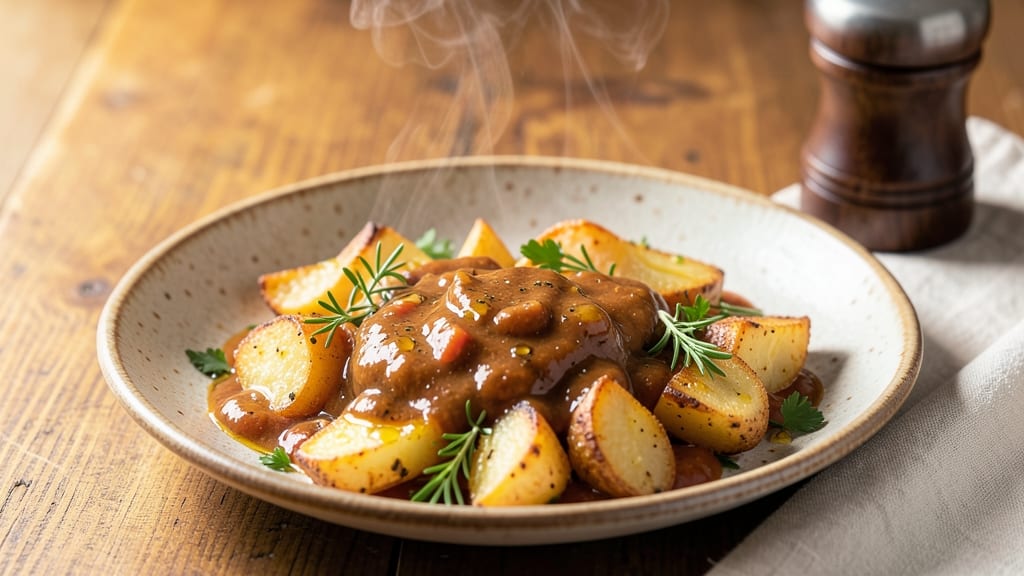
This authentic patatas bravas sauce recipe transforms simple ingredients into a smoky, garlicky masterpiece that pairs perfectly with crispy fried potatoes. The secret lies in slow-cooked tomatoes, smoldering Spanish paprika, and a touch of vinegar for brightness—creating a sauce that's rich, velvety, and packed with umami depth.
I've perfected this over years of testing, ensuring every batch delivers that restaurant-quality tang and warmth.
The foundation starts with a simple tomato base—whether canned crushed tomatoes or fresh—simmered until thick and concentrated. Smoked paprika adds that signature smoky flavor, while garlic and olive oil infuse warmth. A splash of vinegar cuts through the richness, balancing the sauce with a bright, acidic finish.
This isn't just a sauce; it's the soul of Spanish tapas, designed to elevate every crispy bite of potato.
What makes this sauce truly authentic is the patience—letting the flavors meld over 20 minutes of gentle simmering. The result? A sauce so flavorful it coats every crispy edge of your patatas bravas, turning a simple snack into a bold, savory experience.
No shortcuts here—just deep, complex flavor built layer by layer.
Store it in the fridge for up to 5 days, or freeze for longer shelf life. The flavors only deepen over time, making this the perfect sauce to have on hand for game day, tapas nights, or whenever you crave that smoky, garlicky kick.
Let's make it—your taste buds will thank you.
Ingredients for authentic patatas bravas sauce
Nine simple ingredients, smoky depth, and that signature Spanish tang you crave.
| Ingredient | Amount | Notes |
|---|---|---|
| Canned Crushed Tomatoes 🍅 | 2 cups | San Marzano preferred for sweetness |
| Spanish Smoked Paprika 🌶️ | 2 tbsp | Pimentón de la Vera for authentic flavor |
| Garlic Cloves 🧄 | 4 cloves | Fresh, minced for maximum aroma |
| Extra-Virgin Olive Oil 🫒 | ½ cup | High-quality, fruity variety |
| White Wine Vinegar 🍶 | 2 tbsp | For bright acidity balance |
| Dried Oregano 🍃 | 1 tsp | Mexican oregano preferred |
| Salt 🧂 | 1 tsp | Diamond Crystal preferred |
| Ground Black Pepper 🌶️ | ½ tsp | Freshly ground for best flavor |
| Bay Leaf 🌿 | 1 whole | For subtle aromatic depth |
| Fresh Chili Pepper 🔥 | ½ whole | Optional, for heat (like ñora or jalapeño) |
The Spanish smoked paprika is non-negotiable here—Pimentón de la Vera from Spain (find it at Whole Foods or La Tienda if you have a Latin market nearby) gives that authentic smoky flavor. San Marzano tomatoes are worth the splurge if you can find them—they're sweeter and less acidic than regular canned tomatoes. Garlic is your friend, so don't skimp: four fresh cloves, minced finely. The olive oil should be extra-virgin—none of that cheap stuff. If you're feeling fancy, toast the paprika in a dry pan for 30 seconds first to deepen its flavor (trust me on this).
No smoked paprika? Substitute with a mix of regular paprika and a pinch of liquid smoke (start with 1/4 tsp liquid smoke to 1 tbsp paprika). Short on tomatoes? Fresh vine-ripened tomatoes work—just peel, seed, and crush them. The vinegar is key for that bright finish—white wine vinegar is ideal, but apple cider vinegar works too. Want more heat? Add a pinch of cayenne or that fresh chili pepper. The bay leaf is optional but adds that subtle herbal depth that takes it from good to restaurant-quality. If you're missing oregano, dried thyme at half the amount works in a pinch.
This sauce tastes even better the next day as the flavors meld. Store it in an airtight container in the fridge for up to 5 days, or freeze for 3 months. I like to make a double batch—one for immediate use and one to freeze for lazy weeknights. The sauce thickens as it cools, so if it's too thick when reheating, just add a splash of water or vinegar. Perfect for dipping crispy patatas bravas, but also amazing over grilled meats or as a marinade.
Why You'll Love This Recipe
- Here’s what sold me: that first bite where the smoky paprika hits, then the vinegar cuts through like a crisp morning breeze. The crushed tomatoes add depth without bitterness, and the garlic? Oh, it’s there—but balanced so it doesn’t overpower. It’s the kind of sauce that makes you want to dip everything, not just fries.
- I’ll be real: this sauce is my budget-friendly secret weapon. A can of tomatoes, a jar of paprika, and a bottle of vinegar last me months, and the leftovers? Even better the next day. Reheat it, drizzle it, and suddenly you’ve got a fancy-sounding dish for half the effort. Not the prettiest, but the taste makes up for it every time.
Step-by-step instructions for authentic patatas bravas sauce
Here's how to build that signature smoky, garlicky sauce that makes patatas bravas unforgettable.
Bloom the Paprika and Garlic
Heat the 0.5 cup extra-virgin olive oil in a medium saucepan over medium-low heat. Add the 2 tablespoons Spanish smoked paprika and stir constantly for 30 seconds until it smells deeply aromatic and the color darkens slightly. This step is crucial—it develops the paprika's smoky depth without burning it.
Add the 4 minced garlic cloves and cook for another 30 seconds until fragrant but not browned. Watch carefully—garlic burns quickly and turns bitter. Here's the thing: if you smell something bitter, you've gone too far. Remove from heat immediately if this happens and start over with fresh garlic.
Build the Sauce Base
Return the pan to medium heat and add the 2 cups canned crushed tomatoes. Stir to combine, then add the 2 tablespoons white wine vinegar, 1 teaspoon dried oregano, 1 teaspoon salt, and 0.5 teaspoon ground black pepper. Bring to a gentle simmer, then reduce heat to low.
Let it cook uncovered for 15-20 minutes, stirring occasionally, until the sauce thickens slightly. You're looking for a consistency where it coats the back of a spoon but isn't gluey. The sauce should smell rich with tomato, garlic, and that unmistakable smoky paprika aroma. If it looks too thick, add 1-2 tablespoons water to loosen it.
Finish with Aromatics and Chili
Add the whole bay leaf and 0.5 whole fresh chili pepper (if using). Simmer uncovered for another 5 minutes to let the flavors meld. The chili pepper should infuse heat without making the sauce spicy—just a subtle background warmth. Taste and adjust seasoning if needed, but this sauce should be bold and balanced.
Remove from heat and let it cool slightly. Here's a pro tip: for the absolute best texture, transfer the sauce to a blender and pulse briefly to break up any tomato chunks. Strain it back through a fine-mesh sieve if you prefer completely smooth sauce. The result should be velvety with just the right smoky kick.
Keep Warm Until Serving
Return the sauce to low heat and keep it warm until ready to serve. The ideal temperature is 160-170°F—just warm enough to maintain its flavor without cooking off the delicate aromatics. If you're making crispy potatoes to serve alongside, keep both at this temperature until the last moment.
This sauce works best when served immediately after the potatoes come out of the fryer. The contrast between the crispy, golden potatoes and the rich, smoky sauce is what makes patatas bravas so special. Don't skip the crispy step—authentic bravas sauce needs those perfect fries to shine.
Pro Tips For Making Authentic Patatas Bravas Sauce
- TOAST THE PAPRIKA: Heat your Spanish smoked paprika in the dry pan for 30 seconds before adding oil—this deepens its smoky flavor and prevents clumping. I used to just toss it in cold, and the sauce always tasted flat until I tried this.
- SMASH THE GARLIC: Mince your garlic cloves into a paste with a pinch of salt before cooking—this prevents burning and distributes flavor more evenly. Whole cloves char too fast, and you’ll end up with bitter bits instead of sweet, mellow garlic.
- LOW AND SLOW SIMMER: Reduce the sauce to a thick, glossy consistency over 20-25 minutes on medium-low heat, stirring occasionally. Rushing it on high heat turns the tomatoes into a watery mess, and you’ll miss that rich, jammy texture.
- ACIDIFY IN STAGES: Add half the white wine vinegar at the start, then save the rest for the end—this balances the acidity without overpowering the tomatoes. I learned this after making a batch that tasted like a tangy punch to the face.
Pro cooking tips for this dish
Smoky Depth Secrets
Toast your Spanish smoked paprika in a dry skillet for 30 seconds before adding to the oil—this unlocks its full smoky aroma. I use Pimentón de la Vera from Spain, available at specialty stores like Whole Foods or La Tienda.
For extra depth, add ½ tsp liquid smoke (like Liquid Smoke) to the oil before blooming the paprika—just a subtle boost that mimics that authentic tapas-house smokiness. 🌶️
Never skip blooming the garlic—cooking it in oil for 30 seconds releases its sweet, mellow flavor. If it browns too fast, reduce heat immediately and start over. I’ve ruined batches by letting it burn, so keep an eye on it like a hawk.
For a smoother sauce, strain it through a fine-mesh sieve after simmering to remove any lingering bits.
Tomato Thickness Tricks
Simmer the sauce uncovered for 15-20 minutes—this helps evaporate excess moisture while concentrating the flavors. If it thickens too much, add 1-2 tbsp water or white wine vinegar to loosen it. I like to use San Marzano tomatoes for their natural sweetness, but any high-quality canned tomatoes work.
For a richer texture, mash ½ a ripe banana into the sauce at the end—it adds natural sweetness and body without altering the flavor profile. 🍅
If your sauce tastes too acidic, balance it with a pinch of sugar (½ tsp) or a splash of olive oil. For extra umami, stir in 1 tsp soy sauce or ½ tsp fish sauce—just a whisper, but it deepens the sauce’s complexity.
The goal is a velvety, slightly thick consistency that clings to every crispy potato edge.
Heat Control Mastery
Use medium-low heat when simmering to avoid burning the garlic or paprika. If the sauce smells bitter, it’s a sign you’ve overcooked it—start fresh with a new batch. For a subtle heat, add ½ whole fresh chili pepper (like ñora or jalapeño) and remove it before blending.
If you prefer more heat, blend in ½ tsp cayenne pepper or 1 tbsp hot sauce at the end. 🔥
Adjust the vinegar to taste—too much makes it sharp, too little dulls the brightness. I like to add 1 extra tbsp for a tangy kick that cuts through the richness.
For a spicier version, add 1 tsp smoked paprika and ½ tsp cayenne after simmering. Always taste as you go—this sauce is all about balance.
Storage and Reheating
Let the sauce cool completely before storing in an airtight container in the fridge for up to 5 days. The flavors deepen overnight, so it’s even better the next day. For freezing, portion it into ice cube trays—thaw only what you need and reheat quickly.
To reheat, warm over low heat with a splash of water or vinegar to restore its silky texture. Never microwave it, as it can make the sauce grainy. ❄️
If the sauce thickens too much after refrigeration, thin it with 1-2 tbsp water or vinegar while reheating. For a restaurant-style finish, drizzle with extra-virgin olive oil and sprinkle with fresh parsley before serving.
This sauce is versatile—use it as a dip, marinade, or topping for grilled meats. The key is keeping it warm and vibrant until the last moment.
Nutrition facts
Frequently asked questions
Can I make this sauce without smoked paprika?
Yes! For a substitute, mix 1 tbsp regular paprika with ¼ tsp liquid smoke (like Liquid Smoke brand) to mimic that smoky depth. Toast the paprika in a dry pan for 30 seconds first to enhance its flavor. The sauce will still taste authentic, just with a slightly different texture.
How spicy should the sauce be?
The traditional version has a subtle, smoky warmth—not overwhelming heat. For mild spice, use ½ whole chili pepper (like ñora) and remove it before blending. For extra kick, add ½ tsp cayenne or 1 tbsp hot sauce at the end. Always taste as you go!
Can I use fresh tomatoes instead of canned?
Use 3-4 ripe vine tomatoes (about 2 cups crushed). Peel, seed, and crush them before simmering. Fresh tomatoes work best when cooked down longer (25-30 minutes) to concentrate their flavor. For extra sweetness, add ½ tsp sugar to balance their acidity.
Why does my sauce taste bitter?
Bitter flavor usually means overcooked garlic or paprika. Remove from heat immediately if you smell bitterness and start fresh with a new batch. For future batches, keep heat at medium-low and never let the garlic brown. A splash of vinegar or lemon juice can also help brighten the flavor.
How long can I store this sauce?
Store in an airtight container in the fridge for up to 5 days—flavors actually improve overnight! For freezing, portion into ice cube trays for easy thawing. Reheat gently over low heat with a splash of water or vinegar to restore its silky texture. Never microwave it.