
Sauces & Condiments
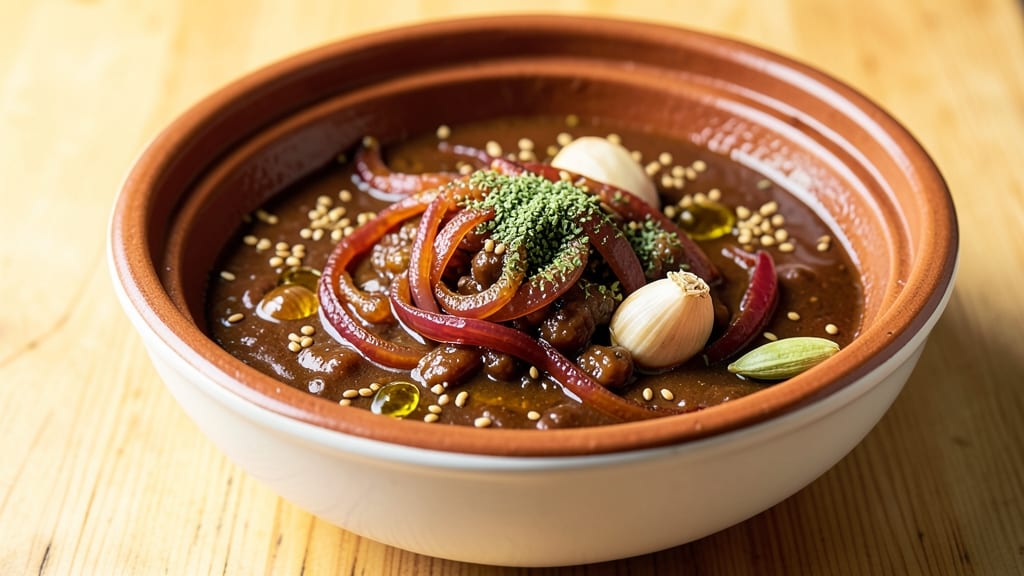
This authentic masala sauce recipe transforms simple ingredients into a fragrant, spice-infused tomato base that’s the heart of countless Indian dishes. The secret lies in slow-cooked spices—cumin, cardamom, and coriander—that develop deep, aromatic layers while the tomatoes break down into a velvety consistency.
Unlike store-bought versions, this sauce builds flavor from scratch, with every ingredient playing a precise role in the balance of warmth and brightness.
The process is straightforward but requires patience: onions caramelize for richness, ginger and garlic infuse their sharp notes, and whole spices toast until fragrant before simmering with tomatoes. Blending creates a smooth, versatile sauce that can be thinned with water or thickened with yogurt, depending on your dish.
Whether you’re making curries, marinades, or dips, this sauce delivers the authentic depth that separates home cooking from restaurant-quality meals.
What sets this recipe apart is the warm cumin and cardamom depth—spices that linger on the palate long after the first bite. The sauce’s natural sweetness from tomatoes balances the earthy spices, while a touch of tamarind adds tangy complexity.
Store it for up to a week in the fridge, or freeze for months, knowing you’ve created a foundation for countless meals without shortcuts or artificial flavors.
For curries, use it as-is; for marinades, thin it slightly; or serve it as a dip with crispy bread. The possibilities are endless, but the method remains the same: slow, layered, and unapologetically authentic. Let’s get started—your taste buds will thank you.
Ingredients for authentic masala sauce
Nine ingredients, endless flavor—this sauce builds authentic Indian depth from scratch.
| Ingredient | Amount | Notes |
|---|---|---|
| Red Onions 🧅 | 1 whole | Thinly sliced for caramelization |
| Fresh Ginger Root 🌿 | 1 ½ oz | Peeled, grated finely (about 2 tbsp) |
| Garlic Cloves 🧄 | 6 cloves | Peeled, minced for aromatic base |
| Cumin Seeds 🌶️ | 1 tbsp | Whole seeds, toasted for depth |
| Green Cardamom Pods 🌿 | 8 whole | Lightly crushed for subtle warmth |
| Ground Coriander 🌿 | 1 ½ tbsp | Freshly ground preferred |
| Tomatoes 🍅 | 1 ½ lb | Ripe, San Marzano preferred |
| Tamarind Paste 🍯 | 1 tbsp | Adjust for tangy balance |
| Extra-Virgin Olive Oil 🫒 | ½ cup | High-quality for richness |
| Salt 🧂 | 1 ½ tsp | Diamond Crystal preferred |
The spices are everything here. Whole cumin seeds need toasting until fragrant—don't skip this step. Green cardamom pods (not the ground kind) add that signature floral note, and you can find them in the spice aisle or at Indian grocery stores like Patel Brothers or Patel Brothers Spices. For tomatoes, San Marzano is worth the splurge—they're sweeter and break down beautifully. If you can't find them, Roma tomatoes are the next best thing. Ginger and garlic should be fresh, never powdered—the difference is night and day.
No tamarind paste? Lemon juice at half the amount works in a pinch, but tamarind gives that authentic tang. Running low on cumin seeds? Ground cumin at double the amount will work, though the texture won't be as toasty. For the onions, yellow or red both work—just make sure they're sweet and caramelize properly. The olive oil matters too—cheap oil will make the sauce taste flat. If you're making a big batch, double the spices and scale everything up proportionally. The sauce thickens as it cools, so don't worry if it looks too thin while cooking.
This sauce keeps beautifully—up to 1 week in the fridge or 3 months frozen. For freezing, portion into ice cube trays first, then transfer to bags. The flavors actually deepen over time, so make extra. If it thickens too much, just whisk in a splash of water or yogurt. For curries, use it as-is; for marinades, thin with water or broth. And if you've got leftovers? Toss with rice or naan—it's that good.
Why You'll Love This Recipe
- Minimal Prep, Maximum Impact: I swear by this—just a knife, a pan, and 10 minutes of chopping red onions and ginger. The cumin seeds toast in seconds, and suddenly, your kitchen smells like a street-side stall in Mumbai.
- Layered Heat You’ll Crave: That first crack of cumin seeds, the slow caramelization of onions, then the punch of fresh ginger and garlic—it’s a slow build. Honestly, the cardamom pods tie it all together with a whisper of floral sweetness that makes it taste like home.
- Weeknight to Dinner Party: Slather it on grilled chicken, stir into rice, or drizzle over roti—it’s my go-to for lazy nights and when unexpected guests show up. (Yes, even on a Tuesday night.) The sauce keeps well in the fridge, so I make a big batch and use it all week.
- Pocket-Friendly Flavor Bomb: Between us, this is the most cost-effective way to add restaurant-quality depth to any meal. A handful of spices and fresh ingredients stretch to feed four for under $5, and the leftovers? Even better the next day.
Step-by-step instructions for authentic masala sauce
This spiced tomato base delivers restaurant-quality depth with warm cumin and cardamom notes.
Develop the Aromatic Base
Heat the 0.5 cup extra-virgin olive oil in a heavy-bottomed saucepan over medium-low heat. Add the 1 tbsp cumin seeds and toast them for 30 seconds until they begin to sizzle and release their nutty aroma. Immediately add the 8 whole green cardamom pods and the 1 whole red onions (thinly sliced). Cook for 5-6 minutes until the onions soften and turn golden, developing a caramelized sweetness.
The key here is patience—don't rush the onions. You want them to melt into the oil rather than brown too quickly. This slow cooking builds the foundation for your sauce's complex flavor profile. If the oil starts to smoke, reduce the heat slightly. You'll know it's ready when the onions are translucent with just a hint of golden color.
Incorporate Ginger and Garlic
Add the 1.5 oz finely grated fresh ginger root and 6 cloves minced garlic to the pan. Stir well to combine with the onions and cook for 2-3 minutes until the raw garlic smell disappears and the mixture becomes fragrant. This step is crucial for developing the sauce's signature warmth and depth.
I like to press the ginger and garlic into the onions with a wooden spoon to ensure even distribution. The ginger should soften slightly while the garlic infuses its sharp, sweet notes. If the mixture starts to darken too quickly, reduce the heat to medium-low—you want to cook the aromatics, not burn them.
Build the Spiced Tomato Base
Add the 1.5 lb tomatoes (cut into quarters if large) and 1.5 tbsp ground coriander to the pan. Stir to combine, then increase the heat to medium-high and bring the mixture to a boil. Once boiling, reduce the heat to medium-low, cover, and simmer for 15-20 minutes until the tomatoes break down into a thick, chunky consistency.
During this time, the tomatoes will release their juices and meld with the spices. Stir occasionally to prevent sticking, and taste the mixture after 10 minutes—this is when you'll add the 1 tbsp tamarind paste and 1.5 tsp salt. The tamarind adds a bright, tangy contrast to the rich tomato base, while the salt enhances all the flavors.
Refine and Finish the Sauce
Once the tomatoes have broken down, uncover the pan and increase the heat to medium-high. Simmer the sauce uncovered for an additional 5-7 minutes to reduce it slightly and intensify the flavors. The sauce should coat the back of a spoon and have a thick, velvety consistency.
Taste the sauce and adjust the seasoning if needed. If it needs more acidity, add a pinch more tamarind paste. If it's too thick, stir in 1-2 tablespoons of water to reach your desired consistency. The final sauce should be rich, aromatic, and balanced—with layers of cumin warmth, cardamom sweetness, and tomato depth. Serve immediately over rice, with curry dishes, or as a base for dals and stews.
Pro Tips For Making Authentic Masala Sauce
- Bloom the Onions Slowly: I learned this the hard way—dumping chopped onions into hot oil and walking away leads to bitter, charred bits. Instead, cook them on medium-low heat until they’re translucent and soft (about 8-10 minutes), stirring every 2 minutes. The goal is to melt them into the oil, not crisp them into oblivion.
- Toast Cumin Until It Dances: Skip the second it turns golden, and you’ll miss the magic. Crank the heat to medium-high and toast the cumin seeds until they pop audibly and release their aroma—usually 30-45 seconds. If you smell burning, you’ve gone too far, but if you rush, the sauce will taste flat. (Yes, even if you’re impatient like me.)
- Grind Ginger-Garlic Paste Fresh: Store-bought paste is fine in a pinch, but fresh is non-negotiable for real depth. Peel and chop the ginger thinly—no need for a food processor here. Then, mash the garlic cloves with the ginger in a mortar or just smash them with the flat side of your knife. The texture should be sticky but still slightly coarse; this releases more flavor when cooked.
- Crush Cardamom Pods Gently: I was skeptical until I tried it—lightly crushing the green cardamom pods (not powdering them) adds a bright, floral note that disappears if you grind them to dust. Use the side of your knife or a rolling pin to bruise them, then fish out the seeds after cooking. (Your future self will thank you.)
Regional styles of this dish
North Indian Style
This version leans into the bold, earthy flavors of Punjab and Delhi, where masala sauce often serves as the backbone for rich curries. I add 1 tsp Kashmiri red chili powder and ½ tsp garam masala during the final simmer to deepen the warmth.
For extra richness, stir in 2 tbsp heavy cream at the end—this creates the velvety texture you’d find in a Dal Makhani or Butter Chicken. The key is balancing the spices with 1 extra tbsp of tamarind paste to cut through the richness. 🌶️
South Indian Tangy Twist
In Kerala and Tamil Nadu, masala sauce often incorporates coconut milk for a lighter, creamier profile. After blending, I stir in ¼ cup coconut milk and ½ tsp black pepper to create a sauce perfect for dosa fillings or vegetable stir-fries.
The tang comes from 1 tbsp lemon juice instead of tamarind, and I add 1 tsp mustard seeds toasted in the oil for a signature South Indian kick. This version is thinner and brighter, ideal for quick-cooking dishes like Avial or Rasam.
Bengali Sweet-Spiced
Bengali masala sauce often includes sugar to balance the spices—a nod to the region’s love of sweet-savory flavors. After simmering the tomatoes, I add 1 tbsp brown sugar and ½ tsp fennel seeds (lightly toasted) to the oil.
This creates a sauce that’s perfect for fish curries or egg dishes, where the sweetness complements the natural richness of seafood. The sauce should be slightly thicker, almost like a gravy, and I finish it with a pinch of asafoetida (hing) for depth. 💛
Pakistani Creamy Masala
Pakistani masala sauce often incorporates yogurt for a tangy, cooling contrast. After blending, I whisk in ½ cup plain yogurt and simmer for 5 minutes to thicken slightly. This sauce is ideal for biryani or kebabs, where the yogurt’s acidity balances the richness of grilled meats.
I also add 1 tsp shahi jeera (caraway seeds) during the initial toasting for a distinct Pakistani flavor. The consistency should be smooth but thick enough to coat meat without being watery.
Goan Vinegar-Kissed
Goan cuisine uses vinegar to brighten masala sauces, giving them a unique tang. After blending, I stir in 1 tbsp white vinegar and ½ tsp kokum powder (or 1 tsp lemon juice) for a sour note that cuts through the spices.
This sauce pairs beautifully with Goan fish curries or pork vindaloo. I also add 1 tsp turmeric during the initial spice toasting for a vibrant color. The sauce should be medium-thick, perfect for absorbing into rice or bread.
Hyderabadi Smoky Depth
Hyderabadi masala sauce often includes smoked paprika or charred spices for a distinct smoky flavor. After toasting the cumin and cardamom, I add ½ tsp smoked paprika and 1 tsp charred onion powder (made by dry-toasting onions and grinding them).
This sauce is perfect for Hyderabadi biryani or mirchi ka salan. I also reduce it longer—10-12 minutes uncovered—to intensify the smoky notes. The final texture should be thick and glossy, almost like a paste, for maximum flavor impact. ⚡
Nutrition facts
Frequently asked questions
Can I substitute canned tomatoes for fresh in this masala sauce?
Yes, but choose high-quality canned tomatoes like San Marzano or crushed tomatoes for the best results. Drain them well first to avoid excess liquid. The sauce will be slightly less vibrant than with fresh tomatoes, but the flavor remains excellent. For extra depth, add 1 tsp tomato paste with the spices during toasting.
How do I adjust the spice level if I'm sensitive to heat?
Skip the green cardamom pods and reduce the cumin seeds to ½ tbsp. For mildness, omit the tamarind paste and use 1 tbsp lemon juice instead. If you want warmth without heat, add ½ tsp ground fennel seeds during the initial toasting—they provide a sweet, aromatic depth without spiciness. Always taste as you go!
What's the best way to store and reheat this sauce?
Store in an airtight container in the fridge for up to 1 week or freeze for 3 months. To reheat, warm gently on low heat with a splash of water or coconut milk to restore smoothness. Never microwave directly—it can make the sauce watery. For best results, reheat in a saucepan until bubbling, then blend briefly if separated.
Can I make this sauce without a blender?
Yes! Simmer the sauce longer (25-30 minutes) until it breaks down completely. For a smoother texture, press it through a fine-mesh sieve or use a potato masher. The flavor will be rustic but still delicious. This method works especially well for South Indian-style sauces where a slightly chunky texture is preferred.
How much sauce should I make for different dishes?
This recipe yields about 2 cups—enough for:
- 1 lb chicken or fish curry (use as-is)
- 4 servings of dal (thin with water)
- 1 batch of naan or roti dipping sauce (thin with yogurt) For larger batches, double the spices but keep the tomato-to-onion ratio the same. The sauce thickens as it cools, so adjust consistency before serving.