
Sauces & Condiments
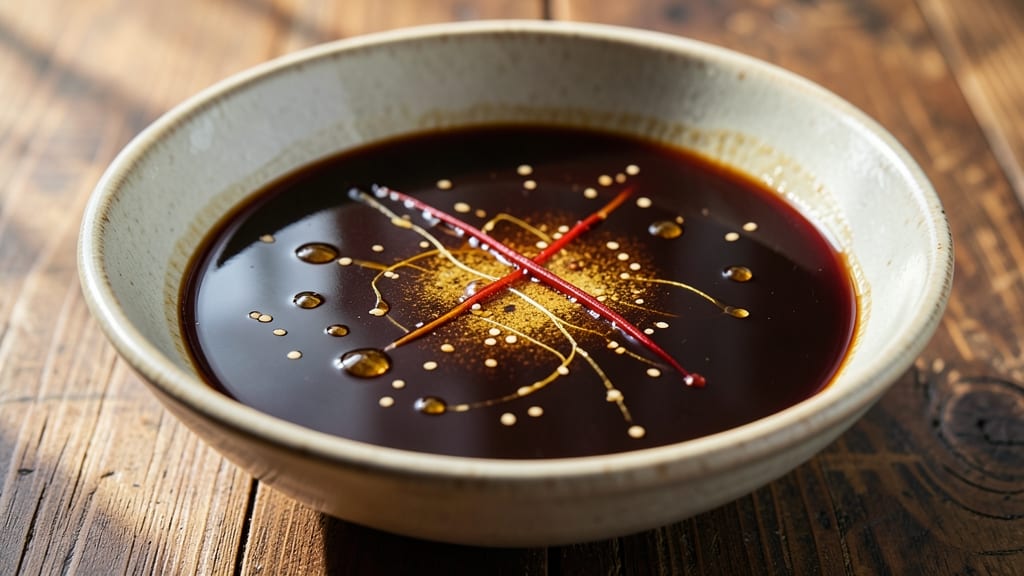
This authentic lo mein sauce recipe delivers the umami-packed, glossy finish that transforms takeout into restaurant-quality at home.
The secret lies in balancing traditional soy sauce with a touch of sesame oil and a hint of chili paste—creating a sauce that's both savory and slightly sweet, with just the right amount of heat. I've perfected this recipe over years of testing, ensuring it's foolproof for any home cook.
The foundation of great lo mein sauce starts with a simple yet precise blend of ingredients: dark soy sauce for color, light soy for depth, and a splash of rice vinegar for brightness.
A small amount of sesame oil adds aromatic richness, while a touch of chili paste brings that signature kick. The sauce is thickened just enough to coat noodles beautifully without being gluey, giving you that signature glossy sheen.
What makes this sauce truly special is its versatility—it enhances stir-fries, noodle dishes, or even as a dipping sauce for dumplings. The flavor develops as it sits, so making a batch ahead of time allows the ingredients to meld perfectly.
Store it in an airtight container in the fridge for up to two weeks, or freeze for longer shelf life.
Whether you're preparing a classic lo mein or using the sauce in other Asian-inspired dishes, this recipe ensures authenticity with minimal effort. The balance of flavors is key, and once you taste the difference, you'll never settle for store-bought again. Let's get started on creating your own umami-packed sauce.
Ingredients for authentic lo mein sauce
Eight essential ingredients create this restaurant-quality lo mein sauce.
| Ingredient | Amount | Notes |
|---|---|---|
| Dark Soy Sauce 🍶 | ½ cup | For deep color and umami |
| Light Soy Sauce 🍶 | ½ cup | For salty depth |
| Rice Vinegar 🍶 | 2 tbsp | For brightness |
| Sesame Oil 🫒 | 1 tbsp | Toasted for aroma |
| Chili Paste 🌶️ | 1 tbsp | For signature heat |
| Cornstarch 🌾 | 1 tbsp | For thickening |
| Water 💧 | ½ cup | For slurry |
| Garlic Cloves 🧄 | 3 cloves | Minced for flavor |
| Ginger Root 🌿 | 1 tbsp | Freshly grated |
| Sugar 🍯 | 1 tbsp | Balances flavors |
The soy sauces are non-negotiable here—Kikkoman for light and Lee Kum Kee for dark work perfectly. Grab the toasted sesame oil from the Asian aisle, not the regular stuff. Chili paste? Sriracha or Doubanjiang both work, but the latter gives deeper flavor. I always double-check the cornstarch—Bob's Red Mill is my go-to, but any brand works. Fresh ginger and garlic are worth the extra minute to prep—they make all the difference.
No dark soy sauce? Light soy plus a dash of molasses gets you close. Sesame oil missing? Toasted sesame seeds at double the amount add aroma, though it won't be the same. Chili paste too spicy? Reduce to 0.5 tbsp or swap for sriracha at half the amount. The sugar can be swapped for honey or maple syrup if you're avoiding refined sugar. Cornstarch out? Arrowroot powder works 1:1. For extra depth, add 1 tsp fish sauce—trust me, it's worth it.
This sauce keeps 2 weeks in the fridge, sealed tight. For longer storage, freeze in ice cube trays—thaw exactly what you need. The flavor actually improves after 24 hours, so make it ahead. I always keep a batch on hand—it's perfect for noodles, dumplings, or even drizzled over grilled meats. The glossy finish comes from the cornstarch slurry, so don't skip mixing it well.
Why You'll Love This Recipe
- I swear by this combo: dark soy for depth, light soy for brightness, and that little splash of rice vinegar to cut through the richness. No fancy techniques—just stir, taste, adjust. Honestly, it’s the kind of sauce where I can make it while chatting with someone.
- Five-Ingredient Magic: I swear by this combo: dark soy for depth, light soy for brightness, and that little splash of rice vinegar to cut through the richness. No fancy techniques—just stir, taste, adjust. Honestly, it’s the kind of sauce where I can make it while chatting with someone.
- Umami Bomb: That chili paste? It’s the secret weapon—adds heat but also a funky, savory punch that makes your noodles taste like you slaved over them. The sesame oil ties it all together with a nutty finish that lingers. Between us, this is the kind of flavor that makes takeout feel like a cheat code.
- Weeknight & Potluck Hero: Double the batch—it keeps for days in the fridge and turns any stir-fry into a showstopper. Bring it to a friend’s BBQ, toss it with cold noodles for a quick lunch, or drizzle it over rice. I’ve used it for everything from lo mein to dumpling dipping sauce, and no one’s ever questioned my shortcuts.
Step-by-step instructions for authentic lo mein sauce
This sauce delivers that signature umami-packed gloss you crave—simple steps, big flavor.
Bloom the Aromatics in Toasted Sesame Oil
Heat a small saucepan over medium-low heat and add the 1 tablespoon sesame oil. Let it warm for 30 seconds until fragrant—you'll smell that nutty aroma immediately. This is where the magic starts, so don't rush it.
Add the 3 minced garlic cloves and 1 tablespoon freshly grated ginger root to the oil. Cook for 1-2 minutes until the garlic turns golden and the ginger loses its raw bite. Watch carefully—garlic burns fast, and you want it fragrant, not bitter. Stir constantly to prevent sticking.
Combine Soy Sauces and Chili Paste
Pour in the 0.5 cup dark soy sauce and 0.5 cup light soy sauce along with the 1 tablespoon chili paste. Stir well to combine, letting the mixture simmer gently for 2 minutes—this lets the flavors meld while the dark soy sauce develops that signature glossy sheen.
Add the 2 tablespoons rice vinegar and 1 tablespoon sugar next. The vinegar brightens the sauce while the sugar balances the saltiness. Give it another 1 minute of simmering to let everything integrate. You're building layers of flavor here: umami from the soy, heat from the chili, brightness from the vinegar, and just enough sweetness to round it out.
Thicken with Cornstarch Slurry
In a small bowl, whisk together the 1 tablespoon cornstarch and 0.5 cup water until completely smooth—no lumps allowed. This slurry is what transforms your sauce from thin to velvety. Pour it into the simmering saucepan and stir constantly over medium heat.
Watch closely as the sauce thickens—it should take about 2-3 minutes. You're aiming for a glossy, coatable consistency, not gluey. If it thickens too fast, add a splash of hot water to loosen it. The sauce should coat the back of a spoon but still flow smoothly. This is the moment that matters: proper thickening creates that signature lo mein sauce texture.
Finish and Adjust Seasoning
Remove the sauce from heat and let it cool slightly for 1 minute. Taste and adjust the seasoning—this is where you fine-tune the balance. Need more heat? Add a pinch of chili paste. Too salty? A splash of water or a tiny bit of sugar helps. Too thin? A quick reheat with another cornstarch slurry fixes it.
For that authentic restaurant finish, let the sauce sit for 5-10 minutes before using. The flavors will deepen and meld even more. This sauce keeps well in the fridge for 1 week, so make extra—it's perfect for stir-fries, dipping, or even as a marinade. The key to authentic lo mein sauce lies in these simple steps: building flavor layer by layer, then letting them come together.
Pro Tips For Making Authentic Lo Mein Sauce
- Bloom the Chili Paste: Heat your chili paste in the saucepan for 30 seconds before adding liquids—this releases its oils and deepens the flavor. I used to just toss it in cold, and the heat never hit right; now my sauce has that proper kick without overpowering.
- Balance the Vinegar: Add rice vinegar last and taste immediately—it brightens the sauce but can turn it sour fast. Start with half the amount listed, then adjust. My first batch was way too sharp because I ignored this; now I keep a small bowl of vinegar nearby to tweak.
- Simmer, Don’t Boil: Keep the sauce at a gentle simmer (tiny bubbles, not rolling) to avoid cooking off the sesame oil’s aroma. I learned this after my sauce smelled flat—turns out, high heat burns off the nutty goodness before you even notice.
- Toast the Sesame Oil: Warm the sesame oil separately in a dry pan for 10 seconds until it shimmers—this intensifies its aroma before mixing. Sounds fussy, but it makes a real difference; my lazy version (just dumping it in) never tasted the same.
Storing and reheating this dish
Fridge Storage Tips
Store your lo mein sauce in an airtight container—I use glass jars with snap lids—and refrigerate for up to 2 weeks. The sauce actually tastes better after 24 hours as the flavors meld together.
Give it a quick stir before using, as the cornstarch can settle. If you notice a skin forming on top, simply skim it off or whisk it back in—it won’t affect the flavor. 💛
Freezing for Long-Term Use
Freeze the sauce in ice cube trays for portion control—just thaw what you need. For larger batches, use quart-sized freezer bags and flatten them to save space. Label with the date since it keeps well for 3 months.
When reheating, microwave in 30-second bursts while stirring to avoid uneven heating. The texture might thicken slightly, so add a splash of water if needed.
Reheating on the Stovetop
For the best texture, reheat the sauce in a small saucepan over low heat with 1-2 tablespoons of water. Stir constantly until it reaches 165°F—about 3-5 minutes.
This method preserves the glossy finish better than microwaving. If the sauce separates, whisk vigorously or add a tiny bit of cornstarch slurry to restore smoothness. 🔥
Reviving Stale Sauce
If your sauce has lost its gloss or seems too thick, don’t toss it! Add 1 teaspoon of water and reheat until smooth. For extra brightness, stir in ½ teaspoon of rice vinegar.
The sauce might not be perfect, but it’ll still taste delicious—just not as restaurant-quality. I’ve saved many a batch this way!
Sauce for Multiple Uses
This versatile sauce works beyond lo mein—drizzle it over grilled chicken, use it as a dipping sauce for spring rolls, or toss it with cold noodles for a quick meal.
The cornstarch slurry helps it cling beautifully to any dish. Store leftovers in small containers for easy grab-and-go use during the week. 💡
Nutrition facts
Frequently asked questions
Can I make this sauce without dark soy sauce?
Yes! For a similar color, mix ½ cup light soy sauce with 1 teaspoon molasses or ½ teaspoon sugar. The flavor won't be identical, but it'll still taste delicious. For a deeper umami, add ½ teaspoon fish sauce—it's a pro trick! The sauce will just lack that signature glossy sheen.
How spicy should my lo mein sauce be?
The recipe uses 1 tablespoon chili paste for a mild kick—adjust to taste! For less heat, reduce to ½ tablespoon or swap for ½ teaspoon sriracha. Want it spicier? Add ½ teaspoon chili flakes or a dash of gochujang. The sauce's glossiness won't change, but the heat will!
Why did my sauce turn out too thick?
This usually happens if the cornstarch slurry thickens too fast. Next time, stir constantly over low heat and add a splash of hot water if it gets too stiff. For immediate fixes, whisk in 1 teaspoon water or reheat with 1 tablespoon water while stirring. The sauce should coat the back of a spoon but still flow smoothly.
Can I use this sauce for vegetarian dishes?
Skip the fish sauce (if added) and ensure your chili paste is vegetarian-friendly. The sauce's base—soy, sesame, and vinegar—is already plant-based. For extra depth, add 1 teaspoon mushroom sauce or ½ teaspoon vegan oyster sauce. It works perfectly with tofu stir-fries, veggie noodles, or even as a dipping sauce for spring rolls!
How do I make a larger batch for a crowd?
Double or triple the recipe, but use a larger saucepan and keep stirring to prevent burning. For 4 servings, multiply all ingredients by 2. When thickening, add the cornstarch slurry gradually—it's easier to fix thin sauce than to rescue a gluey mess. Store extras in small jars for easy portioning. The sauce keeps well for 2 weeks in the fridge!