
Sauces & Condiments
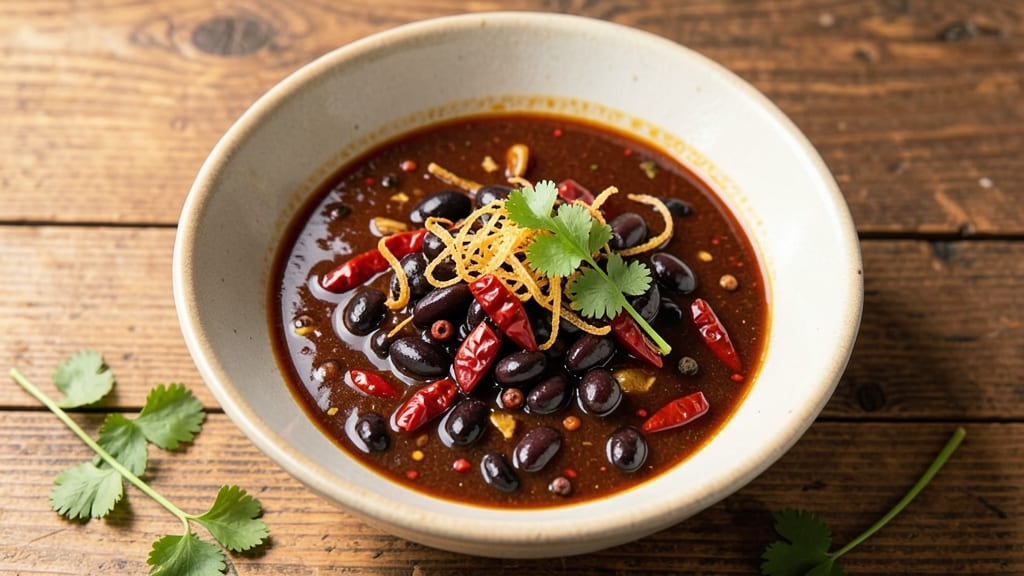
This authentic Kung Pao sauce brings Sichuan’s bold flavors to your kitchen—spicy, nutty, and perfectly balanced in just 30 minutes. The secret lies in toasting Sichuan peppercorns and chili peppers until fragrant, then blending them with fermented black beans, soy sauce, and a touch of sweetness.
Unlike bottled versions, this homemade sauce delivers layers of heat, aroma, and depth that elevate any stir-fry or noodle dish.
The process is straightforward but critical: simmer the sauce until thickened, then blend in roasted peanuts for that signature crunch. Adjust the heat by controlling the chili peppers—remove seeds for milder spice or keep them whole for a fiery kick.
This sauce isn’t just for Kung Pao chicken; it transforms tofu, vegetables, or even noodles into a restaurant-worthy meal.
What sets this recipe apart is its authenticity—no shortcuts, just the right balance of Sichuan peppercorns for their signature numbing heat and fermented black beans for umami richness.
The result is a sauce that’s vibrant, aromatic, and ready to store in the fridge for up to a week, making it perfect for meal prep.
Whether you’re serving Kung Pao chicken, tossing it with tofu, or drizzling it over rice, this sauce delivers restaurant-quality flavor with every bite. Let’s make it—your taste buds will thank you.
Ingredients for authentic kung pao sauce
The core ingredients for Sichuan's fiery, nutty sauce—where bold spices meet umami richness.
| Ingredient | Amount | Notes |
|---|---|---|
| Sichuan Peppercorns 🌶️ | 1 tbsp | Toasted until fragrant for numbing heat |
| Dried Red Chili Peppers 🔥 | 2 whole | Seeds removed for milder heat |
| Fermented Black Beans 🫘 | ½ cup | Rinsed to remove excess salt |
| Light Soy Sauce 🍶 | ½ cup | High-quality for umami balance |
| Dark Soy Sauce 🍶 | ¼ cup | For deeper color and richness |
| Rice Vinegar 🍶 | 2 tbsp | White vinegar substitute if unavailable |
| Rock Sugar or Brown Sugar 🍬 | 2 tbsp | Rock sugar preferred for authentic texture |
| Garlic Cloves 🧄 | 4 cloves | Minced for aromatic depth |
| Ginger Root 🌿 | 1 tbsp | Finely grated for fresh zing |
| Roasted Peanuts 🥜 | ½ cup | Lightly toasted for signature crunch |
| Sesame Oil 🫒 | 1 tbsp | Toasted sesame oil for aroma |
| Cornstarch 🌾 | 1 tsp | Dissolved in 1 tbsp water for thickening |
The Sichuan peppercorns and dried chilies are non-negotiable for that signature numbing heat and spice. Look for whole Sichuan peppercorns at Asian markets—they toast beautifully and pack more flavor than pre-ground versions. Fermented black beans? Trader Joe's carries them in the Asian foods aisle, but if you can't find them, black soybeans work in a pinch (soak overnight). For the soy sauces, Lee Kum Kee light and dark are my go-tos—they strike that perfect balance between salty and savory. Toast the peppercorns and chilies in a dry pan until they smell like a Sichuan street market—that aroma is the soul of this sauce.
No fermented black beans? Substitute with 2 tbsp soy sauce plus 1 tsp molasses for umami depth. Running low on rice vinegar? Apple cider vinegar works, but reduce to 1.5 tbsp to avoid over-acidity. The rock sugar is key for that authentic caramelized sweetness—if you can't find it, light brown sugar dissolves better than white. For the peanuts, raw or dry-roasted both work, but toast your own for 3-4 minutes in a dry pan for maximum flavor. The sesame oil should be toasted—heat it gently until it smells nutty, then cool before adding. And if you're worried about the heat, simply remove the seeds from the chilies before toasting.
This sauce keeps beautifully—1 week in the fridge in an airtight jar, or 3 months frozen if you make a big batch. I always double the recipe because it disappears fast. For storage, let it cool completely before refrigerating—condensation is the enemy of shelf life. The peanuts will soften if stored too long, so add them fresh when serving. Pro tip: Freeze in ice cube trays for easy portioning—just thaw and stir into stir-fries or noodles.
Why You'll Love This Recipe
- One-Pot Magic: I swear by this—just a wok, a few minutes of stirring, and those fermented black beans pop with umami. No blender, no mess, just pure flavor from the get-go.
- Numb & Tingling Bliss: That Sichuan peppercorn heat isn’t just spicy—it’s alive. The moment it hits your tongue, the tingling takes over, and suddenly, everything else tastes sharper. (Warning: You’ll want to keep a glass of milk nearby.)
- Weeknight Superhero: Between us, this sauce turns takeout-quality stir-fries into your dinner. Slap it on noodles, toss with chicken, or drizzle over rice—it’s the secret weapon I reach for when I’m too tired to think.
- Budget Flavor Bomb: A little goes a long way. That jar of dried chilies and a handful of peppercorns stretch across weeks of meals, and the dark soy sauce? It’s the deep, rich base that makes cheap protein taste like a restaurant dish.
Step-by-step instructions for authentic Kung Pao sauce
This method delivers the signature balance of spicy, nutty, and tangy flavors that define authentic Kung Pao sauce.
Toast the Aromatics for Deep Flavor
Heat a dry wok or skillet over medium-high heat. Add the 1 tablespoon Sichuan peppercorns and toast for 30 seconds, stirring constantly until fragrant. Immediately transfer to a small bowl to cool—their aroma will infuse the sauce.
Add the 2 whole dried red chili peppers (seeds removed) and toast for 20 seconds until slightly softened and aromatic. Remove from heat and set aside with the Sichuan peppercorns. This quick toasting step unlocks the complex, numbing heat that defines authentic Kung Pao.
Build the Sauce Base with Fermented Black Beans
In the same wok, add 1 tablespoon sesame oil and swirl to coat. Add the 4 minced garlic cloves and 1 tablespoon finely grated ginger root, cooking for 20 seconds until fragrant but not browned. Add the 0.5 cup rinsed fermented black beans and stir-fry for 1 minute until heated through.
Pour in the 0.5 cup light soy sauce, 0.25 cup dark soy sauce, and 2 tablespoons rice vinegar, stirring constantly. The dark soy sauce will deepen the sauce's rich mahogany color while balancing the light soy's umami. Let this mixture simmer for 2 minutes until slightly reduced and glossy.
Sweeten and Thicken the Sauce
Add the 2 tablespoons rock sugar (or brown sugar) and stir until completely dissolved. The sugar will caramelize slightly, adding depth to the sauce's flavor profile. In a small bowl, dissolve the 1 teaspoon cornstarch in 1 tablespoon water, then stir this slurry into the sauce.
Simmer for 2-3 minutes until the sauce thickens to a glossy, syrupy consistency that coats the back of a spoon. You're aiming for a sauce that's thick enough to cling to noodles or chicken but still pourable. Taste and adjust seasoning—add a splash more light soy sauce if needed for saltiness or a touch of rice vinegar for tang.
Finish with Peanuts and Chili Heat
Return the toasted Sichuan peppercorns and dried red chili peppers to the wok. Add the 0.5 cup roasted peanuts and toss everything together for 1 minute until the peanuts are lightly toasted and the chili peppers soften slightly. The peanuts should be warm but not burning—this adds their signature crunch.
Remove from heat and let the sauce rest for 5 minutes. This resting period allows the flavors to meld completely. The sauce should have a vibrant red color from the dark soy sauce, with visible peanuts and chili peppers throughout. For serving, drizzle over stir-fried chicken, noodles, or tofu, or use as a dipping sauce for dumplings.
Pro Tips For Making Authentic Kung Pao Sauce
- STIR-FRY IN BATCHES: Kung pao sauce needs to sizzle, not steam—crowd the wok and you’ll end up with soggy peppers and bland sauce. Work in two groups: toss the first batch of protein and peppers into the wok, let them sear for 30 seconds, then pull them out before adding the second. That way, everything gets the crisp-tender texture it deserves.
- TOAST THE PEPPERCORNS: Skip this, and your sauce will taste flat. Dry-toast whole Sichuan peppercorns in a separate pan over medium heat for 1-2 minutes until fragrant and slightly puffed—just until you smell that citrusy, piney aroma. Grind them fresh right after; pre-ground peppercorns lose their kick fast.
- USE DARK SOY FOR COLOR: Light soy sauce gives flavor, but dark soy sauce is your secret weapon for that glossy, restaurant-worthy sheen. Add 1 tablespoon of dark soy sauce after the sauce has thickened slightly—it’ll darken the sauce beautifully without overpowering the balance.
- CHAR THE FERMENTED BEANS: Fermented black beans need a quick sear before they go into the sauce. Toss them in the wok for 30 seconds until they’re fragrant and slightly crisp at the edges—this deepens their umami punch. If they’re still raw-tasting, you didn’t push them enough.
Essential equipment for this dish
Wok or Skillet
A carbon steel wok is my go-to for authentic Kung Pao sauce because it heats evenly and retains heat beautifully—essential for that quick stir-fry technique. If you don’t have a wok, a 10-inch cast iron skillet works just as well.
I’ve used my Lodge cast iron for years, and it develops a natural non-stick patina over time that prevents sticking. For non-stick options, a high-quality ceramic-coated pan like GreenPan works, but avoid cheap non-stick—it can’t handle the high heat needed for proper aromatics toasting. 🔥
Mortar and Pestle
While not strictly necessary, a marble mortar and pestle is perfect for crushing Sichuan peppercorns and dried chilies for an extra-fine texture that blends seamlessly into the sauce. I keep a small granite mortar on my counter—it’s durable and does the job beautifully.
If you don’t have one, a clean coffee grinder (dedicated to spices only!) works in a pinch. Just pulse the peppercorns and chilies until they’re finely ground but not powdered. Avoid blenders—they can overheat and burn the spices.
Measuring Spoons and Scale
Precision matters with Kung Pao sauce, especially for the Sichuan peppercorns and sesame oil.
A stainless steel measuring set (like OXO Good Grips) ensures accuracy, while a digital kitchen scale (I use Escali Primo) helps measure ingredients like rock sugar and fermented black beans by weight for consistency.
For the cornstarch slurry, a small liquid measuring cup with clear markings makes it easy to mix the 1 teaspoon cornstarch with 1 tablespoon water perfectly. Never eyeball measurements—this sauce relies on balance!
Fine-Mesh Strainer
A fine-mesh strainer (like OXO Good Grips) is essential for rinsing the fermented black beans to remove excess salt without losing texture. I also use it to strain any accidental bits of chili pepper or peppercorn that might be too large after blending.
For the peanuts, a wire mesh strainer helps drain excess oil if you toast them separately. Pro tip: If you don’t have a strainer, a clean cheesecloth works in a pinch—just squeeze out excess liquid gently. 💡
Blender or Food Processor
While the sauce can be chunky and delicious without blending, a high-speed blender (like Vitamix) or food processor ensures a smooth, restaurant-quality texture. I pulse the sauce briefly—just enough to break up the black beans and peanuts slightly while keeping some texture.
Avoid over-blending, or the sauce will turn into a paste. For a truly authentic texture, skip blending entirely and leave the peanuts and chilies whole—they add that signature crunch and visual appeal. ✨
Storage Containers
An airtight glass jar (like Le Parfait) is ideal for storing your Kung Pao sauce—it preserves flavor and keeps the peanuts from turning soggy. I always let the sauce cool completely before transferring to avoid condensation, which can dilute the flavors.
For freezing, silicone molds (like Stasher bags) work great—they’re flexible, stackable, and easy to portion. Label everything with the date, as the sauce’s texture changes over time. A small ladle (like OXO Good Grips) makes it easy to scoop out just the right amount for stir-fries or noodles.
Nutrition facts
Frequently asked questions about authentic Kung Pao sauce
Can I make this sauce without Sichuan peppercorns?
Yes, but you'll miss the signature numbing heat that defines authentic Kung Pao. Substitute with 1 teaspoon ground white pepper plus ½ teaspoon cayenne pepper for a similar spicy kick, though the flavor won't be identical. For the best results, track down whole Sichuan peppercorns—they're worth it for that unique tingly sensation.
How spicy will this sauce be?
The heat level depends on the chili peppers—removing seeds gives mild-medium heat, while keeping seeds whole makes it hot. For extra control, toast 1 chili pepper for milder heat or add ½ teaspoon chili flakes later if you want more fire. The Sichuan peppercorns add numbing heat without traditional spiciness.
Can I use this sauce for dishes other than Kung Pao chicken?
This versatile sauce works perfectly with stir-fried tofu, noodles, rice dishes, or even as a dipping sauce for dumplings. The peanuts add crunch to salads, and the spicy-sweet balance shines in fried rice. Just adjust the sauce-to-dish ratio—start with 1-2 tablespoons per serving and taste as you go.
Why does my homemade sauce taste different from store-bought?
Store-bought versions often use artificial colors, preservatives, and powdered spices that lack fresh aroma. Freshly toasted Sichuan peppercorns and fermented black beans create depth that bottled sauces can't replicate. The homemade version also has natural texture from peanuts and chilies—this is a good thing! For closer results, simmer your sauce longer for deeper flavor.
How can I make this sauce less sweet?
Reduce the rock sugar to 1 tablespoon or omit it entirely for a less sweet profile. Balance the flavors by adding ½ teaspoon extra rice vinegar or a pinch of white pepper to enhance the savory notes. Taste as you go—authentic Kung Pao sauce should have a slight sweetness, but it should never overpower the spicy-salty elements.