
Sauces & Condiments
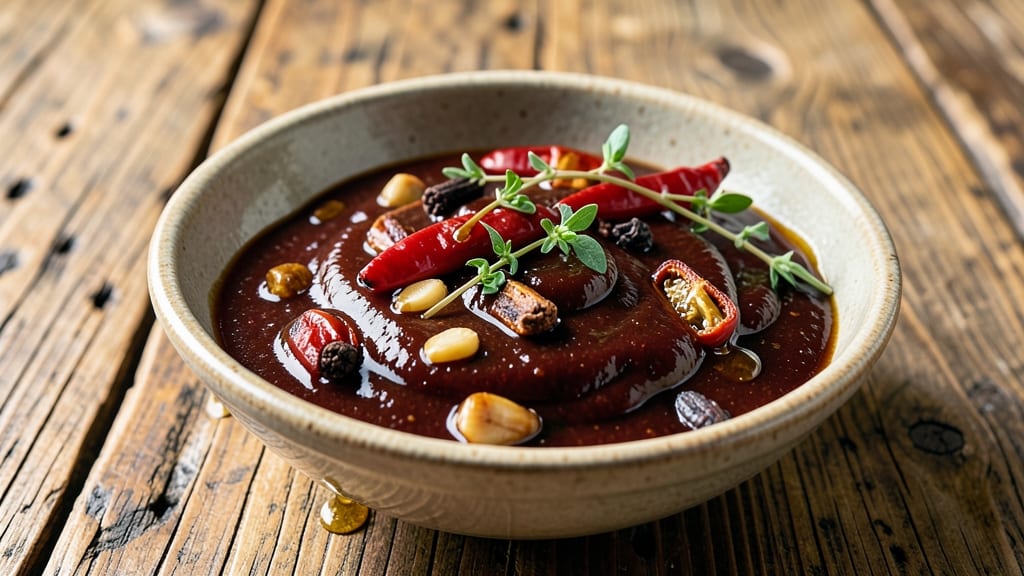
This authentic jerk BBQ sauce recipe brings the bold, fiery flavors of Jamaica straight to your kitchen—where allspice and Scotch bonnet peppers create a balance of heat and depth that transforms grilled meats into unforgettable masterpieces. The secret lies in slow simmering the sauce until it reaches that perfect thick, glossy consistency, packed with the smoky warmth of traditional Jamaican spices. I've perfected this recipe over years of grilling competitions, where the right blend of sweet, spicy, and tangy notes made all the difference between good and extraordinary.
The foundation of authentic jerk sauce starts with a proper spice blend—allspice berries, Scotch bonnet peppers, thyme, and garlic—all toasted and ground to release their full aroma.
I use soy sauce for umami depth and a touch of vinegar to brighten the flavors, while brown sugar adds just enough caramelized sweetness to balance the heat. The sauce needs time to develop its complexity, so simmering it low and slow is non-negotiable—this isn't something you can rush.
Trust me, the patience pays off in every bite.
What you'll end up with is a sauce that's thick enough to cling to grilled chicken, pork, or fish but still glossy enough to glaze perfectly.
The heat from the Scotch bonnet peppers will make your eyes water at first, but the allspice and thyme create a warm, earthy counterpoint that makes every bite exciting. This isn't just a sauce—it's a flavor experience that turns simple grilled meats into restaurant-quality dishes with minimal effort.
The best part? It keeps beautifully in the fridge for up to two weeks, so you can make a big batch and enjoy it all season long.
For those who love to experiment, this sauce works just as well as a marinade—let your protein soak up those flavors for at least 4 hours before grilling. Or use it as a finishing glaze for roasted vegetables.
The key is adjusting the heat to your preference by controlling the amount of Scotch bonnet pepper you add. Now, let's get simmering—your grill is about to become the star of the show.
Ingredients for authentic jerk bbq sauce
Nine ingredients transform into Jamaican fire—where allspice and Scotch bonnet peppers create a sauce that turns grilled meats into unforgettable masterpieces.
| Ingredient | Amount | Notes |
|---|---|---|
| Allspice Berries 🌶️ | 1 ½ tbsp | Toasted for deeper aroma |
| Scotch Bonnet Peppers 🌶️ | 2 whole | Seeds removed for milder heat |
| Fresh Thyme Leaves 🌿 | ½ cup | Stems removed, loosely packed |
| Garlic Cloves 🧄 | 6 cloves | Peeled, slightly crushed |
| Light Soy Sauce 🍶 | ½ cup | For umami depth |
| Apple Cider Vinegar 🍏 | ¼ cup | Brightens the sauce |
| Brown Sugar 🍯 | ½ cup | Packed, for caramelized sweetness |
| Tomato Paste 🍅 | ¼ cup | For rich, tangy base |
| Ground Ginger 🌿 | 1 tbsp | Freshly ground preferred |
| Ground Cinnamon 🌶️ | ½ tsp | For subtle warmth |
| Water 💧 | ½ cup | For thinning as needed |
The allspice berries are non-negotiable—toast them in a dry pan for 1 minute until fragrant to unlock their full aroma. Scotch bonnet peppers are the heart of the heat, but handle them with care (wear gloves if sensitive). I always grab mine from Caribbean markets or Latin grocery stores—they're fresher than what you'll find in regular supermarkets. For the thyme, fresh is ideal, but dried works in a pinch at half the amount. The garlic should be freshly peeled—pre-minced garlic loses its punch fast. If you're making a big batch, double the spices and store in airtight jars for up to 6 months.
No Scotch bonnet? Habanero or serrano peppers work, but reduce by half—these pack serious heat. Light soy sauce out of stock? Tamari or coconut aminos are solid swaps. Fresh ginger unavailable? Ground ginger works, but toast it first for better flavor. The tomato paste can be jarred or squeeze tubes—just make sure it's 100% tomato paste, no fillers. For a smoother sauce, strain it through a fine-mesh sieve after simmering. Want it thicker? Simmer uncovered for 5 more minutes. Prefer it thinner? Add water 1 tbsp at a time—it's easier to fix than thicken.
This sauce keeps beautifully—2 weeks in the fridge or 6 months in the freezer. I portion mine into ice cube trays for easy marinade use later. The heat mellows slightly over time, so it's perfect for making ahead. If you've got extra, freeze it in small containers so you can thaw just what you need. Pro tip: Label your jars with the date—trust me, you'll forget how long it's been sitting there.
Why You'll Love This Recipe
- No Blender Needed: I swear by this—just a knife, a mortar, and a little elbow grease. The Scotch bonnet and allspice berries release their magic when you grind them fresh, and honestly? That’s where the real flavor lives. No fancy equipment, just raw, punchy taste.
- Heat That Stays: Between the Scotch bonnet and toasted garlic, this sauce packs a slow-building warmth that lingers. It’s not just spicy—it’s layered, with that deep, earthy allspice humming underneath. (Yes, even on a Tuesday night when you’re craving something bold but not overpowering.)
- Double-Duty Magic: Slather it on grilled chicken for dinner, then toss the leftovers into a stir-fry the next day. The soy sauce keeps it umami-rich, so it works on everything from tacos to roasted veggies. My freezer’s always stocked with a jar—because why make one sauce for one meal?
- Penny-Pinching Powerhouse: Allspice berries and thyme stretch a long way, and a single Scotch bonnet (used sparingly) flavors the whole batch. I’ve made gallons for under $10, and it’s the secret to my budget-friendly BBQ game. Plus, it keeps for weeks in the fridge—no waste, all flavor.
Step-by-step instructions for authentic jerk BBQ sauce
This Caribbean-inspired sauce delivers bold, smoky depth with perfect heat balance—every step matters.
Toast the Allspice and Prepare the Peppers
Heat a dry skillet over medium heat and add the 1.5 tbsp allspice berries. Toast them for 1-2 minutes until fragrant and slightly darker—this deepens their aroma dramatically. Remove from heat immediately to prevent burning, then grind them with a mortar and pestle (or pulse in a spice grinder) until you have a fine powder.
While the allspice toasts, carefully deseed the 2 whole Scotch Bonnet peppers. I use a small knife to slice open the peppers lengthwise, then scrape out the seeds and membranes with the knife's tip. Be cautious—these peppers pack serious heat! Wear gloves if you're sensitive to spice. Once deseeded, chop the peppers into ¼-inch pieces—this ensures even distribution of heat throughout the sauce.
Build the Flavor Base with Aromatics
In a heavy saucepan, combine the chopped Scotch Bonnet peppers, 6 cloves garlic cloves (lightly crushed), and 0.5 cup fresh thyme leaves (stems removed). Cook over medium-low heat for 5 minutes, stirring frequently, until the garlic turns golden and the thyme leaves darken slightly. This step develops their natural oils and intensifies their flavors.
Here's the thing—don't rush this. The garlic should be fragrant but not browned, and the peppers should soften just enough to release their oils. If you smell burning, reduce the heat immediately. These aromatics form the foundation of your sauce, so take your time.
Simmer the Wet Ingredients
Add the 0.5 cup light soy sauce, 0.25 cup apple cider vinegar, 0.5 cup brown sugar (packed), and 0.25 cup tomato paste to the saucepan. Stir well to combine, then increase the heat to medium-high and bring everything to a gentle boil. Once boiling, reduce the heat to low and let it simmer uncovered for 15-20 minutes, stirring occasionally.
During this time, the sugar will caramelize slightly, deepening the sauce's color and adding natural sweetness. You'll notice the mixture thicken as it reduces—this is normal. If it looks too thick before the 20 minutes are up, add 1-2 tablespoons of the 0.5 cup water to loosen it. The sauce should coat the back of a spoon but still be pourable.
Finish with Spices and Adjust Consistency
Stir in the 1 tbsp ground ginger, 0.5 tsp ground cinnamon, and the toasted allspice powder. Let the sauce simmer for another 5 minutes, stirring frequently. The spices will bloom and mingle with the other flavors, creating that signature jerk profile. Taste as you go—this is where you can adjust the balance.
If the sauce needs more heat, add a pinch of cayenne or a tiny bit of reserved Scotch Bonnet seeds. For sweetness, add a bit more brown sugar. For tang, a splash of apple cider vinegar works wonders. The goal is a harmonious balance of sweet, spicy, smoky, and tangy. Once satisfied, remove from heat and stir in the remaining 0.5 cup water if needed to reach your desired consistency.
Cool and Store for Maximum Flavor
Let the sauce cool to room temperature, then transfer it to a clean glass jar. I like to let it sit for at least 1 hour before using—this allows the flavors to meld even further. The sauce will thicken slightly as it cools, so don't be surprised if it looks different the next day. If it becomes too thick, simply thin it with a splash of water or broth when ready to use.
This sauce keeps well in the refrigerator for up to 2 weeks, or you can freeze it for up to 3 months. The longer it sits, the more complex the flavors become. Use it to glaze meats, baste chicken, or drizzle over grilled vegetables. Just remember—this is a hot sauce, so start with small amounts and adjust to taste!
Pro Tips For Making Authentic Jerk Bbq Sauce
- TOAST ALLSPICE WHOLE: I learned this the hard way—crushing dried allspice berries raw makes the sauce taste bitter and sharp. Instead, toast them in a dry pan over medium heat for 30 seconds until fragrant, then grind fresh. The warmth deepens the flavor and cuts through the Scotch bonnet’s heat.
- PEEL GARLIC AFTER COOKING: Garlic burns fast and turns bitter in jerk sauce. Add whole cloves raw, then peel them after simmering for 5 minutes. This keeps the flavor bright and prevents that acrid aftertaste.
- STRAIN THE PEPPERS: Scotch bonnet seeds add fire, but the flesh can make the sauce slimy. After blending, strain through a fine-mesh sieve to keep the heat without the texture. (Yes, it’s extra work—but your mouth will notice.)
- SIMMER LOW AND LONG: Rushing the sauce on high heat makes it taste raw and one-note. Let it bubble gently for 20-30 minutes instead. The thyme and soy sauce need time to meld, not just cook. Patience here makes the difference between "meh" and "wow."
Essential equipment for this recipe
Heavy Saucepan
You'll need a heavy-bottomed saucepan—I swear by my All-Clad stainless steel 3-quart pan—because jerk sauce requires steady, even heat without hot spots. The thick base of tomato paste and brown sugar can burn quickly if your pan isn't heavy enough.
If you don't have one, a cast iron skillet works too, but it'll take longer to heat up. 🔥
Mortar and Pestle
For that authentic jerk flavor, toasting and grinding your own allspice berries is a game-changer. A marble mortar and pestle (not ceramic—it's too porous) gives you the best texture and releases the maximum aroma.
If you're in a pinch, a spice grinder works, but it won't be as flavorful. I keep mine on my counter because I use it for everything from jerk sauce to pestos.
Fine-Mesh Strainer
If you prefer a smoother sauce, a fine-mesh strainer (like the OXO Good Grips) is essential for removing any fibrous bits from the peppers or thyme stems. Skip this step if you like texture, but I find it makes the sauce silky and professional-looking.
Pro tip: Wet the strainer first to help push the sauce through more easily.
Measuring Spoons
Precision matters with spices like allspice and cinnamon—too much, and you'll overpower the sauce; too little, and the flavor won't develop properly. Invest in a set of stainless steel measuring spoons (I love the KitchenAid set) for accuracy.
A digital scale is even better for spices, as volume measurements can vary wildly between brands.
Glass Jars for Storage
Once your sauce is ready, store it in airtight glass jars—I prefer Ball Mason jars because they seal tightly and won't absorb flavors like plastic. Label them with the date so you can track freshness.
Glass also allows you to see the sauce's rich color, which is a great visual cue for quality. Plus, they're reusable for everything from canning to meal prep.
Heat-Resistant Spoon
A wooden spoon or silicon spatula is a must for stirring jerk sauce—metal can scratch nonstick pans and react with the vinegar. I keep a heat-resistant silicone spoon in my saucepan at all times because it's gentle on the pan and easy to clean.
Stirring frequently ensures even cooking and prevents burning, especially when the sugar starts caramelizing.
Nutrition facts
Frequently asked questions
Can I make this jerk sauce without Scotch Bonnet peppers?
If you can't find Scotch Bonnet peppers, use habanero or serrano peppers instead, but reduce the amount by half since they're milder. For a completely different heat profile, try 1-2 teaspoons of cayenne pepper instead—it'll give you a smoky kick without the fruity notes of fresh peppers. Just remember, the sauce will taste different but still delicious!
How do I adjust the heat level in this sauce?
Start by removing the seeds and membranes from the Scotch Bonnet peppers for milder heat. For more intensity, add a pinch of cayenne or a tiny bit of reserved Scotch Bonnet seeds while simmering. If you're sensitive to spice, reduce the peppers to just 1 whole pepper and add a splash of apple cider vinegar to balance the heat. Always taste as you go!
Can I use this sauce as a marinade instead of a glaze?
Yes! This sauce works wonderfully as a marinade—simply coat your protein in the sauce and let it sit for at least 4 hours (or overnight for deeper flavor). For best results, use it on chicken, pork, or fish before grilling or baking. The marinating time helps tenderize the meat while infusing it with those bold jerk flavors. Just pat the meat dry before cooking for a better sear.
Why does my sauce look too thick after cooling?
This is totally normal! Jerk sauce thickens as it cools, which is actually a good sign—it means the flavors have melded properly. If it's too thick for your liking, simply thin it with 1-2 tablespoons of water or broth when ready to use. For a smoother texture, strain it through a fine-mesh sieve after simmering. The consistency should be thick enough to coat the back of a spoon but still pourable.
What’s the best way to store leftover jerk sauce?
Store your sauce in an airtight glass jar in the fridge for up to 2 weeks, or freeze it for 3 months in small portions. For easy use later, freeze it in ice cube trays—just pop out what you need and thaw in the fridge. The flavors actually improve over time, so don’t hesitate to make a big batch! Just label your jars with the date to keep track.