
Sauces & Condiments
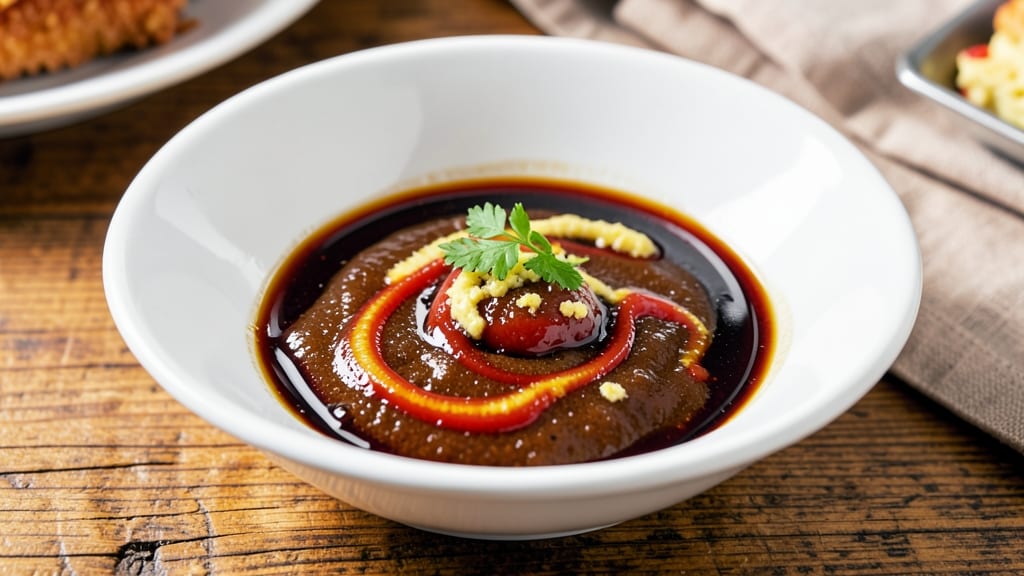
This authentic Japanese tonkatsu sauce recipe transforms ordinary pork cutlets into crispy, golden masterpieces with a glossy, umami-rich glaze that clings perfectly to every bite. The secret lies in balancing sweet, tangy, and savory elements—Worcestershire, ketchup, and mirin work together to create depth that store-bought sauces simply can’t match.
What makes this sauce special is its ability to caramelize beautifully while maintaining a silky texture, even after reheating.
The sauce comes together in just 15 minutes with simple pantry staples, yet delivers restaurant-quality results that elevate tonkatsu from good to unforgettable. The key is simmering the ingredients until thickened, which develops a glossy sheen and concentrated flavor.
Unlike many recipes that rely on heavy cream or butter, this version stays light and clings effortlessly to crispy pork, making it ideal for both beginners and home cooks looking to perfect their cutlets.
Once made, this sauce keeps beautifully in the refrigerator for up to 2 weeks, allowing you to batch-prep for multiple meals. The rich, slightly sweet profile pairs perfectly with the crispy exterior of tonkatsu, while its tangy finish cuts through the richness.
Whether you're serving it with shredded cabbage, steamed rice, or even as a dipping sauce for fried chicken, the results are consistently impressive.
For an extra layer of authenticity, let the sauce reduce until it coats the back of a spoon—this ensures it’ll adhere flawlessly to your pork. The balance of ingredients is precise, but don’t be afraid to adjust sweetness or tang to your taste.
This is the sauce that turns a simple weeknight dinner into a taste of Japan’s most beloved comfort food.
Ingredients for authentic japanese tonkatsu sauce
Nine simple ingredients create this restaurant-style tonkatsu sauce—umami bombs and pantry staples only.
| Ingredient | Amount | Notes |
|---|---|---|
| Japanese Worcestershire Sauce 🍶 | ½ cup | High-quality for authentic flavor |
| Ketchup 🍅 | ½ cup | Heinz preferred for consistency |
| Mirin 🍶 | ¼ cup | Sweet cooking wine essential |
| Soy Sauce 🍶 | ¼ cup | Light or dark preferred |
| Dijon Mustard 🌶️ | 1 tbsp | For tangy depth and texture |
| Granulated Sugar 🍚 | 2 tbsp | Adjust for sweetness preference |
| Cornstarch 🌾 | 1 tbsp | For silky thickening |
| Water 💧 | ¼ cup | For thinning if needed |
| Sesame Oil 🫒 | 1 tsp | Toasted for aroma (optional) |
| Salt 🧂 | ½ tsp | Fine sea salt for balance |
The Japanese Worcestershire sauce is non-negotiable here—it’s the secret weapon for that authentic umami punch. Makura or Kikkoman are the gold standards, but Asian grocery stores carry them at better prices than regular supermarkets. If you’re using a substitute, Lea & Perrins Worcestershire plus a dash of fish sauce gets you close, but it won’t be the same. The ketchup? Heinz is your best bet—it’s the most consistent brand, and this sauce isn’t the place to experiment. Mirin adds that signature sweetness, so don’t skip it. Look for the real stuff (not the imitation kind) at stores like Trader Joe’s or H Mart—their shelves are stocked with the good stuff.
No mirin? Dry sherry plus 1 tsp sugar works in a pinch, but it’s not the same. Soy sauce can be swapped for tamari if gluten-free is a concern, but the flavor will be slightly different. The cornstarch is key for that glossy, clingy texture—don’t substitute arrowroot, or the sauce won’t thicken properly. Sesame oil is optional but adds a toasty aroma that takes this sauce to the next level. Toast it in a dry pan for 30 seconds before adding to deepen the flavor. For a quicker version, grab the pre-toasted oil from Asian markets. And if you’re short on time, 1 tsp toasted sesame seeds stirred in at the end gives a similar vibe.
This sauce keeps for 2 weeks in the fridge, sealed tightly in a jar. The flavors actually improve over time—it’s worth making extra. For leftovers, reheat gently on low heat, stirring constantly to prevent scorching. It reheats beautifully and clings to tonkatsu just as well as fresh. Freezing isn’t recommended, as the texture can break down, but if you must, portion into ice cube trays for single-use servings. Once you’ve made this, you’ll never go back to store-bought again—it’s that good.
Why You'll Love This Recipe
- Five-Ingredient Magic: I swear by this combo—just stir, simmer, and boom, you’ve got that perfect tangy-sweet balance. No fancy techniques, no hidden spices, just the real deal with Japanese Worcestershire and mirin doing the heavy lifting.
- Crispy Edge, Silky Drizzle: That first bite of tonkatsu with this sauce? The golden crust soaks up the glossy, slightly sticky glaze—like a hug for your taste buds. The Dijon mustard adds a sneaky depth that makes it taste restaurant-level without the fuss.
- Sauce for Everything: Slather it on tonkatsu, toss it with rice, or even drizzle it over ramen. Honestly, I’ve used it as a marinade for chicken thighs too—works every time. The versatility means I never run out of ways to use it up.
- Leftovers That Shine: This sauce keeps for weeks in the fridge and only gets better as flavors meld. Between us, I’ve reheated a week-old batch and still made my family fight over the last drop. Budget-friendly? Absolutely. Waste-free? Even better.
Step-by-step instructions for authentic tonkatsu sauce
Here's how to craft that signature glossy, umami-rich glaze that elevates crispy tonkatsu to restaurant-level perfection.
Combine the Wet Ingredients
In a medium saucepan, whisk together the 0.5 cup Japanese Worcestershire Sauce, 0.5 cup Ketchup, 0.25 cup Mirin, and 0.25 cup Soy Sauce until fully blended. This base creates the sauce's fundamental umami backbone and sweet-savory balance. I like to use a heatproof saucepan here—it'll go straight from stovetop to table without transferring.
Let the mixture sit for 2 minutes while you prepare the next components. This brief pause allows the flavors to begin melding, though don't worry if it looks completely uniform yet—the cooking process will bring everything together. The Japanese Worcestershire adds that distinctive fermented depth that sets authentic tonkatsu sauce apart from ordinary glaze recipes.
Sweeten and Thicken the Sauce
Add the 2 tablespoons Granulated Sugar and 1 tablespoon Dijon Mustard to the saucepan, stirring until the sugar dissolves completely. The Dijon mustard contributes both tangy complexity and a subtle thickening effect. Bring the mixture to a gentle simmer over medium heat, then reduce the heat to low to maintain a steady, controlled bubble.
Simmer for 5-7 minutes until the sauce reduces slightly and becomes slightly syrupy in consistency. You're looking for a point where it coats the back of a spoon but still flows smoothly—this ensures it'll glaze beautifully without being too thick. The sugar will caramelize just enough to deepen the flavor profile while maintaining that signature glossy finish.
Create the Silky Thickening Agent
In a small bowl, whisk together the 1 tablespoon Cornstarch and 0.25 cup Water until completely dissolved. This slurry is the secret to achieving that restaurant-quality glossy finish. The cornstarch suspension needs to be smooth—any lumps will create grainy texture in your final sauce.
I always use this ratio because it creates the perfect balance between thickening power and maintaining the sauce's natural flavors. Too much cornstarch will make it gluey; too little won't give that signature tonkatsu sheen. Keep this mixture nearby as you'll need to add it quickly when the sauce reaches the right consistency.
Thicken and Finish the Sauce
Slowly pour the cornstarch slurry into the simmering sauce while whisking continuously. The sauce will thicken almost immediately—this is where your attention matters most. Keep whisking for 1-2 minutes until the sauce reaches a glossy, coatable consistency that clings to the back of a spoon. It should be thick enough to glaze but still flow smoothly when poured.
Remove the pan from heat and stir in the 1 teaspoon Sesame Oil and 0.5 teaspoon Salt. The sesame oil adds that distinctive aromatic note that completes the authentic tonkatsu experience, while the salt balances all the sweet and umami flavors. Let the sauce rest for 5 minutes before using—this allows the flavors to fully meld and the texture to stabilize.
Adjust and Prepare for Serving
Taste the sauce and make any final adjustments. If it needs more sweetness, add a pinch of sugar; if it's too tangy, a splash of water can help balance it. The sauce should be glossy, slightly sweet, with deep umami undertones and a subtle tang from the mustard. This is where you'll notice if you've achieved that perfect tonkatsu sauce balance.
Transfer the sauce to a clean jar or container and let it cool to room temperature. It'll thicken slightly more as it cools, so don't worry if it looks perfect immediately—this is normal. When ready to use, simply reheat gently over low heat, stirring occasionally until smooth. This sauce keeps beautifully in the refrigerator for up to 2 weeks, making it perfect for batch cooking ahead of your tonkatsu feast.
Pro Tips For Making Authentic Japanese Tonkatsu Sauce
- Simmer Slow and Low: Tonkatsu sauce needs time to marry its flavors—don’t rush the simmer. After combining all ingredients, keep the heat at a gentle bubble (just small, occasional rises) for 8-10 minutes. I used to crank it up, and the sauce would turn cloyingly sweet or separate. Let it work its magic quietly, like a good conversation.
- Reduce That Mirin First: Mirin’s the sweet, boozy soul of this sauce, but it evaporates fast. Before adding the Worcestershire or ketchup, simmer the mirin alone for 2-3 minutes until it’s reduced by half—it deepens the flavor and prevents a watery sauce. (Yes, even if you’re impatient like me.)
- Balance the Soy Early: Soy sauce is non-negotiable, but too much upfront makes the sauce taste flat. Start with just 1 tablespoon, taste as you go, and add the rest later if needed. I learned this the hard way—once I dumped in the full 2 tablespoons at the start, and the sauce turned salty and one-dimensional. Build it gradually.
- Skip the Pre-Mixed Ketchup: Store-bought ketchup is convenient, but it’s also watered down and lacks the depth of homemade or high-quality brands. For a richer sauce, use a small can of Japanese-style ketchup (like Kewpie) or even a splash of tomato paste (1 tsp) to thicken and intensify the flavor. It’s the thing that makes your sauce taste like it came from a Tokyo izakaya.
Troubleshooting this dish
Sauce Too Thin?
If your tonkatsu sauce ends up too thin after simmering, don’t panic—this happens when the cornstarch slurry isn’t added at the right moment. The fix is simple: return the sauce to medium-low heat and whisk in an extra ½ tablespoon cornstarch mixed with 1 teaspoon water.
Simmer for 1-2 minutes until thickened. For a quicker solution, stir in ½ teaspoon additional cornstarch directly into the sauce while whisking vigorously. 💡
Grainy Texture?
Graininess usually means your cornstarch slurry had lumps or wasn’t fully dissolved. To prevent this, whisk the cornstarch and water vigorously for at least 30 seconds before adding it to the sauce.
If you’ve already added it and notice graininess, immediately remove the pan from heat, then whisk in 1 teaspoon cold water to smooth it out. For future batches, strain the sauce through a fine-mesh sieve if needed. 🌶️
Too Sweet or Tangy?
Balance is key—if your sauce tastes overly sweet, add ½ teaspoon soy sauce or a splash of water (about 1 tablespoon) to mellow it out. For excessive tang, stir in ½ teaspoon sugar or a pinch of salt to round out the flavors.
Taste as you go! Remember, the sauce should have a slightly sweet, umami-forward profile with just a hint of tang. Adjust gradually to avoid overcorrecting. 🍶
Sauce Separates When Reheating?
This happens when the sauce cools too quickly or sits too long in the fridge. To fix it, gently reheat the sauce over low heat, stirring constantly with a silicone spatula. If separation persists, whisk in 1 teaspoon water or mirin to re-emulsify.
For future batches, store the sauce in a glass jar (not plastic) and reheat slowly to maintain its silky texture. 🔥
Lacks Depth of Flavor?
If your sauce tastes flat, it might need more umami or complexity. Boost it by adding 1 teaspoon fish sauce (for authentic depth) or ½ teaspoon toasted sesame seeds for nuttiness. For a quicker fix, stir in 1 teaspoon soy sauce or a dash of black pepper.
The sauce should sing with layered flavors—umami from the Worcestershire, sweetness from the mirin, and tang from the mustard. 💫
Sauce Too Thick?
If your tonkatsu sauce is too thick, thin it with 1 tablespoon water or mirin at a time, stirring gently until it reaches a glossy, pourable consistency. Avoid adding too much liquid at once—you can always thicken it again later.
For future batches, reduce the cornstarch to ½ tablespoon if you prefer a lighter glaze. The ideal texture should coat the back of a spoon but still flow smoothly. ✨
Nutrition facts
Frequently asked questions
Can I substitute regular Worcestershire sauce for Japanese Worcestershire?
The flavor will be noticeably different—Japanese Worcestershire has a deeper umami profile with fermented ingredients like shiitake mushrooms and bonito. For a substitute, mix 0.5 cup regular Worcestershire with 1 teaspoon fish sauce and ½ teaspoon soy sauce. The texture and complexity won't be identical, but it'll work in a pinch.
How do I use this sauce beyond tonkatsu?
This versatile sauce works beautifully as a glaze for grilled chicken, fried fish, or even tofu. Try drizzling it over steamed rice or udon noodles for a quick upgrade. The balance of sweet and umami makes it perfect for dipping sauces too—pair it with crispy arare (fried sweet potato) or tempura.
Why does my homemade tonkatsu sauce look different from store-bought?
Authentic tonkatsu sauce has a glossy, slightly syrupy texture that store-bought versions often lack. The cornstarch slurry creates that signature sheen, while simmering reduces the sauce to a concentrated flavor. If yours looks dull, simmer it 1-2 minutes longer or whisk in ½ teaspoon sesame oil for extra shine.
Can I make this sauce without mirin?
Yes! Replace mirin with 2 tablespoons dry sherry plus 1 teaspoon sugar. For a non-alcoholic option, use 2 tablespoons honey or apple cider vinegar mixed with 1 tablespoon sugar. The sauce will still be delicious, though the authentic balance of sweetness and acidity will shift slightly.
How do I prevent the sauce from sticking to the pan?
Use a non-stick saucepan or a well-seasoned stainless steel pan. If sticking occurs, add 1 tablespoon water to the pan before starting, then scrape the bottom gently with a silicone spatula while cooking. For extra insurance, keep the heat at medium-low—high heat causes burning, which ruins the sauce's delicate flavor.