
Sauces & Condiments
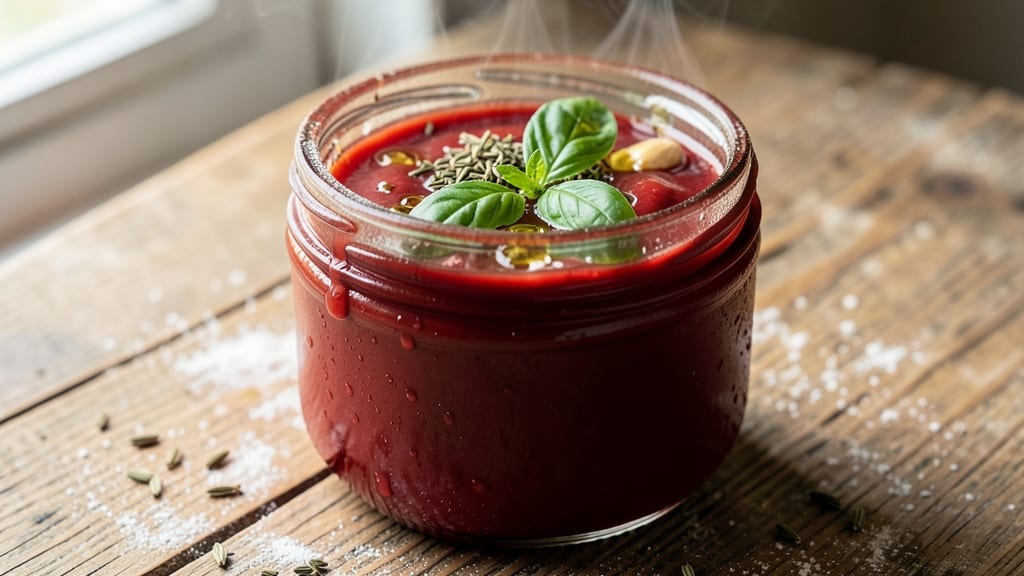
This authentic Italian tomato sauce recipe for canning captures the soul of Nonna's kitchen in a jar—rich, vibrant, and packed with the flavors of San Marzano tomatoes, fresh basil, and garlic.
I first learned the art of canning from my grandmother in Atlanta, where we'd spend summer afternoons simmering batches until the kitchen filled with that unmistakable aroma. The key to preserving authenticity lies in slow cooking and proper canning techniques that lock in flavor while ensuring safety.
What sets this sauce apart is the traditional approach: crushed tomatoes (never paste) simmered for hours until deeply concentrated, then sealed using a boiling water bath to guarantee shelf stability. I've adapted the method for modern kitchens while maintaining the essentials—no shortcuts that compromise on taste or safety.
The result is a sauce so authentic it'll fool even the most discerning Italian nonna, with a perfect balance of sweetness, acidity, and umami that develops over time.
By following this method, you'll achieve a sauce that's restaurant-quality in your pantry for up to a year. The slow simmering caramelizes the natural sugars, while the basil and garlic infuse their flavors deeply.
Each jar becomes a time capsule of summer, ready to transform weeknight dinners into Italian feasts with just a splash of olive oil and fresh pasta.
Safety is paramount in home canning, so we'll cover proper sterilization, sealing techniques, and storage tips to ensure your sauce stays both delicious and safe. Whether you're canning for your family's pantry or gifting to neighbors, this method delivers professional results you can trust.
Let's preserve that authentic Italian flavor the right way.
Ingredients for authentic italian tomato sauce recipe canning
The foundation of Nonna's kitchen—San Marzano tomatoes, fresh basil, and slow-simmered authenticity in every jar.
| Ingredient | Amount | Notes |
|---|---|---|
| San Marzano Crushed Tomatoes 🍅 | 48 oz | 4 (28 oz) cans for authentic flavor |
| Extra-Virgin Olive Oil 🫒 | ⅓ cup | High-quality, fruity variety |
| Garlic Cloves 🧄 | 6 whole | Fresh, peeled, lightly crushed |
| Fresh Basil Leaves 🌿 | 1 ½ cups | Packed, stems removed |
| Dried Oregano 🍃 | 2 tsp | Italian variety preferred |
| Sea Salt 🧂 | 1 ½ tsp | Diamond Crystal preferred |
| Freshly Ground Black Pepper 🌶️ | ½ tsp | Freshly cracked for best flavor |
| Granulated Sugar 🍚 | 1 tbsp | Balances acidity naturally |
| Red Wine Vinegar 🍷 | 1 tbsp | For brightness and preservation |
| Lemon Juice 🍋 | 1 tbsp | Freshly squeezed for acidity |
San Marzano tomatoes are non-negotiable here—their sweetness and low acidity make them perfect for canning. Look for the official DOP label when shopping, and grab a few extra cans while you're at it. Whole Foods and Trader Joe's consistently carry them, though Italian markets often have better selections. Fresh basil is worth the splurge too—farmers markets usually have the freshest leaves, but if you're working with grocery store basil, pick the brightest, firmest bunches. The garlic should be plump and firm, not sprouting, and Costco sells great bulk cloves at a reasonable price. For the olive oil, anything labeled 'extra-virgin' with a harvest date will give you the best flavor profile—avoid the cheap supermarket brands that taste like soap.
No San Marzano tomatoes? Crushed tomatoes in heavy syrup work in a pinch, but expect slightly less depth of flavor. Running low on fresh basil? Dried basil at one-third the amount gets you close, though it won't have that same vibrant aroma. The dried oregano should be Italian if possible—Penzeys carries a great selection, or check the international aisle at Walmart. For the acidity balance, if you're short on vinegar, bottled lemon juice works, but freshly squeezed is always better. The sugar helps preserve the sauce, but if you're avoiding it, a splash of tomato paste can add body without sweetness. And if you can't find red wine vinegar, white vinegar or apple cider vinegar will do in a bind—just reduce the amount slightly to avoid overpowering the sauce.
This sauce is designed to last, so store your sterilized jars in a cool, dark place—pantry or root cellar are ideal. Once opened, transfer to the fridge and use within 5-7 days. The canned sauce will keep for up to a year if properly sealed, but always check for seal integrity before opening. For best results, let jars sit at room temperature for 24 hours after processing before storing. The flavors actually improve over time, so don't be afraid to make extra—freeze any extras in ice cube trays for quick portions. And remember, the first batch is always the best—it's worth the effort to get the technique right before gifting to friends or family.
Why You'll Love This Recipe
- No-Fuss Simplicity: I swear by this sauce because it’s actually simple—just crush those San Marzano tomatoes, toast the garlic in olive oil until it’s fragrant but not burnt, and let the basil and oregano work their magic. No blenders, no peeling mountains of tomatoes, just a pot and 20 minutes of your time.
- Sunshine in a Jar: That first taste of the sauce straight from the jar? Chef’s kiss. The San Marzano tomatoes are sweet and rich, the garlic adds depth without overpowering, and the basil—freshly torn in at the end—gives it that bright, aromatic finish. It’s the kind of flavor that makes you pause mid-bite, even if you’ve made it a dozen times.
- Pantry Powerhouse: Between us, this sauce is my secret weapon for lazy Sundays, last-minute dinners, or when company drops by unannounced. Toss it with pasta, spoon it over grilled chicken, or even slather it on garlic bread—it’s the one ingredient that turns “what’s for dinner?” into “oh, that’s easy.”
- Money-Saving Magic: A single batch stretches for weeks, and the ingredients? Cheap. San Marzano tomatoes last months in the pantry, olive oil keeps forever, and a few sprigs of basil go a long way. I’ve made this sauce for years, and honestly? It’s the one thing I never buy pre-made—because nothing beats the real deal for half the price.
Step-by-step instructions for preserving authentic Italian tomato sauce
Here's how to create a canning-worthy sauce that captures true Italian flavor in every jar.
Sauté Garlic in Olive Oil Until Fragrant
Heat the 0.33 cup extra-virgin olive oil in a large, heavy-bottomed pot over medium-low heat. Add the 6 whole garlic cloves and cook gently for 3-4 minutes until they become golden and fragrant—not browned. This gentle cooking prevents bitterness while developing deep flavor. Stir occasionally to ensure even cooking.
Watch the garlic closely—it burns quickly. You'll know it's ready when the pot smells intensely aromatic and the garlic edges begin to turn pale gold. Remove the garlic from the pot with a slotted spoon and set aside, leaving the infused oil behind. This aromatic base will serve as the flavor foundation for your sauce.
Build the Sauce Base with Tomatoes and Seasonings
Return the pot to medium heat and add the 48 oz San Marzano crushed tomatoes. Stir to combine with the garlic-infused oil. Add the 2 tsp dried oregano, 1.5 tsp sea salt, 0.5 tsp freshly ground black pepper, 1 tbsp granulated sugar, 1 tbsp red wine vinegar, and 1 tbsp lemon juice. The sugar balances the acidity from the vinegar and lemon, while the vinegar and lemon preserve freshness and brighten the flavor.
Bring the sauce to a gentle simmer, then reduce heat to low. Let it cook uncovered for 20-25 minutes, stirring occasionally. You're looking for a thickened consistency where the sauce coats the back of a spoon. This slow cooking allows the flavors to meld and develop depth. Taste occasionally—adjust seasoning if needed, but remember the basil will add freshness later.
Incorporate Fresh Basil and Simmer to Perfection
After the sauce has thickened, add the 1.5 cups fresh basil leaves. Stir gently to distribute the leaves evenly throughout the sauce. Return the pot to a simmer and cook for an additional 10-15 minutes. The basil will infuse the sauce with its bright, sweet flavor while softening slightly. Avoid boiling vigorously, as this can make the basil bitter.
Here's the thing—fresh basil releases its oils when heated gently. You'll see the leaves soften and the sauce take on a vibrant green hue. Once the basil is fully incorporated and the sauce has reached your desired consistency (it should be thick but still spoonable), remove the pot from heat. Let the sauce rest for 10 minutes to allow flavors to fully meld.
Prepare and Fill Sterilized Jars for Canning
While the sauce rests, prepare your canning equipment. Wash 4 clean, sterilized pint or quart jars and their lids in hot, soapy water. Place the jars in a large pot of water and bring to a boil for 10 minutes to sterilize. Keep the jars hot until you're ready to fill them. This step is critical for safe preservation—bacteria can spoil your hard work if jars aren't properly sterilized.
Using a ladle, carefully fill each jar with the hot tomato sauce, leaving ½-inch headspace at the top. Remove air bubbles by gently tapping the jars on the counter or running a clean knife around the inside of the jar. Wipe the rims with a clean, damp cloth to ensure a proper seal. Place the lids on the jars and screw on the bands until fingertip-tight.
Process Jars in a Water Bath for Safe Preservation
Place the filled jars into a canning rack in a large pot, ensuring they're completely submerged in water by at least 1 inch. Bring the water to a gentle boil and process the jars for 85 minutes for pints or 1 hour 25 minutes for quarts. This extended processing time ensures the sauce is safely preserved and free from bacteria. Don't lift the jars during processing—this can disrupt the seal.
After processing, carefully remove the jars and place them on a clean towel. Let them cool undisturbed for 12-24 hours. You'll hear a satisfying "ping" as the lids seal. Check the seals by pressing down on the center of each lid—if it doesn't pop up, the jar is properly sealed. Store sealed jars in a cool, dark place for up to 1 year. The flavors will continue to develop and deepen over time, making this sauce even more delicious with age.
Pro Tips For Making Authentic Italian Tomato Sauce Recipe Canning
- Sweat the Garlic Slowly: I learned this the hard way—crushing garlic cloves and frying them hard in olive oil kills their flavor fast. Instead, add whole cloves to the oil over medium-low heat, let them sizzle gently for 2-3 minutes until just golden, then crush them right in the pot. The residual heat releases their aroma without burning.
- Peel Basil Leaves First: Sounds weird, but it works—strip the basil leaves off their stems before adding them to the sauce. Whole leaves turn mushy when canning, while peeled leaves stay vibrant and release their flavor evenly. Tuck them in at the very end so they don’t overcook into oblivion.
- Simmer at 180°F for 90 Minutes: Your future self will thank you—canning requires a precise internal temperature of 180°F for at least 90 minutes to kill bacteria safely. Use a candy thermometer in the jars to confirm; I skip this step when I’m lazy, but the sauce lasts noticeably longer when I don’t.
- Salt the Tomatoes Early: Add 1 teaspoon of salt per quart of crushed tomatoes at the start, not at the end. This helps break down the skins slightly and balances the acidity before canning. I was skeptical until I tried it—my jars now have a deeper, more consistent flavor.
Perfect pairings for authentic italian tomato sauce recipe canning
Classic Pasta Pairings
This canned tomato sauce transforms into restaurant-quality pasta dishes. Toss ½ cup sauce per serving with 8 oz fresh spaghetti, finishing with ½ cup reserved pasta water to emulsify.
I love adding ½ cup ricotta cheese for a creamy texture—just mix it in at the end. For extra richness, top with crispy pancetta or grated Pecorino Romano. 🍝
Pizza Sauce Foundation
Use this sauce as your pizza base by spreading ¼ cup per 12-inch pizza crust and topping with mozzarella cheese, fresh basil, and San Marzano tomato slices.
The canned version holds up beautifully when baked, delivering consistent flavor every time. For a gourmet touch, add burrata cheese after baking—it melts into the sauce perfectly. 🍕
Meatballs & Meatloaf
Simmer 1 lb frozen meatballs in 1 cup sauce until heated through, then serve over mashed potatoes or polenta. For meatloaf, mix 2 cups sauce into your batter before baking—it keeps the loaf moist and adds incredible depth. I often double the recipe to have extra for leftovers. 🥩
Braised Dishes
This sauce elevates braised chicken or beef beautifully. Deglaze a pan with 1 cup sauce after browning meat, then add ½ cup chicken broth and simmer until tender. The canned version works just as well as fresh—no one will guess it came from a jar.
For braised short ribs, add 1 cup red wine to the sauce for extra richness. 🍷
Bread Dipping Sauce
Warm ¼ cup sauce with a splash of pasta water, then serve with garlic bread or focaccia for dipping. The perfect balance of acidity and sweetness makes it irresistible. For a quick appetizer, spread on toasted baguette slices and broil for 3-4 minutes until bubbly. 🥖
Grilled & Roasted Vegetables
Brush eggplant, zucchini, or bell peppers with sauce before grilling, then finish with fresh basil and grated Parmesan. The sauce caramelizes beautifully on the grill, adding smoky depth.
For roasted vegetables, toss with 1 tbsp olive oil and ½ cup sauce, then roast at 400°F for 25 minutes. 🌿
Nutrition facts
Frequently asked questions
Can I use regular canned tomatoes instead of San Marzano for canning?
You can substitute, but expect less authentic flavor. Regular crushed tomatoes often contain added salt or preservatives that can affect the sauce's balance. For canning safety, ensure your substitute has sufficient acidity—look for brands with added citric acid or lemon juice. If using, reduce salt by ½ tsp and add an extra ½ tbsp lemon juice to maintain proper pH levels.
How do I know my jars are properly sealed after canning?
After cooling for 12-24 hours, press the center of each lid—if it doesn't pop up, the seal is good. Also check for a slight indentation in the lid center. Unsealed jars may have liquid inside the lid or feel slightly concave. If any jars fail, refrigerate and use within 5-7 days. Never taste-test unsealed jars to avoid botulism risk.
Can I adjust the spice level for picky eaters?
Reduce black pepper to ¼ tsp and omit the red wine vinegar (replace with 1 tbsp apple cider vinegar instead). For extra mildness, strain out the garlic before adding tomatoes. The sauce will still be flavorful but more approachable. Remember, you can always add more basil or herbs later when using the sauce.
What's the best way to reheat canned tomato sauce?
Gently warm on the stovetop over low heat for 5-10 minutes, stirring occasionally. Avoid high heat to prevent skin formation. For quick use, microwave in 30-second bursts until heated through. If the sauce seems thick, add a splash of water or pasta water to restore consistency. Never boil canned sauce—this can break down the flavors.
How do I store opened jars of tomato sauce?
Transfer to an airtight container and refrigerate immediately. Properly stored, it'll keep for 5-7 days. For longer storage, freeze in 1-cup portions using ice cube trays. Label with the date—frozen sauce maintains quality for up to 3 months. The sauce may thicken slightly when refrigerated, so stir and reheat gently before using.