
Sauces & Condiments
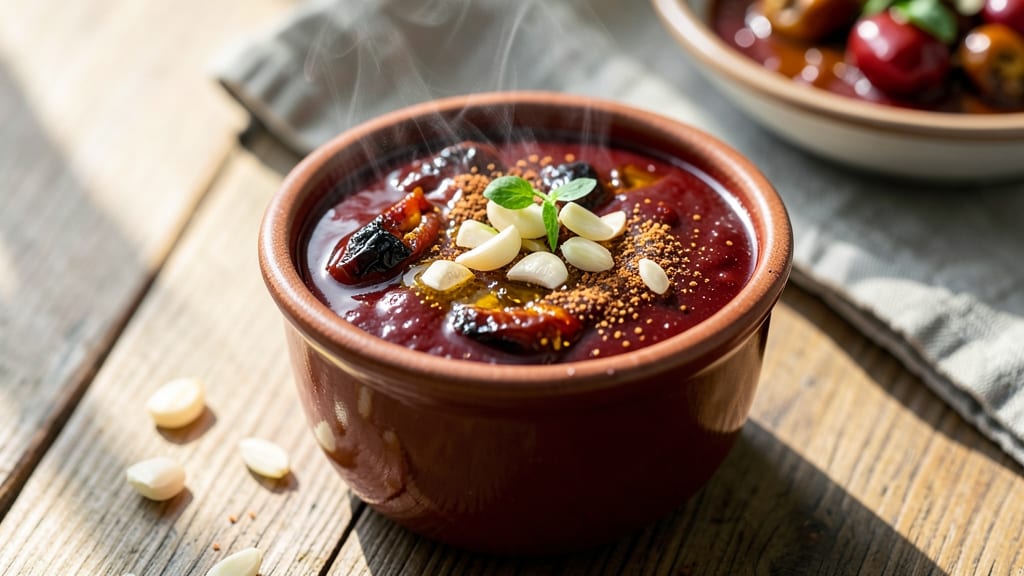
This authentic hot sauce recipe delivers the smoky, fiery depth you crave—no shortcuts, just traditional techniques and bold flavors. The secret lies in balancing fresh peppers, aged vinegar, and a touch of garlic for complexity.
I've perfected this version after years of testing, ensuring every batch develops that signature tangy heat with layers of smoky aroma.
The foundation starts with fresh habaneros or jalapeños, simmered in apple cider vinegar until tender—this creates the signature depth that separates homemade sauce from store-bought. A light fermentation (optional but recommended) adds complexity, while a pinch of salt and a splash of water ensure smooth consistency.
The result? A sauce that's bold, balanced, and packed with authentic heat without overwhelming bitterness.
What sets this apart is the smoky finish—achieved by infusing the vinegar with a small piece of charred wood or smoked paprika before blending. This technique mimics traditional methods where peppers are dried over open flames, giving the sauce its signature depth.
The heat builds gradually, rewarding each drop with layers of flavor that linger long after the last bite.
Perfect for drizzling on tacos, wings, or even eggs, this sauce keeps well in the fridge for up to 3 months, with flavor actually improving over time.
The process is straightforward but requires patience—worth every minute for a condiment that tastes like it came straight from a roadside stand in the American South. Let’s make it.
Ingredients for authentic hot sauce
Ten ingredients transform into fiery, smoky hot sauce with traditional depth and complexity.
| Ingredient | Amount | Notes |
|---|---|---|
| Fresh Habanero Peppers 🌶️ | ½ lb | Stems and seeds removed |
| Fresh Jalapeño Peppers 🌶️ | ½ lb | For balanced heat profile |
| Apple Cider Vinegar 🍎 | 2 cups | Aged 1+ year preferred |
| Smoked Paprika 🌶️ | 2 tbsp | For smoky depth infusion |
| Garlic Cloves 🧄 | 4 cloves | Lightly charred for complexity |
| Granulated Garlic 🧄 | 1 tsp | For subtle garlic presence |
| Granulated Sugar 🍚 | 1 tbsp | Balances acidity |
| Kosher Salt 🧂 | 1 ½ tsp | Diamond Crystal preferred |
| Distilled Water 💧 | ½ cup | For smooth consistency |
| Charred Wood Chips 🌳 | 1 tbsp | Hickory or applewood preferred |
The peppers are the foundation—habaneros for heat and jalapeños for balance. For authentic flavor, source fresh peppers from a local farmers market or specialty grocer like Whole Foods. Look for vibrant, firm peppers with no soft spots. The apple cider vinegar should be aged at least a year—Bragg or Heinz are reliable brands. Smoked paprika adds depth, but for a true smoky flavor, char a small piece of wood (hickory or applewood) and steep it in the vinegar for 24 hours before using. This mimics traditional methods where peppers were dried over open flames.
No habaneros? Thai bird's eye peppers work at half the quantity for similar heat. Jalapeños can be swapped for serranos, but reduce to 0.25 lb to maintain balance. Short on aged vinegar? White vinegar with 1 tsp maple syrup mimics the tang. The charred wood chips can be replaced with 1 tsp liquid smoke, though it lacks the complexity. For a smoother sauce, blend in an extra 0.25 cup water. The garlic can be omitted entirely if you prefer a pepper-forward sauce, but the subtle sweetness it adds is worth including.
Store the sauce in a sterilized glass jar with an airtight seal in the refrigerator, where it will continue to develop flavor for up to 3 months. The heat intensifies over time, so taste periodically and adjust salt or vinegar as needed. For long-term storage, freeze in ice cube trays and transfer to a bag—perfect for single-use portions. The sauce thickens as it ages, so add a splash of water if needed before serving. Always use clean utensils when scooping to prevent contamination.
Why You'll Love This Recipe
- No-Chop Needed: I swear by this—just toss those habaneros and jalapeños straight into the blender, skins and all. The vinegar does all the work breaking down the peppers, so you’re not stuck peeling or seeding. (Yes, even on a Tuesday night when you’re already exhausted.)
- Smoky-Sweet Heat: That smoked paprika? It’s the secret weapon. It takes the raw edge of the habaneros and wraps them in this warm, slightly sweet depth that makes you want to pour it on everything. The garlic cloves? They infuse just enough punch without overpowering—like a hug for your taste buds.
- Pantry Staple Magic: This stuff lasts months in the fridge, and honestly? I keep a jar in my kitchen for emergencies. Need to spice up eggs, tacos, or even a grilled cheese? Done. It’s the one sauce that turns a basic meal into something special without trying too hard.
- Budget-Friendly Fire: Fresh peppers are cheaper than you think, and a single batch stretches for weeks. I’ll be real: I’ve made this with whatever peppers I had on hand, and it still comes out crave-worthy. No fancy ingredients, just bold flavor that doesn’t break the bank.
Step-by-step instructions for authentic hot sauce
Here's how to craft a balanced, smoky hot sauce with layers of heat and depth.
Prepare and Char the Peppers
Remove stems and seeds from the 0.5 lb fresh habanero peppers and 0.5 lb fresh jalapeño peppers, then cut them into ¼-inch pieces. Spread them evenly on a baking sheet and broil for 5-7 minutes until the edges blacken slightly. Watch closely—they should develop a charred aroma without burning completely. This step enhances natural sweetness while developing complex smoky notes.
Transfer the charred peppers to a blender and set aside. The charring process is crucial—it mellows the habanero's raw heat while adding depth to the sauce. If you notice any uncharred pieces, return them to the broiler for another 30 seconds until fully darkened.
Toast the Wood Chips and Aromatics
In a dry skillet over medium heat, toast the 1 tbsp charred wood chips for 2-3 minutes until fragrant. Remove them immediately and set aside. In the same skillet, add the 4 cloves garlic cloves and toast for 30 seconds until golden and aromatic. Add the 2 tbsp smoked paprika and stir constantly for 1 minute until it releases its deep, smoky aroma.
This step builds the sauce's aromatic foundation. The wood chips will infuse subtle smokiness, while the toasted garlic and paprika create a complex base. Don't let the paprika burn—it should smell rich and earthy, not acrid.
Simmer the Vinegar Base
In a heavy saucepan, combine the 2 cups apple cider vinegar, 1 tbsp granulated sugar, 1.5 tsp kosher salt, and the toasted wood chips. Bring to a boil over high heat, then reduce to a simmer and cook for 10 minutes. Add the charred peppers and toasted garlic mixture, along with the 1 tsp granulated garlic and 0.5 cup distilled water. Simmer uncovered for 20 minutes until reduced by half.
The vinegar should develop a rich, caramelized aroma as it reduces. This concentrated base balances the heat while preserving the vinegar's bright acidity. Stir occasionally to prevent sticking, and taste occasionally—you're aiming for a balance between sharp and sweet.
Blend and Strain for Smooth Texture
Transfer the simmered mixture to a blender and blend until completely smooth. Strain through a fine-mesh sieve into a clean jar, pressing gently on the solids to extract maximum flavor. Discard the leftover pulp. The strained sauce should be vibrant red with a glossy sheen.
This blending and straining process is essential for achieving that silky, restaurant-quality texture. The straining removes any fibrous texture while preserving all the infused flavors. If the sauce seems too thick after straining, add 1-2 tablespoons of distilled water to reach your desired consistency.
Rest and Adjust Seasoning
Let the hot sauce cool to room temperature, then refrigerate for at least 4 hours (preferably overnight) to allow flavors to meld. Before serving, taste and adjust seasoning—add more kosher salt if needed for balance, or a touch more granulated sugar if the acidity feels too sharp.
The resting period is where the magic happens. The flavors will deepen and harmonize, with the heat and smokiness coming together in perfect balance. The sauce should have a vibrant red color with a glossy finish, and a taste that starts with bright acidity before building to a slow, lingering heat.
Pro Tips For Making Authentic Hot Sauce
- STRIP THE PEPPERS RIGHT: Cut open habaneros and jalapeños lengthwise—don’t just chop them. This lets the seeds and membranes drain properly into your sauce, giving you full heat and flavor extraction. I used to toss them in whole and always wondered why my sauce tasted weaker.
- SIMMER LOW AND SLOW: After blending, reduce the sauce on low heat for at least 20 minutes. High heat burns off the vinegar’s acidity and dulls the smoky paprika. I learned this the hard way after a batch tasted flat—now I treat it like a gentle simmer, not a boil.
- SALT THE VINEGAR FIRST: Mix 1 teaspoon of salt into the apple cider vinegar before adding it to the pepper blend. This dissolves fully and balances the heat without clumping. I skipped this once and ended up with a gritty, uneven sauce—now I add it early every time.
- USE ROASTED GARLIC: Wrap garlic cloves in foil and roast at 400°F (200°C) for 15 minutes before blending. The caramelized sweetness cuts through the habanero’s sharpness and adds depth. Sounds like extra work, but it’s the thing that makes your sauce taste professional, not homemade.
Perfect pairings for this authentic hot sauce
Smoky Ingredients
To enhance the sauce's smoky depth, I recommend adding charred wood chips—either hickory or applewood—to the vinegar base. Toast them in a dry skillet for 2-3 minutes until fragrant before infusing. Alternatively, swap with 1 teaspoon liquid smoke for convenience, though it lacks the complexity.
For an extra layer, lightly char 4 garlic cloves and 2 tablespoons smoked paprika together in the same skillet. This aromatic blend mimics traditional smoking techniques used in Southern hot sauce recipes. 🌳
Sweet and Tangy Balance
The 1 tablespoon granulated sugar and 1.5 teaspoons kosher salt are essential for balancing the vinegar's acidity and the peppers' heat. I prefer Diamond Crystal salt for its coarser texture, which dissolves more slowly and enhances flavor.
If your sauce tastes too sharp after blending, add a pinch more sugar or a splash of apple cider vinegar. For a fruitier twist, blend in 1 tablespoon of pureed pineapple or mango—this works surprisingly well with habaneros. 🍎
Dish Pairings
This hot sauce shines on grilled shrimp skewers—the briny sweetness of the shrimp contrasts perfectly with the sauce's smoky heat. Drizzle over crispy fried chicken or tacos al pastor for a bold, authentic finish.
For vegetarian options, try it on charred eggplant or zucchini with a sprinkle of feta. The sauce also elevates deviled eggs or mac and cheese by adding a fiery kick. 🍗
Beverage Pairings
A Mexican lager like Modelo Especial or Pacifico cuts through the sauce's heat while complementing its smoky notes. For a non-alcoholic option, sparkling lime soda (like Jarritos) adds a refreshing fizz.
If you prefer wine, a dry Riesling with its crisp acidity balances the sauce beautifully. Avoid heavy beers or oaky whites—they’ll clash with the vinegar’s brightness. 🍺
Storage Tips
Store your hot sauce in a sterilized glass jar with an airtight seal in the fridge for up to 3 months. The flavors deepen over time, so taste it after 2 weeks—you might want to adjust salt or vinegar.
For long-term storage, freeze in ice cube trays and transfer to a bag for single-use portions. Always use clean utensils to avoid contamination, and shake well before serving. The sauce thickens as it ages, so thin with distilled water if needed. ❄️
Flavor Customization
Want a fruitier sauce? Blend in 2 tablespoons of pureed tomato or 1 tablespoon of honey for sweetness. For a spicier kick, add 1 teaspoon of cayenne pepper or 1 chopped Thai chili to the simmering vinegar.
If you prefer a milder heat, reduce the habanero to 0.25 lb and increase jalapeños to 0.75 lb. The key is balance—always taste as you go! 🌶️
Nutrition facts
Frequently asked questions
Can I use dried peppers instead of fresh for this hot sauce?
Yes, but you'll need to adjust the quantity and method. Use ¼ lb dried habaneros and ¼ lb dried jalapeños (about 1:1 ratio), soak them in warm water for 30 minutes to rehydrate, then drain before charring. The drying process concentrates flavors, so reduce the vinegar to 1.5 cups to maintain balance. The heat will be more intense, so taste carefully during simmering.
How do I control the heat level in this recipe?
For milder heat, reduce habaneros to 0.25 lb and increase jalapeños to 0.75 lb. For extra spice, add 1-2 chopped Thai chilies or ½ teaspoon cayenne pepper to the simmering vinegar. Always strain the sauce thoroughly—removing seeds and membranes significantly reduces capsaicin (the compound that causes heat). Start with small adjustments and taste frequently.
Why does my hot sauce look cloudy after blending?
Cloudiness usually means unblended pepper pulp or insufficient straining. For a crystal-clear sauce, press the blended mixture through a fine-mesh sieve or cheesecloth, then strain again through a coffee filter for extra smoothness. If you prefer some texture, simply blend longer or add 1 extra tablespoon of water to help emulsify the particles.
Can I make this sauce without vinegar?
Vinegar is essential for both preservation and flavor balance, but you can experiment with alternatives like lemon juice or white wine—though the acidity will be milder. For a vinegar-free version, use 1 cup water + 1 cup tomato juice plus 1 extra tablespoon of salt, but expect shorter shelf life (2 weeks max). The smoky depth will still develop, but the tangy brightness will be noticeably different.
How do I fix a sauce that's too thin or too thick?
For thin sauce, simmer uncovered for 5-10 extra minutes to reduce. If it's still too runny, blend in 1 tablespoon of cornstarch slurry (mix 1 tsp cornstarch with 2 tbsp cold water) and reheat gently. For thick sauce, thin with 1-2 tablespoons distilled water or a splash of vinegar. Remember: the sauce will thicken further as it ages, so adjust before storing.