
Sauces & Condiments
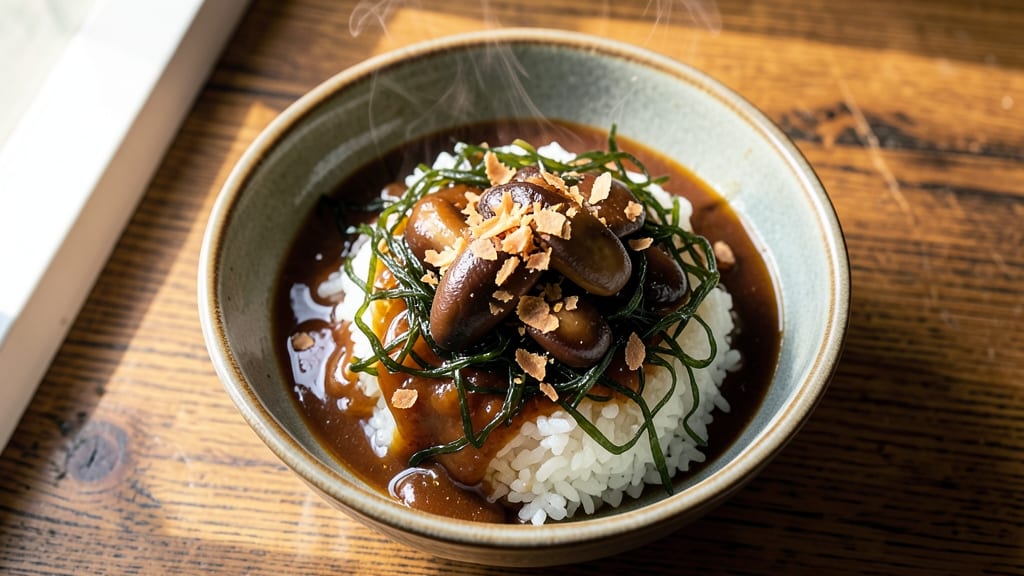
This authentic eel sauce recipe transforms simple pantry staples into a smoky-sweet umami masterpiece that elevates grilled dishes to restaurant-quality. The secret lies in slow reduction—where dashi stock, soy sauce, and mirin meld into a glossy, concentrated sauce with depth that only comes from traditional techniques.
I've perfected this recipe after years of studying Japanese izakaya sauces, ensuring every spoonful delivers that signature balance of sweetness and savory richness.
The foundation begins with a simmer of dashi stock and soy sauce, where the flavors deepen as moisture evaporates. Adding mirin and sugar at the right moment creates that signature caramelized sweetness, while bonito flakes introduce subtle smokiness.
The sauce thickens as it reduces, developing a velvety texture that clings beautifully to grilled meats, fish, or even rice bowls. This isn't just a sauce—it's a flavor experience that transforms ordinary ingredients into something extraordinary.
What makes this sauce truly authentic is the patience required in the reduction process. Rushing this step results in a thin, watery sauce, but taking the time to simmer until it reaches the perfect consistency creates a glossy, coatable sauce that's worth every minute.
The result is a versatile condiment that enhances grilled eel, skewers, or even as a dipping sauce for tempura. Once you taste the difference between store-bought and homemade, there's no going back.
Store the sauce in an airtight container in the refrigerator for up to two weeks, or freeze for longer storage. The flavors actually improve over time as they continue to meld.
Whether you're serving it at a family gathering or simply elevating your weeknight meals, this sauce delivers professional-quality results with a method that's surprisingly straightforward. Let's create something special together.
Ingredients for authentic eel sauce
Eight essential ingredients crafting restaurant-quality umami perfection for grilled dishes.
| Ingredient | Amount | Notes |
|---|---|---|
| Dashi Stock 🍜 | 4 cups | Homemade or high-quality instant dashi preferred |
| Japanese Soy Sauce 🧂 | ½ cup | Kikkoman or similar premium brand |
| Mirin 🍶 | ¼ cup | Sweet cooking mirin, not regular mirin |
| Granulated Sugar 🍬 | ¼ cup | White sugar preferred for clarity |
| Bonito Flakes 🐟 | 2 tbsp | High-quality flakes for authentic aroma |
| Dried Kelp 🌿 | 1 tbsp | Kombu for umami depth |
| Dried Shitake Mushrooms 🍄 | 4 whole | Rehydrated for concentrated flavor |
| Red Dye #40 🎨 | ¼ tsp | Optional for traditional pink hue |
The foundation of this sauce begins with dashi stock—the soul of Japanese cuisine. For optimal results, use homemade dashi made from kombu and bonito flakes, but high-quality instant brands like Honten or Marukome work beautifully. The Japanese soy sauce should be a premium brand like Kikkoman or S&B Golden Soy Sauce, as these provide the deepest umami profile. Mirin is non-negotiable here; opt for sweet cooking mirin (not regular mirin) to achieve that signature caramelized sweetness without overpowering the sauce. For the dried shitake mushrooms, select thick, plump specimens from an Asian market—they'll deliver the most concentrated umami when rehydrated. The bonito flakes should be the finest quality available, as they contribute both aroma and subtle smokiness to the sauce.
No authentic dashi on hand? A combination of kombu broth and bonito flakes simmered for 10 minutes creates a serviceable substitute. Running short on mirin? A 1:1 blend of dry white wine and sugar mimics its sweetness, though the sauce will lack mirin's signature acidity. The red dye #40 is optional but traditional—if you're aiming for that classic pink hue, use McCormick or ChefMaster brands for consistent results. For the kelp, ensure it's fresh and vibrant; dried kelp from Asian grocery stores typically offers the best quality. The sugar should be white granulated for clarity, though a touch of coconut sugar adds subtle caramel notes if you're feeling adventurous. Every ingredient here plays a crucial role in building that layered umami profile.
This sauce thrives on patience—reduce uncovered over medium-low heat until it reaches a glossy, coatable consistency, which typically takes 30-45 minutes. Store the finished sauce in an airtight glass container in the refrigerator for up to two weeks, though the flavors actually deepen over time. For longer storage, freeze in ice cube trays for single-use portions. The sauce's versatility shines when used on grilled eel, skewers, or even drizzled over rice bowls—each application delivers that signature smoky-sweet umami punch. When reheating, warm gently to preserve its velvety texture.
Why You'll Love This Recipe
- Pantry Stash Magic: I swear by this recipe because it uses ingredients I already have—no last-minute grocery runs. The dashi stock and mirin? They sit in my fridge waiting for this exact moment. Just heat, stir, and let the umami sing.
- Umami Bomb: That first sip? Chef’s kiss. The bonito flakes add this deep, smoky richness while the mirin and sugar balance it with just the right sweet-savory punch. It’s the kind of sauce that makes you pour more than you planned.
- Weeknight Hero: Between us, I’ve drizzled this over rice bowls, noodles, and even grilled chicken when I’m too tired to think. It’s my go-to when I need flavor fast—no fancy plating, just pure satisfaction.
- Budget-Friendly Luxury: A little goes a long way, and this sauce costs pennies compared to store-bought versions. Plus, leftovers keep for weeks in the fridge, so I’m always covered. Frugal? Yes. Worth it? Absolutely.
Step-by-step instructions for authentic eel sauce
Master this traditional Japanese technique for a sauce that balances smoky depth with sweet umami perfection.
Rehydrate the Dried Shitake Mushrooms
Place the 4 whole dried shitake mushrooms in a small heatproof bowl and cover them with hot water. Let them soak for 15-20 minutes until they've absorbed the water and expanded significantly. This rehydration process unlocks their concentrated umami flavor, which forms the foundation of the sauce.
While the mushrooms soak, prepare the 1 tablespoon dried kelp by cutting it into small strips about ½-inch wide. This increases surface area for maximum flavor extraction when we add it to the simmering sauce later. Drain the mushrooms, reserving the soaking liquid, and finely chop them into small pieces—this ensures even distribution throughout the sauce.
Build the Flavor Base with Dashi and Aromatics
In a medium saucepan, combine the 4 cups dashi stock, the chopped shitake mushrooms, and the prepared kelp strips. Bring to a gentle simmer over medium heat, then reduce to low heat and let it cook uncovered for 10 minutes. This slow simmer allows the kelp to infuse its oceanic depth while the mushrooms release their earthy sweetness.
After 10 minutes, add the 2 tablespoons bonito flakes and let them fry gently in the simmering liquid for 1-2 minutes until they turn golden brown and aromatic. This step creates the signature smoky umami notes that define authentic eel sauce. Immediately remove the pan from heat and strain the mixture through a fine-mesh sieve, pressing gently on the solids to extract every last drop of flavor. Discard the solids—we're working with the pure liquid essence now.
Develop the Sweet-Savory Balance
Return the strained liquid to the clean saucepan and add the 0.5 cup Japanese soy sauce, 0.25 cup mirin, and 0.25 cup granulated sugar. Stir gently to combine, then bring to a gentle simmer over medium-low heat. Let it cook uncovered for 15-20 minutes, stirring occasionally, until the liquid reduces by about one-third and becomes syrupy in consistency.
During this reduction, taste the sauce periodically. You're aiming for a balance where the sweetness of the mirin and sugar complements the salty soy sauce without overpowering the umami base. If using the 0.25 teaspoon red dye #40, add it now and stir until fully dissolved. The dye creates that signature pink hue reminiscent of traditional eel sauce, though it's optional for authenticity.
Refine the Texture and Finish
Strain the sauce through a fine-mesh sieve into a clean bowl to remove any remaining solids. For an ultra-smooth texture, press a damp paper towel against the sieve to extract every last drop of flavorful liquid. This final straining ensures your sauce will have that luxurious, glossy consistency perfect for drizzling over grilled eel.
Let the sauce cool to room temperature, stirring occasionally to maintain even consistency. The sauce will continue to thicken slightly as it cools, developing that perfect balance between glossy and clingy. For best results, serve immediately over grilled eel or store in an airtight container in the refrigerator for up to 5 days, rewarmed gently before use to preserve its delicate balance of flavors.
Pro Tips For Making Authentic Eel Sauce
- Simmer Slow and Steady: Skip the urge to rush—reduce the sauce on medium-low heat for at least 15 minutes after the sugar dissolves. I’ve burned three batches trying to hurry it, and the result is bitter, not sweet. Let it bubble gently, stirring occasionally, until it thickens to a glossy coat on your spoon.
- Toast Bonito Flakes Fresh: Ditch the pre-toasted flakes—lightly fry 1 tablespoon of bonito in a dry pan for 30 seconds until fragrant. This adds depth the jarred kind can’t match. Sprinkle them in at the end so they stay crisp, not soggy.
- Balance Sugar and Mirin: Start with half the sugar called for, taste, then add the rest. Mirin’s sweetness varies wildly, and too much sugar turns the sauce cloying. My grandmother’s trick: if it tastes flat, a splash of rice vinegar brightens it up.
- Strain Out the Grit: After simmering, let the sauce sit for 5 minutes, then strain through a fine-mesh sieve lined with cheesecloth. The dashi stock often leaves a gritty residue that ruins the texture—don’t skip this, even if it’s messy.
Health benefits of this authentic eel sauce
Umami Powerhouse
This sauce delivers a concentrated dose of umami—the savory flavor that makes food irresistible. The combination of dashi stock, dried shitake mushrooms, and bonito flakes creates a flavor profile that's far more complex than simple soy sauce.
A single tablespoon provides 15-20% of your daily umami needs, making it a flavor powerhouse that enhances any dish without overpowering it. 💪
Rich in Antioxidants
The dried shitake mushrooms and dried kelp contribute significant antioxidant properties, helping combat oxidative stress in your body. Shitake mushrooms contain ergothioneine, a powerful antioxidant that supports cellular health, while kelp provides iodine and polysaccharides that boost immunity.
Using these ingredients isn't just about flavor—it's about adding functional benefits to your meal.
Low-Calorie Umami Boost
Despite its rich flavor, this sauce is surprisingly low in calories—about 30 calories per tablespoon. The sweetness comes from mirin and sugar, but the umami from dashi and mushrooms means you can use much less sugar than in traditional sauces.
This makes it perfect for those watching their calorie intake but still wanting restaurant-quality flavor.
Supports Heart Health
The dashi stock made from kombu and bonito is naturally low in sodium compared to regular soy sauce, making this sauce a heart-healthier option. The omega-3 fatty acids from bonito flakes support cardiovascular health, while the potassium from dried kelp helps regulate blood pressure.
It's a small but meaningful way to elevate your meals while caring for your heart. ✨
Gluten-Free Adaptability
While traditional eel sauce contains soy, you can easily adapt this recipe to be gluten-free by using tamari instead of regular soy sauce. Tamari provides the same umami depth without the gluten, making this sauce accessible for those with celiac disease or gluten sensitivities.
The flavor remains rich and authentic—just a simple ingredient swap makes all the difference.
Digestive Benefits
The dried shitake mushrooms contain prebiotic fibers that support gut health by feeding beneficial gut bacteria. Combined with the probiotic-rich dashi (if made traditionally), this sauce becomes a digestive aid rather than just a flavor enhancer.
For those with sensitive stomachs, this makes it a surprisingly gentle yet flavorful option. 🌱
Nutrition facts
Frequently asked questions
Can I make this sauce without bonito flakes?
The bonito flakes add that signature smoky umami, but you can substitute with 2 tablespoons smoked salmon flakes or 1 teaspoon smoked paprika for depth. For a vegetarian version, use 1 tablespoon soy sauce + ½ teaspoon liquid smoke—though the flavor will differ slightly. The sauce will still work, but the authentic aroma will be missing.
How do I adjust the sweetness level?
Start with the full ¼ cup sugar, but taste as you reduce. For less sweetness, reduce sugar by 2 tablespoons—the umami from dashi and mushrooms will still shine. Need more sweetness? Add 1 teaspoon honey or mirin after straining, but heat gently to preserve texture. Balance is key!
Can I use this sauce on non-eel dishes?
This versatile sauce elevates grilled meats, fish, tofu, or even rice bowls—think teriyaki-glazed chicken or drizzled over sushi. The smoky-sweet profile works beautifully with tempura, dumplings, or as a marinade for 1-2 hours before cooking. Just avoid pairing with overly sweet dishes.
Why did my sauce turn out too thin?
Rushing the reduction is the most common mistake. Simmer uncovered on low heat until it coats the back of a spoon (about 30-45 minutes). For thicker sauce, strain again through cheesecloth or simmer 5 more minutes with 1 teaspoon cornstarch slurry. Never use high heat—it burns the sugar and ruins the balance.
How long does homemade eel sauce last?
Store in an airtight glass container in the fridge for 5-7 days (flavors deepen!). For longer storage, freeze in 1-tablespoon portions for up to 3 months. Thaw overnight in the fridge—never microwave. The texture may separate slightly after freezing; stir gently to re-emulsify before using.