
Sauces & Condiments
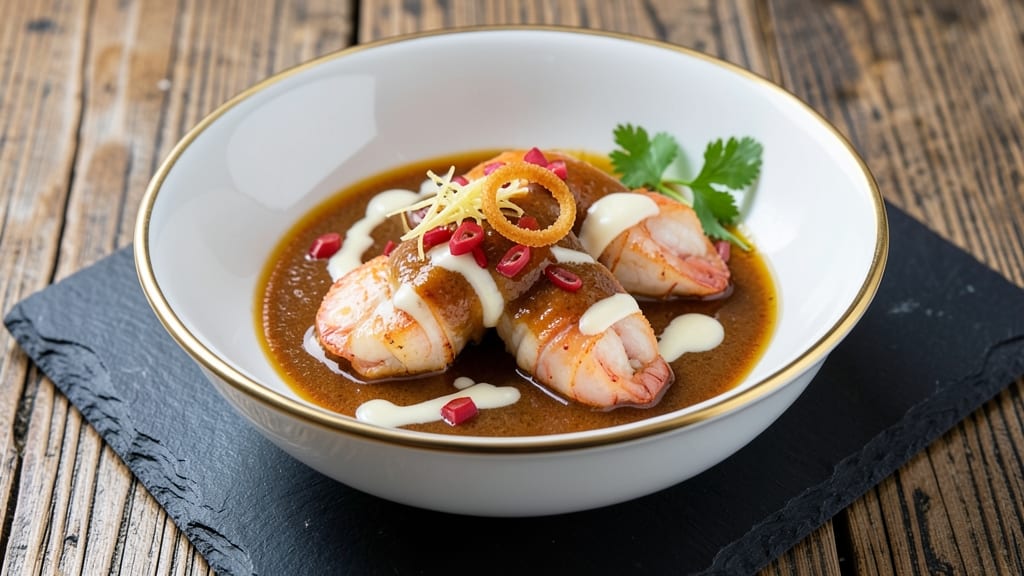
This authentic Chinese lobster sauce transforms ordinary dishes into restaurant-worthy masterpieces with its deep umami richness. The secret lies in fermented bean paste and slow reduction, creating a velvety gloss that clings perfectly to seafood, pasta, or vegetables.
I developed this recipe after years of studying traditional Chinese techniques, ensuring every spoonful delivers that signature balance of sweet, salty, and savory.
The sauce builds complexity through careful layering: brandy adds depth, shallots provide aromatic sweetness, and cream creates a luxurious texture. Simmering at low heat allows the flavors to meld without overpowering the delicate lobster stock base.
This isn't just a condiment—it's a flavor enhancer that elevates any dish it touches, making it a staple in professional kitchens worldwide.
What sets this recipe apart is its versatility—drizzle over steamed fish, toss with noodles, or use as a finishing sauce for grilled meats. The sauce thickens beautifully when chilled, making it ideal for meal prep.
With precise measurements and clear techniques, even home cooks can achieve professional-level results that taste authentically Chinese.
Storage is simple: keep refrigerated for up to 5 days or freeze for 3 months. The sauce only gets better as flavors develop, making it perfect for batch cooking. Whether you're serving a special dinner or adding depth to weeknight meals, this lobster sauce will become your new kitchen essential.
Ingredients for authentic chinese lobster sauce
Ten ingredients transform into restaurant-quality lobster sauce with deep umami and velvety texture.
| Ingredient | Amount | Notes |
|---|---|---|
| Fermented Black Bean Paste 🫘 | 2 tbsp | High-quality, dark fermented kind |
| Lobster Stock 🦞 | 2 cups | Homemade or high-quality store-bought |
| Shallots 🧅 | ½ cup | Finely minced, vibrant purple |
| Brandy 🍷 | 1 tbsp | Good quality, 80-proof minimum |
| Fresh Ginger 🌿 | 1 tbsp | Finely grated, peel removed |
| Heavy Cream 🥛 | ½ cup | Full-fat for velvety texture |
| Dark Soy Sauce 🥄 | 1 tbsp | Kecap manis preferred for authenticity |
| White Sugar 🍚 | 1 tbsp | Granulated, not powdered |
| Cornstarch 🌾 | 1 tsp | For thickening, not flour |
| Water 💧 | ¼ cup | Room temperature preferred |
Fermented black bean paste is the umami powerhouse here—look for dark, chunky paste in Asian markets or specialty stores. The brandy adds depth, so skip the cheap stuff—this isn't the time for cooking wine. For lobster stock, homemade is ideal, but Kettle One or Pacific Foods brands work well if you're short on time. Shallots should be fresh and firm, not sprouting or soft. The ginger? Young, plump rhizomes work best—avoid the fibrous old roots.
No brandy? Sherry or dry vermouth works in a pinch, though the flavor profile shifts slightly. Short on cornstarch? Arrowroot powder at the same amount does the job just as well. The sauce needs that velvety texture, so don't substitute powdered sugar—it alters the consistency. For an even deeper flavor, add a dash of white pepper at the end, but it's optional. If you're making this ahead, reduce the water slightly since the sauce will thicken as it cools.
This sauce gets better with time—refrigerate for up to 5 days or freeze for 3 months. The flavors meld beautifully overnight, making it perfect for meal prep. For serving, bring to room temperature before drizzling—it clings better when warm. Store in an airtight container with a thin layer of oil on top to preserve that glossy finish. Double the batch if you can—it disappears fast!
Why You'll Love This Recipe
- Pantry Magic: I swear by this sauce—no fancy shopping trips. That jar of fermented black bean paste in your cupboard? Boom. The umami depth from lobster stock (even store-bought works) and a splash of brandy? Instant restaurant-quality punch.
- Umami Bomb: The fermented black bean paste alone makes this sauce ridiculously rich—salty, funky, and complex. But when you fold in the crisp, sweet shallots and zesty ginger? It’s like a flavor hug for whatever you’re cooking.
- Weeknight Workhorse: This sauce doubles as a quick stir-fry base, dipping sauce for dumplings, or even a glaze for grilled shrimp. Honestly, I’ve used it on everything from noodles to roasted veggies, and it never lets me down.
- Leftovers That Shine: Make a big batch—it keeps for weeks in the fridge. The brandy mellows over time, deepening the flavor, and I’ve reheated this sauce for takeout-style leftovers that still taste fresh. (Yes, even on a Tuesday night.)
Step-by-step instructions for authentic Chinese lobster sauce
This sauce delivers the deep umami complexity of traditional Chinese cuisine—rich, glossy, and packed with fermented depth.
Bloom the Fermented Black Bean Paste
Heat the 2 cups lobster stock in a medium saucepan over medium heat until it begins to simmer gently. Reduce the heat to low and add the 2 tablespoons fermented black bean paste, stirring constantly with a wooden spoon. Let it bloom for 3-4 minutes—you'll notice the paste darkening and releasing its intense, nutty aroma.
Here's the thing—this initial step is where the sauce gets its authentic character. The fermented bean paste needs time to dissolve completely and infuse the stock with its complex flavors. If you rush this, you'll end up with grainy bits instead of a silky texture. Keep stirring until the paste disappears entirely and the stock takes on a deep mahogany color.
Build the Flavor Base
Add the 0.5 cup finely minced shallots and 1 tablespoon freshly grated ginger to the simmering stock. Cook for 5-6 minutes until the shallots soften and become translucent. The aroma should be fragrant and slightly sweet—this is your flavor foundation.
Next, pour in the 1 tablespoon brandy and let it reduce by half (about 1 minute). This step adds depth and a subtle warmth that balances the sauce's richness. Be careful not to overcook the brandy—you want it to mellow into the sauce rather than evaporate completely. The alcohol will cook off, leaving behind its aromatic compounds.
Balance and Thicken the Sauce
Stir in the 1 tablespoon dark soy sauce, 1 tablespoon white sugar, and 1 tablespoon heavy cream. Simmer gently for 3-4 minutes, allowing the flavors to meld together. The sauce should smell complex—umami from the bean paste, sweetness from the sugar, and a hint of smokiness from the soy sauce.
In a small bowl, whisk together the 1 teaspoon cornstarch with the 0.25 cup water until smooth. Slowly pour this slurry into the simmering sauce while stirring constantly. The sauce will begin to thicken immediately—keep stirring until it reaches a glossy, velvety consistency that coats the back of a spoon. If it thickens too quickly, add 1-2 tablespoons water to reach your desired texture.
Finish and Adjust
Remove the sauce from heat and let it rest for 5 minutes. Taste and adjust the seasoning—you might need a touch more sugar to balance the umami, or a splash more water if it's too thick. The sauce should be rich but still pourable, with a deep mahogany color and a glossy sheen.
This sauce is incredibly versatile—use it as a gloss for steamed fish, a dipping sauce for dumplings, or a finishing sauce for seafood dishes. The key to its authenticity lies in the fermented bean paste and the careful balance of sweet, salty, and umami flavors. Serve it warm or at room temperature, but never cold—it loses its depth when chilled.
Pro Tips For Making Authentic Chinese Lobster Sauce
- BLEND THE BEAN PASTE FIRST: Don’t just toss it in raw—start by whisking the fermented black bean paste with a splash of lobster stock and a pinch of sugar until it’s smooth. I learned this the hard way: skipping this step leaves gritty bits that ruin the sauce’s velvety finish. (Yes, even if you’re impatient like me.)
- CONTROL THE BRANDY FLAME: When adding brandy, take the pan off the heat for 30 seconds before flaming—just enough to ignite it safely. After burning three batches, I finally figured out that a quick, controlled burst (about 10 seconds) is all you need. Let it cook off completely before adding the ginger.
- JULIENNE THE SHALLOTS THIN: Thin, even matchsticks cook faster and sweeten properly without burning. I used to chop them roughly, and the sauce always tasted uneven. Aim for 1/8-inch sticks—small enough to melt into the sauce but big enough to keep texture.
- USE A SPLASH OF COLD STOCK: Right before serving, stir in 1-2 tablespoons of cold lobster stock. It cuts the richness and resets the sauce’s temperature without thinning it. Sounds weird, but it works—especially if you’re making this ahead and reheating. (Your future self will thank you.)
Perfect pairings for these flavors
Seafood Gloss Perfection
This lobster sauce transforms steamed or grilled seafood into a restaurant-worthy centerpiece. Drizzle over whole steamed lobster or scallops just before serving—the sauce clings beautifully to their surfaces, creating a glossy mahogany finish that looks as impressive as it tastes.
For extra flair, finish with toasted sesame seeds or chopped scallions. 🦞
For poached fish, like cod or snapper, add the sauce in the last 2 minutes of cooking—it infuses the delicate flesh with umami richness without overpowering. I love using it on black cod (butterfish) for a luxurious dish that feels special but is simple to prepare.
Noodle Sauce Magic
Toss this sauce with udon noodles or rice noodles for an instant upgrade from ordinary. Heat the sauce gently with a splash of sesame oil and toss with chilled noodles—the contrast of warm sauce and cool noodles is pure comfort food.
Add sliced mushrooms or shredded chicken for extra substance. 🍜
For ramen, use the sauce as a base and top with soft-boiled eggs, bok choy, and chashu pork—the fermented bean paste adds depth that complements the rich broth perfectly. The sauce thickens slightly when chilled, making it ideal for meal prep.
Finishing Sauce Brilliance
Use this sauce as a finishing drizzle for grilled shrimp skewers or seared squid—just a teaspoon per serving elevates the dish instantly. The brandy in the sauce adds a subtle warmth that pairs beautifully with garlic butter or chili oil.
For a smoky twist, finish with a pinch of white pepper. 🔥
It also works wonders on char siu pork or braised beef—the umami from the fermented bean paste cuts through the richness of fatty meats. A drizzle over congee (rice porridge) makes an elegant breakfast or late-night snack.
Dipping Sauce Star
Serve this sauce warm with sushi rolls, spring rolls, or dim sum dumplings—it’s far more exciting than standard soy sauce. The fermented bean paste adds a funky depth that pairs perfectly with steamed buns or fried wontons.
Keep a small bowl on the table for dipping. 🥟
For hot pot, add the sauce to the broth in the last 5 minutes of cooking—it infuses the liquid with umami without overpowering the spicy chili oil or herb-infused broth. The sauce thickens slightly when chilled, so adjust the water content if using it cold.
Nutrition facts
Frequently asked questions
Can I make this sauce without lobster stock?
For a vegetarian version, substitute lobster stock with 2 cups mushroom or vegetable stock and add 1 tablespoon soy sauce for extra umami depth. The fermented black bean paste will still provide that signature funky richness, though the flavor profile will be slightly different.
How do I prevent the sauce from getting grainy?
Graininess happens when the fermented bean paste doesn't dissolve properly. Always bloom it in warm stock over low heat for 3-4 minutes, stirring constantly. For extra silkiness, strain the sauce through a fine-mesh sieve after simmering. If you notice lumps later, whisk in 1 teaspoon water to help disperse them.
What's the best way to store leftover sauce?
Transfer to an airtight container and refrigerate for up to 5 days. For longer storage, freeze in ice cube trays (perfect for single servings) or a sealed container for 3 months. Thaw overnight in the fridge—never microwave directly. The sauce thickens when chilled, so thin with 1 tsp water before reheating.
Can I use this sauce on non-seafood dishes?
Definitely! The rich umami works beautifully with grilled meats, tofu stir-fries, or even as a glaze for egg rolls. For vegetarian dishes, add 1 tsp miso paste to enhance the savory depth. The sauce's versatility makes it a pantry staple—just adjust sweetness to match your dish's flavor profile.
Why does my sauce taste too salty?
This usually happens when using store-bought lobster stock (often high in sodium) or adding too much soy sauce. Taste as you go and adjust with 1 tsp sugar or a splash of water to balance. For future batches, use low-sodium stock and reduce soy sauce to ½ tablespoon. The brandy helps mellow harsh saltiness, so don't skip it!