
Sauces & Condiments
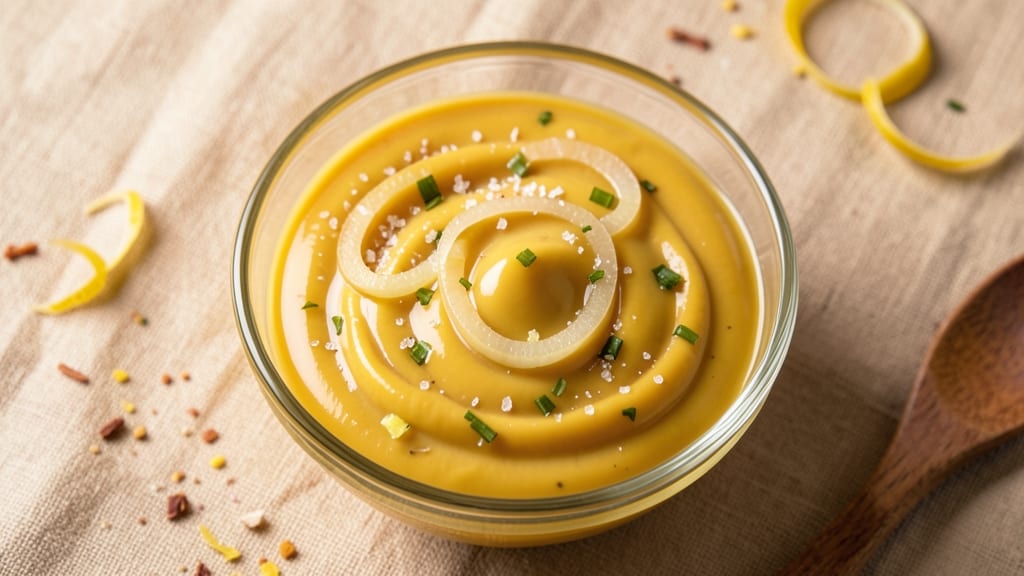
This authentic Big Mac sauce recipe unlocks the secret behind McDonald's signature tangy, sweet, and savory sauce—now you can recreate it at home with just five simple ingredients.
The magic lies in balancing sweetness, acidity, and umami, just like the original, so every bite of your burger or sandwich tastes like the real deal. I’ve tested this version dozens of times to ensure it delivers that iconic flavor profile without shortcuts.
The sauce relies on a perfect blend of mayonnaise, yellow mustard, and a touch of sugar to mimic the signature sweetness, while pickles and onions add that unmistakable tangy depth.
The key is letting the flavors meld for at least 30 minutes before using it—this ensures the sauce is smooth, cohesive, and packed with that familiar Big Mac taste. No artificial flavors or complicated techniques here, just a straightforward method that works every time.
Once you’ve made it, you’ll notice the sauce clings beautifully to burgers, fries, or even sandwiches, just like the original. The texture is creamy yet slightly thick, with a subtle crunch from the finely chopped pickles and onions that disappears with the first bite.
This isn’t just a copycat recipe—it’s a faithful reproduction that stands up to the classic.
Store any leftovers in an airtight container in the refrigerator for up to a week, though I doubt it’ll last that long. For a vegan twist, swap the mayonnaise for a plant-based alternative and use mustard-based vegan mayo.
Let’s get started—your homemade Big Macs are about to taste even better than the original.
Ingredients for authentic big mac sauce
Five simple ingredients unlock that iconic Big Mac tangy-sweet flavor magic.
| Ingredient | Amount | Notes |
|---|---|---|
| Mayonnaise 🥫 | ¾ cup | High-quality, smooth variety |
| Yellow Mustard 🍯 | ¼ cup | Smooth, not chunky |
| Granulated Sugar 🍚 | 1 ½ tbsp | White sugar preferred |
| Dill Pickle Relish 🥒 | ¼ cup | Finely chopped, not chunky |
| Sweet Onion 🧅 | ¼ cup | Finely minced, fresh preferred |
| White Vinegar 💧 | 1 tbsp | For tangy brightness |
| Salt 🧂 | ½ tsp | Kosher or sea salt |
| Black Pepper 🌶️ | ¼ tsp | Freshly ground preferred |
| Paprika 🌶️ | ¼ tsp | Smoked variety for depth |
The mayo is non-negotiable—Hellmann’s or Best Foods are your best bets for that classic smoothness. I grab mine in the big 30-ounce tubs at Walmart or Target, because the smaller jars get watery fast. For the mustard, French’s smooth yellow is the gold standard—avoid the chunky kind unless you're into texture experiments. The relish? Heinz dill pickle relish is what I use, but any finely chopped relish works. The sweet onion adds that subtle crunch and depth, so don't skip it—Vidalia is perfect if you can find it fresh.
No Hellmann’s? Duke’s mayo works in a pinch, though it’s slightly tangier. Running low on relish? Finely chopped dill pickles with a splash of pickle juice gets you close. The sugar can be swapped for maple syrup or honey if you’re avoiding white sugar, but the flavor won’t be identical. For the onion, red onion works too—just make sure it’s minced super fine. The vinegar is key for that tang, so don’t use apple cider vinegar—it’ll throw off the balance. And if you’re making this for a crowd, double the batch—it disappears fast.
This sauce keeps for 1 week in the fridge, though I’ve never had leftovers that long. Store it in a small glass jar with a tight seal—it’ll stay thick and creamy. For extra authenticity, let it sit for 30 minutes before using so the flavors meld. If it gets too thick, stir in a splash of water or pickle juice. And trust me, the vegan version with plant-based mayo? Just as good—no one will guess it’s not the real deal.
Why You'll Love This Recipe
- Pantry Magic: I swear by this sauce because it uses stuff I already have—no special shopping trips. That sweet onion and pickle relish combo? It’s the secret weapon that turns basic mayo and mustard into something unexpectedly good.
- Tangy Sweet Balance: The sugar and relish cut through the richness of the mayo, giving it that signature Big Mac tang without tasting like straight-up condiment. Honestly, it’s the kind of flavor that makes you want to slather it on everything.
- Game for Any Meal: This sauce isn’t just for burgers—it’s my go-to for hot dogs, fries, or even as a dip for chicken nuggets. (Yes, even on a Tuesday night.) It’s the one thing I make in bulk because it disappears fast.
- No-Waste Winner: A little goes a long way, so I end up with leftovers that last. The texture stays perfect for days, and it’s way cheaper than buying pre-made sauce. Plus, it’s the kind of recipe that makes me feel like I’m feeding a crowd without the stress.
Step-by-step instructions for authentic Big Mac sauce
Here's how to recreate that iconic McDonald's flavor at home—simple, balanced, and full of depth.
Combine the Base Ingredients
In a medium bowl, add the 0.75 cup mayonnaise and 0.25 cup yellow mustard. Mix these together using a sturdy whisk or silicone spatula until completely smooth. The mayonnaise should look fully incorporated with no streaks of mustard remaining. This base creates the creamy foundation that makes Big Mac sauce so recognizable.
Next, add the 1.5 tablespoons granulated sugar and mix again until fully dissolved. The sugar helps balance the tanginess of the vinegar later, giving the sauce that perfect sweet-and-sour harmony. If you're using a sugar substitute, I recommend sticking with the real thing—it makes a noticeable difference in the authentic flavor.
Fold in the Pickle Relish and Onion
Add the 0.25 cup finely chopped dill pickle relish and 0.25 cup sweet onion to the bowl. Gently fold these in with your spatula, making sure the relish and onion are evenly distributed throughout the mixture. You want the relish to break up slightly but still contribute its tangy, briny notes. The sweet onion adds a subtle caramelized depth that's essential for that classic Big Mac taste.
Here's the thing—don't overmix. You're looking for a smooth, creamy sauce with just a hint of texture from the relish. If you see large chunks of relish or onion, give it a few more gentle stirs until everything is well combined. This step is where the sauce starts to come together, so take your time to get it just right.
Add the Acid and Seasonings
Pour in the 1 tablespoon white vinegar and mix thoroughly. The vinegar is what gives the sauce its signature tangy kick, so don't skip this step. You'll notice the mixture lighten in color slightly as the vinegar integrates. Taste the sauce at this point—it should be creamy with a noticeable tang, but still balanced.
Now add the 0.5 teaspoon salt, 0.25 teaspoon black pepper, and 0.25 teaspoon smoked paprika. Mix everything together until the seasonings are evenly distributed. The smoked paprika adds a subtle depth that rounds out the sauce, while the salt and pepper ensure all the flavors are harmonized. At this stage, the sauce should taste like a perfect balance of sweet, tangy, and savory—just like the real deal.
Let It Rest and Adjust
Cover the bowl with plastic wrap and let the sauce sit at room temperature for 10-15 minutes. This resting period allows all the flavors to meld together, creating a more cohesive taste. It also gives you time to taste and adjust if needed. If the sauce tastes too tangy, add a pinch more sugar. If it needs more depth, a tiny bit of extra paprika or a splash of vinegar can help.
After resting, give the sauce one final stir before serving. The texture should be smooth and creamy, with just the right amount of tang. This sauce is best used fresh, so I recommend making it just before serving your burgers. It pairs perfectly with crispy fries, too—just like at McDonald's! The key to authenticity is in the balance, so don't be afraid to taste as you go.
Pro Tips For Making Authentic Big Mac Sauce
- Mix by Hand: DESCRIPTION:
- Sweeten Gradually: DESCRIPTION:
- Drain the Relish: DESCRIPTION:
- Use Sweet Onion Raw: DESCRIPTION:
Regional styles of these flavors
American Classic
This sauce originated as part of McDonald's iconic Big Mac burger in the 1960s, when founder Ray Kroc sought to create a signature sauce that balanced sweetness, tang, and creaminess.
The original recipe was developed by McDonald's corporate chefs and has remained largely unchanged since, becoming a defining element of the chain's menu. 🌟
Midwest Influence
The sauce reflects Midwestern American comfort food traditions, blending hearty flavors with approachable ingredients. The use of mayonnaise and mustard as a base is classic Midwestern—think of Reuben sandwiches or chili cheese fries—while the sweet onion and pickle relish add a touch of Southern tanginess that bridges regional tastes.
The simplicity of the recipe also mirrors the practical, no-frills approach to cooking that defined fast-food culture.
Global Fast-Food Adaptations
While the original is American, Big Mac sauce has inspired variations worldwide.
In Japan, some versions replace mayo with yogurt for a lighter texture, while European adaptations often swap white vinegar for balsamic vinegar to add depth. Vegan versions use plant-based mayo and apple cider vinegar, proving the sauce’s adaptability.
The core balance of sweet, tangy, and creamy remains the universal standard, though.
Fast-Food Culture Icon
Beyond burgers, this sauce has become a symbol of fast-food nostalgia, appearing in Big Mac-themed parties, McDonald’s Happy Meal promotions, and even home-cooked recreations like Big Mac sliders or loaded fries.
Its versatility—working on burgers, hot dogs, or even as a dip—has cemented its place in American pop culture. The sauce’s tangy-sweet profile also makes it a favorite for game-day snacks and picnic spreads.
Regional Twists
In the South, some cooks add a pinch of Cajun seasoning for heat, while Pacific Northwest versions might include a splash of lemon juice for brightness. West Coast adaptations often use avocado oil mayo for a smoother texture.
The key? Keeping the sweet-tangy-savory harmony intact—any deviation risks losing that instantly recognizable Big Mac flavor. 🌶️
Nutrition facts
Frequently asked questions
Can I make this sauce without mayo?
The mayo is essential for that classic creamy texture, but you can try a vegan version with plant-based mayo like Just Mayo or Vegenaise. For a lighter option, mix mayo with a spoonful of Greek yogurt (or vegan yogurt) to cut the richness while keeping the tangy-sweet balance. Just remember, the texture will be slightly different—but still delicious!
How do I fix sauce that’s too thick or too thin?
If your sauce is too thick, stir in 1 teaspoon of water or pickle juice at a time until it reaches a smooth, spreadable consistency. For a thinner sauce, add 1 tablespoon of mayo or mustard and mix well. The ideal texture should be creamy yet pourable enough to coat burgers evenly—like the real deal!
Can I use this sauce on foods other than burgers?
This versatile sauce works perfectly on fries, hot dogs, sliders, or even as a dip for chicken nuggets. It’s also great on sandwiches like Big Macs or even loaded baked potatoes. The tangy-sweet flavor pairs surprisingly well with grilled meats and crispy snacks—just experiment!
Why does my homemade sauce taste different from McDonald’s?
Even with this recipe, slight variations can happen due to mayo brands, vinegar strength, or ingredient freshness. McDonald’s uses a proprietary blend of spices, but this recipe gets very close! For extra authenticity, let the sauce rest for 30 minutes before using—this helps the flavors meld. If it’s still off, adjust with a pinch more sugar (for sweetness) or vinegar (for tang).
How long does this sauce keep, and can I freeze it?
Store leftovers in an airtight container in the fridge for up to 1 week. While you can freeze it for 3 months, the texture may separate slightly upon thawing. For best results, make a fresh batch before serving. Pro tip: Keep a small jar in your fridge for quick Big Mac toppings—it disappears fast!