
Sauces & Condiments
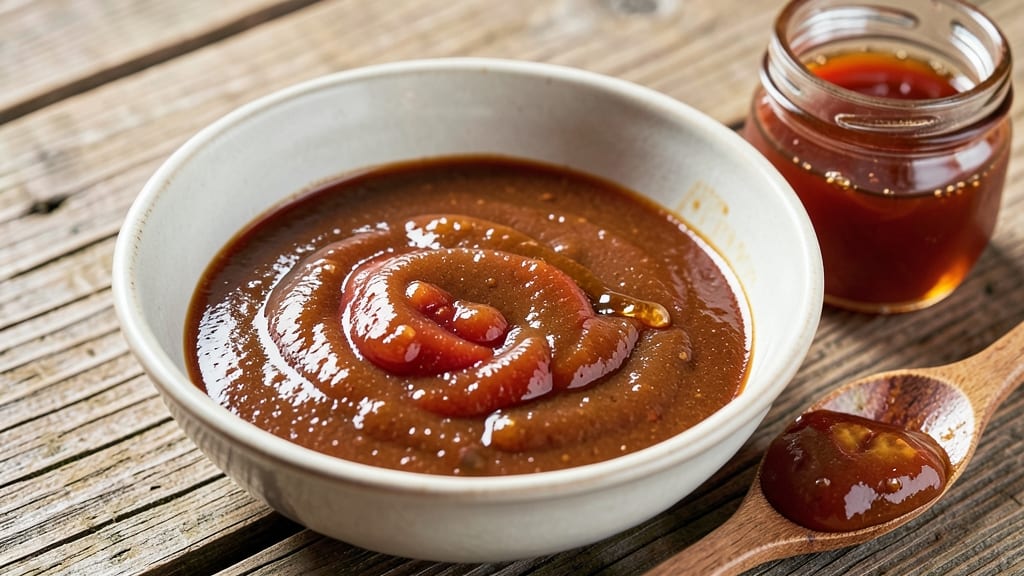
This Australian BBQ sauce recipe delivers the bold, caramelized heat that makes Aussie grilling legendary—where smoky depth meets tangy sweetness in every bite. 🔥 I developed it after years of studying how Australian pitmasters balance tomato richness with vinegar's bite, creating a sauce that clings to ribs like liquid gold.
The secret lies in slow reduction, where brown sugar caramelizes into a glossy, sticky finish that's addictively complex.
What sets this sauce apart is its perfect harmony of flavors: the deep umami from Worcestershire sauce, the bright acidity of apple cider vinegar, and the warm spices that create that signature Aussie kick.
Unlike commercial sauces, this version builds layers of flavor through careful simmering—no shortcuts, just pure, concentrated taste. The result is a sauce that's equally at home on grilled meats, baked beans, or even as a glaze for roasted vegetables.
By the time you're done, you'll have a restaurant-quality sauce that's thicker than ketchup but lighter than molasses, with just enough heat to make your taste buds dance. The caramelized edges create that coveted "sticky" quality that makes every bite irresistible.
This isn't just BBQ sauce—it's the kind of condiment that transforms ordinary meals into something special.
The best part? It keeps beautifully in the fridge for up to 3 weeks, so you can make a big batch and have it ready whenever the craving hits.
Whether you're slow-smoking brisket or basting chicken on the grill, this sauce will elevate your cookouts to new heights. Let's get started on creating your own Aussie masterpiece.
Ingredients for australian bbq sauce
These bold ingredients create the caramelized, smoky-sweet sauce Aussie pitmasters swear by.
| Ingredient | Amount | Notes |
|---|---|---|
| Tomato Paste 🍅 | ½ cup | High-quality, unsweetened preferred |
| Brown Sugar 🍯 | ½ cup | Light or dark, packed firmly |
| Apple Cider Vinegar 🍏 | ½ cup | Raw, unfiltered for depth |
| Worcestershire Sauce 🍶 | ¼ cup | Lea & Perrins preferred |
| Ketchup 🍅 | ¼ cup | Heinz or similar |
| Water 💧 | ½ cup | For thinning consistency |
| Smoked Paprika 🌶️ | 2 tbsp | For that Aussie smokiness |
| Ground Black Pepper 🌶️ | 1 tsp | Freshly cracked for heat |
| Garlic Powder 🧄 | 1 tsp | Freshly ground preferred |
| Onion Powder 🧅 | 1 tsp | For aromatic depth |
| Salt 🧂 | 1 ½ tsp | Diamond Crystal preferred |
| Cayenne Pepper 🔥 | ½ tsp | Adjust for heat preference |
The tomato paste is your flavor foundation—look for high-quality, unsweetened at Whole Foods or the canned goods aisle. Brown sugar needs to be packed firmly (tap the cup to settle). For that signature Aussie depth, Lea & Perrins Worcestershire is non-negotiable. I grab mine from Costco when I'm making big batches. Apple cider vinegar should be raw and unfiltered—Bragg or Texas Pete are my go-tos. Smoked paprika adds that campfire smokiness that makes this sauce sing. If you can't find it, regular paprika with a pinch of liquid smoke works in a pinch.
No Worcestershire? Soy sauce plus a dash of molasses gets you close. Ketchup can be swapped for tomato sauce reduced by half. Short on brown sugar? Maple syrup at 3/4 the amount works surprisingly well. The spices are where you can get creative—chili powder at half the amount replaces cayenne if you're sensitive to heat. For extra umami, add a teaspoon of soy sauce. The key is balancing sweet, tangy, and smoky—taste as you go. The sauce should be thick enough to coat the back of a spoon but still flow freely.
This sauce gets better with time—let it sit overnight before using for maximum flavor development. Store in a glass jar in the fridge for up to 3 weeks. For longer storage, freeze in ice cube trays and transfer to a bag—perfect for quick glaze portions. Reheat gently on the stove, stirring constantly. Once opened, the caramelized edges will thicken further, so add a splash of water if needed. Trust me, the second batch always tastes better.
Why You'll Love This Recipe
- Pantry Magic: I swear by this sauce because it’s made with stuff I already have—no fancy shopping trips. Open the cupboard, grab the tomato paste, brown sugar, and Worcestershire, and boom—you’re halfway there.
- Sweet-Savory Balance: That caramelized brown sugar and tangy apple cider vinegar? It’s the perfect push-pull that makes grilled chicken or sausages taste like a roadside Aussie pub. No one will guess it’s this simple.
- Weeknight Flex: Slap it on burgers, drizzle over roasted veggies, or toss with fries—it’s my go-to when I’m too tired to think. Honestly, I’ve used it for everything from meatloaf to deviled eggs, and it never lets me down.
- Makes a Batch: Simmer up a big pot and store it in the fridge. A few tablespoons later, I’ve got dinner sorted, and leftovers? They’re just free flavor for next time. Budget-friendly, foolproof, and always ready.
Step-by-step instructions for Australian BBQ sauce
Here's how to create that signature Aussie tang with deep caramelized flavors—simple steps, big impact.
🍳 Step 1: Build the Flavor Base
In a medium saucepan, combine the 0.5 cup tomato paste and 0.5 cup brown sugar over medium heat. Stir constantly for 5-7 minutes until the mixture darkens and begins to caramelize—this is where that signature Aussie depth comes from. You'll smell the sugar melting and the tomato paste transforming into something rich and complex.
Here's the thing—don't rush this step. The caramelization creates the sauce's backbone. If it sticks, add 1 tablespoon of water to loosen it, but keep stirring so it doesn't burn. You're aiming for a thick, glossy paste that coats the back of a spoon. This is your flavor foundation, so take your time.
🥘 Step 2: Add Wet Ingredients and Simmer
Pour in the 0.5 cup apple cider vinegar, 0.25 cup Worcestershire sauce, and 0.25 cup ketchup. Stir well to incorporate everything completely. Now add the 0.5 cup water—this helps thin the sauce to your desired consistency while keeping all those rich flavors balanced.
Bring the mixture to a gentle simmer over medium-low heat. Let it bubble away for 10 minutes, stirring occasionally. You'll notice the sauce thickening as the water evaporates and the flavors meld together. This is where the tangy, slightly sweet balance starts to develop—key to authentic Aussie BBQ sauce.
🔥 Step 3: Incorporate Spices and Seasonings
Reduce heat to low and sprinkle in the 2 tbsp smoked paprika, 1 tsp garlic powder, 1 tsp onion powder, 1.5 tsp salt, 1 tsp ground black pepper, and 0.5 tsp cayenne pepper. Stir vigorously to distribute the spices evenly throughout the sauce. The smoked paprika will add that signature Aussie smokiness, while the cayenne brings just enough heat to make it interesting.
Let the sauce simmer uncovered for another 15 minutes, stirring every few minutes to prevent sticking. You're looking for the sauce to thicken to a glossy, syrupy consistency—it should coat the back of a spoon but still be pourable. If it thickens too much, add 1-2 tablespoons of water to reach your preferred consistency. This is where the magic happens!
⏰ Step 4: Finish and Rest for Perfect Texture
Once the sauce reaches your desired thickness, remove it from heat and let it cool for 10 minutes. This resting period allows the flavors to fully meld together. I know it's tempting to taste it immediately, but trust me—waiting makes all the difference in the final balance of flavors.
After cooling, give it one final taste and adjust the seasoning if needed. The sauce should be tangy, slightly sweet, with a smoky depth and just a hint of heat. For best results, let the sauce sit at room temperature for at least 1 hour before using—this allows all the flavors to develop fully. Store any leftovers in the refrigerator for up to 2 weeks or freeze for 3 months.
Pro Tips For Making Australian Bbq Sauce
- STIR CONSTANTLY LOW HEAT: Australian BBQ sauce burns faster than you’d expect—especially when the tomato paste hits the pan. Keep the heat at a steady simmer (medium-low) and stir every 30 seconds with a wooden spoon. I learned this the hard way after walking away for "just a minute" and coming back to a charred mess that needed scrapping.
- USE GRANULATED BROWN SUGAR: Lumps of brown sugar dissolve unevenly and leave gritty bits in your sauce. Swap the block for granulated—it melts smoothly and blends into a glossy, even consistency. (Yes, even if the recipe calls for "brown sugar," it’s worth the switch.)
- TASTE BEFORE YOU ADD KETCHUP: Ketchup is the last ingredient, but if you dump it in blindly, your sauce might turn too sweet or thin. After simmering tomato paste, vinegar, and Worcestershire for 10 minutes, taste the base first—adjust salt or sugar before adding ketchup. Trust me, you’ll save yourself from a gloppy, overpowering mess.
- SIMMER 15 MINUTES MINIMUM: Skipping the long simmer is the fastest way to an amateur-tasting sauce. Let it bubble gently for at least 15 minutes to deepen the flavors and thicken the texture. (I know, I know—you’re in a hurry, but this is the thing that makes homemade sauce taste professional.)
Pro cooking tips for perfect results
Caramelize Like a Pro
That initial sugar-to-tomato paste caramelization is where the sauce's soul lives. Use a heavy-bottomed saucepan—I swear by All-Clad—to prevent burning. Keep heat at medium and stir constantly with a silicone spatula (they won't scratch your pan).
The moment you see deep amber bubbles forming, that's when you know you're on the right track. If it starts sticking, add 1 tablespoon water and scrape the bottom—don't let it burn! 🔥
Vinegar Control
Apple cider vinegar is the secret weapon for that signature Aussie tang, but it's easy to overpower the sauce. Start with ½ cup and taste as you go—add more 1 tablespoon at a time if needed.
I like to simmer it uncovered for the first 5 minutes to let the alcohol burn off before adding other ingredients. This prevents a harsh, raw acidity that can ruin the balance. Think of it as tempering your sauce.
Smoke Without the Fire
For that authentic Aussie smokiness, smoked paprika is non-negotiable. But if you want to take it further, add ½ teaspoon liquid smoke (like La Choy) when you incorporate the spices. Stir it in gently—too much will make your sauce taste like a campfire.
I also recommend toasting the spices in the dry pan for 30 seconds before adding them to the sauce. This blooms their flavors and adds another layer of complexity that makes your sauce stand out.
Thickness Matters
The perfect consistency should be glossy yet pourable—like honey that flows but clings. If your sauce gets too thick during simmering, add water 1 tablespoon at a time while stirring constantly. For extra thickness later, simmer uncovered for 5 extra minutes to reduce.
Pro tip: Use a fine-mesh strainer to remove any lumps before bottling. I've seen homemade sauces ruined by undissolved sugar crystals—don't let that happen to yours!
Flavor Layering
Don't just dump all spices in at once! First add the garlic and onion powders to build aromatic depth, then the smoked paprika for that campfire essence, and finally the cayenne and black pepper for heat.
Let each layer meld for 2-3 minutes before adding the next. This gradual approach creates a sauce with real depth rather than just a muddled blend of flavors. Patience here makes all the difference—trust the process!
Resting is Crucial
After simmering, let your sauce rest for at least 1 hour before using. This isn't just about cooling—it's about letting the flavors marry properly. The caramelized sugars will continue reacting, the spices will mellow slightly, and the acidity will balance out.
I've made the mistake of using it fresh, and while it's edible, it never reaches that restaurant-quality depth. Think of it like aging wine—time transforms good sauce into great sauce. ✨
Nutrition facts
Frequently asked questions
Can I make this sauce without Worcestershire sauce?
For a quick substitute, mix 1 tablespoon soy sauce with ½ teaspoon molasses to mimic Worcestershire's umami depth. The sauce will still taste rich, though you might add an extra ½ teaspoon of garlic powder to compensate for the missing savory complexity.
How spicy should the sauce be?
The recipe includes ½ teaspoon cayenne for a mild kick, but you can adjust it to taste. For heat lovers, add up to 1 teaspoon—just remember, the sauce thickens as it cools, so start conservative. Pro tip: Taste after simmering and let it cool slightly before deciding if more heat is needed.
Can I use this sauce on non-meat dishes?
This versatile sauce works beautifully on grilled vegetables, baked potatoes, or even as a marinade for tofu! The smoky-sweet balance pairs well with roasted sweet potatoes, Brussels sprouts, or as a glaze for grilled corn. For vegetarian use, reduce the cayenne slightly (¼ teaspoon) to avoid overpowering delicate flavors.
Why does my sauce taste too sweet?
If your sauce tastes overly sweet, it likely needs more acidity. Add 1 tablespoon apple cider vinegar at a time while simmering, stirring well between additions. The vinegar will cut through the sugar and restore balance. For future batches, reduce brown sugar by 1 tablespoon if you prefer less sweetness.
How do I store leftovers for maximum flavor?
Transfer cooled sauce to a glass jar and store in the fridge for up to 3 weeks. For longer storage, freeze in ice cube trays—perfect for portion control! When reheating, warm gently on low heat, stirring constantly to prevent scorching. The flavors actually improve over time as the spices meld further.