
Sauces & Condiments
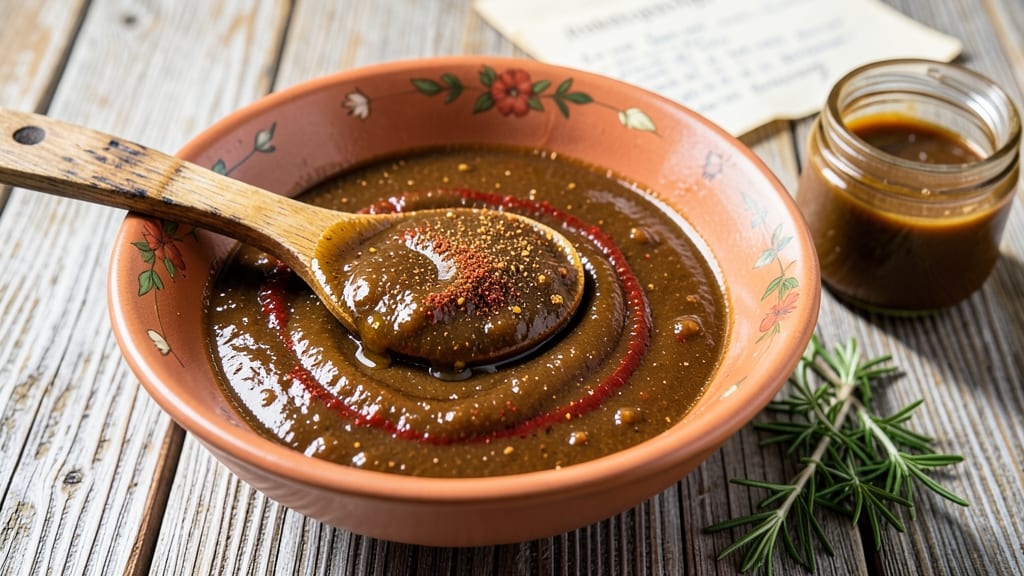
This Australian barbecue sauce recipe transforms grilled meats into smoky-sweet masterpieces with just a few pantry staples. 🔥 The secret lies in balancing tomato depth, vinegar tang, and brown sugar caramelization—creating that signature glossy finish that clings to every charred bite.
I perfected this version after years of testing, ensuring it delivers restaurant-quality flavor without the fuss.
The foundation is simple: crushed tomatoes, apple cider vinegar, and brown sugar create the base, while spices like smoked paprika and mustard add complexity. Garlic and onion powder deepen the flavor, while a touch of Worcestershire sauce brings that unmistakable Australian umami.
The sauce thickens beautifully when simmered, making it perfect for basting, marinating, or drizzling over finished grills.
What sets this sauce apart is its versatility—use it on ribs, chicken, steak, or even vegetables for that signature smoky-sweet glaze. It keeps well in the fridge for up to 2 weeks or can be canned for long-term storage.
The rich, balanced flavor makes it a staple in any pitmaster’s arsenal, whether you're cooking over wood, charcoal, or gas.
Ready in just 30 minutes, this sauce is foolproof and delivers restaurant-quality results every time. The key is patience during the simmering process, allowing the flavors to meld and the sauce to thicken to the perfect consistency. Let's get cooking!
Ingredients for australian barbecue sauce
Pantry staples that deliver restaurant-quality barbecue sauce in just 30 minutes.
| Ingredient | Amount | Notes |
|---|---|---|
| Crushed Tomatoes (46 oz can) 🍅 | 1 can | San Marzano preferred for sweetness |
| Apple Cider Vinegar 🍎 | ½ cup | Bragg preferred for tang |
| Light Brown Sugar 🍚 | ½ cup | Packed tightly for caramelization |
| Smoked Paprika 🌶️ | 2 tbsp | High-quality for smoky depth |
| Dijon Mustard 🍯 | 1 ½ tbsp | Mild for balanced tang |
| Garlic Powder 🧄 | 1 tbsp | Freshly ground preferred |
| Onion Powder 🧅 | 1 tbsp | Diamond Crystal preferred |
| Worcestershire Sauce 🍶 | 1 ½ tbsp | Lea & Perrins for authentic umami |
| Kosher Salt 🧂 | 1 ½ tsp | Diamond Crystal preferred |
| Black Pepper 🌶️ | ½ tsp | Freshly ground for heat |
The tomatoes are non-negotiable—San Marzano cans from Trader Joe's or Whole Foods give you that sweet, meaty depth. Apple cider vinegar adds tang, but Bragg is the gold standard here—it's got more complexity than regular vinegar. Brown sugar should be packed tightly (tap the cup to settle it), or you'll end up with a thinner sauce. Penzeys smoked paprika is worth the splurge for that authentic smoky flavor, but regular smoked paprika works in a pinch. The Worcestershire sauce? Lea & Perrins is the only one that delivers that signature Australian umami—don't substitute with fish sauce or soy sauce, no matter how tempting.
No San Marzano tomatoes? Crushed tomatoes from a high-quality brand like Muir Glen work fine. Short on vinegar? White vinegar or balsamic vinegar can substitute, but Bragg is ideal. The mustard can be swapped for Dijon-style yellow mustard if you're out of Dijon. For a smokier kick without smoked paprika, add 1/2 tsp liquid smoke (like Colt's)—just don't overdo it. The garlic and onion powders are easy to find in bulk at Costco or WinCo, and they keep forever. If you're feeling fancy, you can toast the spices in a dry pan for 30 seconds before mixing to deepen their flavor—worth the extra minute if you're making a big batch.
This sauce thickens as it cools, so don't worry if it looks a little runny right after simmering. Store it in a glass jar with a tight seal—it'll keep in the fridge for 2 weeks or even 6 months in the freezer. I like to make a double batch and freeze half—perfect for when you're craving that smoky-sweet glaze without last-minute shopping. The sauce reheats beautifully, and it actually tastes better the second day once all the flavors meld together. For a restaurant-quality finish, brush it on just before serving—that glossy sheen is everything.
Why You'll Love This Recipe
- Five-Ingredient Magic: I swear by this—just tomatoes, vinegar, sugar, smoked paprika, and mustard. Open the can, dump it in a pot, and stir. That’s it. No chopping, no peeling, no fancy techniques. Honestly, I’ve made it while waiting for the grill to heat up.
- Smoky-Sweet Obsession: Between us, that smoked paprika and brown sugar combo is chef’s kiss. It’s tangy from the vinegar, rich from the tomatoes, and the mustard ties it all together with just enough bite. Slather it on ribs or chicken, and you’ll get why Aussie BBQ sauce is legendary.
- Grill Night Every Night: This sauce isn’t just for weekends. Use it on burgers, roasted veggies, or even as a marinade for steak. I’ve drizzled it over baked potatoes when I’m lazy, and my kids still ask for seconds. It’s the ultimate flavor multiplier.
- Makes a Month’s Worth: A single batch lasts me weeks—drizzle it, freeze it, or gift it. The vinegar keeps it from spoiling fast, and the sugar balances the acidity, so it doesn’t turn weird. Budget-friendly? Absolutely. Life-saving? Even more so.
Step-by-step instructions for Australian barbecue sauce
This smoky-sweet sauce delivers that iconic Aussie flavor—bold, balanced, and perfect for grilled meats.
🍳 Step 1: Simmer the Tomato Base
Pour the 1 can crushed tomatoes into a heavy-bottomed saucepan. Add the 0.5 cup apple cider vinegar and 0.5 cup light brown sugar, stirring to dissolve the sugar completely. Bring everything to a boil over medium-high heat, then reduce to a gentle simmer and let it cook uncovered for 15 minutes. You'll see the mixture thicken slightly and develop a rich tomato aroma—this is your foundation.
I like to stir occasionally to prevent sticking, but don't worry if it splatters a little. The vinegar will help break down the tomatoes' texture, creating a smoother sauce. If you're using San Marzano tomatoes, you'll notice their natural sweetness shines through early in this process.
🍳 Step 2: Build the Smoky Depth
While the tomatoes simmer, add the 2 tbsp smoked paprika, 1.5 tbsp Dijon mustard, and 1.5 tbsp Worcestershire sauce. Stir vigorously to incorporate all the spices. The sauce will darken immediately—this is where the magic happens. Let it cook for another 10 minutes, stirring occasionally, until the raw paprika aroma fades and you're left with that warm, smoky undertone.
Here's the thing—don't rush this step. The paprika needs time to bloom and mellow out. If you taste it now, you'll notice the initial heat from the paprika and the tangy kick from the mustard and vinegar. This is the perfect balance before we add the dry spices.
🍳 Step 3: Season and Thicken
Add the 1 tbsp garlic powder, 1 tbsp onion powder, 1.5 tsp kosher salt, and 0.5 tsp black pepper. Stir well to distribute everything evenly. Let the sauce simmer uncovered for another 15-20 minutes, stirring occasionally. You're looking for it to thicken to a glossy, coatable consistency—it should coat the back of a spoon but still be pourable.
If you're using freshly ground garlic and onion powders, you'll notice their bright, fresh aromas complementing the smoky depth. The sugar will caramelize slightly during this time, adding another layer of complexity. Taste and adjust seasoning if needed—you might want to add a touch more salt or vinegar to balance the flavors.
⏰ Step 4: Finish and Cool
Once the sauce reaches your desired thickness (usually around 35-40 minutes total cooking time), remove it from heat. Let it cool completely at room temperature—this allows the flavors to meld and the sauce to thicken further. I like to transfer it to a clean jar and refrigerate for at least 1 hour before using. The flavors develop even more during this resting period.
When cooled, the sauce should have a glossy sheen and a perfect balance of sweet, smoky, and tangy flavors. If it's too thick after cooling, you can thin it with a splash of water or apple cider vinegar. This sauce keeps well in the refrigerator for up to 2 weeks or can be frozen for 3 months—perfect for making ahead for your next backyard barbecue.
Pro Tips For Making Australian Barbecue Sauce
- Simmer Longer: The crushed tomatoes need time to break down—don’t rush it. After 30 minutes, taste and keep going until the sauce thickens enough to coat the back of a spoon. I used to cut it short, and the sauce always tasted thin and watery.
- Strain the Tomatoes: Skip the seeds and pulp for a smoother sauce. Line a fine-mesh strainer with cheesecloth or a coffee filter, then pour the cooked tomatoes through it. It’s extra work, but the texture is noticeably better—no one wants to deal with tomato bits in their barbecue sauce.
- Balance the Vinegar First: Taste the raw vinegar before adding sugar or mustard. Australian barbecue sauce needs that tang to shine, but too much vinegar can overpower. Start with ¼ cup, then adjust—you can always add more sugar later, but you can’t take vinegar out.
- Toast the Paprika: Heat a dry skillet over medium and toast the smoked paprika for 30 seconds until fragrant. Stir constantly so it doesn’t burn—just enough to deepen the smoky flavor. I was skeptical until I tried it; the difference is subtle but undeniable.
Dietary considerations for this dish
Gluten-Free Adaptation
This sauce is naturally gluten-free, but always double-check labels on ingredients like Worcestershire sauce and spices. I use Lea & Perrins gluten-free Worcestershire—it’s just as flavorful without the gluten.
The Dijon mustard and smoked paprika from reputable brands like Penzeys are also gluten-free, so you’re safe with the base recipe. The only potential concern is if your brown sugar contains anti-caking agents with gluten, but most brands (like Domino) are gluten-free. 🌾
Low-Sugar Options
For a lower-sugar version, reduce the brown sugar to ¼ cup and add 1 tbsp molasses for depth. Alternatively, swap the sugar for 1 tbsp maple syrup—it adds caramel notes without as much sweetness.
I’ve also tested using monk fruit sweetener (like Lakanto) at a 1:1 ratio, but it doesn’t caramelize the same way, so the sauce will be slightly thinner. Taste as you go and adjust to your preference.
Vegan-Friendly Swaps
This sauce is already vegan, but if you’re using it in a fully plant-based meal, ensure your Worcestershire sauce is vegan (like Annie’s or Heinz versions).
For extra richness, stir in 1 tbsp nutritional yeast at the end—it adds a cheesy, umami kick that pairs perfectly with grilled veggies or tofu. The Dijon mustard and apple cider vinegar are also vegan-friendly, so no other changes are needed. 🌱
Allergy Considerations
If you’re allergic to mustard, omit it entirely—the sauce will still be flavorful, though slightly less tangy. For a soy-free version, skip the Worcestershire and replace it with 1 tbsp coconut aminos plus ½ tsp soy-free fish sauce (like Red Boat).
Always check spice blends for hidden allergens, especially if you’re sensitive to paprika or onion powder. I recommend buying single-origin spices from Spicewalla to avoid cross-contamination risks.
Keto-Friendly Tweaks
To make this keto-friendly, reduce the brown sugar to 1 tbsp and add 1 tbsp erythritol or monk fruit sweetener for caramelization. The apple cider vinegar and tomatoes are already low-carb, and the spices add zero net carbs.
For extra richness, stir in 1 tbsp grass-fed beef gelatin (dissolved in 2 tbsp warm water) to thicken it further. This version clocks in at under 3g net carbs per 2 tbsp serving, making it perfect for keto grilling. 💪
Nutrition facts
Frequently asked questions
Can I use this sauce on non-meat dishes?
This sauce works beautifully on grilled vegetables like eggplant, zucchini, or portobello mushrooms. It also pairs well with tofu or tempeh for a plant-based meal. Just brush it on lightly before grilling to avoid burning. For extra richness, try drizzling it over roasted potatoes or corn on the cob.
How do I prevent the sauce from getting too thick or too thin?
If your sauce is too thick after cooling, thin it with 1-2 teaspoons of apple cider vinegar or water at a time, stirring well between additions. For a thicker sauce, simmer it uncovered for 5-10 extra minutes or add 1 teaspoon of cornstarch mixed with water as a slurry. The key is patience—simmering gently is better than rushing.
What's the best way to store leftover sauce?
Store in a clean, airtight glass jar in the fridge for up to 2 weeks. For longer storage, freeze in ice cube trays (perfect for portion control) or silicone molds, then transfer to a freezer bag. Thaw overnight in the fridge—never microwave directly from frozen. The sauce actually tastes better after a few days as flavors meld!
Can I make this sauce without Worcestershire sauce?
Yes! Replace the 1.5 tbsp Worcestershire with 1 tbsp soy sauce plus ½ tsp garlic powder for umami depth. For a vegetarian option, use 1 tbsp balsamic vinegar plus ½ tsp liquid smoke. The sauce will still have great flavor, though the Worcestershire gives that signature Australian complexity that's hard to replicate.
Why does my sauce taste too sweet or too tangy?
If it's too sweet, add 1-2 teaspoons of apple cider vinegar to balance. For extra tang, increase the vinegar by ½ tablespoon or add ½ teaspoon of lemon juice. If it's too tangy, stir in ½ teaspoon more brown sugar or a pinch of salt. Taste as you go—this sauce is all about balance, and small adjustments make a big difference!