
Sauces & Condiments
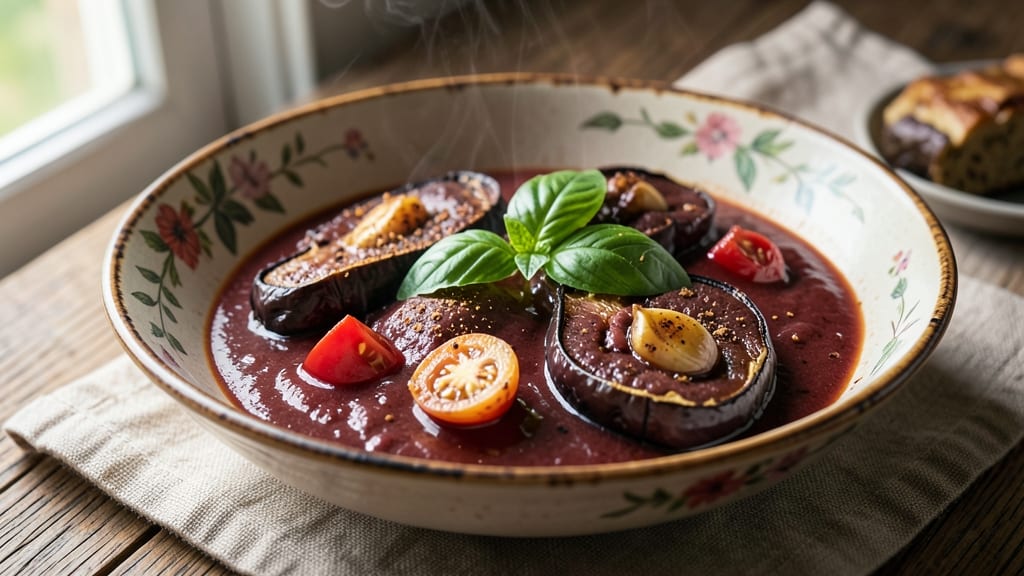
This aubergine sauce recipe transforms humble eggplant into a velvety, smoky masterpiece that elevates everything from pasta to grilled meats. The secret lies in slow-roasting eggplant until it yields a nutty, caramelized depth, then blending it with garlic, olive oil, and fresh herbs into a silky, aromatic sauce.
I developed this after discovering how roasting intensifies eggplant's natural sweetness—no bitterness here, just rich, complex flavor that builds with every spoonful.
The process is straightforward but transformative: char the eggplant over an open flame or under a broiler until blistered and tender, then peel and blend with garlic, olive oil, and a touch of yogurt for creaminess.
Simmering with tomatoes adds brightness, while a pinch of smoked paprika deepens that smoky richness that makes this sauce unforgettable. The result? A sauce that clings beautifully to noodles, drizzles over roasted vegetables, or pairs perfectly with grilled fish.
What sets this sauce apart is its versatility—use it immediately for vibrant, restaurant-quality meals or store it for up to 5 days in the fridge, where flavors only deepen. Freeze for up to 3 months if you want to stockpile this flavor bomb.
The texture is luxuriously smooth yet still packed with the eggplant's natural goodness, making it a standout in any sauce lineup.
Perfect for Mediterranean dishes, this sauce is also a game-changer for vegan diets—rich without dairy, flavorful without meat. Let's create something extraordinary with just a few simple ingredients and a little patience.
Ingredients for aubergine sauce
Eight essential ingredients transform eggplant into a velvety, restaurant-quality sauce bursting with smoky depth and nutty richness.
| Ingredient | Amount | Notes |
|---|---|---|
| Medium Eggplant 🍆 | 2 whole | Italian or globe variety preferred |
| Extra-Virgin Olive Oil 🫒 | ½ cup | High quality, fruity variety |
| Garlic Cloves 🧄 | 4 cloves | Fresh, peeled and roughly chopped |
| San Marzano Tomatoes 🍅 | 14 oz | Canned, crushed or diced |
| Smoked Paprika 🌶️ | 1 tbsp | For authentic smoky depth |
| Fresh Basil Leaves 🌿 | ½ cup | Packed, stems removed |
| Plain Greek Yogurt 🥛 | ¼ cup | Full-fat for creaminess |
| Lemon Juice 🍋 | 1 tbsp | Freshly squeezed |
| Diamond Crystal Kosher Salt 🧂 | ½ tsp | Fine grain preferred |
| Freshly Ground Black Pepper 🌶️ | ¼ tsp | For subtle heat |
The eggplant is the foundation—Italian or globe varieties have thicker flesh that caramelizes beautifully. Whole Foods or local farmers markets often carry the best quality, but any medium-sized eggplant works. Look for firm, heavy ones with glossy skin—those bruised or soft spots will yield bitter, watery flesh. Roasting over an open flame or under a broiler creates those coveted char marks that deepen the flavor profile. The San Marzano tomatoes are non-negotiable here; their natural sweetness and low acidity create the perfect balance with the smoky elements. I always buy the 28-ounce cans from Whole Foods or Trader Joe's—their quality is noticeably superior to standard brands.
No smoked paprika? Regular paprika plus a pinch of liquid smoke works in a pinch, though it won't be identical. Fresh basil is ideal, but dried basil at one-third the amount suffices if you're short on time. The Greek yogurt adds that luxurious creaminess without dairy heaviness—full-fat is essential for proper texture. Substituting with vegan yogurt maintains the vegan integrity while keeping the sauce rich. For the olive oil, avoid light or refined varieties—look for 'extra-virgin' labels with harvest dates, indicating freshness. The lemon juice can be swapped for vinegar if needed, though it alters the brightness slightly. All ingredients should be at room temperature before blending for optimal texture.
This sauce develops better with time—flavors meld beautifully after 1-2 days in the fridge. Store in an airtight container with a thin layer of olive oil on top to preserve freshness for up to 5 days. For longer storage, freeze in 1-cup portions for up to 3 months. The sauce thickens upon refrigeration, so stir vigorously before reheating. I always make a double batch—one for immediate use and one to freeze. The texture remains velvety when properly stored, with none of the graininess that can occur with improperly blended sauces. Perfect for meal prep—just thaw and reheat gently.
Why You'll Love This Recipe
- One-Pan Magic: I swear by this—just roast the eggplant and garlic together, then toss in the tomatoes. No chopping, no fuss, and the smoky paprika ties it all together while you’re still scrolling through your phone.
- Deep Umami Bomb: That charred eggplant? It’s where the flavor lives. The San Marzano tomatoes sweeten as they cook, and the olive oil keeps it rich without being heavy—like a hug in a jar.
- Weeknight to Potluck: Dinner tonight? Freezer meal for next month? Same sauce. Slather it on toast, toss it with pasta, or serve it in a bowl with crusty bread. It’s the kind of dish that works everywhere.
- Budget-Friendly Luxury: Eggplant’s cheap, tomatoes are a steal, and a little smoked paprika makes it taste like you spent hours. Honestly, I’ve made this for $8 and had leftovers for days—no guilt, all flavor.
Step-by-step instructions for smoky roasted eggplant sauce
Transform humble eggplant into a velvety sauce with deep smoky notes and nutty richness—this method delivers restaurant-quality results.
Roast the Eggplant for Caramelized Depth
Preheat your oven to 425°F and line a baking sheet with parchment paper. Pierce the 2 whole medium eggplant all over with a fork—this prevents explosions from trapped moisture. Place them directly on the baking sheet and drizzle with 0.25 cup of the extra-virgin olive oil, rubbing it evenly over the skin. The oil helps create a crispy exterior while keeping the flesh tender.
Roast for 45-50 minutes, turning occasionally, until the skin is deeply charred in spots and the flesh yields easily when pierced with a knife. The eggplant should collapse slightly under its own weight. Let them cool for 10 minutes before handling—this makes peeling the skin much easier. The roasting process develops complex caramelized flavors that form the sauce's foundation.
Peel and Blend the Roasted Eggplant
Once cooled enough to handle, slit the eggplant open lengthwise and scoop out the flesh, discarding the tough skin. You should have about 2 cups of roasted eggplant pulp. Transfer this to a food processor along with the 4 cloves garlic cloves and 1 tablespoon smoked paprika. Pulse until the mixture becomes a smooth, thick paste—this ensures no grainy textures remain in your sauce.
With the processor running, slowly drizzle in the remaining 0.25 cup extra-virgin olive oil while processing continuously. This emulsifies the mixture, creating a silky base. The smoked paprika here adds that authentic Mediterranean depth without overpowering. The eggplant's natural sweetness will emerge as it blends, transforming from humble vegetable to luxurious sauce component.
Build the Tomato Base
In a large skillet, heat 1 tablespoon extra-virgin olive oil over medium heat. Add the eggplant-garlic mixture and cook for 5 minutes, stirring constantly, until fragrant. This step develops the flavors further through direct heat exposure. Add the 14 oz San Marzano tomatoes, breaking them up with your spoon if they're whole.
Simmer uncovered for 15-20 minutes until the tomatoes break down into a chunky sauce. The liquid should reduce by about half, concentrating the flavors. Season with 0.5 teaspoon diamond crystal kosher salt and 0.25 teaspoon freshly ground black pepper. The sauce should coat the back of a spoon but still have some body—this is the perfect consistency for layering with yogurt later.
Finish with Yogurt and Fresh Herbs
Remove the skillet from heat and stir in the 0.25 cup plain Greek yogurt and 1 tablespoon lemon juice. The yogurt adds creaminess while the lemon brightens the rich flavors. Return to low heat and cook for just 1-2 minutes, stirring constantly—this prevents the yogurt from curdling. The mixture should become velvety with a slight sheen.
Finally, stir in the 0.5 cup fresh basil leaves, removing any tough stems first. The basil adds freshness that cuts through the smokiness. Taste and adjust seasoning—you might need a touch more salt to balance the yogurt's tang. The sauce should be vibrant, with visible tomato chunks suspended in a silky matrix. Serve immediately over pasta, with grilled meats, or as a dip with warm bread.
Pro Tips For Making Aubergine Sauce
- CHAR THE EGGPANT FIRST: Salt the eggplant slices generously and let them sit for 30 minutes—yes, even if you’re in a hurry. I used to skip this and ended up with a watery sauce; the salt draws out the bitterness and excess moisture, so the final texture stays rich and velvety.
- PEEL THE TOMATO SKINS: San Marzano tomatoes are sweet, but their skins can turn rubbery when cooked. After blanching them for 30 seconds in boiling water, drop them into ice water, then peel off the skins before crushing. It’s a little extra work, but the sauce will taste fresher and brighter.
- SWEAT THE GARLIC LOW: Add the minced garlic to the olive oil after the eggplant has rendered its oil, and cook it on the lowest heat possible—just until fragrant, not browned. I learned this the hard way: burned garlic turns bitter and overpowers the whole dish.
- FINISH WITH COLD OIL: Stir in a tablespoon of extra-virgin olive oil at the very end, right after removing the sauce from heat. It smooths out the texture and adds a silky finish—something I only noticed after tasting it both ways. (Your future self will notice too.)
Flavor customization for these flavors
Smoky vs. Sweet
Want to emphasize the smoky depth? Add ½ teaspoon liquid smoke to the blended eggplant mixture before cooking. For a sweeter profile, swap ½ cup of the tomatoes for roasted red peppers—their natural sweetness balances the richness.
I often do both for a sauce that's complex yet approachable. 🌶️
Herb Variations
Swap basil for cilantro (about 0.3 cup chopped) for a Middle Eastern twist—it pairs beautifully with grilled lamb. For an Italian-inspired sauce, add 1 tablespoon fresh oregano with the basil. I find that oregano enhances the smokiness while keeping the flavor bright.
Creamy or Chunky
For a smoother texture, blend the sauce after adding yogurt for 30 seconds—just until combined. For chunkier texture, skip blending and stir the yogurt in by hand. I prefer the rustic look of visible tomato pieces, but the smooth version is perfect for dipping or drizzling.
Spicy Kick
Add ½ teaspoon red pepper flakes while simmering the tomatoes for subtle heat. For a fiery finish, stir in 1 teaspoon harissa paste with the yogurt. I like to serve spicy versions with grilled chicken or as a marinade for tofu—it adds excitement without overpowering.
Vegan Adaptations
Replace the Greek yogurt with ½ cup vegan yogurt or cashew cream (blend ½ cup soaked cashews with 2 tablespoons water). For extra richness, add 1 tablespoon tahini to the blended eggplant mixture. The sauce remains velvety and packs all the flavor without dairy. ✨
Acidity Balance
Need more brightness? Add 1 extra tablespoon lemon juice or ½ teaspoon apple cider vinegar at the end. For a tangier profile, swap the yogurt for sour cream—it adds a subtle tang that cuts through the richness.
I often adjust this based on whether I'm serving the sauce hot or cold.
Nutrition facts
Frequently asked questions
Can I use regular paprika instead of smoked paprika?
Yes, but the flavor will be less smoky. For a similar depth, add ½ teaspoon liquid smoke to the blended eggplant mixture. If you can't find smoked paprika, regular paprika plus a pinch of liquid smoke creates a close approximation. The smoky element is key to this sauce's character, so if you skip it, the flavor will be more neutral and tomato-forward.
How do I prevent the sauce from being too watery?
Simmer the tomato base uncovered for 15-20 minutes to reduce excess liquid. If it's still too thin, blend the sauce for 10-15 seconds to break down any remaining tomato chunks. For extra thickness, stir in 1 tablespoon cornstarch mixed with 1 tablespoon water at the end and simmer for 1 minute. The sauce should coat the back of a spoon but still be pourable.
What's the best way to store leftover sauce?
Transfer to an airtight container and refrigerate for up to 5 days. The flavors actually improve after 1-2 days! For longer storage, freeze in 1-cup portions for up to 3 months. Thaw overnight in the fridge—never at room temperature. The texture may thicken when refrigerated, so stir vigorously before reheating. A thin layer of olive oil on top preserves freshness.
Can I make this sauce without tomatoes?
Yes! Replace the tomatoes with 1 cup roasted red peppers and ½ cup vegetable broth for a sweeter, more concentrated sauce. For a completely tomato-free version, blend the roasted eggplant with ½ cup tahini, 2 tablespoons lemon juice, and ¼ cup water for a creamy, nutty base. The sauce will have a different character but still be rich and flavorful.
Why does my sauce taste bitter?
Bitterness usually comes from overcooking the eggplant or using a variety with bitter flesh. Always roast eggplant until tender but not mushy—it should collapse slightly. For Italian/globe varieties, peel the skin completely. If bitterness persists, add 1 extra tablespoon lemon juice or ½ teaspoon sugar to balance the flavor. Fresh, high-quality eggplant is key to avoiding bitterness.