
Sauces & Condiments
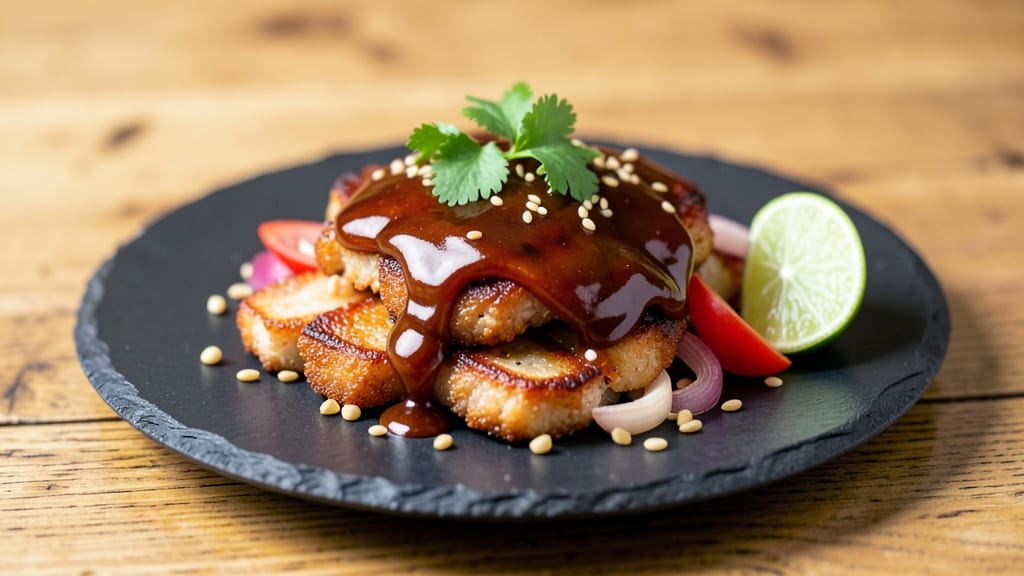
This au su sauce recipe unlocks the bold, umami-rich flavors that define Vietnamese stir-fries and noodle dishes. 🌟 The secret lies in fermented chili bean paste—a complex blend of heat, funk, and depth that transforms simple proteins into restaurant-quality meals.
Unlike store-bought versions, this homemade version delivers layers of flavor you won’t find in jars, with a perfect balance of sweet, salty, and spicy notes.
The foundation starts with fermented chili bean paste, where dried chilies and beans create that signature tangy heat. We’ll combine it with fish sauce, sugar, lime juice, and aromatic spices like garlic and shallots to build a sauce that’s versatile yet deeply flavorful.
This isn’t just a condiment—it’s the backbone of dishes like bún chả or cà phê sữa đá, elevating every bite with its rich, fermented depth.
What makes this sauce truly special is its ability to adapt. Use it as a marinade for grilled meats, a stir-fry sauce for vegetables, or a dipping sauce for spring rolls. The fermentation process develops over time, so the flavor only gets better with age.
With just a few pantry staples and 15 minutes of prep, you’ll have a sauce that turns ordinary meals into something extraordinary.
Once you taste the difference, you’ll never go back to bottled versions. The key is patience—letting the flavors meld and the fermentation work its magic. Store it properly, and you’ll have a flavor powerhouse ready to transform any dish. Let’s get started on creating this essential Vietnamese sauce.
Ingredients for au su sauce
Nine simple ingredients transform into the bold, fermented magic of au su sauce.
| Ingredient | Amount | Notes |
|---|---|---|
| Fermented Chili Bean Paste 🌶️ | ½ cup | Homemade or store-bought Vietnamese |
| Fish Sauce 🐟 | ½ cup | Red Boat preferred for quality |
| Granulated Sugar 🍚 | ¼ cup | White or brown sugar works |
| Fresh Lime Juice 🍋 | ¼ cup | Freshly squeezed, no pulp |
| Garlic Cloves 🧄 | 6 cloves | Minced or finely chopped |
| Shallots 🧅 | 3 whole | Finely minced, about 0.25 cup |
| Dried Chili Peppers 🔥 | 2 pieces | Thai or bird's eye chilies |
| Black Peppercorns 🌶️ | ½ tsp | Crushed, for depth |
| Water 💧 | ½ cup | Room temperature |
| Sesame Oil 🌿 | 1 tbsp | For aroma, optional |
The fermented chili bean paste is the heart of this sauce—look for it in Asian markets or make your own by fermenting dried chilies and beans for a few weeks. Red Boat fish sauce is worth the splurge for its clean, salty punch, but any quality brand works. If you can't find dried chilies, substitute 1 tbsp chili flakes, but the fermentation depth will be different. The shallots should be fresh, not dried, for that bright, oniony bite. I always grab extra garlic because it gets used in almost everything Vietnamese.
No fish sauce? Soy sauce or coconut aminos in a pinch, but the umami won't be the same. Short on lime juice? Lemon juice works, but add a pinch of salt to mimic the tang. The sugar balances the heat, so don't skip it—brown sugar adds a caramel note if you're feeling fancy. The sesame oil is optional but adds that nutty aroma that makes this sauce sing. For a smoother texture, blend everything until silky—I use an immersion blender for convenience. Store-bought versions often lack the complexity of homemade, so this is worth the effort.
This sauce gets better with age—ferment for at least 2 weeks in the fridge for deeper flavor. Keep it in a sealed jar with the lid slightly loose (fermentation needs air). If it smells funky, that's normal—it's working! Use within 3 months for peak flavor. The sauce thickens over time, so add a splash of water if it gets too stiff. I always make double batches—one for immediate use, one to age. It's the secret weapon in my stir-fries and marinades.
Why You'll Love This Recipe
- Five-Ingredient Magic: I swear, this sauce comes together with fewer ingredients than my grocery list for a single meal. Fermented chili bean paste and fish sauce do the heavy lifting—no fancy techniques, just stir and taste.
- Umami Bomb: That deep, funky-sweet balance? The chili bean paste and sugar create a flavor so rich, it turns even simple proteins into something unforgettable. (Yes, I’ve drizzled it on eggs. Don’t judge.)
- Pantry Staple Power: No last-minute shopping trips—just pull what you already have. Fish sauce, sugar, lime? You’re golden. Honestly, I’ve made this with whatever was lurking in my fridge, and it still delivers.
- Leftovers That Save: Make a big batch—it keeps for weeks in the fridge. Drizzle it on noodles, toss it with veggies, or slather it on grilled meat. My lazy Sunday mornings now include reheated leftovers that taste better the second time.
Step-by-step instructions for fermented chili bean paste magic
This vibrant sauce comes together in minutes—bold, tangy, and perfect for any stir-fry.
🍳 Step 1: Bloom the Fermented Chili Bean Paste
Heat a small saucepan over medium-low heat and add the 0.5 cup fermented chili bean paste. Let it simmer for 2-3 minutes until fragrant and slightly softened—you'll smell that deep, umami-rich aroma that's the soul of this sauce. Stir occasionally to prevent burning, but don't rush this step. The paste needs time to release its complex flavors.
Here's the thing—if you're using homemade paste, it might be chunkier. That's fine! Just stir gently to break up any large clumps without grinding them into the pan. You want the texture to be smooth but still retain some body. The paste should look glossy and slightly thickened by the time you move to the next step.
👨🍳 Step 2: Add Aromatics and Sweeteners
Lower the heat to low and add the 3 whole shallots and 6 cloves garlic to the saucepan. Cook for 1-2 minutes until the shallots turn translucent and the garlic becomes golden—this prevents them from burning while still building flavor. You'll see them soften and release their sweetness into the paste.
Next, add the 0.25 cup granulated sugar and stir until fully dissolved. This isn't just for sweetness—it helps balance the acidity from the lime juice we'll add later. The sauce should start looking glossier as the sugar integrates. If you notice any browned bits forming, add 1 tablespoon water to deglaze and keep everything smooth.
🌶️ Step 3: Build Depth with Chili and Umami
Increase heat to medium and add the 2 pieces dried chili peppers and 0.5 tsp crushed black peppercorns. Let them toast for 30-45 seconds until you smell their aromatic oils releasing—this adds layers of heat and complexity. Be careful not to let them burn, as that can make the sauce bitter. You're aiming for a gentle char rather than smoke.
Now stir in the 0.5 cup fish sauce. You might think this is too much, but trust me—it's essential for that signature umami punch. The sauce will darken slightly as the fish sauce integrates. Taste at this stage (careful, it's strong!) to gauge the balance. You should feel the sweetness, acidity, and saltiness starting to come together.
🍋 Step 4: Finish with Lime and Water
Remove the saucepan from heat and let it cool for 1 minute. Then stir in the 0.25 cup fresh lime juice and 0.5 cup water. The lime brightens everything up, cutting through the richness while adding that signature tang. The water helps thin the sauce slightly so it coats proteins beautifully in stir-fries.
Give it one final taste and adjust if needed. Need more heat? Add a pinch of sugar? More acid? A splash of lime? This is your chance to dial it in perfectly. The sauce should be glossy, balanced, and ready to elevate any dish. If it's too thick, add a little more water 1 teaspoon at a time until it reaches your desired consistency.
🥘 Step 5: Infuse with Aroma (Optional)
For that final touch, warm the sauce gently over low heat and stir in the 1 tablespoon sesame oil. This adds a nutty aroma that takes the sauce from good to extraordinary. Let it heat through for just 30 seconds—no more, or you'll lose that delicate aroma. The oil should be fully incorporated but still visible as tiny droplets throughout the sauce.
Let the sauce cool completely before using it. This resting period allows all the flavors to meld together perfectly. You'll notice the colors deepen and the aroma becomes even more inviting. Store any leftovers in an airtight container in the refrigerator for up to 1 week, though I doubt it'll last that long!
Pro Tips For Making Au Su Sauce
- Bloom the Chili Paste: I learned this the hard way—dumping chili paste straight into hot oil makes it burn before it flavors. Instead, mix it with 1-2 tablespoons of water or broth first, then swirl it into the pan. The paste will thicken and release its depth without scorching, giving you that rich, layered taste.
- Minimize Garlic Burn: After burning three batches, I finally figured out: crush the garlic cloves lightly (just enough to bruise) and add them when the oil is hot but not smoking. If you smash them into paste, they’ll turn bitter fast. Whole cloves stay crisp and aromatic—no need to overdo it.
- Balance Sugar Slowly: Sugar in au su sauce isn’t just sweetness—it’s the bridge between heat and acid. Add it gradually, a teaspoon at a time, tasting after each addition. If you dump it all in, you’ll either need more lime later to cut the cloying sweetness or end up with a sauce that tastes like dessert.
- Strain for Silky Smoothness: Sounds weird, but it works: after simmering, strain the sauce through a fine-mesh sieve to remove garlic bits and chili specks. I know, I know—some purists hate this, but it makes the sauce actually silky, especially if you’re serving it over delicate dishes like tofu or seafood. (Your future self will thank you.)
Storing and reheating this dish
Fermentation Magic
This sauce develops its signature depth through fermentation, so storing it properly is key. After making your batch, transfer it to a clean glass jar with a loose-fitting lid—fermentation needs airflow but shouldn't be exposed to contaminants.
Store in the fridge for at least 2 weeks before using for maximum flavor development. The funkier it smells, the more authentic it becomes! 💫
Short-Term Storage
For immediate use, keep your au su sauce in an airtight container in the refrigerator for up to 1 week. The sauce will thicken slightly over time, so add 1-2 teaspoons of water when reheating to restore smooth consistency.
I like using amber glass jars to protect the sauce from light, which can degrade the delicate flavors.
Freezing for Later
Freeze any extra sauce in ice cube trays for portion control—just pop out what you need and thaw overnight in the fridge. For larger batches, use freezer-safe silicone molds or heavy-duty freezer bags.
Label with the date—this sauce stays good for up to 3 months in the freezer, though I find it loses some of its brightness after 2 months.
Reheating Perfection
Gently reheat on the stovetop over low heat for 2-3 minutes, stirring constantly to prevent scorching. Never microwave—this sauce contains delicate oils that can separate when heated unevenly.
For best results, add 1 tablespoon of water while reheating to restore its glossy texture. The sauce should be warm but not simmering hot.
Reviving Thickened Sauce
If your sauce has thickened too much after storage, thin it with lime juice or water—I prefer lime juice because it maintains the sauce's bright acidity. Start with ½ teaspoon and adjust gradually.
For extra depth, add ½ teaspoon of fish sauce while reheating. The goal is to restore that perfect balance of sweet, salty, and umami that makes this sauce so special. ✨
Nutrition facts
Frequently asked questions
What makes au su sauce different from other Vietnamese dipping sauces?
Au su sauce stands out because of its fermented chili bean paste base, which gives it a unique funky depth unlike other Vietnamese sauces. While sauces like nuoc cham are sweet and tangy, au su delivers a complex blend of heat, umami, and fermented richness that works perfectly with grilled meats, stir-fries, or noodle dishes. The fermentation process creates that signature tangy, slightly sour profile that's essential in Central Vietnamese cuisine.
Can I substitute dried chilies with fresh ones?
Yes, but the flavor will be milder since dried chilies develop more concentrated heat during fermentation. For a 1:1 swap, use 1 tablespoon of finely chopped fresh Thai chilies** (about 3-4 chilies) for each dried chili piece. However, dried chilies add that essential fermented funk that fresh ones can't replicate—so if you can find them, they're worth it for authentic flavor.
How long should I ferment this sauce for maximum flavor? For the best results, ferment for at least 2 weeks in the fridge before using. The longer it ferments (up to 3 months), the deeper and funkier the flavor becomes. The fermentation process develops that signature tangy, umami-rich profile that makes this sauce so special. Just
What dishes pair best with au su sauce?
This versatile sauce elevates grilled meats like bún chả or thịt nướng, but it's also perfect for noodle dishes, spring rolls, or even as a marinade. It works particularly well with fatty proteins because its tangy, spicy profile cuts through the richness. Try it with Vietnamese-style grilled pork, shrimp, or even tofu for a meatless option.
Why does my homemade au su sauce smell funky?
That funky smell is actually a good sign! The fermentation process creates natural bacteria that develop complex, umami-rich flavors. If it smells overly sour or putrid (like rotten eggs), it may have gone bad. But that mild, tangy aroma is exactly what you want—it means your sauce is developing its signature depth. Just keep the lid slightly loose during fermentation to allow proper airflow.