
Sauces & Condiments
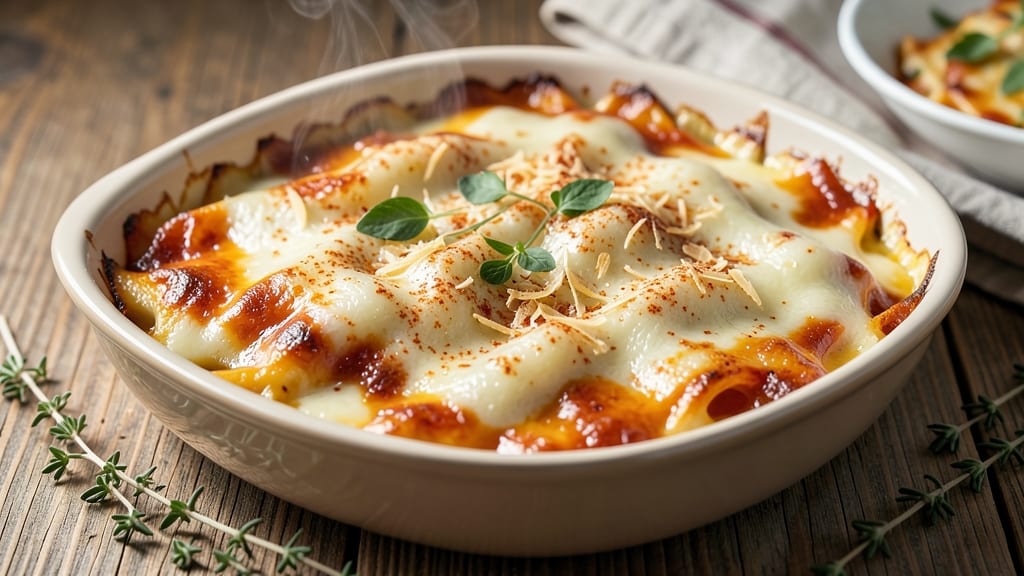
This au gratin cheese sauce recipe delivers the perfect balance of crispy golden edges and velvety melt—ideal for elevating casseroles, baked potatoes, or gratin dishes. The secret lies in a slow-cooked roux that forms the foundation, ensuring a sauce that's rich, smooth, and free of lumps.
I've perfected this technique over years, and it never fails to impress, even with picky eaters.
The magic starts with equal parts butter and flour cooked to a golden paste before gradually whisking in warm milk and cream. This creates a silky base that can handle generous amounts of sharp cheddar and nutty Gruyère without curdling.
A splash of heavy cream at the end adds luxurious body, while a touch of Dijon mustard brightens the flavor profile.
What you'll achieve is a sauce that's crispy when baked on top of dishes and creamy when stirred through—think of that perfect crust on a baked mac and cheese or scalloped potatoes.
The cheese melts into a velvety blanket, while the top develops a golden, slightly crispy layer that adds texture and visual appeal.
This sauce works equally well for classic au gratin potatoes, creamy casseroles, or even as a topping for grilled meats. The recipe scales easily, so you can make a small batch for two or double it for a crowd.
Let's create this versatile, restaurant-quality sauce that will become your new go-to for comfort food nights.
Ingredients for au gratin cheese sauce
Nine simple ingredients transform into the ultimate crispy-cheesy sauce magic.
| Ingredient | Amount | Notes |
|---|---|---|
| Unsalted Butter 🧈 | ½ cup | Cold, cubed for roux |
| All-Purpose Flour 🌾 | ½ cup | White flour preferred |
| Whole Milk 🥛 | 1 ½ cups | Warmed to room temp |
| Heavy Cream 🥛 | ½ cup | Full-fat for richness |
| Sharp Cheddar Cheese 🧀 | 1 ½ cups | Freshly grated, block preferred |
| Gruyère Cheese 🧀 | 1 cup | Grated, nutty flavor |
| Dijon Mustard 🌶️ | 1 tbsp | For subtle tang |
| Salt 🧂 | 1 tsp | Kosher or sea salt |
| Ground Black Pepper 🌶️ | ½ tsp | Freshly ground preferred |
| Garlic Powder 🧄 | ½ tsp | Optional, for depth |
The butter and flour are your golden duo—cold, cubed butter creates the best roux, so don't skip chilling it first. I grab Land O'Lakes unsalted butter from the grocery store's dairy section, but any good brand works. For flour, Gold Medal all-purpose is my go-to—it whisks smooth without lumps. The key is patience here: cook the roux low and slow until it's a deep golden brown, not burnt. That's where the crispy magic starts. Gruyère is worth hunting down at specialty stores or the cheese counter—it adds that nutty depth that separates this sauce from ordinary cheddar blends.
No sharp cheddar? Pepper Jack works in a pinch, though it'll add a mild kick. Swap Gruyère for Parmesan if needed, but expect less complexity. Running low on heavy cream? Half-and-half stretches it nicely—just add a pinch more salt. The Dijon mustard is non-negotiable for that bright pop, but if you're out, lemon juice at half the amount gives a similar tang. For extra crispiness on top, sprinkle a little breadcrumbs or crushed crackers before baking—trust me on this. And if you're prepping ahead, make the roux first and store it in the fridge for up to 3 days before finishing the sauce.
This sauce is a game-changer for leftovers—it actually tastes better the next day once everything melds. Store it in an airtight container in the fridge for up to 5 days, or freeze portions for 3 months. I like to portion it into small containers so I can grab just what I need for a quick baked potato or casserole. When reheating, add a splash of milk to restore that creamy texture. The cheese will separate slightly when cold, but just whisk it back together before serving. Perfect for meal prep—make a big batch and use it all week.
Why You'll Love This Recipe
- Five-Ingredient Magic: I swear by this combo—just butter, flour, milk, cream, and cheddar. That’s it. No weird spices or obscure ingredients cluttering my pantry. The roux builds flavor while I’m still scraping the pot, and by the time the cheese melts in, it’s ridiculously smooth.
- Crowd-Pleasing Crisp: The top layer gets golden and snappy while the bottom stays velvety. Honestly, my picky eaters stop complaining when they see that contrast—it’s like a little surprise in every bite. (Yes, even my teenager asks for seconds.)
- Weeknight Workhorse: Dinner parties? Game day snacks? Leftovers for lunch? This sauce does it all. I make a big batch on Sundays, freeze half, and still have enough for Tuesday’s lazy dinner. The heavy cream keeps it rich without tasting heavy.
- Budget Cheese Luxury: Sharp cheddar isn’t fancy, but it delivers massive flavor for pennies. I stretch a block to cover twice as much—potatoes, pasta, even toast—and no one guesses it’s not some gourmet blend. That’s the kind of stretch my wallet loves.
Step-by-step instructions for au gratin cheese sauce
Here's how to make a sauce so rich and crispy it'll make you want to eat it straight from the pan.
Make the Perfect Roux
In a medium saucepan over medium heat, melt the 0.5 cup unsalted butter until it's completely liquid but not browned. Add the 0.5 cup all-purpose flour all at once and whisk constantly for 1-2 minutes until the mixture forms a smooth, peanut-butter-like paste. This is your roux foundation - don't walk away, or it'll burn.
The roux should be a rich, golden color with no floury taste remaining. If you smell anything toasty, you've gone too far. We're aiming for a blonde roux here - pale but fully combined. This step is crucial because it creates the velvety texture that sets great cheese sauces apart from basic melts.
Gradually Add the Warm Milk
Slowly pour in the 1.5 cups warm whole milk while whisking vigorously to prevent lumps from forming. Start with a slow stream, then increase to a thin pour as the mixture thickens. Keep whisking constantly for 2-3 minutes until the sauce comes together and coats the back of a spoon.
This gradual addition prevents curdling and ensures a silky texture. You'll notice the sauce transform from a thick paste to a smooth, creamy consistency. If you see any lumps, strain the sauce through a fine-mesh sieve at this point - it's better to do it now than later when the cheese is added.
Build the Cheese Layer by Layer
Reduce heat to low and begin adding the cheeses in stages. First, stir in 1 cup of the sharp cheddar cheese until completely melted and smooth. Then add the 1 cup gruyère cheese in the same manner. The gruyère's nutty flavor will complement the cheddar's sharpness beautifully.
After the cheeses are fully incorporated, stir in the 0.5 cup heavy cream, 1 tbsp Dijon mustard, 1 tsp salt, 0.5 tsp black pepper, and 0.5 tsp garlic powder. The mustard adds a subtle tang that balances the richness, while the garlic powder gives depth without overpowering. Taste and adjust seasoning if needed - you want it to be perfectly balanced before the final step.
Achieve the Crispy Top
Transfer the sauce to a shallow baking dish or skillet. For the crispy top, sprinkle the remaining 0.5 cup sharp cheddar cheese evenly over the surface. Here's the secret: place the dish under a preheated broiler for 2-3 minutes until the top turns golden brown and bubbly.
Watch it closely - you want it to be golden brown, not burnt. The broiler should be on high heat, but the sauce itself shouldn't bubble violently. This crispy top is what makes au gratin special. Once you achieve that perfect crust, remove from the broiler immediately and let it rest for 2 minutes before serving.
Pro Tips For Making Au Gratin Cheese Sauce
- Melt Butter Slowly: I learned this the hard way—dumping cold butter into the pot at once makes the flour clump like lumpy mashed potatoes. Instead, cut the butter into small cubes and add them one at a time, letting each melt completely before stirring in the next. This keeps your roux smooth, which means your sauce won’t seize later.
- Use Cold Milk: Pouring warm or hot milk into your roux is a fast track to grainy, lumpy disaster. Keep your milk ice cold—yes, straight from the fridge—and add it very gradually while whisking like your life depends on it. The temperature shock helps emulsify properly, and you’ll end up with a silky sauce instead of gluey mess.
- Shred Cheese Fresh: Pre-shredded cheese is coated in anti-caking agents that turn your au gratin into a sad, rubbery blob. Grab a box of sharp cheddar, toss it in the freezer for 10 minutes to firm up, then shred it yourself—it’s not that hard, and your sauce will thank you with real cheesy flavor and texture.
- Strain the Sauce: After melting the cheese into the sauce, let it sit for 2 minutes, then pour it through a fine-mesh strainer into a clean pot. This catches any stray flour bits or uneven cheese chunks, giving you a velvety finish. (I know, I know—it’s an extra step, but your future gratin will be worth it.)
Troubleshooting perfect results
Lumpy Sauce Fix
If your sauce develops lumps during cooking, don’t panic—it’s an easy fix. Immediately remove the pan from heat and whisk vigorously for 30-60 seconds to break up the lumps. For stubborn clumps, pour the sauce through a fine-mesh sieve into a clean bowl while pressing with a spatula.
The key is acting fast—heat makes lumps harder to dissolve. 💡
Cheese Curdling
Curdling happens when cheese separates into grainy bits, usually from adding cheese too quickly or using cold milk. To prevent it, always add cheese gradually over low heat while whisking constantly.
If it curdles mid-cook, whisk in 1 tablespoon cold water or 1 teaspoon lemon juice to smooth it out. For extra insurance, strain the sauce through a sieve before serving.
Sauce Too Thin
A runny sauce often means the roux wasn’t cooked long enough or too much liquid was added. To thicken, mix 1 tablespoon cornstarch with 1 tablespoon cold water, then stir it into the sauce while heating.
Cook for 1-2 minutes until it thickens to your desired consistency. Alternatively, simmer uncovered for 5-10 minutes to evaporate excess liquid.
Sauce Too Thick
If your sauce is too thick, thin it by whisking in 1-2 tablespoons warm milk or cream at a time until smooth. For a quicker fix, add a splash of beef or chicken broth (about 2 tablespoons) and stir well.
Avoid adding too much liquid at once—you can always thicken it back up later with a cornstarch slurry.
Broiler Burns Top
Burning the cheese topping is a common mistake when broiling. To avoid it, place the dish 3-4 inches from the broiler element and watch closely. If the cheese browns too quickly, move the dish farther away or reduce the broiler heat setting.
For extra insurance, sprinkle a thin layer of breadcrumbs on top before broiling—they’ll crisp up without burning as easily. 🔥
Sauce Separates When Cold
Cheese sauces often separate when refrigerated, but this is easily fixed. Simply reheat the sauce on low heat, stirring constantly, until it’s fully melted. Then whisk in 1-2 tablespoons warm milk or cream to restore its creamy texture.
For future batches, store the sauce in an airtight container and press plastic wrap directly on the surface to minimize separation.
Nutrition facts
Frequently asked questions about au gratin cheese sauce
Can I make this sauce without heavy cream?
Yes! For a lighter version, replace the heavy cream with ½ cup whole milk plus 1 tablespoon cornstarch mixed with 1 tablespoon cold water. Whisk it in at the end to maintain creaminess. The sauce will still be rich, just slightly less decadent. For extra flavor, add ½ teaspoon vanilla extract when substituting.
What's the best cheese substitute if I don't have Gruyère?
Try Parmesan for a sharper, saltier kick or Swiss cheese for a milder nutty flavor. For a closer match, blend ½ cup sharp cheddar with ½ cup mozzarella—the mozzarella adds stretchiness. Avoid pre-shredded cheese (it contains anti-caking agents that prevent proper melting). Always grate fresh for the best texture.
How do I prevent the sauce from getting grainy when reheating?
Graininess happens when cheese separates during reheating. To fix it, stir in 1-2 tablespoons warm milk or cream while heating on low heat. For prevention, store the sauce in an airtight container with plastic wrap pressed directly on the surface. When reheating, add a splash of liquid first, then whisk constantly until smooth. Never microwave—it causes separation.
Can I use this sauce for dishes other than potatoes?
This versatile sauce works beautifully on baked ziti, stuffed peppers, grilled chicken, or even as a dip for veggie sticks. For casseroles, spread it over ½-inch thick> layers of food to ensure even browning. For meats, brush it on during the last 5 minutes of grilling> and broil for 2-3 minutes> to create a crispy crust. The possibilities are endless!
Why does my sauce sometimes split when I add cheese?
Cheese splitting (curdling) usually happens when cheese is added too quickly or the sauce is too hot. Always reduce heat to low> and whisk continuously while adding cheese in small batches. If it splits, whisk in 1 tablespoon cold water> or 1 teaspoon lemon juice> to smooth it out. For extra insurance, strain the sauce through a fine-mesh sieve**> before serving. Patience is key—rushing this step causes the most problems.