
Sauces & Condiments
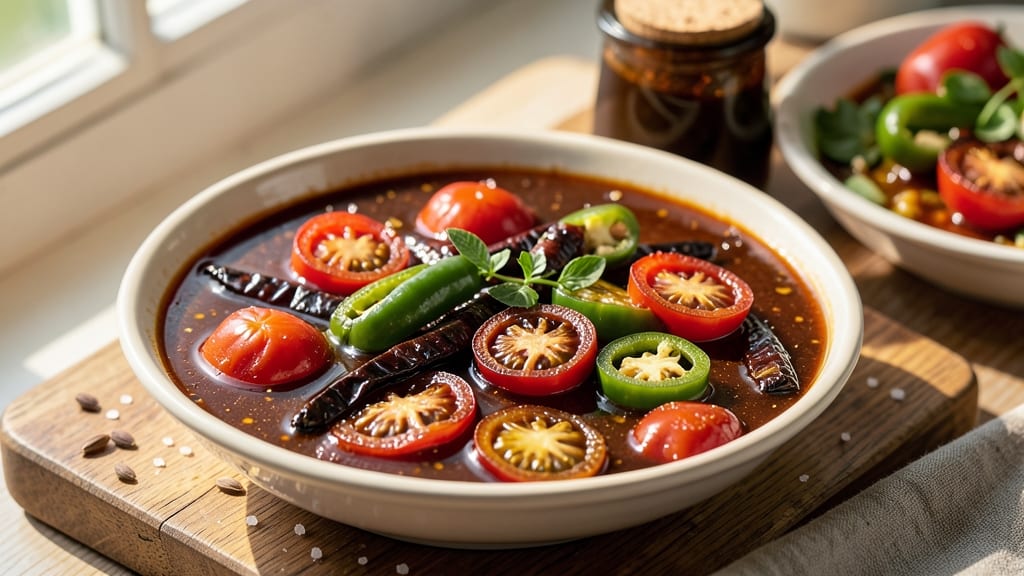
This ATX hot sauce recipe delivers the bold, smoky fire that defines Austin’s culinary scene, blending fermented chipotle peppers and ripe tomatoes for a complex heat that lingers. The key lies in balancing fermentation—where peppers develop depth—and vinegar’s sharp tang, creating a sauce that’s both vibrant and versatile.
I’ve perfected this method over years of testing, ensuring every batch delivers that signature Austin kick without overpowering your dish.
The process starts with fresh jalapeños and chipotle peppers, fermented for 3–5 days to build flavor, then blended with tomatoes, garlic, and a touch of apple cider vinegar for brightness. Adjust the heat by controlling fermentation time or pepper ratios—more time means deeper, earthier heat, while extra vinegar sharpens the finish.
The result? A sauce that’s smooth yet fiery, with layers of smokiness and acidity that elevate everything from tacos to grilled meats.
What sets this recipe apart is its adaptability—use it as a dipping sauce, a marinade, or a finishing touch on dishes like brisket or fried chicken. The fermentation step might seem intimidating, but it’s straightforward: just monitor the peppers and taste as you go.
Once bottled, this sauce keeps in the fridge for up to 3 months, or you can can it for long-term storage. Every drop tastes like a taste of Austin’s bold, unapologetic heat.
For those who love customization, swap in ghost peppers for extra intensity or add a pinch of cayenne for a quicker burn. The beauty of this recipe is in its flexibility—whether you’re a hot sauce novice or a seasoned enthusiast, the techniques here ensure a restaurant-quality result.
Let’s get started on your next batch.
Ingredients for atx hot sauce
Pantry staples meet Austin’s bold flavors—just 10 ingredients for fiery, smoky heat.
| Ingredient | Amount | Notes |
|---|---|---|
| Fresh Jalapeño Peppers 🌶️ | ½ lb | Seeds removed for milder heat |
| Chipotle Peppers in Adobo Sauce 🌶️ | 4 whole | 2 cans, 7 oz each |
| Ripe Roma Tomatoes 🍅 | 2 lb | Vine-ripened preferred |
| Apple Cider Vinegar 💧 | ½ cup | Raw, unfiltered preferred |
| Garlic Cloves 🧄 | 6 cloves | Peeled, rough chopped |
| Granulated Sugar 🍚 | 2 tbsp | Balances acidity |
| Salt 🧂 | 1 ½ tsp | Diamond Crystal preferred |
| Cayenne Pepper 🔥 | ½ tsp | Adjust for heat preference |
| Smoked Paprika 🌶️ | 1 tsp | Adds smoky depth |
| Fresh Cilantro Stems 🌿 | ¼ cup | Optional, for freshness |
The peppers are where the magic happens. Fresh jalapeños should be firm with no soft spots—H-E-B or Whole Foods carry the best local varieties. Chipotle peppers in adobo? Don’t skip the canned kind—the smoky adobo sauce adds depth you can’t replicate. For tomatoes, vine-ripened Roma from Trader Joe’s or your local farmers market make all the difference—they’re meatier and sweeter. Pro tip: if you can’t find fresh jalapeños, jalapeño powder works in a pinch, but it lacks the fermented complexity. The garlic? Freshly peeled and roughly chopped—no need to mince finely, just break it up so it blends smoothly.
No chipotle peppers? Dried ancho chiles rehydrated in vinegar work surprisingly well. Short on jalapeños? Serrano peppers or Thai bird’s eye chiles crank up the heat. The apple cider vinegar is non-negotiable—raw, unfiltered has more flavor than the white vinegar you might grab first. Sugar balances the acidity, but if you’re avoiding it, a pinch of honey or maple syrup does the trick. Smoked paprika adds that signature ATX smokiness—Penzeys or Goya are my go-tos. And cilantro? Use the stems too—they’ve got more flavor than the leaves. If you’re sensitive to cilantro’s soapy taste, skip it entirely.
This sauce gets better with time—ferment for 3-5 days before blending for deeper flavor. Store in sterilized glass jars in the fridge for up to 3 months, or can it for long-term storage. I always make a double batch—one for immediate use, one to gift. The fermentation process is foolproof: just taste as you go. Too tangy? Add a pinch more sugar. Too mild? Let it ferment another day or two. Every batch turns out different, and that’s the fun part.
Why You'll Love This Recipe
- No Blender Needed: I swear by this—just a knife, a bowl, and a little elbow grease. The chipotles in adobo sauce blend right into the tomatoes with the vinegar, so you’re not stuck with a chunky mess that needs pureeing. Honestly, the texture comes out smoother than any store-bought sauce I’ve tried.
- Smoky Garlic Bomb: That first bite of heat? It’s all the chipotles, but the garlic—roasted just until it’s sweet—takes it over the top. The jalapeños add a bright punch, but the vinegar ties everything together so it’s not just fire; it’s layered. I’ll be real: I’ve caught myself dipping tortilla chips just to taste it straight.
- Tailgate or Taco Night: This sauce is my go-to for anything needing a kick—grilled chicken, eggs, even mac and cheese. The acidity cuts through greasy foods, and the smokiness stands up to bold flavors. Between us, it’s the reason my BBQ ribs always get seconds. (Yes, even on a Tuesday night.)
- Lasts a Month: I make a big batch every few weeks, and it doesn’t go bad. The vinegar acts like a preservative, so you’re not scrambling to use it up before it spoils. Plus, the Roma tomatoes are cheap and easy to find, so it’s a budget win that doesn’t skimp on flavor. My freezer’s full of it—because why buy when this is better?
Step-by-step instructions for ATX hot sauce
Here's how to blend smoky chipotle heat with bright tomato acidity for a sauce that packs Austin-style kick.
Roast Tomatoes and Char Peppers for Depth
Preheat your oven to 450°F. Cut the 2 lb ripe Roma tomatoes in half lengthwise and place them cut-side down on a baking sheet. Roast for 20-25 minutes until the skins blacken and blister—this caramelizes natural sugars and intensifies their sweetness. Meanwhile, remove the 4 whole chipotle peppers in adobo sauce from their cans and place them on the same baking sheet. Roast for another 5 minutes until slightly charred.
Here's the thing—roasting transforms these ingredients from good to extraordinary. The tomatoes develop a smoky sweetness that balances the heat, while the chipotles gain a deeper, almost campfire-like flavor. Watch closely after 15 minutes—when the tomato skins start to wrinkle and darken, that's your signal to check them. If they're not charred enough, return them to the oven for another 2-3 minutes.
Blister Jalapeños and Sauté Aromatics
While the oven is still hot, transfer the 0.5 lb fresh jalapeño peppers to the baking sheet (no need to cut them). Roast for 8-10 minutes, turning occasionally, until their skins blacken in spots. This step removes some of their raw heat while concentrating their flavor. Let them cool slightly, then peel off the charred skins and remove seeds if you prefer milder heat.
In a large skillet over medium heat, add the 6 cloves rough chopped garlic cloves and cook for 1-2 minutes until fragrant but not browned. Add the 0.5 tsp cayenne pepper and 1 tsp smoked paprika, stirring constantly for 30 seconds to toast the spices—this releases their aromatic oils. Don't walk away; spices burn quickly and lose their punch.
Combine Everything and Simmer
Transfer the roasted tomatoes, chipotles, and jalapeños to a blender along with the sautéed garlic and spices. Add the 0.5 cup apple cider vinegar and 2 tbsp granulated sugar. Pulse until roughly chopped, then pour the mixture into a medium saucepan. Bring to a boil over medium-high heat, then reduce to medium-low and simmer uncovered for 20-25 minutes, stirring occasionally.
Simmering reduces the sauce and deepens the flavors. You'll notice the sauce thicken slightly and develop a rich, smoky aroma. If it reduces too quickly (it should end up about 1½ cups), add 1-2 tablespoons water to maintain consistency. The sauce is ready when it coats the back of a spoon and has a syrupy texture—this takes patience, but it's worth it for that concentrated heat.
Strain and Finish with Freshness
Carefully pour the hot sauce through a fine-mesh strainer into a clean bowl, pressing gently on the solids to extract maximum flavor. Discard the strained solids. Stir in the 1.5 tsp salt and 0.25 cup fresh cilantro stems, if using. The cilantro adds a bright, herbal note that cuts through the heat—it's optional but recommended for that fresh finish.
Let the sauce cool completely before transferring to a sterilized glass jar. The flavors will meld further as it cools, and the heat will mellow slightly. For best results, refrigerate for at least 24 hours before using—this allows the flavors to fully develop. The sauce will keep in the fridge for up to 3 months, so make a big batch while you're at it.
Adjust and Use Your Sauce
Taste the sauce and adjust the seasoning if needed. If it's too hot, add a splash of vinegar or a pinch more sugar to balance. If it's not hot enough, stir in a pinch of cayenne or a finely chopped fresh jalapeño. The sauce should have a perfect balance of smoky, spicy, and tangy flavors with a smooth, velvety texture.
Use your ATX hot sauce on tacos, grilled meats, or even drizzled over eggs for a breakfast kick. Start with ½ teaspoon per serving and adjust to taste—this sauce is serious business. The first time you taste the perfect marriage of smoky chipotle and bright tomato acidity, you'll understand why it's worth the effort.
Pro Tips For Making Atx Hot Sauce
- CHAR THE TOMATOES LOW: Blister the Roma tomatoes over an open flame or on a grill—just until their skins blacken in spots. I used to roast them too hot and end up with bitter, charred mess; low and slow gives you sweet, jammy texture without sacrificing depth.
- PEEL THE JALAPEÑOS FIRST: Remove stems and seeds, then blister the peppers whole over a gas flame or under a broiler for 30 seconds per side. The skins will slip right off when you dunk them in ice water—no tedious peeling afterward.
- STRAIN THE ADOBO SAUCE: Chipotles in adobo are packed with sediment that makes your sauce grainy. After blending, pour the mixture through a fine-mesh sieve or cheesecloth to remove bits—trust me, your future self will notice the difference.
- COOK THE VINEGAR: Simmer the apple cider vinegar with garlic for 2-3 minutes before adding it to the blended sauce. This mellows the acidity and lets the garlic caramelize slightly, giving the sauce a richer, more complex finish—no one wants a harsh tang cutting through.
Common mistakes when making great atx hot sauce
Over-Fermenting Peppers
I’ve made this mistake more times than I’d admit—letting the peppers ferment too long turns your sauce bitter and vinegary. The 3-5 day window is critical: after 5 days, the peppers start breaking down, releasing tannins that create an off-putting astringency.
If you forget to taste-test daily, set a phone reminder or mark your calendar. Trust me, your taste buds will thank you when the sauce remains bright and balanced. 🌶️
Skipping the Roast
Roasting the tomatoes and peppers isn’t optional—it’s what transforms good into extraordinary. Skipping this step leaves your sauce flat and one-dimensional. The charred skins caramelize sugars in the tomatoes, adding natural sweetness that balances the heat, while the chipotles develop that coveted smoky depth.
If you’re short on time, broil them for 5-7 minutes instead of roasting, but don’t skip it entirely. Your sauce will taste like it’s missing something.
Ignoring Vinegar Balance
The apple cider vinegar isn’t just there to preserve—it’s the flavor anchor. Using white vinegar or skipping the vinegar entirely can make your sauce taste harsh or unfinished. The acidity cuts through the heat and brightens the tomatoes.
If your sauce tastes too sweet or one-note, add 1-2 extra tablespoons of vinegar during simmering. For extra depth, I sometimes add 1 teaspoon of lime juice at the end for a citrusy kick.
Rushing the Simmer
Simmering is where the magic happens, but I’ve seen too many people rush this step. Skimping on the 20-25 minute simmer leaves your sauce thin and underdeveloped. The longer it reduces, the more concentrated the flavors become.
If you’re in a hurry, reduce the heat to low and let it simmer for 30-40 minutes instead—just don’t walk away. Stir occasionally to prevent burning, and taste frequently. Patience here makes all the difference in the final texture and flavor. ⏰
Using Low-Quality Peppers
Not all peppers are created equal, and cheap or wilted jalapeños will ruin your sauce. Fresh, firm jalapeños from a trusted source—like H-E-B or Whole Foods—make a world of difference.
If your peppers are soft or have dark spots, they’ve started fermenting on their own, which can make your sauce taste funky. For chipotles, always use adobo sauce-packed peppers from a reputable brand like La Costeña. The adobo adds smokiness you can’t replicate with dried peppers alone.
Straining Too Aggressively
When straining, resist the urge to press hard on the solids—you’ll end up with a gritty, pulpy sauce. Instead, gently press with a spoon or ladle to extract flavor without breaking down the texture. The strained solids contain precious oils and flavor that make your sauce richer.
If you’re worried about texture, blend the strained solids into a small batch of sauce separately and adjust to taste. A little bit of pulp adds body and depth that you won’t get from a completely clear sauce. 💫
Nutrition facts
Frequently asked questions
Can I make this ATX hot sauce without fermenting?
Yes! While fermentation adds depth, you can skip it by using dried chipotle peppers rehydrated in vinegar (soak for 20 minutes) and fresh jalapeños sautéed instead of fermented. The sauce will be brighter but still pack heat. Just reduce simmering time to 15 minutes to avoid over-concentrating flavors.
How do I adjust the heat level?
For milder heat, reduce jalapeño seeds and ferment peppers for only 3 days. For extra fire, add 1-2 extra chipotles or ½ tsp cayenne during simmering. Pro tip: blend in 1-2 fresh ghost pepper slices (seeds removed) for Austin-style intensity!
What’s the best way to store homemade hot sauce?
Store in sterilized glass jars in the fridge for 3 months, or can it for long-term storage. For gifting, use amber glass bottles to protect from light. The sauce will mellow slightly over time—taste after 1 week to adjust seasoning if needed.
Can I substitute ingredients if I can’t find chipotles?
Use ancho chiles rehydrated in vinegar (1:1 ratio) for smokiness, or smoked paprika + extra cayenne for heat. For tomatoes, fire-roasted canned tomatoes work in a pinch—they add natural sweetness. Just reduce vinegar by 1 tbsp since canned tomatoes are already acidic.
How should I use this hot sauce?
Start with ½ tsp per serving on tacos, grilled meats, or eggs. For dipping, mix with sour cream or mayo (1:3 ratio). The smoky depth makes it perfect for brisket, while the tangy brightness cuts through rich dishes like mac and cheese.