
Sauces & Condiments
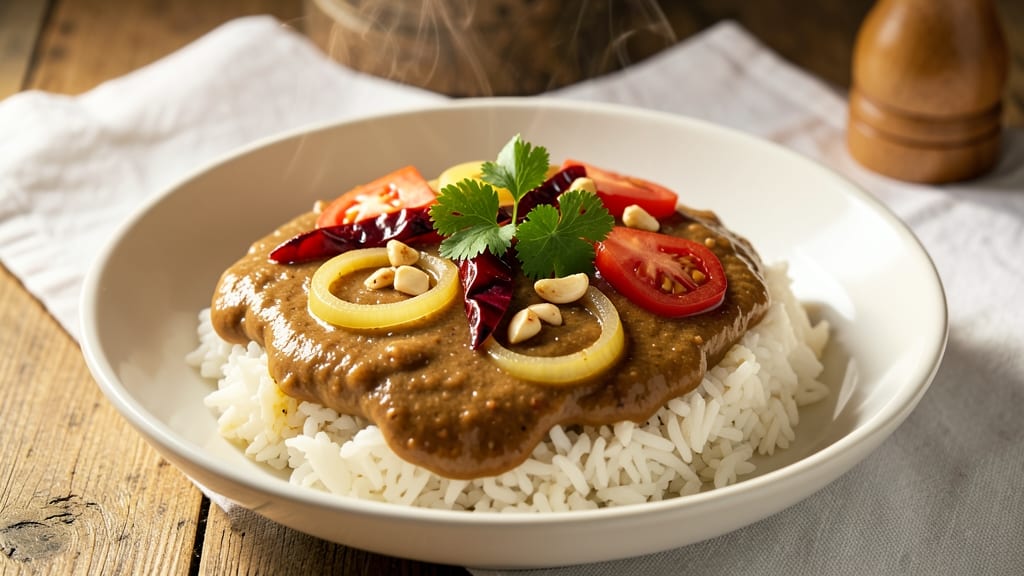
This attieke sauce recipe brings the rich, nutty depth of West African cuisine to your kitchen with just a few simple ingredients. The magic happens when toasted cassava flour meets aromatic tomatoes, onions, and peppers, creating a velvety sauce that clings to grilled fish or fried plantains like a dream.
I developed this recipe after years of perfecting the balance between earthy cassava and the bold flavors of West Africa—it’s the kind of sauce that transforms ordinary meals into something extraordinary.
The secret to attieke sauce lies in the slow simmering process, which allows the peanut butter and cassava flour to meld into a thick, luscious consistency.
You’ll start with a base of sautéed onions, garlic, and peppers, then build layers of flavor with tomatoes and spices before stirring in the peanut butter and cassava flour. This isn’t just a sauce—it’s a flavor explosion that will have everyone at the table asking for seconds.
What makes this sauce truly special is its versatility. Use it as a dip for fried plantains, a topping for grilled fish, or even a marinade for chicken.
The sauce keeps well in the fridge for up to a week, so you can make a big batch and enjoy it all week long.
Whether you’re serving it at a family gathering or a casual dinner, this attieke sauce will elevate any dish with its rich, nutty, and slightly tangy profile.
The best part? This recipe is foolproof and adaptable. Feel free to adjust the spice level or add extra vegetables like bell peppers or okra for a twist. Once you try this sauce, you’ll never go back to store-bought versions. Let’s get cooking!
Ingredients for attieke sauce
Nine simple ingredients transform into West Africa's richest sauce—nutty, tangy, and full of flavor.
| Ingredient | Amount | Notes |
|---|---|---|
| Peanut Butter 🥜 | ½ cup | Natural, unsweetened preferred |
| Cassava Flour 🌾 | ½ cup | Toasted lightly for nuttiness |
| Fresh Tomatoes 🍅 | 2 cups | Chopped, ripe but firm |
| Yellow Onion 🧅 | 1 whole | Finely chopped, medium size |
| Red Bell Pepper 🌶️ | 1 whole | Deseeded, chopped |
| Garlic Cloves 🧄 | 4 cloves | Minced for aromatic base |
| Vegetable Oil 🫒 | ¼ cup | For sautéing |
| Ground Black Pepper 🌶️ | ½ tsp | Freshly ground preferred |
| Salt 🧂 | 1 tsp | Kosher or sea salt |
| Ground Ginger 🌿 | ½ tsp | Freshly grated preferred |
Peanut butter is the star here—natural, unsweetened makes all the difference. Trader Joe's or Whole Foods carry great brands, but any natural PB works. Cassava flour can be tricky to find, so check the international aisle at your grocery store or order online. If you can't find it, garbanzo flour is a decent sub. The tomatoes should be ripe but firm—heirloom varieties add extra sweetness. I usually grab a mix of red and yellow for that vibrant color, but any ripe tomato works.
No peanut butter? Sunflower seed butter gives a similar texture. Fresh tomatoes? Canned San Marzano tomatoes work in a pinch—just drain them well. The red bell pepper adds sweetness and color, but green bell or jalapeño will change the flavor profile. Ground ginger is key for that West African warmth, but fresh grated ginger at half the amount is even better. Want more heat? Add a pinch of cayenne. The cassava flour will clump—sift it before toasting to avoid lumps in your sauce. And trust me, toasting that flour makes the whole dish sing.
This sauce tastes even better the next day once all the flavors meld. Store it in an airtight container in the fridge for up to 1 week. Freezes beautifully for 3 months—just thaw in the fridge overnight. I always make a double batch because it disappears fast. Perfect for dipping fried plantains or slathering on grilled fish. The sauce thickens as it cools, so add a splash of water if it gets too stiff. Leftovers? Stir in a little water and reheat gently.
Why You'll Love This Recipe
- Pantry Magic: I swear by this sauce because it uses what I already have—no fancy shopping trips. That jar of peanut butter, a bag of cassava flour gathering dust, and a handful of fresh veggies? Boom, you’re cooking.
- Creamy-Spicy Balance: The peanut butter gives it that rich, nutty depth, while the bell pepper and tomatoes add a tangy kick. Honestly, it’s the kind of sauce that makes you go back for seconds without even trying.
- Weeknight to Party: Slap it on grilled chicken for a quick dinner or drizzle it over roasted veggies for a crowd. I’ve even used it as a dip—trust me, it’s that versatile.
- No Waste, All Win: A little goes a long way, so I make a big batch and freeze it. Thaw, reheat, and serve—no guesswork, no extra cost. My wallet (and taste buds) thank me every time.
Step-by-step instructions for attieke sauce
Let's create this rich, nutty sauce that's the heart of West African cooking.
Toast the Cassava Flour for Depth of Flavor
Heat a dry skillet over medium heat. Add the 0.5 cup Cassava Flour and stir constantly for 3-4 minutes until it turns a light golden color and smells nutty. This toasting step is crucial—it enhances the flour's natural flavor and prevents a raw taste in your sauce.
Watch closely as the flour cooks. It should smell toasty and aromatic, not burnt. Once it reaches that perfect golden hue, remove it from heat and set aside. This toasted flour will be your sauce's thickening agent and flavor base, so don't skip this step.
Sauté the Aromatic Vegetables
In the same skillet, add the 0.25 cup Vegetable Oil and heat over medium heat. Add the finely chopped yellow onion and cook for 4-5 minutes until softened and translucent. Then add the deseeded, chopped red bell pepper and cook for another 3-4 minutes until tender.
Next, add the 4 minced garlic cloves and cook for 30 seconds until fragrant. Be careful not to let the garlic burn—it should smell sweet and inviting, not bitter. This aromatic base forms the flavor foundation of your attieke sauce, so take your time with this step.
Cook the Tomatoes Until They Break Down
Add the 2 cups chopped fresh tomatoes to the skillet with the sautéed vegetables. Stir well to combine and cook for 8-10 minutes over medium heat. The tomatoes will release their juices and begin to break down into a thick, rich mixture.
You'll know they're ready when the sauce thickens slightly and the raw tomato taste disappears. This process typically takes about 8-10 minutes, but don't rush it. The longer you cook the tomatoes, the more their natural sweetness will develop, creating a deeper flavor in your sauce.
Build the Sauce with Peanut Butter and Spices
Reduce the heat to low and stir in the 0.5 cup Peanut Butter. Let it melt completely into the tomato mixture, stirring constantly to create a smooth, creamy base. Then add the toasted cassava flour, 1 tsp Salt, 0.5 tsp Ground Black Pepper, and 0.5 tsp Ground Ginger. Stir well to combine all ingredients.
Increase the heat to medium-low and let the sauce simmer for 5-7 minutes, stirring frequently. The cassava flour will begin to thicken the sauce, creating that perfect attieke consistency. If the sauce becomes too thick, you can add a splash of water to loosen it to your desired consistency.
Simmer to Perfection
Continue simmering the sauce for an additional 3-5 minutes until it reaches your preferred thickness. It should coat the back of a spoon but still be pourable. Taste and adjust seasoning if needed—you might want to add a bit more salt or pepper to suit your taste.
Once your attieke sauce reaches the perfect consistency, remove it from heat. Let it cool slightly before serving. This rich, nutty sauce pairs beautifully with grilled meats, fried plantains, or as a dip for crispy fritters. Enjoy the warm, comforting flavors of West Africa right in your kitchen!
Pro Tips For Making Attieke Sauce
- Toast the Cassava Flour: Skip the raw flour—heat it dry in a pan for 2-3 minutes until fragrant. This removes the floury taste and deepens the nutty, earthy notes that peanut butter can’t overpower. (Yes, it’ll look like you’re making pancake batter, but trust me.)
- Char the Onions: Caramelize the onions until they’re dark brown at the edges, not just translucent. The bitterness cuts through the peanut butter’s richness and balances the sauce’s sweetness—just don’t walk away. (I learned this the hard way when my sauce tasted like a peanut butter sandwich.)
- Blend Peanut Butter Last: Build the base with tomatoes, onions, and bell pepper first, then add peanut butter after the sauce has thickened slightly. This prevents a gluey, unbalanced texture—like stirring mayonnaise into a hot soup. (Your future self will thank you.)
- Use Roasted Bell Pepper: Char the red bell pepper under a broiler or over an open flame for 5 minutes before blending. The smoky depth elevates the sauce from "good" to "wow" without extra effort. (Does it look weird? Yes. Does it work? Every single time.)
Storing and reheating this attieke sauce
Fridge Storage Tips
Store your attieke sauce in an airtight container with a lid—glass jars or BPA-free plastic containers work best. Let it cool completely before sealing to prevent condensation, which can dilute the flavors. I like using Mason jars because they’re sturdy and easy to stack in the fridge.
Keep it at 40°F or below for up to 1 week—the flavors actually deepen as it sits, making it even more delicious the next day. 🥫
Freezer-Friendly Tricks
Attieke sauce freezes beautifully for 3 months if stored properly. Use freezer-safe silicone molds or quart-sized freezer bags—leave 1 inch of headspace for expansion. Squeeze out excess air to prevent freezer burn, which can ruin the texture.
Label the bag with the date so you can track freshness. Thaw overnight in the fridge before reheating for the best results. ❄️
Reheating Without Ruining Texture
For stovetop reheating, transfer the sauce to a saucepan and heat over low-medium heat with 1-2 tablespoons of water to prevent sticking. Stir frequently to avoid scorching—this sauce thickens as it cools, so add water gradually if needed.
Microwave reheating? Use 30-second intervals on 50% power, stirring in between, until warmed through. Never reheat to a boil, or the cassava flour will lose its thickening power. 🔥
Reviving Thickened Sauce
If your attieke sauce thickens too much after storage, don’t toss it! Stir in 1 tablespoon of warm water at a time until you reach your desired consistency. For extra richness, add a teaspoon of peanut butter while reheating—it blends right in and restores that creamy texture.
This sauce is incredibly forgiving, so even if it seems too stiff, a little liquid magic can bring it back to perfection. ✨
Portioning for Meals
Divide the sauce into smaller portions before freezing or refrigerating to make reheating easier. Individual ramekins or silicone cupcake liners work great for single servings. When ready to use, just grab what you need and reheat—no need to thaw the whole batch.
This is especially handy if you’re serving attieke sauce as a dip or topping for different dishes throughout the week. 🍽️
Long-Term Flavor Preservation
To keep your attieke sauce tasting fresh longer, add a fresh pinch of salt and a dash of black pepper when reheating. The spices help brighten the flavors after storage. If the sauce develops a skin on top, simply scrape it off before reheating—it won’t affect the taste.
Pro tip: Add a splash of vegetable oil (about 1 teaspoon) while reheating to keep the sauce silky smooth. 💡
Nutrition facts
Frequently asked questions
What's the best way to toast cassava flour for attieke sauce?
Toast the cassava flour in a dry skillet over medium heat for 3-4 minutes, stirring constantly until it turns golden and smells nutty. This step removes raw starch flavors and gives the sauce its signature depth. Watch closely—it burns quickly!
Can I substitute cassava flour if I can't find it?
Yes! In a pinch, use garbanzo flour or all-purpose flour, but the texture will be slightly different. For garbanzo flour, reduce the amount by 20% since it's denser. The sauce will still work, though the nutty flavor won't be as pronounced.
Why does my attieke sauce get lumpy?
Lumps usually happen when the cassava flour clumps before toasting or isn't mixed thoroughly. Always sift the flour before toasting and whisk it into the sauce slowly while stirring constantly. If lumps appear, blend briefly with an immersion blender for a smooth finish.
How spicy should attieke sauce be?
The recipe is mild, but you can adjust heat by adding ½-1 teaspoon cayenne or 1 chopped scotch bonnet pepper. For a smoky kick, add ½ teaspoon smoked paprika. Start with less—you can always add more, but you can't remove heat once it's in!
What's the best way to serve this sauce?
Attieke sauce shines with grilled fish, fried plantains, or as a dip for yuca fries. It also works beautifully as a marinade for chicken or pork. The rich, nutty flavor pairs especially well with West African dishes like kelewele (fried dough balls).