
Sauces & Condiments
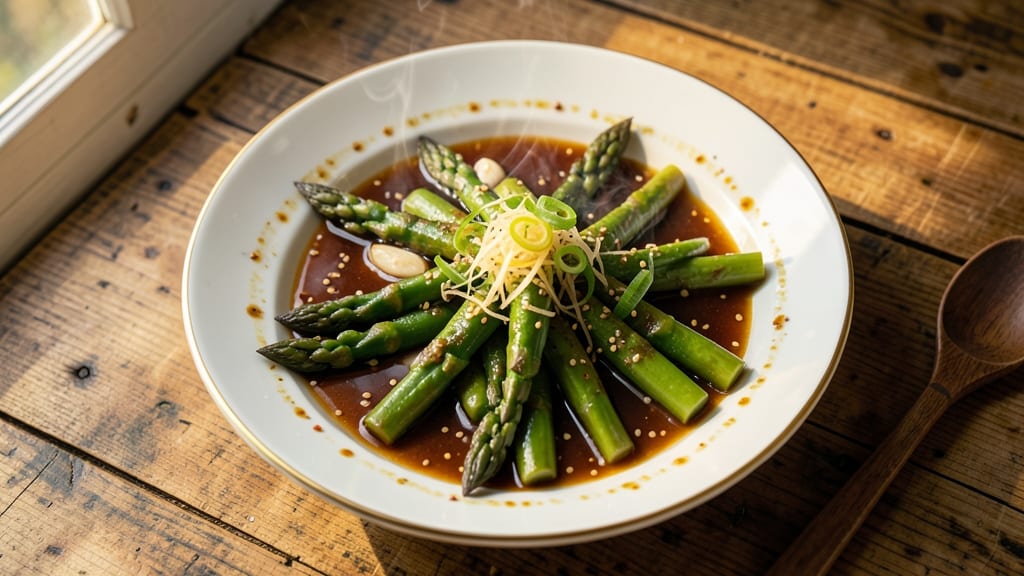
This asparagus in oyster sauce recipe delivers restaurant-quality umami depth in just 15 minutes—no complicated techniques required. The secret lies in balancing oyster sauce's rich, salty-sweet flavor with garlic, ginger, and a touch of soy for depth.
I developed this stir-fry after realizing how often asparagus gets overlooked as a side dish when it deserves star treatment.
What makes this recipe special is how the sauce transforms simple asparagus into something bold and satisfying. The stir-fry method ensures crisp-tender spears while the sauce caramelizes slightly, creating pockets of flavor.
Unlike many recipes that rely on heavy cream or butter, this version keeps things light yet deeply flavorful—perfect for weeknight dinners or quick lunches.
By the time you plate this dish, you'll have vibrant green asparagus glistening with a glossy, savory-sweet sauce that clings to every spear. The aroma alone—garlicky, slightly smoky, with that unmistakable umami kick—will have everyone at the table asking for seconds.
It pairs beautifully with steamed rice, shrimp, or even a simple protein like chicken breast.
This recipe is foolproof for home cooks: minimal prep, one pan, and no fancy ingredients. The oyster sauce does most of the work, while the aromatics (garlic, ginger, and scallions) add layers of complexity.
Whether you're serving this as a side or a main, it's a game-changer for elevating asparagus from ordinary to extraordinary.
Ingredients for asparagus in oyster sauce
This stir-fry transforms humble asparagus into a restaurant-worthy dish with bold umami depth.
| Ingredient | Amount | Notes |
|---|---|---|
| Fresh Asparagus Spears 🥬 | 1 ½ lb | Trim woody ends, keep spears whole |
| Oyster Sauce 🍜 | ½ cup | High-quality, umami-rich variety |
| Garlic Cloves 🧄 | 4 cloves | Minced, for aromatic depth |
| Fresh Ginger 🌿 | 1 tbsp | Finely grated, aromatic base |
| Light Soy Sauce 🥢 | 2 tbsp | For balanced saltiness |
| Sesame Oil 🫒 | 1 tsp | Toasted, for nutty aroma |
| Scallions 🧅 | 3 whole | Thinly sliced, for freshness |
| Vegetable Oil 🫒 | 2 tbsp | High smoke point for stir-fry |
| Brown Sugar 🍯 | 1 tbsp | Enhances sauce sweetness |
| Cornstarch 🌾 | 1 tsp | For sauce thickening |
| Sesame Seeds 🌰 | 1 tsp | Toasted, for garnish |
| Salt 🧂 | ½ tsp | Kosher or sea salt |
| White Pepper 🌶️ | ¼ tsp | Freshly ground for subtle heat |
| Lemon Wedges 🍋 | 2 whole | For serving, bright contrast |
The asparagus should be fresh and vibrant, with tight spears and bright green tips—avoid anything woody or yellowing. Whole Foods or Trader Joe's carry the best quality in spring, but any grocery store's produce section will have decent options. Trim the tough ends by snapping them naturally (they'll break cleanly at the tender part). For the oyster sauce, Lee Kum Kee is the gold standard, but Kikkoman or Hinode work well too. Avoid the watery, low-quality versions—look for thick, glossy bottles with umami-forward labels. The garlic and ginger should be freshly minced right before cooking to preserve their volatile oils, which carry most of the flavor.
No oyster sauce? Substitute with a mix of soy sauce and a splash of fish sauce (1 tbsp soy + 1 tsp fish sauce per 2 tbsp oyster sauce), though it won't replicate the exact depth. For a vegetarian version, mushroom sauce or coconut aminos can work, but the umami will be milder. The sesame oil is non-negotiable for aroma—toasted sesame oil from Trader Joe's or Costco is the best value. If you're short on time, pre-minced garlic and ginger from the freezer section works, though fresh is always superior. The brown sugar adds a subtle caramelization to the sauce, so don't skip it—coconut sugar or maple syrup can substitute in a pinch.
Asparagus keeps best in the fridge, 3-5 days, stored upright in a glass with an inch of water (like flowers) to maintain crispness. The oyster sauce and sesame oil should be refrigerated after opening, with the sesame oil stored in a cool, dark place to prevent rancidity. This dish reheats beautifully—2 minutes in a wok or skillet over medium heat with a splash of water to restore moisture. For meal prep, store components separately: sauce in one container, asparagus in another, and toss together when ready to eat. The lemon wedges should be added fresh at serving to prevent the sauce from turning bitter.
Why You'll Love This Recipe
- One-Pan Magic: I swear by this recipe when I’m too tired to wash dishes—just toss the asparagus in a hot pan, add the minced garlic and ginger, and let the oyster sauce do the rest. No extra bowls, no fuss, just clean-up simplicity.
- Umami Bomb: That first bite? The oyster sauce clings to the asparagus like a hug, while the garlic and ginger add a sharp, bright punch. It’s the kind of flavor that makes you reach for seconds without even thinking.
- Office Lunch Hero: Between us, this is my go-to for meal prep—it reheats like a dream and still tastes fresh hours later. Pack it cold or warm, and you’ve got a restaurant-quality side that won’t wilt in your lunchbox.
- Budget Flex: Fresh asparagus might seem pricier, but a single bunch stretches far when paired with this sauce. I’ve fed four people for under $10, and honestly? They never complain about the leftovers.
Step-by-step instructions for asparagus in oyster sauce
Master this quick stir-fry technique for vibrant asparagus with rich umami depth.
Prepare the Asparagus and Aromatics
Trim the woody ends from the 1.5 lb fresh asparagus spears by bending each spear until the tough base snaps naturally. Keep the spears whole for even cooking. In a small bowl, combine the 4 cloves minced garlic cloves, 1 tbsp finely grated fresh ginger, 0.5 tsp salt, and 0.25 tsp freshly ground white pepper. This aromatic blend will infuse the asparagus with deep flavor during cooking.
Thinly slice the 3 whole scallions, separating the green and white parts. The whites will cook down and add subtle sweetness, while the greens provide fresh brightness at the end. Keep these separate until needed—adding them too early will make them bitter.
Create the Sauce Base
In a small mixing bowl, whisk together the 0.5 cup oyster sauce, 2 tbsp light soy sauce, 1 tbsp brown sugar, and 1 tsp cornstarch. The cornstarch acts as a natural thickener, ensuring the sauce coats the asparagus beautifully. Let the mixture sit for 2-3 minutes while you prepare the asparagus—this allows the cornstarch to hydrate and creates a smoother sauce texture.
In a separate small bowl, combine 1 tsp sesame oil with the prepared garlic-ginger mixture. This creates an aromatic oil that will enhance the sauce's depth. Set aside—you'll add this to the pan just before finishing the dish.
Stir-Fry the Asparagus
Heat a large wok or skillet over high heat until a drop of water evaporates instantly when sprinkled in. Add the 2 tbsp vegetable oil and swirl to coat the pan evenly. When the oil shimmers but isn't smoking, add the asparagus in a single layer. Cook undisturbed for 2-3 minutes until the spears develop golden-brown char marks along their edges.
Stir the asparagus occasionally with tongs, working quickly to prevent overcrowding. You want the spears to remain vibrant green with just a hint of crisp-tender texture—not mushy. The high heat is crucial here; it preserves the asparagus's natural sweetness while developing that essential caramelized flavor.
Finish with Sauce and Garnish
Pour the sauce mixture into the pan and immediately stir to combine with the asparagus. Cook for 1-2 minutes until the sauce thickens and coats the spears evenly. The cornstarch should create a glossy, velvety consistency—if it thickens too quickly, add 1-2 tablespoons of water to adjust.
Remove the pan from heat and stir in the garlic-ginger sesame oil mixture. The aroma will intensify dramatically as the flavors meld. Sprinkle the dish with 1 tsp toasted sesame seeds and the sliced scallions, reserving the green tops for garnish. Serve immediately with the 2 whole lemon wedges on the side for a bright contrast.
Pro Tips For Making Asparagus In Oyster Sauce
- Trim the Tough Ends: Snap the asparagus stalks at a natural break—don’t cut them. The tough lower inch won’t soften, and it ruins the texture. If you’re lazy and cut, peel the bottom afterward, but snapping is faster and cleaner.
- Bloom the Aromatics: Sauté minced garlic and ginger in oil until fragrant but not brown—just 30 seconds. Overcooking turns them bitter, and you’ll taste it in every bite. Keep the heat medium-low and stir constantly.
- Salt Before Sauce: Toss the asparagus with a pinch of salt right after blanching. It crisps the edges slightly and balances the sweetness of the oyster sauce. Skip this, and the dish tastes flat, even if the sauce is perfect.
- Simmer, Don’t Boil: Reduce the heat to a gentle simmer once the oyster sauce hits the pan. Boiling thickens it into a gluey mess. Stir often and let it coat the asparagus evenly—it should glaze, not clump.
Perfect pairings for this recipe
Rice Pairing Perfection
Steamed jasmine rice is my go-to base for this dish—its delicate floral aroma complements the sauce's umami depth beautifully. I use 1 cup uncooked jasmine rice per serving, cooked in a 1:1.25 rice-to-water ratio with a pinch of salt.
For extra flair, add ½ tsp toasted sesame seeds to the rice while it steams. 🍚
For a heartier option, try brown rice or forbidden black rice—both add nutty depth that stands up to the sauce's richness. I like Lundberg Family Farms jasmine rice for its consistent texture and Trader Joe's black rice for its striking presentation.
Serve the asparagus over the rice and drizzle with any leftover sauce from the pan.
Protein Elevations
Add 6-8 oz shrimp sautéed in 1 tsp sesame oil with ½ tsp white pepper for a quick seafood upgrade. Toss the shrimp with the asparagus in the final 2 minutes of cooking.
For chicken lovers, use 4 oz boneless breast, sliced thinly and cooked separately before combining with the asparagus. 🍤
Vegetarians can incorporate extra-firm tofu pressed for 20 minutes and pan-fried until golden. Add 1 tsp cornstarch to the tofu before cooking to help it crisp. The tofu absorbs the sauce beautifully, creating a satisfying protein alternative. I recommend Nasoya Super Firm Tofu for best results.
Drink Pairings
A crisp green tea, like Jasmine Pearl from Harney & Sons, balances the dish's richness with its floral notes. For a refreshing twist, serve chilled sparkling water with lemon—the effervescence cleanses the palate between bites. 🍵
White wine enthusiasts should opt for a dry Riesling from Germany, such as Dr. Loosen Blue Slate. The wine's acidity cuts through the sauce's sweetness while complementing the asparagus's natural sweetness. Avoid heavy reds—they'll overpower the delicate flavors.
Garnish Enhancements
Fresh cilantro leaves add a bright, herbaceous contrast to the dish's umami profile. I like to sprinkle 1 tbsp chopped cilantro over the finished asparagus just before serving. For a smoky touch, add ½ tsp smoked paprika to the sauce mixture during the last minute of cooking. 🌿
Crispy fried shallots from Trader Joe's provide a textural crunch that elevates the dish. Scatter 1 tsp fried shallots) over the top along with the sesame seeds. If you're feeling adventurous, a drizzle of chili oil adds subtle heat and visual drama.
Nutrition facts
Frequently asked questions
Can I use frozen asparagus instead of fresh?
Fresh asparagus gives the best texture, but frozen works in a pinch! Thaw completely and pat very dry before cooking to prevent excess moisture. Expect slightly softer spears—add 1 extra minute to the stir-fry time to crisp them up. For best results, choose "cut asparagus" spears (not whole stalks) to mimic fresh prep.
How do I adjust the sauce for spicier heat?
Add ½ tsp chili flakes or 1 tsp sriracha to the sauce mixture before combining with asparagus. For deeper heat, stir in 1 tsp chili oil at the very end. Start with small amounts—oyster sauce is already rich, so balance carefully. If using fresh chili, remove seeds for milder heat.
Can I make this recipe without oyster sauce?
Yes! Mix 3 tbsp soy sauce + 1 tbsp fish sauce + 1 tsp brown sugar + ½ tsp cornstarch for a similar umami base. For vegetarian, use 2 tbsp mushroom sauce + 1 tbsp coconut aminos + ½ tsp sugar. The flavor won't be identical, but the technique remains the same.
Why did my sauce turn too thick?
Cornstarch thickens quickly when exposed to heat! If your sauce clumps, whisk in 1-2 tbsp warm water immediately. For next time, reduce cornstarch to ½ tsp or make a slurry (mix cornstarch with water first) before adding. Always stir constantly during the last 1-2 minutes of cooking.
How long can I store leftovers?
Store in an airtight container in the fridge for up to 3 days. Reheat gently in a skillet over medium heat with 1 tbsp water to restore moisture. The sauce may separate slightly—stir vigorously to recombine. For best texture, eat within 2 days for optimal crispness.