
Sauces & Condiments
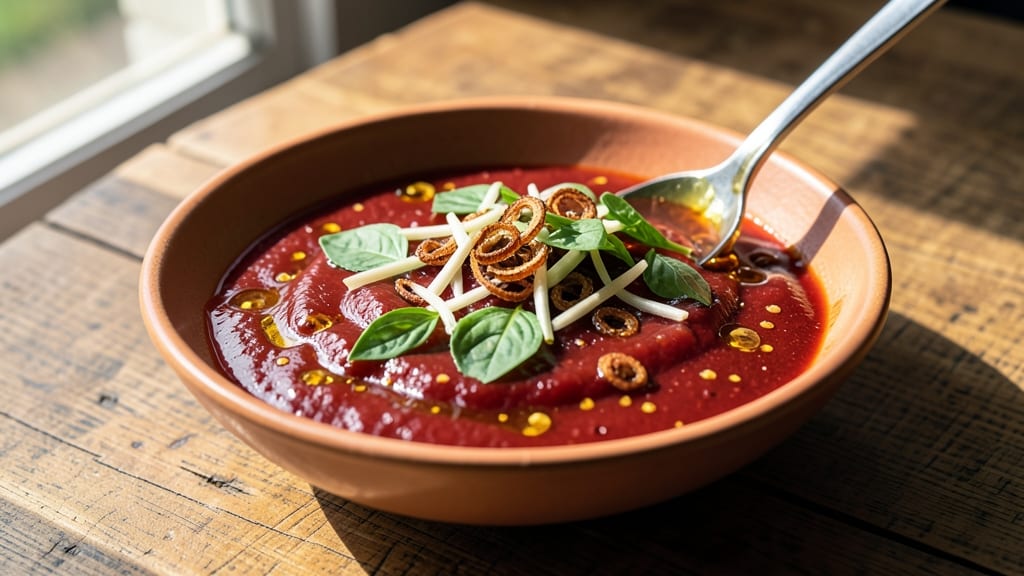
This Asian tomato sauce recipe transforms simple ingredients into a versatile, umami-rich sauce that bridges the gap between sweet and savory flavors. 🌟 The foundation—a fragrant blend of garlic, ginger, and fresh tomatoes—builds depth while soy sauce and a touch of honey create that signature sweet-savory harmony.
I developed this sauce after craving the complexity of Southeast Asian flavors without the complexity of traditional recipes, and it’s now my go-to for elevating everything from stir-fries to noodle bowls.
The beauty of this sauce lies in its simplicity: just 10 minutes of active prep, followed by a 30-minute simmer that lets the flavors meld into a thick, glossy consistency. No fancy techniques required—just a pot, a whisk, and patience.
The aromatics (garlic and ginger) are sautéed until fragrant but never bitter, while the tomatoes break down into a velvety base. A splash of rice vinegar brightens the finish, balancing the richness.
What you’ll end up with is a versatile sauce that works as a marinade, stir-fry glaze, or noodle dressing—each use revealing a new dimension of its flavor.
The sauce keeps well in the fridge for up to 2 weeks or freezes for 3 months, making it a pantry staple for quick weeknight meals.
Whether you’re tossing it with ramen, drizzling over grilled chicken, or using it as a dip for spring rolls, this sauce delivers restaurant-quality depth with minimal effort.
For extra depth, stir in a spoonful of miso paste or a dash of chili flakes before serving. The possibilities are endless, but the method remains foolproof—perfect for both beginners and seasoned cooks. Let’s make this sauce!
Ingredients for asian tomato sauce
Ten simple ingredients crafting restaurant-quality depth in one versatile sauce.
| Ingredient | Amount | Notes |
|---|---|---|
| Extra-Virgin Olive Oil 🫒 | 2 tbsp | High-quality, fruity variety |
| Fresh Garlic Cloves 🧄 | 4 cloves | Minced for aromatic base |
| Fresh Ginger 🌿 | 2 tbsp | Finely grated, no skin |
| Medium Tomatoes 🍅 | 2 cups | Chopped, vine-ripened preferred |
| Light Soy Sauce 🥄 | ¼ cup | Kikkoman or similar |
| Honey 🍯 | 1 tbsp | Wildflower or clover |
| Rice Vinegar 🍶 | 1 tbsp | Seasoned preferred |
| Sesame Oil 🌰 | 1 tsp | Toasted for aroma |
| Cornstarch 🌾 | 1 tsp | For thickening |
| Diamond Crystal Kosher Salt 🧂 | ½ tsp | Adjust to taste |
The ginger and garlic are non-negotiable—they build the aromatic backbone. Fresh ginger from the produce section (not the jarred kind) gives the best zing, and Costco or Trader Joe's often have the freshest. For garlic, elephant garlic if you're feeling fancy, but regular cloves work perfectly fine. The tomatoes? Vine-ripened makes all the difference—skip the bland grocery store ones. I always grab a handful of heirloom tomatoes when they're in season, but regular beefsteak works too. The soy sauce should be light, not dark—Kikkoman or Pearl River Bridge are my go-tos, but any good-quality light soy will do.
No fresh ginger? Powdered ginger at half the amount works in a pinch, but trust me, fresh is better. Short on tomatoes? Canned San Marzano tomatoes (drained well) are a solid swap—they're sweeter and less acidic. The honey can be swapped for maple syrup if you're avoiding it, but honey's floral notes really tie everything together. Sesame oil is optional but adds that signature nutty aroma—Kadoya is my favorite brand. For extra umami, a splash of fish sauce (just a teaspoon) would work, but since this is a vegetarian-friendly base, we're skipping it here. The cornstarch is key for that glossy finish—don't skip it unless you're okay with a thinner sauce.
This sauce thickens as it cools, so don't over-thicken it. Store in a glass jar in the fridge for up to 2 weeks—the flavors actually get better over time. Freezes beautifully for 3 months too, though the texture might separate slightly. If that happens, just give it a quick stir before using. I always make double batches because it disappears fast—great for meal prep. The sauce keeps its vibrancy longer if you pour a thin layer of olive oil on top before sealing.
Why You'll Love This Recipe
- Pantry-Friendly Magic: I swear by this sauce because it uses what I always have—olive oil, garlic, and tomatoes—plus a splash of soy sauce for that umami kick. No fancy ingredients, no last-minute grocery runs, just pure flavor from your kitchen staples.
- Ginger-Garlic Zing: That fresh ginger and minced garlic? They’re the secret weapons here. The sauce starts bright, then deepens into something warm and slightly spicy—like a hug for your taste buds, but make it savory. (Yes, even on a Tuesday night.)
- Sauce for Everything: Drizzle it over noodles, toss it with rice, or use it as a dip—this stuff works. I’ve even thrown it into scrambled eggs for a quick, flavor-packed breakfast. It’s the kind of sauce that makes lazy meals feel intentional.
- Leftovers That Don’t Suck: Unlike so many sauces that turn sad after day two, this one actually improves in the fridge. The flavors meld, and the acidity mellows out, making it even better for sandwiches or as a quick pasta topping. Budget win, time win.
Step-by-Step instructions for Asian tomato sauce
This sauce comes together faster than you'd think—simple steps, bold flavors.
🍳 Step 1: Build the Garlic-Ginger Base
Heat the 2 tbsp extra-virgin olive oil in a medium saucepan over medium-low heat. Add the 4 cloves minced garlic and 2 tbsp finely grated ginger, stirring constantly for 1-2 minutes until fragrant but not browned. Watch closely—ginger burns faster than garlic, so keep the heat gentle.
Here's the thing—this aromatic base is where all the magic happens. If you smell it burning, reduce heat immediately and start over. The goal is a golden, fragrant paste that forms the flavor foundation for the entire sauce.
🍳 Step 2: Simmer Tomatoes Until Broken Down
Add the 2 cups chopped tomatoes to the pan, stirring to coat the garlic and ginger completely. Increase heat to medium-high and bring to a gentle boil. Once boiling, reduce heat to medium-low and let it simmer uncovered for 8-10 minutes, stirring occasionally.
You'll see the tomatoes start to break down and release their juices. That's exactly what you want—they should reduce to about ¾ cup of thickened tomato purée. If the sauce gets too thick too soon, add 1-2 tablespoons water to keep it moving.
🍳 Step 3: Balance Flavors with Sweet and Tangy Elements
Stir in the 0.25 cup light soy sauce, 1 tbsp honey, and 1 tbsp rice vinegar. Let the mixture simmer for another 3-4 minutes until the flavors meld together. Taste and adjust seasoning with the 0.5 tsp Diamond Crystal kosher salt—this is where you fine-tune the sweet-savory balance.
Here's where it gets fun—toss in the 1 tsp toasted sesame oil and give it one final stir. The nutty aroma should waft through your kitchen. If you want extra depth, add a pinch of red pepper flakes now for subtle heat.
⏰ Step 4: Thicken to Perfect Sauce Consistency
In a small bowl, whisk together the 1 tsp cornstarch with 2 tablespoons water to create a slurry. Slowly pour this into the simmering sauce while stirring constantly. Let it cook for 2-3 minutes until the sauce thickens to your desired consistency—it should coat the back of a spoon but still be pourable.
Real talk: don't rush this step. The sauce needs time to thicken properly. If it's too thin, add another ½ teaspoon cornstarch mixed with water. If it's too thick, thin it with 1 tablespoon water at a time until perfect.
🍽️ Step 5: Finish and Serve Warm
Remove the pan from heat and let the sauce sit for 1-2 minutes to settle. Give it one final taste and adjust seasoning if needed. This sauce is versatile—drizzle over noodles, use as a dipping sauce, or serve with grilled meats. The flavors develop even more as it cools, so don't be afraid to let it sit for 10 minutes before serving if you have time.
I like to garnish with a sprinkle of fresh cilantro or sesame seeds right before serving. The sauce should be glossy with a perfect balance of sweet, salty, tangy, and umami notes. Store leftovers in the fridge for up to 5 days or freeze for 3 months—it reheats beautifully.
Pro Tips For Making Asian Tomato Sauce
- CRUSH THE GARLIC: Slice those cloves thinly—no mincing—so they cook through without turning bitter. I learned this the hard way after burning my mouth on a batch of overbrowned garlic that tasted like medicine.
- SWEAT THE GINGER: Cook the grated ginger in olive oil for 30 seconds before adding garlic. This softens the raw edge and lets the flavor meld into the sauce instead of sitting as a sharp aftertaste.
- SAVE THE SKINS: Don’t peel the tomatoes—just blanch them, peel off the skins, then chop. The skins add body to the sauce and save you from dealing with messy seeds and watery pulp.
- LOW AND SLOW: Simmer the sauce uncovered on medium-low heat for at least 20 minutes. Rushing it with high heat makes the tomatoes split and turn mushy—patience gives you a thick, velvety texture.
Creative variations of this asian tomato sauce
Sweet & Spicy Twist
Add 1 tbsp gochujang (Korean chili paste) when balancing flavors in Step 3 for a fiery kick. The fermented heat pairs beautifully with the sauce’s sweetness—perfect for noodle bowls or grilled meats. For extra depth, stir in ½ tsp grated lime zest at the end. 🌶️
Umami Boost
Swap 2 tbsp miso paste (white or red) for half the soy sauce in Step 3. The fermented funk deepens the sauce’s complexity, especially when paired with 1 tsp fish sauce> for extra umami.
Simmer for 5 extra minutes> to let flavors meld. Ideal for stir-fries or as a dipping sauce.
Creamy Miso Version
Blend ¼ cup coconut milk> with the cornstarch slurry in Step 4 for a silky texture. Add 1 tbsp white miso> to the tomato base in Step 2.
This richer version works wonders over rice or as a marinade for tofu. Garnish with toasted coconut flakes for crunch. 🥥
Herb-Infused Variations
Finely chop 2 tbsp cilantro or Thai basil> and stir into the sauce in Step 5. For a Thai-inspired twist, add 1 tsp lemongrass paste> (or 2 tbsp minced lemongrass) with the garlic-ginger base. The bright herbs elevate the sauce’s freshness, perfect for seafood dishes.
Smoky Chipotle
Add 1 tsp adobo sauce> (from canned chipotles) when balancing flavors in Step 3. The smoky heat transforms the sauce into a bold glaze for grilled chicken or pork. For extra depth, sprinkle ½ tsp smoked paprika> into the tomato base in Step 2. 🔥
Vegetarian Miso-Ginger
Replace soy sauce with ¼ cup white miso> and add 1 tbsp tahini> to the cornstarch slurry. The nutty, tangy combo creates a luxurious sauce for roasted vegetables or falafel. Garnish with toasted pine nuts> for texture. Perfect for plant-based meals!
Nutrition facts
Frequently asked questions
Can I make this sauce without fresh tomatoes?
Use 1 (14 oz) can crushed tomatoes instead of fresh. Drain them well to remove excess liquid, then proceed with the recipe. For extra richness, add ½ tsp tomato paste when building the garlic-ginger base. The sauce will still develop that same sweet-savory balance, though fresh tomatoes add a brighter acidity.
How do I adjust the thickness of the sauce?
The sauce should coat the back of a spoon but remain pourable. If too thin, whisk ½ tsp cornstarch with 1 tbsp water and stir into the simmering sauce. If too thick, thin with 1 tbsp water at a time. For extra gloss, add 1 tsp sesame oil at the end—it enhances texture without altering thickness.
Can I use this sauce as a marinade?
Yes! This sauce makes an excellent marinade for chicken, tofu, or shrimp. Use it undiluted for 30-60 minutes (chicken/tofu) or 15-20 minutes (shrimp). For extra tenderness, add 1 tbsp olive oil to the marinade. Discard any leftover marinade after use—don’t reuse it for cooking. The sauce’s sweetness caramelizes beautifully on grilled proteins.
Why does my sauce taste too salty?
Light soy sauce is salty, so taste as you go! If needed, balance with ½ tsp honey or 1 tsp rice vinegar to offset saltiness. For a deeper flavor without extra salt, stir in 1 tsp miso paste—it adds umami without increasing sodium. Always adjust gradually to avoid overcorrecting.
How long can I store this sauce?
Store in an airtight glass jar in the fridge for up to 2 weeks—flavors actually improve over time. Freeze for 3 months by portioning into ice cube trays or small containers. Thaw overnight in the fridge; stir well before using. The sauce may thicken further when refrigerated—thin with water if needed.