
Sauces & Condiments
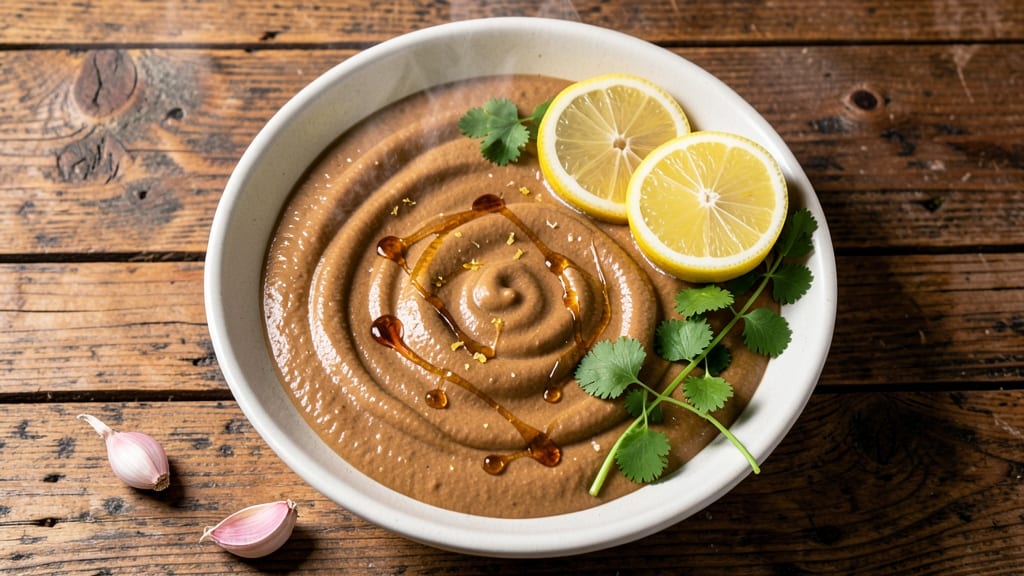
This Asian tahini sauce recipe transforms simple pantry staples into a versatile, nutty-sesame drizzle that elevates everything from grilled vegetables to crispy falafel. The secret lies in balancing tahini’s rich creaminess with bright citrus and aromatic garlic, creating a sauce that’s equally at home as a dip, marinade, or dressing.
I developed this recipe after realizing how often tahini-based sauces were missing from home kitchens—until now.
The foundation of this sauce is high-quality tahini, which provides that signature nutty depth, while lemon juice and rice vinegar introduce the tangy brightness essential for cutting through richness. A touch of maple syrup or agave balances the flavors, ensuring it’s neither too sweet nor too sharp.
What makes this recipe stand out is its adaptability—whether you’re drizzling it over roasted chickpeas or using it as a marinade for tofu, the sauce delivers consistent, restaurant-quality results every time.
What you’ll end up with is a smooth, velvety sauce with just the right amount of cling, perfect for adding moisture and flavor to dishes. The tahini creates a luxurious mouthfeel, while the citrus and garlic add layers of complexity that make it far more interesting than basic tahini dips.
This sauce keeps well in the refrigerator for up to a week, making it an ideal pantry staple for quick meals and last-minute flavor boosts.
Use it as a dip for fresh vegetables, a marinade for grilled meats or tofu, or a dressing for grain bowls and salads. The possibilities are endless, and the process is straightforward—just whisk, taste, and adjust. Here’s how to make it.
Ingredients for asian tahini sauce
High-quality tahini and citrus create this restaurant-worthy sauce with just ten ingredients.
| Ingredient | Amount | Notes |
|---|---|---|
| Tahini 🥜 | ½ cup | High-quality, freshly ground sesame paste |
| Extra-Virgin Olive Oil 🫒 | 0.3 cup | Light, fruity variety for balance |
| Rice Vinegar 🍶 | ¼ cup | Seasoned preferred for depth |
| Fresh Lemon Juice 🍋 | ¼ cup | Strained, no pulp |
| Pure Maple Syrup 🍁 | 2 tbsp | Grade A or B for authentic flavor |
| Garlic Cloves 🧄 | 3 cloves | Fresh, minced to fine paste |
| Fresh Ginger 🌿 | 1 tbsp | Finely grated, peeled |
| Soy Sauce 🍜 | 1 ½ tbsp | Low-sodium preferred for balance |
| Sesame Seeds 🌾 | 1 tbsp | Toasted for garnish |
| Sea Salt 🧂 | ½ tsp | Fine grain, Diamond Crystal preferred |
The tahini is non-negotiable here—look for freshly ground sesame paste at specialty stores like Whole Foods or Trader Joe's, where it’s typically sold in jars. Brands like Al Wadi or Kirkland Signature offer excellent quality without breaking the bank. Freshness matters: if your tahini smells rancid or tastes bitter, it’s past its prime. For the garlic and ginger, organic varieties from the produce section minimize dirt and maximize flavor. The rice vinegar should be seasoned—it adds subtle umami that regular vinegar lacks.
No tahini? Substitute with equal parts peanut butter and water, though texture will differ. Swap maple syrup for agave nectar at a 1:1 ratio if you prefer a neutral sweetness. The soy sauce can be replaced with tamari for gluten-free needs, but reduce by half to avoid overpowering saltiness. For a smoother sauce, strain through a fine-mesh sieve after whisking—cheesecloth works perfectly. If you’re short on time, pre-minced garlic from a jar is acceptable, though fresh is ideal.
This sauce thickens as it sits, so whisk in 1-2 tbsp water if it becomes too stiff. Store in an airtight container in the fridge for up to 1 week, or freeze for 3 months in ice cube trays for single-serving portions. The toasted sesame seeds should be added fresh before serving—they add crunch and visual appeal. For best results, let the sauce sit at room temperature for 10 minutes before using to allow flavors to meld.
Why You'll Love This Recipe
- Five-Ingredient Magic: I swear, this sauce comes together with just a whisk and a bowl—no fancy gadgets, no stress. The tahini and olive oil blend like they’ve been friends forever, while the rice vinegar and lemon juice cut through the richness just right.
- Umami Bomb: That first drizzle of tahini on your dish? It’s like a flavor explosion—nutty, deep, and slightly tangy, all balanced by the bright lemon and just enough sweetness from the maple syrup. Honestly, it’s the kind of sauce that makes you pause mid-bite.
- Dinner Party Hero: Drizzle it over grilled salmon, toss it with roasted veggies, or use it as a dipping sauce for spring rolls—it’s the MVP of any spread. I’ve served it at casual weeknight dinners and fancy gatherings, and no one ever questions why it’s on the menu.
- Budget-Friendly Staple: A small jar of tahini and a bottle of rice vinegar go a long way here. The ingredients are affordable, and since the sauce keeps well in the fridge, I end up using it for days without breaking the bank. Plus, it’s way cheaper than store-bought dressings.
Step-by-step instructions for Asian tahini sauce
This vibrant sauce balances nutty richness with bright acidity—perfect for dipping, drizzling, or dressing.
Whisk Tahini and Olive Oil Until Smooth
In a medium bowl, combine the 0.5 cup tahini and 0.3 cup extra-virgin olive oil. Using a whisk or immersion blender, blend vigorously for 2-3 minutes until completely smooth. Tahini naturally thickens, so don't rush this step—you're breaking down the sesame paste into an emulsion. If the mixture resists blending, add 1 tablespoon warm water to loosen it. The sauce should resemble heavy cream in texture.
Here's the thing—tahini can separate if not emulsified properly. I like to work in batches if needed, ensuring each addition of oil is fully incorporated before adding more. The result should be silky, not grainy, with no visible streaks of oil.
Add Acidic and Sweet Components
Gradually whisk in the 0.25 cup rice vinegar and 0.25 cup fresh lemon juice, alternating between them. This sequential addition prevents the sauce from curdling. After each addition, whisk for 30 seconds to fully incorporate. Next, add the 2 tablespoons pure maple syrup and 1.5 tablespoons soy sauce, whisking constantly to distribute evenly.
The balance of acidity and sweetness is critical here. Taste as you go—if the sauce tastes too sharp, add a touch more maple syrup. If it's too sweet, a splash of extra rice vinegar will cut through it. The final flavor should harmonize nutty, tangy, and umami notes without any single element dominating.
Incorporate Aromatics and Season
Add the 3 cloves minced garlic and 1 tablespoon finely grated ginger, whisking until fully combined. The raw garlic and ginger will mellow as the sauce sits, but they provide essential depth of flavor. Finally, add the 0.5 teaspoon sea salt and whisk until dissolved. The sauce should now be vibrant, with a glossy sheen indicating proper emulsification.
For best results, let the sauce rest for 10 minutes at room temperature. This allows the flavors to meld and the emulsion to stabilize. If you notice any separation after resting, simply whisk vigorously to re-emulsify. The texture should remain smooth and velvety.
Adjust Consistency and Garnish
Taste the sauce and adjust seasoning if needed. For a thinner consistency, gradually add 1-2 tablespoons warm water while whisking. For a thicker sauce, chill it for 15 minutes—cold temperatures help tahini-based sauces thicken naturally. The ideal consistency should coat the back of a spoon but still drizzle easily.
Before serving, sprinkle with 1 tablespoon toasted sesame seeds for texture and visual appeal. Store any unused sauce in an airtight container in the refrigerator for up to 5 days, whisking before each use to restore smoothness. This sauce elevates everything from grilled vegetables to fresh spring rolls—its versatility makes it a pantry staple.
Pro Tips For Making Asian Tahini Sauce
- Whisk in stages: Start with just the tahini and a splash of warm water—whisking until smooth prevents lumps. Then add the olive oil and vinegar gradually, or you’ll end up with a gloppy mess that won’t emulsify properly.
- Use room-temperature tahini: Cold tahini thickens like glue and refuses to blend smoothly. Pop the jar in warm water for 10 minutes first—this saves you from scraping the bowl later and ensures a silky texture.
- Balance the acid first: Taste the vinegar and lemon juice separately before mixing. If your rice vinegar is milder, add a tiny extra splash of lemon juice later—this prevents the sauce from tasting flat or overly sweet.
- Finish with a drizzle of oil: After emulsifying, let the sauce sit for 2 minutes, then add a thin stream of olive oil while stirring. This locks in the flavor and gives it that glossy, restaurant-style finish without thinning it out.
Common mistakes when making perfect results
Skipping the Emulsification
Tahini and oil are like oil and water—they resist blending without proper technique. I’ve seen home cooks rush this step and end up with a grainy, streaky sauce. Whisk for at least 2-3 minutes until it reaches a silky, heavy-cream consistency.
If it separates, don’t panic—just whisk in 1 tablespoon warm water and blend again. The key is patience: slow, steady whisking prevents lumps and ensures a smooth finish. 🥜
Using Low-Quality Tahini
Not all tahini is created equal. Store-bought brands with bitter or rancid notes will ruin your sauce. I recommend Al Wadi or Kirkland Signature tahini for their fresh, nutty flavor.
If your tahini smells off or tastes harsh, it’s past its prime. Freshness matters—look for tahini sold in jars at specialty stores, not just the grocery aisle. For best results, use tahini within 3 months of opening and store it in the fridge. 🌾
Adding Ingredients Too Quickly
Dumping all ingredients at once can cause curdling or separation. I learned this the hard way—my first batch turned lumpy when I rushed the rice vinegar. Add acidic ingredients (vinegar, lemon juice) gradually, whisking after each addition.
The same goes for the maple syrup and soy sauce: whisk constantly to prevent clumping. If the sauce looks cloudy, strain it through a fine-mesh sieve for a silky texture. ✨
Ignoring the Resting Time
Skipping the 10-minute rest means missing out on flavor development. The sauce needs time to emulsify fully and for the garlic and ginger to mellow. If you taste it immediately, it’ll seem sharp or raw.
Let it sit at room temperature—this also helps stabilize the emulsion. If it separates after resting, just whisk vigorously to bring it back together. Patience here makes all the difference. ⏳
Over-Salting or Under-Salting
Salt is the glue that ties the sauce together, but it’s easy to misjudge. Start with ½ teaspoon and taste before adding more—soy sauce already contributes saltiness. If it’s bland, add a pinch more; if it’s too salty, thin it with 1 tablespoon water and adjust the seasoning.
The goal is a balanced, harmonious flavor where no single element overpowers. Taste as you go—this sauce is all about personal preference. 🧂
Not Adjusting Consistency
Tahini sauces thicken as they cool, but some recipes need thinning. If your sauce is too stiff, whisk in 1-2 tablespoons warm water until it reaches a drizzling consistency. For extra thickness, chill it for 15 minutes—cold temps help tahini-based sauces set.
The ideal texture should coat the back of a spoon but still flow easily. Don’t guess—adjust based on how you plan to use it (drizzling vs. dipping). 💧
Nutrition facts
Frequently asked questions
Can I make this sauce without tahini?
You can substitute with ½ cup peanut butter (unsweetened) mixed with 2 tablespoons water to thin it, but the flavor will be less authentic. For a closer match, blend ¼ cup almond butter with ¼ cup water until smooth. The nutty base is essential for that signature depth, so avoid oil-only substitutes—they lack the rich, creamy texture.
How long does this sauce keep in the fridge?
This sauce stays fresh for up to 5 days when stored in an airtight container. For longer storage, freeze it in 1-tablespoon portions (using ice cube trays) for up to 3 months
What’s the best way to use leftover sauce?
Use it as a marinade for tofu, chicken, or shrimp (15-30 minutes max to prevent overpowering), a dip for veggie sticks or falafel, or a dressing for grain bowls. Thin with 1-2 tablespoons water if needed for drizzling. The sauce also makes an excellent base for cold noodle salads—just toss with cooked noodles and fresh herbs.
Can I make this sauce spicy?
Add ½ teaspoon red pepper flakes or 1 teaspoon sriracha for heat, adjusting to taste. For a smoky kick, stir in ½ teaspoon smoked paprika. Start with small amounts—tahini’s richness can make spice taste milder than expected. Balance with extra lemon juice if needed to cut through the heat.
Why did my sauce separate?
Separation usually happens from rushed whisking or adding acidic ingredients too quickly. Fix it by whisking in 1 tablespoon warm water and blending until smooth. For stubborn separation, strain through a fine-mesh sieve lined with cheesecloth. The key is patience—tahini needs time to emulsify properly. Always add oil gradually while whisking vigorously.