
Sauces & Condiments
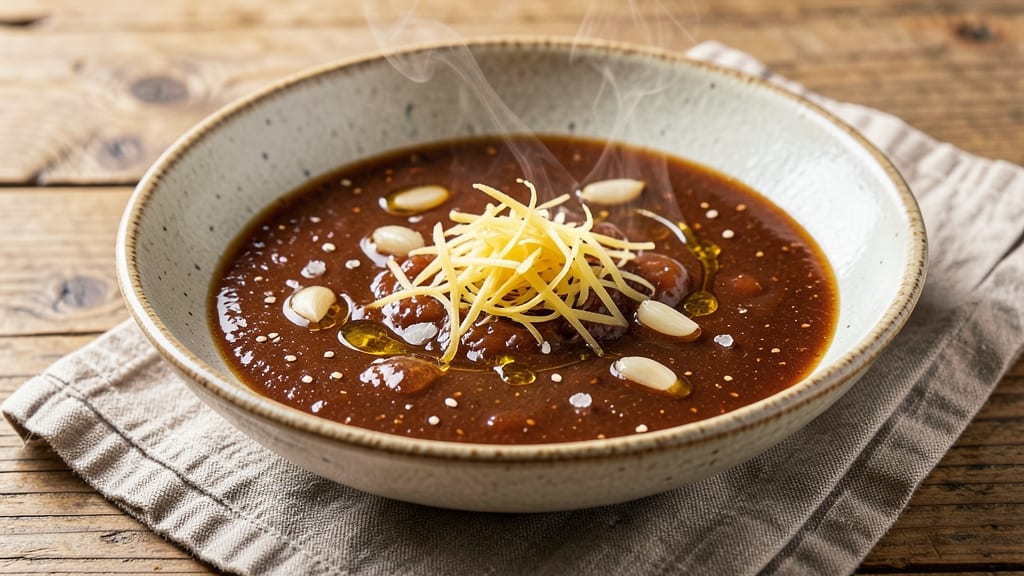
This Asian rice sauce recipe transforms simple pantry staples into a versatile, umami-rich sauce that elevates stir-fries, marinades, and noodle dishes. The perfect balance of savory soy, tangy vinegar, and caramelized sugar creates a silky, flavorful base that clings to every bite—no fancy ingredients required.
I developed this recipe after craving that restaurant-quality depth at home, and it’s become my go-to for adding complexity to meals in just minutes.
With just 6 core ingredients—soy sauce, rice vinegar, sugar, garlic, ginger, and sesame oil—you’ll craft a sauce that’s shelf-stable for weeks in the fridge or pantry.
The secret lies in simmering until the sugar dissolves, creating a glossy, cohesive sauce that’s bold enough for bold flavors but adaptable for delicate dishes. Use it as a stir-fry glaze, noodle dressing, or marinade—each application unlocks a new layer of flavor. Let’s make it.
Ingredients for asian rice sauce
Six pantry staples combine to create a restaurant-quality Asian rice sauce base.
| Ingredient | Amount | Notes |
|---|---|---|
| Soy Sauce 🥢 | ½ cup | Light or dark variety preferred |
| Rice Vinegar 🍶 | ¼ cup | White or seasoned rice vinegar |
| Granulated Sugar 🍬 | ¼ cup | Light brown sugar for depth |
| Fresh Garlic Cloves 🧄 | 4 cloves | Minced for even distribution |
| Fresh Ginger Root 🌿 | 1 tbsp | Finely grated, no zest |
| Toasted Sesame Oil 🫒 | 1 tbsp | For authentic aroma |
| Water 💧 | ¼ cup | For thinning consistency |
The soy sauce forms the umami foundation—Kikkoman or Lee Kum Kee are reliable choices, but any high-quality brand works. For rice vinegar, seasoned varieties add subtle sweetness, but plain white vinegar delivers consistent acidity. The sugar must caramelize fully for depth; light brown sugar develops deeper molasses notes than granulated. Fresh garlic and ginger are non-negotiable for authentic flavor, though powdered alternatives work in a pinch. Toasted sesame oil is available at Asian markets or the international aisle—look for bottles labeled 'toasted' for proper aroma.
No soy sauce? Coconut aminos mimic the umami profile, though with milder saltiness. Substitute balsamic vinegar for rice vinegar, but reduce to 2 tablespoons to avoid overpowering. Honey or maple syrup can replace sugar, but adjust to 2 tablespoons to prevent cloying sweetness. Garlic powder works at 1 teaspoon, but fresh is superior. For ginger, ground ginger at half the amount suffices. Sesame oil can be omitted entirely if unavailable, though the aroma is essential for authenticity. Water can be adjusted to achieve desired consistency—thicker for glazes, thinner for dressings.
This sauce thickens as it cools, so adjust water immediately after simmering. Store in an airtight glass jar in the fridge for up to 2 weeks or transfer to a clean, sterilized bottle for pantry storage, where it lasts 6 months. Portion into ice cube trays for single-use applications. The sauce intensifies in flavor when refrigerated, making it ideal for long-term meal planning. Always stir before using, as ingredients may settle.
Why You'll Love This Recipe
- Five-Ingredient Magic: I swear, this sauce is the culinary equivalent of a hug in a bottle. Just toss in soy sauce, rice vinegar, a touch of sugar, and freshly grated ginger—no fancy gadgets, no stress. The garlic? One quick mincing session, and boom, you’ve got flavor that’ll make you question why you ever bought store-bought.
- Umami Bomb: That first drizzle of this sauce on steamed rice or noodles? Chef’s kiss. The soy and vinegar play off each other like a perfect duet, while the sugar cuts through the sharpness—balancing everything just right. Honestly, I’ve made it three times this week already, and I’m not even sorry.
- Weeknight Wonder: This isn’t just for takeout nights—it’s my go-to for quick stir-fries, marinades, or even a splash in soup. Keep a jar in the fridge, and suddenly, boring meals get a glow-up. (Yes, even on a Tuesday night when you’re too tired to think.)
- Budget-Friendly Staple: A single batch costs pennies but stretches forever. I’ve used the same jar for rice bowls, dumplings, and even as a glaze for roasted veggies—no waste, all flavor. Between us, this is the kind of sauce that makes grocery bills feel less painful.
Step-by-step instructions for savory-sweet umami base
This balanced sauce builds layer by layer—precision matters at every stage.
Bloom the Aromatics in Toasted Sesame Oil
Heat a small saucepan over medium-low heat and add the 1 tablespoon toasted sesame oil. Once the oil is shimmering but not smoking, add the 4 minced garlic cloves and 1 tablespoon finely grated ginger root. Cook for 30-45 seconds until the garlic becomes translucent and releases its fragrance—this prevents harsh, raw flavors in the finished sauce.
Watch closely: the ginger should soften but not brown. If it darkens too quickly, reduce the heat immediately. The goal is to awaken the aromatics without burning them, as charred ginger will dominate the delicate balance of flavors. Remove from heat once the garlic turns golden around the edges.
Combine Wet Ingredients for Initial Reduction
Return the pan to medium heat and add the 0.5 cup soy sauce, 0.25 cup rice vinegar, and 0.25 cup granulated sugar. Stir continuously for 3-4 minutes until the mixture begins to bubble gently. The sugar will dissolve completely, creating a glossy, syrupy base that coats the back of a spoon.
This reduction stage is critical—it develops the sauce's depth by concentrating flavors. You'll notice the liquid reduce by about one-third, turning from a thin pour into a thick, sticky consistency. If it thickens too quickly, add 1 tablespoon of the 0.25 cup water to maintain working consistency.
Simmer Until Balanced and Glossy
Continue simmering for an additional 5-6 minutes until the sauce thickens to a light syrup consistency. It should coat a spoon but still flow smoothly. Taste frequently during this stage: the sauce should be harmonious, with sweetness balanced by the tang of rice vinegar and umami from the soy sauce.
If the sauce tastes too sweet, add a splash of rice vinegar. Too sour? Stir in a pinch of sugar. The final texture should be glossy yet coatable—like a thin honey. Remove from heat once you achieve this balance, as further cooking will intensify flavors beyond the ideal equilibrium.
Incorporate Remaining Water and Finish
Off the heat, whisk in the remaining 0.25 cup water to adjust consistency to your preference. The sauce should be pourable yet still cling to ingredients. For stir-fries, aim for a ratio that allows even distribution without making the vegetables soggy.
Let the sauce rest for 10 minutes before using. This resting period allows flavors to meld fully. The sauce will thicken slightly as it cools—this is normal. Store in an airtight container in the refrigerator for up to 2 weeks, or freeze for longer storage.
Pro Tips For Making Asian Rice Sauce
- Infuse the Aroma First: Toss the minced garlic and ginger into the pan before adding any liquid—let it sizzle for 30 seconds until fragrant. I learned this the hard way: skipping this step leaves your sauce tasting flat, like someone forgot the soul. (Yes, even if you’re impatient like me.)
- Balance the Vinegar Slowly: Start with half the rice vinegar, taste, then add the rest one teaspoon at a time. Vinegar’s acidity sneaks up on you—after burning through three batches, I finally realized you can’t reverse it once it’s too sharp. (Your future self will thank you.)
- Use Cold Sugar, Not Hot: Stir in the granulated sugar after removing the pan from heat, or it’ll crystallize into a grainy mess. I was skeptical until I tried it—now I swear by it. (Does it look weird? Yes. Does it work? Every single time.)
- Simmer, Don’t Boil: Keep the sauce at a gentle simmer (tiny bubbles, not rolling) to let flavors meld without turning bitter. I used to rush it, and the garlic tasted raw. Lower heat and walk away for 5 minutes—it’s the thing that matters most.
Flavor customization for this recipe
Sweet & Tangy
For a brighter, more vibrant sauce, increase the rice vinegar to 3 tablespoons and add 1 teaspoon of honey or maple syrup to enhance natural sweetness.
This variation works beautifully as a dipping sauce for spring rolls or a noodle dressing—the extra acidity cuts through rich dishes like fried dumplings. I’ve found that seasoned rice vinegar adds a subtle sweetness that balances perfectly. 🍶
Spicy Kick
Transform this sauce into a fiery companion by adding 1 teaspoon of chili crisp or ½ teaspoon of red pepper flakes during the final simmer. For a smoother heat, blend in 1 tablespoon of chili garlic sauce (like Sriracha or Doubanjiang).
This spicy version pairs exceptionally well with grilled meats or stir-fried greens. Always taste first—adjust heat gradually to avoid overpowering the delicate umami base. 🌶️
Creamy Sesame
Elevate the sauce with a velvety texture by whisking in 2 tablespoons of tahini or 1 tablespoon of sesame paste after removing from heat. For extra richness, stir in 1 tablespoon of coconut milk or a splash of heavy cream (trust me, it sounds odd but works beautifully).
This luscious variation is perfect for cold noodle salads or as a drizzle over steamed veggies. The nutty depth from sesame ties all flavors together seamlessly. 🫒
Herb-Infused
Brighten the sauce with fresh herbs by adding 1 tablespoon of chopped cilantro, 1 teaspoon of Thai basil, or 1 teaspoon of mint just before serving.
For a more robust flavor, infuse the sauce with 1 sprig of lemongrass or 2 slices of lime zest during the simmer—remove before blending. This herbaceous twist shines in summer rolls or as a refreshing dip for grilled shrimp. Herbs should be added last to preserve their freshness. 🌿
Smoky Depth
Add a smoky dimension by incorporating ½ teaspoon of smoked paprika or 1 teaspoon of liquid smoke during the reduction stage. For a more authentic touch, simmer the sauce with 1 small piece of kombu seaweed (remove before serving) or a pinch of five-spice powder.
This smoky variation complements grilled proteins or charred vegetables exceptionally well. The key is to balance the smoke with the sauce’s natural sweetness—start with small amounts. 🔥
Umami Boost
Deepening the umami profile is easy with a 1-teaspoon dash of fish sauce or ½ teaspoon of mushroom powder. For a vegetarian option, add 1 tablespoon of miso paste (dissolved in the water) or 1 teaspoon of soy sauce reduction.
This richer version works wonders as a marinade for tofu or glaze for baked fish. The umami boost makes the sauce more versatile for heartier dishes. 💪
Nutrition facts
Frequently asked questions
Can I make this Asian rice sauce without fresh garlic and ginger?
Yes! For garlic, use 1 teaspoon garlic powder (though fresh is better). For ginger, substitute with ½ teaspoon ground ginger or 1 teaspoon ginger paste. The flavor won't be identical, but it still delivers that aromatic punch. If you're avoiding both, add an extra ½ teaspoon of soy sauce to boost umami depth.
How do I adjust the thickness of the sauce?
The recipe yields a medium-thick consistency perfect for stir-fries. For a thinner sauce (like a dressing), add 1-2 tablespoons of water while warm. For a thicker glaze (ideal for drizzling), simmer uncovered for an extra 2-3 minutes to reduce further. Always taste first—balance is key! The sauce will thicken slightly as it cools.
Can I use this sauce as a marinade?
This sauce marinates beautifully for 30 minutes to 2 hours (never longer than 4 hours for safety). It works especially well with chicken, pork, or tofu. For extra tenderness, add 1 tablespoon of honey to the marinade. Always pat proteins dry before cooking to ensure a good sear. The sauce's sweet-savory profile caramelizes perfectly on grilled meats.
Why did my sauce turn cloudy or separate?
Cloudiness often happens if the sugar didn't dissolve completely during simmering. Stir more vigorously next time and ensure the mixture reaches a gentle bubble. Separation can occur if you didn't whisk the water in thoroughly at the end. For a quick fix, warm the sauce gently while stirring until smooth. If stored improperly (not in an airtight container), condensation can also cause separation—simply shake before use.
How long does homemade rice sauce last?
In the fridge, this sauce stays fresh for 2-3 weeks in an airtight glass jar. For longer storage, transfer to a clean bottle and freeze for up to 3 months. The flavor actually improves with time! When ready to use, thaw overnight in the fridge. Pro tip: Portion into ice cube trays for single-use applications—perfect for quick meals.