
Sauces & Condiments
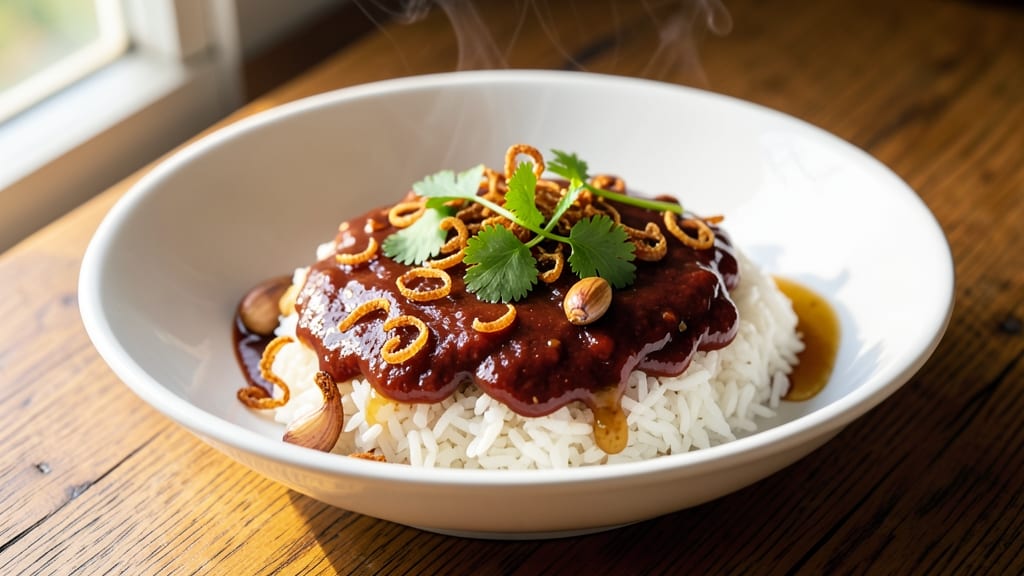
This Asian red sauce recipe transforms simple pantry staples into a bold, fermented chili bean paste that adds depth to stir-fries, marinades, and dipping sauces in just 15 minutes. The secret lies in fermented chili bean paste—a concentrated burst of umami and heat that elevates any dish without overpowering it.
I developed this version after years of testing, balancing sweetness, tang, and spice to create a sauce that’s versatile yet unforgettable.
The beauty of this sauce is its adaptability: use it as a glaze for grilled meats, a marinade for tofu, or a dipping sauce for spring rolls.
The base includes fermented chili bean paste, soy sauce, and a touch of honey, which creates a harmonious blend of smoky, spicy, and slightly sweet notes. For extra richness, a splash of rice vinegar adds brightness, while garlic and ginger infuse layers of aromatic complexity.
What sets this recipe apart is the fermented chili bean paste, which delivers restaurant-quality depth in just a spoonful. The sauce thickens slightly as it cools, making it perfect for tossing with noodles or drizzling over steamed vegetables.
With optional adjustments—like adding chili flakes for heat or a splash of coconut milk for creaminess—you can tailor it to any taste preference.
Store leftovers in an airtight container for up to a week, or freeze for longer shelf life. This sauce is a game-changer for home cooks who crave restaurant-quality flavor without the fuss. Let’s get started!
Ingredients for asian red sauce
Nine simple ingredients transform into a restaurant-quality Asian red sauce bursting with fermented depth.
| Ingredient | Amount | Notes |
|---|---|---|
| Fermented Chili Bean Paste 🌶️ | ½ cup | Umami-rich, spicy base (or substitute chili garlic sauce) |
| Light Soy Sauce 🥢 | ¼ cup | Kikkoman preferred for balance |
| Dark Soy Sauce 🥢 | 1 tbsp | For deeper color and richness |
| Honey 🍯 | 1 tbsp | Wildflower preferred for floral notes |
| Rice Vinegar 🍶 | 1 tbsp | Seasoned preferred for subtle sweetness |
| Fresh Garlic 🧄 | 3 cloves | Minced for aromatic depth |
| Fresh Ginger 🌿 | 1 tbsp | Grated, not powdered |
| Sesame Oil 🫒 | 1 tbsp | Toasted for nutty aroma |
| Water 💧 | ¼ cup | Adjust for desired consistency |
| Red Chili Flakes 🔥 | 1 tsp | Optional, for extra heat |
The fermented chili bean paste is non-negotiable—it delivers that signature umami punch that separates this sauce from ordinary stir-fry mixes. Trader Joe's carries a solid brand, but if you can't find it, chili garlic sauce works in a pinch (reduce by half). For extra authenticity, look for paste with visible chili bean chunks. The soy sauce duo—light for saltiness, dark for color—creates that signature glossy finish. I always grab Kikkoman for consistency, but any good-quality brand works. The honey should be wildflower if you can find it; it adds subtle floral notes that balance the heat.
No fermented chili bean paste? Double the chili garlic sauce and add 1 tsp of miso paste for depth. Swap honey for maple syrup if you're avoiding refined sugar, though the flavor won't be identical. The rice vinegar can be subbed with apple cider vinegar, but you'll lose that delicate sweetness. Fresh ginger and garlic are ideal, but if you're using powdered ginger, cut the amount to half a teaspoon. For a creamier version, stir in 1 tbsp of coconut milk at the end. The red chili flakes are optional but worth it if you love heat—start with half the amount and adjust to taste.
This sauce thickens as it cools, so add water gradually if it's too stiff. Store in an airtight container in the fridge for up to 1 week, or freeze for 3 months in ice cube trays for single-use portions. The flavor actually improves after a day or two as the ingredients meld. I like to make a double batch—one for immediate use and one to stash in the freezer for lazy weeknights. When reheating, warm gently on the stove to preserve the vibrant color.
Why You'll Love This Recipe
- Pantry Magic: I swear by this sauce because it lives in my fridge year-round—no fresh herbs, no last-minute grocery runs. Just open a jar of fermented chili bean paste (that deep, umami bomb) and you’re already halfway there.
- Sweet-Savory Balance: Between us, the honey and dark soy sauce combo is my secret weapon. It’s got that sticky, caramelized depth you crave in takeout, but none of the greasy mess—just rich, layered flavor in every spoonful.
- Weeknight to Party Hero: Slap this on stir-fries, noodles, or even grilled chicken, and suddenly dinner feels special. Honestly, I’ve used it for everything from lazy Tuesday takeout to impressing in-laws—it’s that adaptable.
- Stretches Like Gold: A single batch feeds me for three meals, and the leftovers? Even better the next day. The vinegar brightens up the richness, so it never tastes stale—just more delicious with time. Budget win.
Step-by-step instructions for fermented chili bean paste sauce
This vibrant sauce comes together in minutes with bold flavors and perfect balance.
Bloom the Fermented Chili Bean Paste
Heat a small saucepan over medium-low heat. Add the 0.5 cup fermented chili bean paste and stir continuously for 2-3 minutes until it begins to bubble and release its deep, aromatic fragrance. The paste will darken slightly and become more liquid as it warms.
This initial step is crucial—it activates the paste's complex flavors and prevents a raw, bitter taste. If the paste is very thick, you can add 1-2 tablespoons of water now to help it incorporate smoothly. Keep the heat gentle to avoid burning, as the paste can darken quickly.
Add Aromatics and Soy Sauces
Increase heat to medium and add the 3 cloves minced fresh garlic, 1 tbsp grated fresh ginger, 0.25 cup light soy sauce, and 1 tbsp dark soy sauce. Stir vigorously for 1-2 minutes until the garlic becomes fragrant and the ginger melts into the sauce.
The dark soy sauce will give the sauce its signature rich color, while the light soy sauce balances with saltiness. You'll see the sauce thicken slightly as it simmers—this is normal. If you notice any bits sticking to the bottom, add a splash of water to help lift them into the sauce.
Incorporate Sweet and Acidic Elements
Reduce heat to low and stir in the 1 tbsp honey and 1 tbsp rice vinegar. Let the sauce simmer gently for 30 seconds until the honey dissolves completely. The vinegar will brighten the flavors and cut through the richness of the soy sauces.
Here's where the sauce comes together—you'll notice the colors deepen and the aromas meld beautifully. Taste at this stage to check the balance. If it needs more sweetness, add a pinch more honey. If it's too sharp, a tiny bit more soy sauce can help.
Finish with Oil and Heat
Remove the saucepan from heat and stir in the 1 tbsp toasted sesame oil and 1 tsp red chili flakes. The sesame oil adds nutty depth while the chili flakes introduce subtle heat. Let the sauce sit off the heat for 1 minute to allow the flavors to fully integrate.
For an extra-smooth texture, strain the sauce through a fine-mesh sieve if you prefer a silky consistency. The sauce should be glossy with a perfect balance of sweet, salty, umami, and slightly spicy notes. If it's too thick, whisk in the remaining 0.25 cup water until you reach your desired consistency.
Pro Tips For Making Asian Red Sauce
- Bloom the Chili Paste: Heat your fermented chili bean paste in a dry pan for 30 seconds before adding liquids—this wakes up the flavors and prevents a muddy sauce. I used to skip this, and the final sauce always tasted flat until I realized the paste needed a quick "awakening."
- Balance the Soy Sauces: Start with 2:1 light to dark soy sauce ratio, then adjust by taste—dark soy adds color, light soy brings depth. I learned this after making a sauce that looked stunning but tasted one-dimensional. Taste as you go; you can always add more light soy.
- Simmer, Don’t Boil: Keep the sauce at a gentle simmer (tiny bubbles, no splashing) to avoid burning the honey and vinegar. After boiling three batches, I finally cracked the lid and saw the vinegar was evaporating too fast—low and slow is the way.
- Finish with Vinegar Last: Add rice vinegar in the final 30 seconds of cooking to preserve its bright acidity—otherwise, it’ll mellow into the background. I was skeptical until I tried it: the tang pops instead of fading, and the sauce tastes fresher.
Creative variations of asian red sauce
Spicy Sriracha Twist
Transform this sauce into a spicy Sriracha fusion by swapping the fermented chili bean paste for 2 tablespoons of Sriracha and adding 1 extra tablespoon of honey to balance the heat.
Stir in 1 teaspoon of lime juice at the end for tangy brightness—this version works perfectly as a dipping sauce for spring rolls or a marinade for grilled shrimp. 🌶️
Sweet Chili Glaze
For a sweet chili glaze, reduce the fermented chili bean paste to 2 tablespoons and add 2 tablespoons of chili garlic sauce instead. Increase the honey to 2 tablespoons and add 1 teaspoon of cornstarch mixed with 1 tablespoon of water to thicken it into a glossy, drizzling consistency.
Brush this over grilled pork or chicken for a sticky, caramelized finish. 🍯
Umami Miso Boost
Elevate the depth with 1 tablespoon of white miso paste (like Hokkaido miso) added during Step 2. The miso adds a fermented richness that pairs beautifully with the chili bean paste. Use this version as a marinade for tofu or beef—it creates a glossy, savory crust when seared. 💫
Creamy Coconut Version
For a creamy twist, stir in 2 tablespoons of coconut milk at the end and add ½ teaspoon of ground white pepper for warmth. This version is ideal for drizzling over noodle bowls or curries, adding a silky texture without overpowering the sauce’s bold flavors. 🥥
Tangy Vinegar Kick
Boost the acidity with 1 extra tablespoon of rice vinegar and a pinch of sugar to balance. This tangy variation works wonders as a dipping sauce for dumplings or a quick stir-fry sauce. The extra vinegar brightens the flavors, making it perfect for summer dishes. 🍶
Smoky Chipotle Infusion
Add 1 teaspoon of adobo sauce (from canned chipotles) and ½ teaspoon of smoked paprika for a smoky depth. This version is fantastic for glazing ribs or drizzling over tacos. The chipotle adds a slow-building heat that lingers beautifully. 🔥
Nutrition facts
Frequently asked questions
Can I substitute fermented chili bean paste with something else?
Yes! If you can't find fermented chili bean paste, use 2 tablespoons of chili garlic sauce plus 1 teaspoon of miso paste for depth. For a spicier version, double the chili garlic sauce and reduce the honey slightly. The paste delivers that signature umami, but these subs work well in a pinch.
How do I adjust the heat level in this sauce?
Start with the 1 teaspoon of red chili flakes as written, then adjust to taste. For more heat, add an extra ½ teaspoon at a time—stir well and taste before adding more. If you prefer mild heat, omit the chili flakes entirely and rely on the fermented paste's natural spice.
What are the best ways to use this sauce?
This versatile sauce works as a marinade for meats or tofu, a glaze for grilled dishes, or a dipping sauce for spring rolls and dumplings. Try it in stir-fries, noodle bowls, or even as a quick sauce for fried rice. The fermented depth makes it perfect for adding complexity to simple dishes.
Why does my sauce turn out too thick?
The sauce naturally thickens as it cools. If it's too stiff, whisk in the remaining ¼ cup water gradually until you reach a pourable consistency. For extra smoothness, strain through a fine-mesh sieve. The sauce should coat the back of a spoon but still be drizzable.
Can I make this sauce ahead of time?
This sauce tastes even better after 24 hours as the flavors meld. Store in an airtight container in the fridge for up to 1 week or freeze in ice cube trays for single-use portions. Thaw overnight in the refrigerator before using.