
Sauces & Condiments
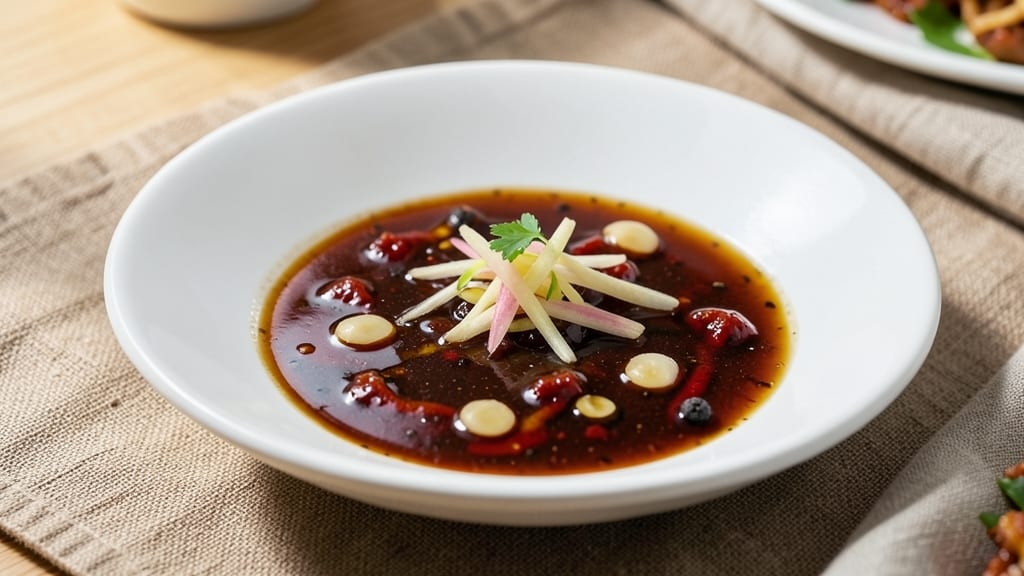
This Asian potstickers sauce recipe transforms ordinary dumplings into a flavor explosion with its fermented chili bean paste heat and deep umami richness.
The key lies in balancing traditional ingredients like soy sauce, garlic, and ginger with a touch of sweetness—creating a sauce that clings perfectly to crispy potstickers while cutting through their richness.
What sets this apart is the chili bean paste, which adds a smoky, slightly funky depth that store-bought sauces simply can't match.
The process is straightforward but precise: simmering the ingredients until they meld into a glossy, aromatic sauce that's neither too sweet nor overwhelmingly spicy. A quick blend ensures smooth texture, while a final adjustment of vinegar brightens the flavors.
This sauce works equally well with pan-fried or steamed potstickers, making it a versatile addition to any Asian-inspired meal.
What you'll end up with is a sauce that's bold yet balanced, with layers of savory, spicy, and slightly sweet notes that elevate every bite. The fermented chili bean paste provides that signature umami punch, while the garlic and ginger add fresh, aromatic complexity.
It's the kind of sauce that turns a simple potsticker dinner into a restaurant-quality experience.
Store any leftovers in the refrigerator for up to a week, or freeze for longer storage—perfect for meal prep or when you want to keep this flavorful sauce on hand. Here's everything you need to create it.
Ingredients for asian potsticker sauce
Ten essential ingredients transform simple potstickers into a restaurant-quality experience.
| Ingredient | Amount | Notes |
|---|---|---|
| Fermented Chili Bean Paste 🌶️ | 2 tbsp | High-quality, smoky variety preferred |
| Light Soy Sauce 🥢 | ½ cup | Kikkoman or similar brand recommended |
| Dark Soy Sauce 🥢 | 1 tbsp | For deeper color and complexity |
| Garlic Cloves 🧄 | 4 cloves | Freshly minced for aromatic punch |
| Fresh Ginger 🌿 | 1 tbsp | Finely grated, skin removed |
| Rice Vinegar 🍶 | 1 tbsp | Seasoned preferred for subtle sweetness |
| Sesame Oil 🫒 | 1 tsp | Toasted sesame oil for nutty aroma |
| Granulated Sugar 🍚 | 1 tbsp | White or brown sugar works |
| Water 💧 | ½ cup | Room temperature preferred |
| Cornstarch 🌾 | 1 tsp | For thickening consistency |
The fermented chili bean paste is non-negotiable—look for Asian markets or specialty stores for the best quality, like Lee Kum Kee or Hinode. This ingredient provides that signature funky, umami depth that separates homemade sauce from store-bought. Fresh garlic and ginger should be vibrant and firm, not shriveled or sprouting. For soy sauces, Kikkoman light and Lee Kum Kee dark are professional-grade choices that deliver balanced saltiness and rich color. The sesame oil should be toasted, not the neutral kind—it adds that nutty aroma that ties everything together.
No fermented chili bean paste? Doubanjiang (spicy bean paste) works in a pinch, though the flavor profile shifts slightly. Substitute 1 tbsp of gochujang for a milder heat, but reduce the sugar slightly to balance sweetness. Fresh ginger can be swapped for 1 tsp ground ginger, though fresh is preferred for brightness. The rice vinegar can be omitted if you're sensitive to acidity, but it brightens the sauce—seasoned vinegar adds a subtle sweetness that complements the umami. For those avoiding sugar, 1 tsp of honey or maple syrup works well, though it alters the texture slightly.
This sauce thickens as it cools, so blend immediately after simmering for the smoothest consistency. Store in an airtight glass jar in the fridge for up to 1 week, or freeze for 3 months in ice cube trays for single-serving portions. The sauce reheats beautifully—simply warm on the stovetop with a splash of water to restore its glossy texture. For meal prep, double the batch and freeze half—perfect for quick weeknight dinners when you're craving that restaurant-quality umami punch.
Why You'll Love This Recipe
- Five-Ingredient Magic: I swear by this combo—just a spoonful of fermented chili bean paste, a splash of soy sauces, and a quick sizzle of garlic and ginger. That’s it. No fancy techniques, no last-minute grocery runs.
- Umami Bomb: Honestly, the chili bean paste alone makes this sauce sing—deep, funky, and slightly sweet. The dark soy adds that glossy, caramelized richness, while the garlic and ginger cut through with bright, punchy heat.
- Potstickers Aren’t the Only Star: Between us, this sauce is my go-to for dumplings, stir-fries, even a quick glaze for tofu. I keep a jar in the fridge because it’s the kind of thing that turns a simple meal into something special.
- Budget-Friendly Powerhouse: A little goes a long way—this sauce stretches across multiple meals without breaking the bank. Plus, the ingredients last forever, so I’m not scrambling for last-minute substitutions.
Step-by-step instructions for fermented chili bean paste sauce
This sauce delivers bold umami and fermented heat that elevates every potsticker bite.
Bloom the Fermented Chili Bean Paste
Heat a small saucepan over medium heat and add the 2 tablespoons fermented chili bean paste. Stir constantly for 1-2 minutes until the paste begins to sizzle and release its deep, smoky aroma. This step develops the paste's complex flavors and removes any raw bitterness.
Watch carefully—the paste will darken as it blooms. If it starts to burn (you'll smell acrid smoke), immediately reduce the heat to low and continue stirring. The paste should coat the back of a spoon with a glossy sheen before moving to the next step.
Build the Sauce Base with Aromatics
Add the 4 minced garlic cloves and 1 tablespoon finely grated fresh ginger to the saucepan. Stir for 30 seconds until fragrant but not browned—garlic burns quickly and becomes bitter. The paste's natural oils will help prevent sticking, but keep the heat at medium-low.
Next, pour in the 0.5 cup light soy sauce and 1 tablespoon dark soy sauce. Stir well to combine, then add the 1 tablespoon rice vinegar and 1 tablespoon granulated sugar. The vinegar brightens the sauce, while the sugar balances the fermented heat. Let the mixture simmer gently for 2-3 minutes until slightly reduced.
Thicken and Finish with Sesame Oil
In a small bowl, whisk together the 0.5 cup water and 1 teaspoon cornstarch until smooth. Slowly pour this slurry into the simmering sauce while stirring constantly. The sauce will thicken immediately—keep stirring for 1-2 minutes until it reaches a glossy, coatable consistency.
Remove the sauce from heat and stir in the 1 teaspoon sesame oil. This adds nutty depth and a subtle aroma that complements the fermented flavors. Taste and adjust seasoning if needed—you may want to add a pinch more sugar to balance the heat or a splash of water to thin the sauce slightly.
Rest and Serve
Transfer the sauce to a clean bowl and let it rest for 5 minutes at room temperature. This allows the flavors to meld and the sauce to reach its ideal viscosity. The final product should be thick enough to cling to potstickers but still flow smoothly when drizzled.
Serve immediately alongside your potstickers for maximum flavor impact. The sauce's fermented heat and umami depth will contrast beautifully with the crispy edges and tender filling. Store any leftovers in an airtight container in the refrigerator for up to 5 days, though it's best enjoyed fresh.
Pro Tips For Making Asian Potsticker Sauce
- Bloom the Paste First: Stir the fermented chili bean paste into a splash of warm water (or a little light soy sauce) before adding everything else—this softens the grainy bits and lets the deep umami flavors wake up properly. I used to just toss it in raw, and the sauce always tasted uneven; this step makes it silky.
- Mince Garlic Like Snow: Finely mince your garlic (almost like a paste) so it dissolves smoothly into the sauce rather than clumping or burning. I learned this after one batch where I saw visible garlic specks—now I just press the cloves through my fingers with a knife, and it blends right in.
- Balance the Soy Sauces: Use dark soy sauce last—just a teaspoon or two—to color the sauce without overpowering the lighter flavors. I used to dump it all in at once, and the sauce turned muddy and too salty; now I taste as I go.
- Simmer, Don’t Boil: Keep the heat low once everything’s combined—you’re not making soup here. A gentle simmer for 3–4 minutes lets the ginger and garlic mellow out instead of turning bitter. I’ve burned this sauce twice; now I watch it like a hawk.
Pro cooking tips for asian potsticker sauce
Heat Control Secrets
Start with medium heat when blooming the fermented chili bean paste—this prevents burning while allowing the paste to release its deep, smoky aroma. I've learned that low heat isn't enough to develop the flavors fully, but high heat risks acrid smoke. Adjust immediately if you see dark streaks forming. 🌶️
For the aromatics, keep the heat at medium-low after adding garlic and ginger. These ingredients cook quickly—30 seconds max—or they'll turn bitter. The paste's natural oils help prevent sticking, but constant stirring is key to avoid burning.
Sauce Thickening Hacks
Use a cornstarch slurry (not flour) for thickening—it creates a glossy finish without altering the sauce's flavor. Whisk the cornstarch into cold water first to prevent lumps.
Pour the slurry slowly while stirring constantly over medium heat to avoid clumping. The sauce should coat the back of a spoon but still flow smoothly.
If your sauce thickens too much, add 1 teaspoon water at a time until it reaches the right consistency. Over-thickening happens when the cornstarch cooks too long—remove the pan from heat immediately after the sauce reaches your desired thickness.
Flavor Balancing Tips
Taste your sauce after simmering and adjust before adding sesame oil. If it's too spicy, add ½ teaspoon sugar to balance the heat. For extra brightness, stir in ½ teaspoon rice vinegar.
The key is to find harmony between the fermented heat, umami, and sweetness—this sauce should be bold but never overwhelming.
Sesame oil is the final touch—add it off the heat to preserve its delicate aroma. Too much oil makes the sauce greasy, while too little leaves it flat. Start with 1 teaspoon and adjust to taste. A pinch of white pepper can also enhance the depth without altering the color.
Equipment Essentials
A small saucepan with sloped sides prevents spills when stirring, while a heatproof spatula helps scrape up every bit of flavor. I use a stainless steel saucepan—it distributes heat evenly and won't react with acidic ingredients.
A fine-mesh strainer is handy if you prefer a smoother sauce without visible garlic or ginger bits.
For blending, an immersion blender works best—it keeps the sauce contained and eliminates cleanup. If you don't have one, transfer the sauce to a blender and pulse briefly. Avoid over-blending, or the sauce may thin out. A small mixing bowl is perfect for resting the sauce before serving.
Nutrition facts
Frequently asked questions
Can I make this sauce without fermented chili bean paste?
Yes, but the flavor will be different. Try substituting 1 tbsp gochujang (Korean chili paste) or 1 tbsp doubanjiang (Chinese spicy bean paste) for a similar heat profile. Reduce sugar slightly since these pastes are sweeter. For a milder version, use 1 tbsp sriracha plus ½ tsp smoked paprika to mimic the smoky depth.
How long will this sauce keep, and can I freeze it?
Store in an airtight glass jar in the fridge for up to 5 days—it actually improves overnight as flavors meld. For longer storage, freeze in ice cube trays or small containers for up to 3 months. Thaw in the fridge and reheat gently with a splash of water to restore texture.
Is this sauce spicy enough for heat lovers?
The recipe balances heat and umami, but you can adjust it! For extra spice, add ½ tsp chili flakes or 1 tsp sambal oelek at the end. For smoky depth without heat, increase the fermented chili bean paste to 3 tbsp and reduce sugar. Always taste before serving—this sauce should be bold but never overwhelming.
Can I use this sauce for other dumplings besides potstickers?
This sauce works perfectly with shumai, gyoza, or even spring rolls. The fermented heat and umami complement crispy or pan-fried dumplings beautifully. For steamed dumplings, thin the sauce slightly with 1 tsp water to create a lighter dipping consistency.
Why does my sauce look too thin after thickening?
This usually happens if you over-blend or use too much water in the cornstarch slurry. For a glossy finish, blend only until smooth (10-15 seconds max) and use ½ cup water for the slurry. If it's still too thin, simmer uncovered for 1-2 minutes to reduce naturally. Never add more cornstarch—it can make the sauce grainy.