
Sauces & Condiments
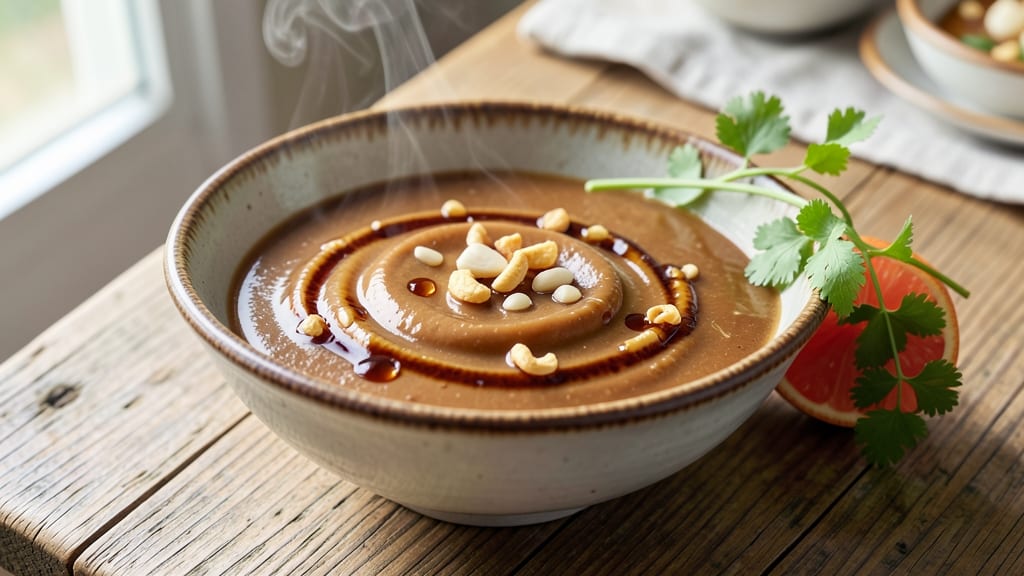
This Asian peanut dipping sauce recipe transforms simple pantry staples into a nutty-sweet condiment that elevates everything from spring rolls to grilled chicken. The secret lies in balancing creamy peanut butter with tangy soy sauce and a touch of garlic-ginger heat—all blending together in just 10 minutes.
Perfect for vegetarians (and easily vegan with a honey swap), this sauce delivers restaurant-quality flavor without the fuss.
The magic happens when toasted peanuts meet a smooth, aromatic base of soy, lime, and chili. I developed this recipe to cut through the richness of fried foods while adding depth to salads or drizzled over noodles.
The texture is velvety yet textured, with just enough crunch from the peanuts to keep every bite interesting.
What makes this sauce truly versatile is its adaptability—use it as a dipping sauce for spring rolls, a marinade for tofu, or a finishing drizzle over stir-fried vegetables. The flavors develop even better when refrigerated, making it ideal for meal prep.
Store it in an airtight container for up to 5 days, or freeze for longer shelf life.
For an extra kick, add a pinch of red pepper flakes or a splash of sesame oil. The possibilities are endless, but the method stays simple: blend, taste, and adjust. This is the kind of sauce that turns ordinary meals into something extraordinary with minimal effort.
Ingredients for asian peanut dipping sauce
Simple pantry staples blend into a velvety sauce with just 10 minutes of mixing.
| Ingredient | Amount | Notes |
|---|---|---|
| Creamy Peanut Butter 🥜 | ½ cup | Natural, unsweetened preferred |
| Natural Peanuts 🥜 | ¼ cup | Toasted, unsalted preferred |
| Soy Sauce 🍶 | ¼ cup | Low-sodium preferred |
| Lime Juice 🍋 | 2 tbsp | Freshly squeezed |
| Sesame Oil 🫒 | 1 tbsp | Toasted, for aroma |
| Garlic Cloves 🧄 | 2 cloves | Minced for smooth texture |
| Fresh Ginger 🌿 | 1 tbsp | Grated, fresh preferred |
| Honey 🍯 | 1 tbsp | Or maple syrup for vegan |
| Red Chili Flakes 🌶️ | ½ tsp | Adjust for heat preference |
| Water 💧 | ¼ cup | For thinning if needed |
Peanut butter is the star here, so natural, unsweetened is a must—it avoids the gritty texture of sugary varieties. Trader Joe's and Whole Foods carry excellent options, but any natural brand works. Toasted peanuts add depth, but if you're short on time, skip them—the sauce will still shine. The soy sauce should be low-sodium to avoid overpowering the delicate flavors. For an extra layer of authenticity, grab a bottle of Japanese tamari instead of regular soy sauce, though it's not strictly necessary.
No toasted peanuts? Crushed roasted peanuts from the bulk section work in a pinch. Short on honey? Maple syrup or agave keeps this vegan-friendly. The ginger and garlic can be swapped for 1 tsp each of ginger powder and garlic powder if fresh isn't available, though fresh is ideal. For a smoother texture, blend the garlic and ginger first before adding them to the sauce. The red chili flakes can be omitted entirely if you prefer a milder sauce, or substitute with 1/4 tsp cayenne pepper for a smoother heat.
This sauce thickens as it sits, so add water gradually if it becomes too stiff. Store in an airtight container in the fridge for up to 5 days, though the flavors deepen after 24 hours. For longer storage, freeze in ice cube trays—thaw and whisk to restore texture. The sauce reheats beautifully, making it perfect for meal prep. If it separates slightly after refrigeration, just give it a quick stir before using.
Why You'll Love This Recipe
- Five-Ingredient Magic: I swear by this—just peanut butter, soy sauce, lime, sesame oil, and a handful of peanuts. That’s it. No fancy prep, no measuring cups, just stir until it’s good.
- Umami Crunch Bomb: The soy sauce and lime cut through the richness, while the toasted peanuts add that perfect crunch. Honestly? It’s the kind of sauce that makes you lick the bowl—no shame.
- Game for Any Meal: Slather it on spring rolls, drizzle over grilled chicken, or just eat it with veggies. My kids dip fries in it. My husband uses it in stir-fries. It’s the ultimate crowd-pleaser, no matter the occasion.
- Leftovers That Last: This stuff keeps for weeks in the fridge—if it lasts that long. I’ve had it survive three days of lunches, snack attacks, and even a last-minute dinner fix. Budget-friendly? Absolutely.
Step-by-step instructions for Asian peanut dipping sauce
This sauce comes together faster than you can say "umami bomb."
Toast the Natural Peanuts for Depth
Heat a dry skillet over medium heat. Add the 0.25 cup natural peanuts and toast for 3-4 minutes, stirring constantly, until they turn a rich golden brown and release their nutty aroma. You'll know they're ready when you can smell that toasty, almost caramelized scent filling your kitchen.
Transfer the toasted peanuts to a small bowl and let them cool slightly. While they cool, I like to give them a gentle press with a wooden spoon to break them into smaller pieces—this creates texture without turning them into powder. Don't overdo it; you want some whole peanuts to add crunch to the final sauce.
Blend the Base Ingredients Smoothly
In a blender or food processor, combine the 0.5 cup creamy peanut butter, 0.25 cup soy sauce, 2 tbsp lime juice, 1 tbsp sesame oil, 2 cloves garlic, 1 tbsp fresh ginger, and 1 tbsp honey. Blend on high for 30-45 seconds until completely smooth, scraping down the sides as needed to ensure all ingredients incorporate evenly.
This is where the magic happens—the peanut butter should emulsify with the other ingredients, creating a thick, velvety base. If your blender struggles with the peanut butter's thickness, add 2 tablespoons of the water to help it blend more easily. Taste the mixture now—it should be rich, slightly sweet, and tangy with a hint of garlic and ginger.
Incorporate Texture and Adjust Consistency
Add the toasted peanuts to the blender and pulse 3-4 times until the peanuts are finely chopped but still retain some texture. You're aiming for a sauce that's thick but still pourable—like a cross between a smooth dip and a chunky relish. If the mixture is too thick after adding the peanuts, add the remaining 0.25 cup water 1 tablespoon at a time until you reach your desired consistency.
This is also when you should adjust the seasoning. Add the 0.5 tsp red chili flakes and blend briefly to distribute. Taste again and adjust as needed—you might want to add a touch more lime juice for brightness, a splash of soy sauce for saltiness, or even a drizzle of honey if you prefer it sweeter. The sauce should balance nutty, tangy, spicy, and umami flavors.
Rest and Serve for Maximum Flavor
Transfer the sauce to a bowl and let it sit at room temperature for 5-10 minutes. This resting period allows the flavors to meld and the sauce to thicken slightly, which is especially important if you plan to serve it chilled. The peanut butter will firm up just enough to make the sauce cling beautifully to whatever you dip.
Serve immediately with your favorite dipping companions—spring rolls, fresh vegetables, grilled meats, or even as a drizzle over noodle bowls. The sauce will keep in an airtight container in the refrigerator for up to 5 days, though I find it's best enjoyed within the first 2 days for peak freshness. If it thickens in the fridge, simply stir in a splash of water to loosen it back to your preferred consistency.
Pro Tips For Making Asian Peanut Dipping Sauce
- WHISK THE PEANUT BUTTER FIRST: Creamy peanut butter is thick—don’t just dump it in cold. Warm it slightly (10 seconds in the microwave or 30 seconds in a bowl over hot water) before whisking with the other ingredients. This makes blending smoother and avoids clumpy lumps that ruin the texture. (I learned this after staring at a glob of peanut butter that refused to mix no matter how hard I whisked.)
- USE NATURAL PEANUTS FOR CRUNCH: Skip the salted roasted peanuts—natural peanuts (lightly toasted) add real texture and depth. Toast them dry in a pan for 3–4 minutes until golden, then chop roughly. This gives the sauce a satisfying bite and a nuttier flavor than store-bought crunchy peanut butter. (Yes, even if you’re impatient like me—just don’t burn them.)
- STRAIN OUT EXCESS OIL: Sesame oil is potent—use only ½ teaspoon, and strain the sauce through a fine-mesh sieve if it tastes too sharp. The oil separates easily when mixed with peanut butter, so a quick press with a spoon keeps the flavor balanced. (I once overdid it and thought the whole sauce was ruined—turns out, a little patience fixes everything.)
- BALANCE SALT AND ACID: Taste the sauce before adding lime juice—soy sauce can make it too salty. Start with 1 teaspoon of lime, then adjust. If it’s too tangy, a pinch of sugar (or honey) smooths it out. (I was skeptical until I tried it—now I never skip this step.)
Troubleshooting this dish
Grainy Texture Fix
If your sauce turns out too thick or grainy, it’s likely because the peanut butter didn’t emulsify properly. The key is blending the peanut butter and soy sauce together first—this creates a smooth base before adding other ingredients.
If you still get lumps, add 1 tablespoon of water at a time while blending until silky. I’ve found that using natural, unsweetened peanut butter (like Trader Joe’s or Whole Foods) helps avoid gritty textures. 🥜
Separation After Chilling
Peanut-based sauces often separate when refrigerated, but this is easily fixed. Simply stir in 1-2 teaspoons of warm water or sesame oil to restore the creamy consistency. If the separation is severe, blend briefly to re-emulsify.
For long-term storage, freeze the sauce in ice cube trays—thaw and whisk to restore texture. I’ve had this happen with homemade batches, but a quick stir always saves it. ❄️
Too Sweet or Salty?
Adjusting sweetness or saltiness is simple: add ½ teaspoon more lime juice for brightness or 1 teaspoon soy sauce for saltiness. If it’s too sweet, balance it with a pinch of red chili flakes or a splash of vinegar (like rice vinegar).
Taste as you go—this sauce is forgiving, and small tweaks make a big difference. I usually taste after blending the base and again after adding peanuts. 🍋
Peanut Butter Too Thick?
If your sauce feels too thick, don’t panic—just add water 1 tablespoon at a time while blending. Start with ¼ cup (the full amount listed) and adjust as needed.
For a smoother texture, blend the peanut butter with 1 tablespoon of water first before adding other ingredients. This trick works every time and prevents clumping. 💧
No Toasted Peanuts?
If you skip toasting the peanuts, the sauce will still taste great but lose some depth. For a quick fix, use crushed roasted peanuts from a jar—they add texture without the effort.
If you’re in a rush, blend 1 tablespoon of peanut butter powder (like PB2) into the mixture for extra peanut flavor. The sauce won’t be identical, but it’ll still be delicious. 🥜
Spice Level Too Mild?
Want more heat? Add ¼ teaspoon of cayenne pepper or 1 teaspoon of sriracha for a smoother kick. For a smoky depth, stir in ½ teaspoon of smoked paprika.
I like to add chili flakes at the end so they distribute evenly—this keeps the heat balanced without overpowering the nutty flavors. 🌶️
Nutrition facts
Frequently asked questions
Can I make this peanut sauce vegan?
Simply swap the honey for maple syrup or agave nectar to keep it plant-based. The rest of the ingredients are already vegan-friendly. This sauce pairs perfectly with vegan spring rolls or tofu dishes.
How long does this sauce keep in the fridge?
The sauce stays fresh in an airtight container for up to 5 days, but I recommend using it within 2 days for the best texture. If it thickens, just stir in a splash of water to restore consistency. For longer storage, freeze in ice cube trays and thaw as needed.
What can I use instead of fresh ginger and garlic?
For convenience, use 1 teaspoon each of ginger powder and garlic powder—just know fresh adds more depth. If you're short on time, a ½ teaspoon of garlic powder + ½ teaspoon of onion powder works too. The sauce will still taste great, just slightly less vibrant.
Can I make this sauce without a blender?
Yes! Use a fork to mash the ingredients together in a bowl, then stir in the peanuts. The texture will be slightly chunkier, but it'll still be delicious. For extra smoothness, blend the peanut butter and soy sauce first, then mix in the rest by hand. A whisk works well for combining everything.
What's the best way to use up leftover peanut sauce?
Drizzle it over noodles, stir into peanut butter sandwiches, or use as a marinade for chicken or tofu. It also makes a great glaze for baked sweet potatoes or a dip for fresh fruit like apples or pears. The possibilities are endless!