
Sauces & Condiments
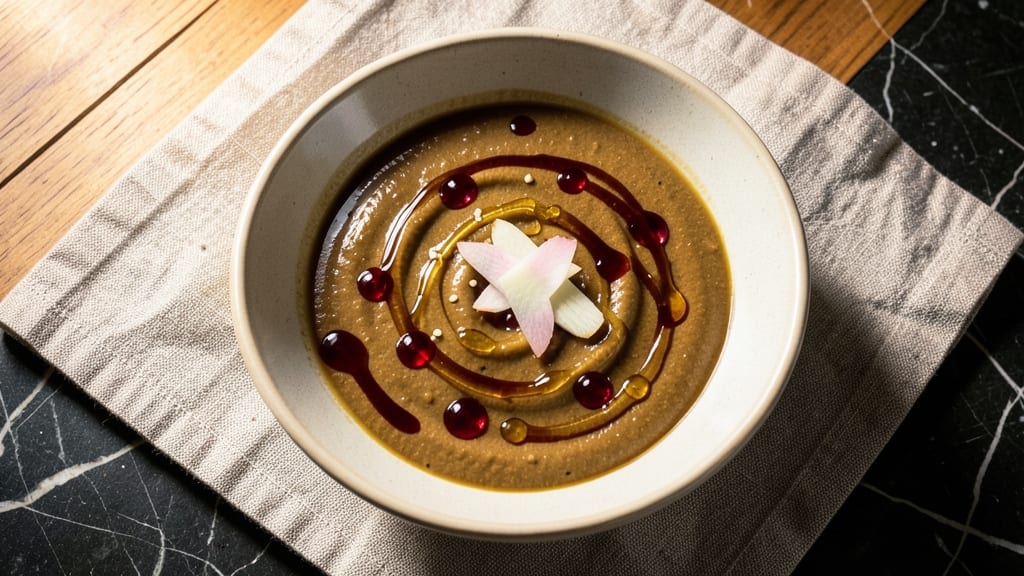
This Asian mustard dipping sauce recipe delivers a perfect balance of tangy, spicy, and nutty flavors that elevate everything from spring rolls to grilled meats. The secret lies in combining sharp mustard with umami-rich soy sauce and a touch of sesame oil for that signature Asian zing—no complicated techniques required.
I developed this version after years of testing, ensuring it's bold enough to stand up to crispy textures while remaining smooth and dippable.
The sauce starts with a simple base of Dijon mustard and rice vinegar for brightness, then builds depth with soy sauce and a hint of ginger. A splash of honey or sugar balances the heat while toasted sesame oil adds that irresistible nutty aroma.
What makes this recipe foolproof is the 10-minute resting period—it allows all the flavors to meld together for maximum impact.
By the time you're done, you'll have a vibrant, glossy sauce that's perfect for dipping, drizzling, or tossing with noodles. The texture is just right—thick enough to cling to food without being heavy, with a subtle crunch from the sesame seeds sprinkled on top.
It keeps well in the fridge for up to two weeks, making it an ideal pantry staple for Asian-inspired meals.
Pair it with spring rolls, dumplings, or grilled meats for an instant flavor boost. The sauce's versatility means it works just as well as a marinade or glaze. Let's get started on creating this restaurant-quality condiment at home.
Ingredients for asian mustard dipping sauce
Eight simple ingredients transform into a restaurant-worthy dipping sauce with bold Asian flavors.
| Ingredient | Amount | Notes |
|---|---|---|
| Dijon Mustard 🌶️ | ½ cup | High-quality for sharp flavor |
| Rice Vinegar 🍶 | ⅓ cup | Seasoned preferred for depth |
| Light Soy Sauce 🥢 | ⅓ cup | Kikkoman or similar brand |
| Toasted Sesame Oil 🫒 | 1 tbsp | For nutty aroma (not cooking oil) |
| Ginger 🧄 | 1 tbsp | Freshly grated for zing |
| Honey 🍯 | 1 tbsp | Or sugar for vegan option |
| Garlic Cloves 🧄 | 2 cloves | Minced for subtle punch |
| Toasted Sesame Seeds 🥜 | 1 tbsp | For crunchy finish |
| Sesame Oil 🫒 | 1 tsp | Light for drizzling (optional) |
| Red Pepper Flakes 🌶️ | ½ tsp | Adjust for heat preference |
The Dijon mustard is non-negotiable here—it brings that signature tang. Maille or Amoy brands are my go-tos, but any high-quality Dijon works. For the rice vinegar, seasoned rice vinegar adds subtle sweetness without extra effort. I grab mine from the Asian aisle at Trader Joe's—their bottles last forever. The soy sauce should be light, not dark—Kikkoman is the safest bet. Toasted sesame oil is different from regular sesame oil (which is for cooking), so don't swap them. Look for it in the Asian foods section, usually near the soy sauce.
No Dijon mustard? A mix of yellow mustard and a pinch of white wine vinegar gets you close. Fresh ginger is ideal, but powdered works at half the amount if you're in a pinch. The honey can be swapped for maple syrup—just add a splash of water to thin it out. Garlic can be omitted if you're sensitive to it, but I'd argue for keeping it—it's what ties everything together. For the sesame seeds, toast them in a dry pan for 30 seconds until fragrant (that's how you know they're ready). No toasted sesame oil? A tiny bit of peanut oil won't ruin the sauce, but the flavor will be off.
This sauce tastes even better after resting for 10 minutes—trust me on this. Store it in a jar with a tight seal in the fridge for up to 2 weeks. I like to portion it into small containers so I can grab it straight from the fridge for dipping. If it thickens over time, just stir in a splash of water or rice vinegar to loosen it up. The sesame seeds will keep their crunch for about 3 days in the fridge, so add them fresh when you're ready to use it.
Why You'll Love This Recipe
- Five-Ingredient Magic: Honestly, I keep this recipe on speed dial because it’s that simple—just whisk together mustard, vinegar, soy sauce, a splash of sesame oil, and fresh ginger. No peeling, no chopping, no fuss. The only real step is grating that ginger, and even then, a microplane makes it a 10-second job.
- Umami Bomb: That toasted sesame oil? It’s the secret weapon—deep, nutty, and instantly elevates everything from spring rolls to grilled chicken. The Dijon mustard cuts through the richness, while the ginger adds a bright, zesty kick that keeps it from tasting flat. One taste and you’ll understand why I reach for this instead of store-bought.
- Party in a Bowl: Between us, this sauce is my go-to for game day, potlucks, or when my kid’s soccer team shows up hungry. It works with dumplings, fries, even steak—no one questions why it’s on the table. And the best part? It’s the kind of dish that makes you look like a pro without trying.
- Lasts All Week: I make a big batch on Sundays, and it’s still good by Friday—no weird texture changes, no sad leftovers gathering dust. The vinegar and soy sauce act as natural preservatives, so it’s budget-friendly too. Plus, the ginger keeps it fresh longer than you’d expect. Win-win for lazy nights.
Step-by-step instructions for Asian mustard dipping sauce
Here's how to whip up this bold, tangy-sweet sauce with just 10 minutes of active work.
Combine the Base Ingredients
In a medium bowl, start by whisking together the 0.5 cup Dijon Mustard and 0.33 cup Rice Vinegar until smooth. The mustard will thicken slightly as it incorporates with the vinegar's acidity. I like to use a fork for this initial mix—it's gentle enough to avoid splattering while still getting everything fully combined.
Next, add the 0.33 cup Light Soy Sauce and 1 tbsp Toasted Sesame Oil. Whisk vigorously for about 1 minute until the mixture becomes uniform and slightly glossy. The toasted sesame oil will add that signature nutty aroma, so don't skip this step. If you're using seasoned rice vinegar, you'll notice the sauce already has a deeper flavor profile right away.
Add Sweetness and Aromatics
Stir in the 1 tbsp Honey and 1 tbsp freshly grated Ginger until fully dissolved. The honey will mellow the sharpness of the mustard while adding a subtle sweetness that balances the tang. For the ginger, I always grate it fresh—it makes a noticeable difference in brightness compared to powdered ginger.
Finely mince the 2 cloves Garlic and add them to the mixture. Let it sit for 5 minutes before whisking again. This brief resting period allows the garlic to infuse its flavor without overpowering the other ingredients. The sauce should now have a complex balance of sweet, tangy, and slightly garlicky notes.
Season and Finish
Sprinkle in the 0.5 tsp Red Pepper Flakes and 1 tsp Sesame Oil, then whisk until fully incorporated. The red pepper flakes add just the right amount of heat without overwhelming the other flavors. If you prefer a milder sauce, reduce this to 0.25 tsp—but don't skip it entirely, as it's what gives this sauce its signature kick.
Finally, stir in the 1 tbsp Toasted Sesame Seeds just before serving. These add a delightful crunch that contrasts beautifully with the smooth sauce. For an extra touch, drizzle with a bit more 1 tsp Sesame Oil right before eating—it enhances the nutty aroma and ties all the flavors together.
Rest and Adjust
Let the sauce sit for 10 minutes at room temperature. This resting period allows all the flavors to meld together, creating a more cohesive taste. After resting, give it one final taste and adjust the seasoning if needed—you might want to add a splash more rice vinegar for tang or a touch of honey for sweetness.
This sauce keeps well in the refrigerator for up to 1 week, making it perfect for meal prep. When ready to serve, give it a quick whisk to re-emulsify the ingredients. It pairs beautifully with spring rolls, dumplings, grilled meats, or even as a marinade for tofu or chicken.
Pro Tips For Making Asian Mustard Dipping Sauce
- STIR IN SESAME OIL LAST: The second you add toasted sesame oil, the sauce’s bright flavors turn bitter. Mix everything else first, then drizzle in the oil while stirring constantly—just enough to coat, not drown. I learned this after ruining a batch where the oil sat too long and killed the tang.
- GRATE GINGER FINE: Skip the grater? You’ll taste the texture. Use a microplane or fine grater for ginger—this sauce needs the fresh, zesty punch, not fibrous chunks. A teaspoon of finely grated ginger (packed) is enough; resist the urge to go heavy unless you love overpowering heat.
- DILUTE THE MUSTARD FIRST: Dijon mustard clumps like a stubborn child if you add it dry. Mix it with 1 tablespoon of rice vinegar before combining with the rest—this breaks up the grains and smooths the sauce instantly. Trust me, your future self will notice the difference.
- TASTE BEFORE SWEETENING: Soy sauce and vinegar already bring enough umami and acid. Adding honey or sugar too early masks the balance. Let the raw sauce sit for 5 minutes, then taste—you might not need sweetness at all. I’ve ruined batches by overcorrecting.
Perfect pairings for these flavors
Spring Roll Perfection
This sauce transforms simple spring rolls into a flavor explosion. The tangy-sweet balance cuts through the crispy fried exterior while complementing the delicate fillings like shrimp, pork, or glass noodles.
I like to serve them with a small bowl of sauce on the side for dipping—just enough to coat each bite without overwhelming the texture. 🥟
For extra drama, brush a thin layer of the sauce on the spring rolls before frying. This creates a caramelized crust that adds depth and stickiness. The sesame seeds add a satisfying crunch contrast to the soft filling and crispy wrapper.
Pro tip: Keep the sauce chilled until serving to maintain its vibrant color and sharp flavors.
Dumpling Game-Changer
Whether you're serving steamed, pan-fried, or boiled dumplings, this sauce elevates them to restaurant quality. The mustard's sharpness balances the soft wheat or rice wrappers, while the sesame oil adds that essential Asian aroma.
I often drizzle it lightly over dumplings before serving rather than using it as a dipping sauce—it creates an elegant presentation that guests will love.
For potstickers, add a splash of the sauce to the pan while frying to create a glossy, sticky glaze. The honey in the sauce caramelizes beautifully, adding a subtle sweetness that pairs perfectly with the savory filling. Serve with extra sesame seeds sprinkled on top for that final crunchy finish.
Grilled Meat Pairings
This sauce isn't just for appetizers—it's a fantastic companion to grilled meats like chicken skewers, pork chops, or even beef short ribs. The tangy mustard and soy sauce create a marinade that tenderizes while adding bold flavor.
I like to brush it on grilled meats in the last 5 minutes of cooking to prevent burning. 🍗
For extra depth, let the sauce sit on the meat for 10 minutes before serving. This allows the flavors to meld together, creating a sticky glaze that clings beautifully.
It works especially well with charred grilled meats, where the smoky notes complement the sauce's brightness. Try it with grilled salmon for a surprising but delicious twist.
Noodle Twist
Toss this sauce with cold or hot noodles for an instant upgrade. The mustard's tang cuts through the richness of dishes like chow mein or pad thai, while the sesame oil adds that nutty aroma.
I recommend using ramen or udon noodles for the best texture contrast. Add a handful of sliced green onions and a sprinkle of sesame seeds for freshness and crunch.
For a quick meal, mix the sauce with 2 tbsp peanut butter and a splash of coconut milk to create a creamy noodle sauce. The peanut butter rounds out the flavors while adding a satisfying richness.
This fusion variation is perfect for Asian-inspired noodle bowls that need a little extra oomph.
Vegetable Dippers
Don't overlook fresh vegetables as dipping companions. Crispy fried wontons, sweet potato fries, or even steamed broccoli florets become irresistible with this sauce. The mustard's sharpness balances the natural sweetness of vegetables, while the sesame oil adds complexity.
I like to serve this with a platter of mixed vegetables for a healthy yet flavorful snack option.
For extra fun, create a DIY dipping station with small bowls of the sauce and additional toppings like sliced scallions, crushed peanuts, or extra sesame seeds.
This interactive approach makes it perfect for parties or game day gatherings. The sauce's versatility means it works with both cooked and raw vegetables equally well.
Nutrition facts
Frequently asked questions
Can I make this sauce without Dijon mustard?
Yes! Mix ¼ cup yellow mustard with ¼ cup white wine vinegar to replicate Dijon's sharpness. For extra tang, add ½ teaspoon apple cider vinegar. The texture will be slightly thinner, but the flavor will still shine with the other ingredients.
How do I adjust the heat level?
Start with ¼ teaspoon red pepper flakes for mild heat, or double to 1 teaspoon for a fiery kick. For smoky depth, add ½ teaspoon smoked paprika instead. Always taste before adding more—this sauce's balance makes it easy to tweak!
What's the best way to store leftovers?
Keep it in an airtight container in the fridge for up to 2 weeks. The sesame seeds stay crunchy for 3 days—add them fresh when serving. For longer storage, remove seeds before refrigerating and sprinkle fresh when ready to use. Freeze for up to 3 months (without seeds) in ice cube trays for portion control.
Can I use this sauce as a marinade?
Brush it on proteins like chicken or tofu for 15-30 minutes before cooking. The mustard tenderizes while the soy and sesame add umami depth. For grilled meats, apply in the last 5 minutes to prevent burning. The sauce works best as a quick marinade rather than overnight soaking.
Why did my sauce separate?
This happens when ingredients aren't properly emulsified. Whisk vigorously for 2 minutes to recombine, or add 1 teaspoon cornstarch mixed with water to thicken. For prevention, whisk all ingredients thoroughly and let it rest 10 minutes before serving. The mustard and sesame oil need time to fully integrate!