
Sauces & Condiments
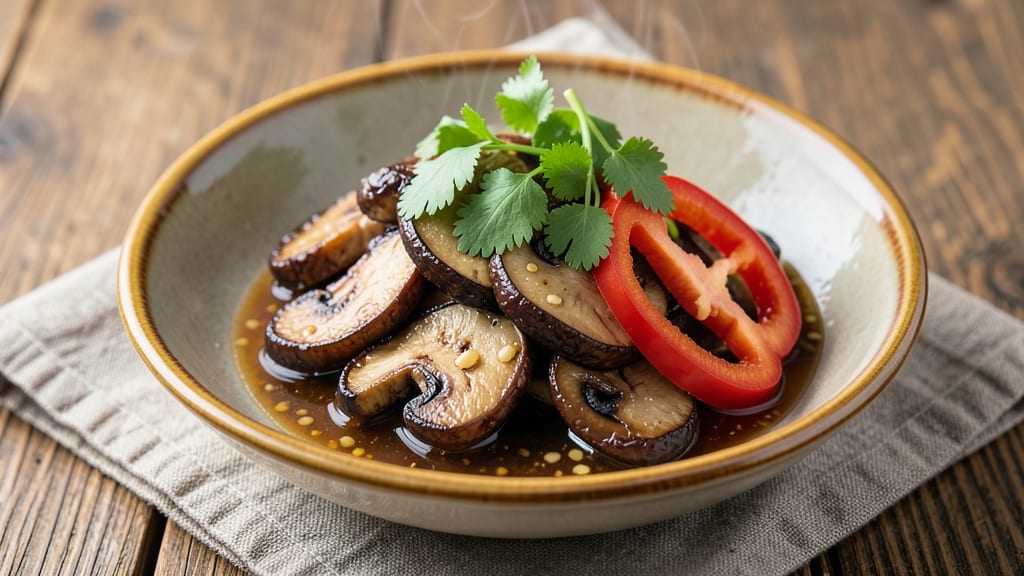
This Asian mushroom sauce recipe transforms simple pantry staples into a velvety, umami-rich pan sauce that elevates stir-fries, noodles, and dumplings in just 15 minutes. The secret lies in a balanced blend of soy, ginger, garlic, and mushrooms—simmered until deeply flavorful and thickened naturally for that perfect cling. I developed this sauce after years of testing quick weeknight meals, and it’s now my go-to for adding depth without extra effort.
The beauty of this recipe is its versatility. Whether you're tossing it with fresh vegetables, drizzling over rice, or using it as a dipping sauce, the rich, savory flavor comes from the mushrooms and aromatic spices.
No fancy equipment is needed—just a skillet, a whisk, and a few minutes of your time. The sauce also keeps well in the fridge for up to a week, making it perfect for meal prep.
What sets this sauce apart is the way the mushrooms release their earthy sweetness when simmered, while the ginger and garlic add warmth and brightness.
The result is a sauce that’s bold yet balanced, with just the right amount of tang from the soy and a hint of heat if you like it spicy. It’s the kind of flavor that makes a simple dish feel like a restaurant-quality meal.
Ready to make it? The process is straightforward: sauté the aromatics, add the mushrooms and broth, and let it reduce until thick and glossy. No blending required—just stir and simmer. Once you try this sauce, you’ll never go back to store-bought versions again.
Ingredients for asian mushroom sauce
Nine simple ingredients create this restaurant-quality sauce with deep umami flavor.
| Ingredient | Amount | Notes |
|---|---|---|
| Shiitake Mushrooms 🍄 | 8 oz | Fresh, stems removed, sliced thin |
| Garlic Cloves 🧄 | 3 cloves | Minced for aromatic punch |
| Fresh Ginger 🌿 | 1 tbsp | Grated, bright and zesty |
| Low-Sodium Soy Sauce 🍶 | ½ cup | Kikkoman preferred for balance |
| Vegetable Broth 💧 | 1 cup | Homemade or store-bought |
| Cornstarch 🌾 | 1 tsp | For natural thickening |
| Sesame Oil 🫒 | 1 tsp | Toasted for nutty aroma |
| Extra-Virgin Olive Oil 🫒 | 1 tbsp | For sautéing mushrooms |
| Red Chili Flakes 🌶️ | ½ tsp | Optional for heat kick |
| White Rice Vinegar 🍶 | 1 tbsp | Brightens the sauce |
Shiitake mushrooms are the star here—their earthy sweetness builds flavor as they simmer. Fresh is best, but dried mushrooms work in a pinch (soak first). I grab mine at Whole Foods or the Asian market—look for plump, firm caps with no sliminess. The garlic and ginger? Freshly grated or minced makes all the difference, but pre-minced works if you're in a rush. For soy sauce, Kikkoman is my go-to—it's balanced and widely available, but any low-sodium brand works. The vegetable broth can be homemade or store-bought, just avoid anything with added salt.
No shiitake mushrooms? Cremini or oyster mushrooms are great substitutes—they still add that meaty texture. Running low on ginger? Ground ginger at half the amount works, though it won't be as vibrant. Prefer less heat? Skip the chili flakes entirely or use half the amount. The cornstarch is key for thickening—don't skip it, but if you're gluten-free, swap for arrowroot powder. For extra depth, add a splash of fish sauce (if not vegetarian) or more soy sauce. The sesame oil should be toasted—look for it in the Asian foods aisle, not the cooking oil section.
This sauce keeps beautifully in the fridge for up to 1 week, so make a double batch. Store it in a sealed jar with a thin layer of oil on top to preserve freshness. It reheats perfectly—just warm it gently on the stove or microwave for 30 seconds. Freezes well for up to 3 months, though the texture might change slightly after thawing. I like to drizzle it over everything—noodles, rice, or even grilled chicken. The flavor actually gets better the next day as everything melds together.
Why You'll Love This Recipe
- Here’s what sold me: this sauce works as a dipping sauce for dumplings or noodles, but it’s also the star of a simple stir-fry or even a quick grain bowl. Double it, store it, and use it all week—no stress, no waste. My lazy Sundays? Solved.
- I’ll be real: shiitake mushrooms aren’t cheap, but they stretch far in this sauce. A single batch feeds four, reheats beautifully, and keeps for days. Plus, low-sodium soy sauce means you’re not drowning flavor in salt—just pure, satisfying taste without the guilt. My wallet and taste buds thank me.
Step-by-step instructions for Asian mushroom sauce
This umami-packed sauce comes together faster than you can say "wok hei."
Sauté the Shiitake Mushrooms Until Golden
Heat the 1 tablespoon extra-virgin olive oil in a medium saucepan over medium-high heat. Add the 8 ounces sliced shiitake mushrooms and cook for 5-6 minutes, stirring occasionally, until they release their moisture and begin to brown at the edges. You'll see those juices pooling in the pan—this is where all the flavor lives.
Don't crowd the pan or the mushrooms will steam instead of crisp. I like to spread them out in a single layer so they get proper browning. Once they're golden with just a hint of char in spots, you're ready for the next step. If they stick, just add a splash of water and scrape up those browned bits—they're pure umami magic.
Add Aromatics and Build the Sauce Base
Push the mushrooms to one side of the pan and add the 1 tablespoon extra-virgin olive oil (if needed) to the empty space. Toss in the 3 minced garlic cloves and 1 tablespoon grated fresh ginger, cooking for 30 seconds until fragrant—you should smell that bright, zesty aroma. Stir to combine everything with the mushrooms.
Now pour in the 0.5 cup low-sodium soy sauce and 1 cup vegetable broth. Bring to a gentle simmer over medium heat, then reduce to low heat and let it cook uncovered for 4-5 minutes. You want the liquid to reduce by about a third—this concentrates the flavors and thickens the sauce naturally.
Thicken and Finish with Flavor Boosters
In a small bowl, whisk together the 1 teaspoon cornstarch with 2 tablespoons of cold water until smooth. Slowly pour this mixture into the simmering sauce while stirring constantly. The sauce will thicken almost immediately—keep stirring for another 1-2 minutes until it reaches a glossy, coat-the-back-of-a-spoon consistency.
Turn off the heat and stir in the 1 teaspoon sesame oil, 0.5 teaspoon red chili flakes, and 1 tablespoon white rice vinegar. Give it one final taste and adjust the seasoning if needed—maybe a pinch more soy sauce for saltiness or a splash more vinegar for brightness. The sauce should be rich, slightly tangy, and just the right side of sticky.
Rest and Serve Over Your Favorite Dishes
Let the sauce rest for 2-3 minutes off the heat. This gives the flavors time to meld together and the sauce to thicken slightly more. I know it's tempting to serve it immediately, but those extra minutes make a noticeable difference in the final result.
Use this versatile sauce over steamed rice, noodles, grilled meats, or even as a dipping sauce for spring rolls. The umami depth from the shiitakes pairs perfectly with the bright acidity of the rice vinegar, while the sesame oil adds that nutty finish that makes it sing. Store any leftovers in an airtight container in the fridge for up to 5 days—it only gets better with time!
Pro Tips For Making Asian Mushroom Sauce
- Sear Mushrooms First: Toss your shiitake slices in a dry pan over high heat for 2-3 minutes before adding anything else. This step locks in their meaty texture and deepens the umami—no one wants soggy mushrooms in their sauce, especially when they’re the star.
- Mince Ginger Like You Mean It: Skip the microplane if you’re not using it for garnish. Instead, finely chop fresh ginger with the flat side of your knife until it’s almost paste-like—this ensures it blends smoothly into the sauce rather than sitting as visible specks. (Yes, even if it takes 30 seconds longer.)
- Don’t Rush the Soy Reduction: Let that low-sodium soy sauce simmer uncovered for at least 5 minutes after adding it to the pan. The alcohol burns off and the sauce thickens properly—rushing this step leaves it thin and flat. Patience here makes the difference between "meh" and "wow."
- Save Time with Cold Broth: Add your vegetable broth cold to the simmering pan instead of hot. The sudden temperature drop stops the cooking process instantly, so you can control the final consistency without over-reducing. Works every time, and it’s a lifesaver when you’re juggling other dishes.
Perfect pairings for these flavors
Rice Dish Pairings
This sauce transforms simple steamed white rice into a restaurant-worthy meal. Drizzle it generously over jasmine rice or brown rice for a hearty, umami-rich bowl. I like to add a sprinkle of toasted sesame seeds and thinly sliced green onions for extra texture and color.
For a fusion twist, mix the sauce with stir-fried veggies and serve over forbidden black rice—the deep purple hue contrasts beautifully with the sauce's golden tones. 🍚
Noodle & Dumpling Magic
Toss this sauce with udon noodles, ramen, or rice noodles for an instant upgrade. The glossy texture clings perfectly to the strands, creating a satisfying mouthfeel. For dumplings, use it as a dipping sauce—simmer the sauce with a splash of water chestnut broth for extra depth.
I also love brushing it lightly on pork or shrimp dumplings before pan-frying for a sticky, caramelized crust. 🍜
Protein Power-Ups
Pair this sauce with grilled chicken thighs, tofu, or shrimp skewers for a flavor bomb. The mushrooms' earthiness complements the protein beautifully, while the vinegar brightens the dish. For a quick weeknight meal, toss the sauce with chopped rotisserie chicken and steamed bok choy over rice.
For extra richness, stir in 1 tablespoon of peanut butter (yes, really!) to create a Thai-inspired fusion sauce. 🍗
Vegetable Stir-Fry Boost
This sauce elevates simple stir-fries to gourmet level. Toss it with bell peppers, broccoli, and snap peas for a quick, colorful dish. The mushrooms add meaty texture without needing actual meat.
For a smoky twist, add 1 teaspoon of smoked paprika to the sauce before serving. I also love pairing it with crispy tofu or tempura vegetables for a satisfying crunch. 🥦
Dipping Sauce Perfection
Use this sauce as a dipping sauce for spring rolls, egg rolls, or fresh spring vegetables. Its balanced flavors—sweet, savory, and slightly tangy—make it irresistible. For extra depth, mix in 1 teaspoon of fish sauce (if not vegetarian) or 1 tablespoon of hoisin sauce.
Serve it chilled in small bowls with chopsticks for a fun, interactive meal. 🥢
Breakfast Game-Changer
Don’t stop at dinner—this sauce is amazing with breakfast! Drizzle it over scrambled eggs or tofu scramble for a savory kick. Toss it with leftover rice and top with a fried egg for a quick Asian-style breakfast bowl.
For a sweet-savory twist, add 1 teaspoon of honey or maple syrup to balance the flavors. It’s a game-changer for lazy mornings! 🍳
Nutrition facts
Frequently asked questions
Can I use dried shiitake mushrooms instead of fresh?
Yes! For every 1 ounce of dried shiitake, use 3 ounces of water to rehydrate them for 20 minutes. Drain well before using in the recipe. The flavor will be more concentrated, so you might want to reduce the soy sauce slightly. The texture will be slightly different but still delicious.
How do I adjust the spice level in this sauce?
Skip the red chili flakes for no heat, or add 1 teaspoon for mild spice. For extra kick, increase to 1.5 teaspoons or add ½ teaspoon of gochujang (Korean chili paste) at the end. The vinegar already provides a bright contrast, so adjust carefully to maintain balance.
Can I make this sauce without cornstarch?
Simmer the sauce uncovered for an extra 3-5 minutes to reduce the liquid naturally. For a thicker consistency, mash 1 teaspoon of arrowroot powder with 1 tablespoon water and stir it in at the end. The sauce will be slightly less glossy but still delicious.
What's the best way to store leftovers?
Transfer the sauce to an airtight container and refrigerate for up to 5 days. For longer storage, freeze in ice cube trays for 3 months—thaw in the fridge overnight. To preserve freshness, add a thin layer of oil before sealing. The flavor actually improves as it sits!
Can I use this sauce as a marinade?
Yes! Use it as a marinade for chicken, tofu, or shrimp by combining with 1 tablespoon of oil. Marinate for 30-60 minutes (no longer, or the acidity will over-tenderize). The mushrooms' umami will infuse beautifully into the protein. Reserve some sauce for serving after cooking.