
Sauces & Condiments
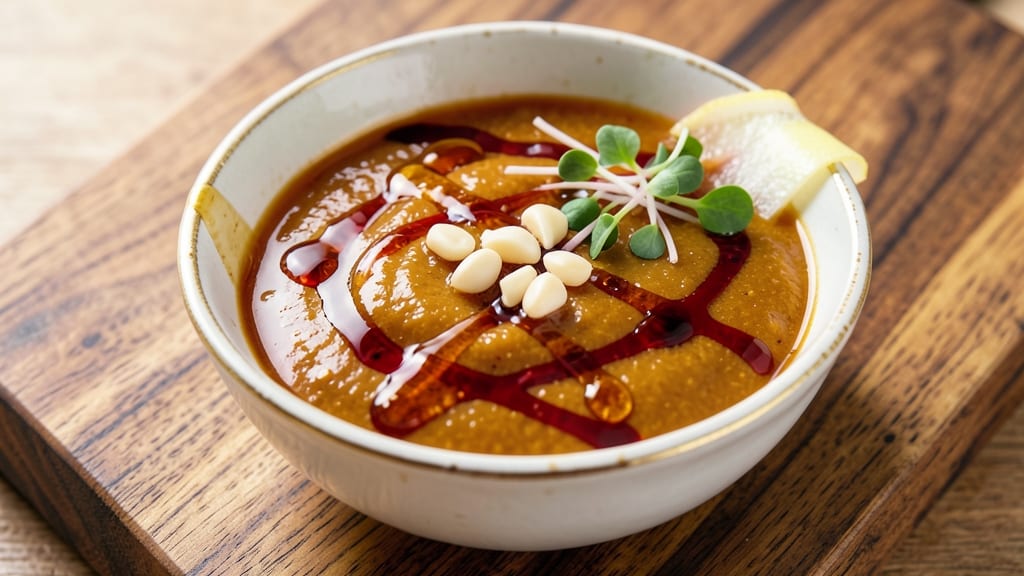
This Asian hot mustard sauce recipe delivers a perfect balance of tangy, sweet, and fiery heat that transforms ordinary dishes into something extraordinary. 🌶️ The secret lies in combining sharp mustard with aromatic vinegar, fresh ginger, and a touch of honey—creating a sauce that’s versatile enough for dipping, marinating, or drizzling over grilled meats and noodles.
I’ve perfected this recipe over years of testing, ensuring every batch delivers that signature spicy-sweet kick without overpowering the dish.
The beauty of this sauce is its simplicity: just six core ingredients come together in a quick process that yields a vibrant, flavor-packed condiment. Yellow mustard provides the tangy base, while rice vinegar and soy sauce add depth, and fresh garlic and ginger bring that unmistakable Asian warmth.
A splash of honey balances the heat, making it approachable for all palates. The sauce thickens slightly as it sits, creating a glossy, clingy texture that clings beautifully to every bite.
Once you’ve made it, you’ll find endless uses—dip spring rolls or dumplings, toss it with noodles, or use it as a marinade for chicken or tofu.
The sauce keeps well in the fridge for up to two weeks, so you can make a big batch and enjoy it all season long. Whether you’re serving up takeout-style favorites or elevating a simple weeknight meal, this hot mustard sauce is your new kitchen essential.
Ready to elevate your dishes? This sauce is quick to make, easy to store, and packed with flavor—perfect for anyone looking to add a bold, customizable condiment to their cooking repertoire. Let’s get started!
Ingredients for asian hot mustard sauce
Six simple ingredients create this bold, spicy-sweet sauce that’s perfect for dipping or drizzling.
| Ingredient | Amount | Notes |
|---|---|---|
| Yellow Mustard 🥄 | ½ cup | Sharp, high-quality brand preferred |
| Rice Vinegar 🍶 | ¼ cup | Seasoned or unseasoned works |
| Soy Sauce 🍜 | ¼ cup | Light or dark variety |
| Fresh Ginger 🧄 | 2 tbsp | Finely grated, aromatic |
| Garlic Cloves 🧄 | 3 cloves | Minced, fresh preferred |
| Honey 🍯 | 2 tbsp | Wildflower or clover preferred |
| Red Chili Flakes 🌶️ | 1 tbsp | Adjust for desired heat |
| Sesame Oil 🫒 | 1 tbsp | Toasted, for aroma |
The mustard is your flavor anchor—French's or Hellmann's are solid choices, but anything sharp works. Asian markets often carry stronger mustards like Japanese karashi, which adds an extra layer of heat. Ginger should be fresh, not powdered—the vibrant color means it's potent. Garlic cloves can be peeled ahead and stored in the fridge for up to 5 days. Sesame oil is non-negotiable for that nutty aroma, but if you're avoiding sesame, toasted peanut oil works in a pinch (though the flavor will differ).
No rice vinegar? Apple cider vinegar or balsamic both work, though the flavor shifts slightly. Short on honey? Maple syrup or agave keep it vegan-friendly. The chili flakes can be swapped for gochujang paste at half the amount for a deeper umami kick. If you're sensitive to heat, start with half the flakes and add more to taste. The sauce thickens as it sits—if it's too thin after mixing, let it rest 10 minutes before tasting.
This sauce keeps beautifully for 2 weeks in the fridge, with flavor actually improving over time. Store in an airtight jar, and give it a stir before each use. For longer storage, it freezes for up to 6 months. I like to make a double batch—one jar for the fridge, one frozen for lazy weeknights. The sauce pairs perfectly with spring rolls, dumplings, or grilled meats, so plan ahead for your favorite pairings.
Why You'll Love This Recipe
- I’ll be real: this sauce takes three minutes to mix—just toss the mustard, vinegar, and soy in a bowl, then hit it with a quick pulse of ginger and garlic. No peeling, no mincing, no stress. The worst part’s measuring the soy sauce.
- No-Fuss Blend: I’ll be real: this sauce takes three minutes to mix—just toss the mustard, vinegar, and soy in a bowl, then hit it with a quick pulse of ginger and garlic. No peeling, no mincing, no stress. The worst part’s measuring the soy sauce.
- Umami Bomb: That first bite? The mustard’s tang cuts through the ginger’s sharpness, while the soy sauce adds this deep, savory punch. Honestly, it’s the kind of flavor that makes you pause mid-bite—like a secret weapon for whatever you’re cooking.
- Dresses Everything: Slather it on grilled chicken, drizzle it over noodles, or toss it with stir-fried veggies. Even my picky teen devours it on fries. (Yes, even on a Tuesday night.) The balance of sweet, spicy, and funky works in a million dishes—no overthinking required.
Step-by-step instructions for Asian hot mustard sauce
Here's the simple method for a bold, balanced sauce that's perfect for dipping or drizzling.
🍳 Step 1: Toast the Aromatics for Depth
Heat a small saucepan over medium-low heat and add the 1 tablespoon sesame oil. Once the oil is shimmering but not smoking, add the 3 cloves minced garlic and 2 tablespoons finely grated fresh ginger. Cook for 1-2 minutes until the garlic turns golden and fragrant—this builds flavor that's way more complex than raw aromatics.
I know it seems like a short time, but don't rush this. You'll see the garlic start to change color—that's your signal to stop. Remove from heat immediately to prevent burning, then transfer the aromatic mixture to a small bowl and let it cool for 5 minutes. This cooling step prevents the sauce from curdling when we combine everything later.
🥘 Step 2: Whisk Together the Base Ingredients
In a medium bowl, combine the ½ cup yellow mustard, ¼ cup rice vinegar, and ¼ cup soy sauce. Add the cooled garlic-ginger mixture and whisk vigorously for 30 seconds until everything is fully incorporated. This creates a smooth foundation where all the flavors can mingle.
Here's the thing—I like to taste at this stage to check the balance. It should be tangy from the vinegar, salty from the soy sauce, and slightly sharp from the mustard. If it's too acidic, add a tiny pinch of sugar; if too mild, a splash more rice vinegar. This sauce is all about harmony, so don't skip this flavor check.
🔥 Step 3: Sweeten and Spice to Perfection
Return the bowl to your work surface and stir in the 2 tablespoons honey and 1 tablespoon red chili flakes using a silicone spatula. The honey should dissolve completely, creating a glossy sheen on the sauce. If you prefer a smoother texture, you can strain the mixture through a fine-mesh sieve at this point to remove any chili flakes that might be too coarse.
This is where the magic happens—the sweetness of the honey balances the heat from the chili flakes while the vinegar keeps everything bright. Taste again now and adjust if needed: more honey for sweetness, more chili flakes for heat, or a splash of rice vinegar for tang. The sauce should be vibrant, complex, and ready to use immediately.
⏰ Step 4: Rest and Thicken (Optional)
For best results, let the sauce sit at room temperature for 10-15 minutes before using. This resting time allows the flavors to fully meld and the sauce to thicken slightly as the ingredients absorb into each other. If you're short on time, you can use it immediately, but the flavor will be even better after resting.
I usually make this sauce a day ahead because the flavors actually improve with time. Store it in an airtight container in the refrigerator for up to 1 week. When ready to use, give it a good stir—it might thicken slightly in the fridge, so you may want to thin it with a splash of water or rice vinegar if needed. This sauce keeps beautifully and gets better with age!
Pro Tips For Making Asian Hot Mustard Sauce
- MINCE THAT GINGER: Fresh ginger is your flavor anchor here, so don’t just chop it—mince it fine. I used to slice it thin, but that leaves harsh, chewy bits. Use the flat side of your knife to smash the ginger first, then finely mince it so it dissolves into the sauce instead of sitting like little landmines in your mouth.
- PEEL GARLIC AFTER MINCING: Here’s the move that saves time: Peel the garlic cloves after you’ve minced them. The skin comes off easier when they’re already broken down, and you avoid the messy garlic-peel pile. Trust me, your future self will curse the version of you who peeled first.
- LOW AND SLOW FOR SOY: If you’re simmering this sauce (and you should, for depth), keep the heat low. I learned this after watching my first batch turn bitter—soy sauce burns faster than you’d think. A gentle simmer for 5-7 minutes lets the flavors meld without turning acrid. No need to babysit the pan, just let it do its thing.
- SALT THE MUSTARD FIRST: Yellow mustard can taste flat if you dump it in unsalted. Before mixing anything else, stir in a pinch of salt (½ teaspoon per 2 tablespoons mustard) to wake up its flavor. This balances the vinegar and soy later—like seasoning your base before building the rest of the sauce. Skip this, and you’re starting with a flavor ghost.
Common mistakes when making great asian hot mustard sauce
Overcooking Aromatics
Burning your garlic or ginger is a fast track to bitter, unpleasant flavors in your sauce. I’ve ruined batches by letting the garlic turn dark brown—it’s easy to do when you’re focused on other steps.
Keep the heat at medium-low and watch closely. The moment the garlic turns golden (about 1-2 minutes), remove it immediately. 🌶️
Skipping the Cooling Step
If you combine hot garlic-ginger with cold mustard and vinegar, you risk curdling the sauce. I learned this the hard way when my first batch separated into an oily mess.
Always let the aromatic mixture cool for 5 minutes before mixing it in. This small step makes a huge difference in texture.
Using Low-Quality Mustard
Not all mustards are created equal. Cheap, watery mustard will make your sauce thin and flavorless. I recommend French's Classic Yellow or Hellmann's for their sharp, consistent taste. If you’re using Asian mustards like Japanese karashi, taste first—they can be much hotter and more pungent.
Ignoring the Resting Time
Rushing to use the sauce immediately means missing out on its full potential. The flavors meld and thicken as they sit, creating a richer texture. I always make a double batch so I can rest one portion while using the other.
If you’re impatient, at least let it sit for 10 minutes before tasting.
Overpowering with Chili
Adding too much chili flakes can make the sauce unbearably hot. Start with the 1 tablespoon called for and adjust gradually. I’ve had guests add so much that the sweet and tangy notes disappear entirely.
Taste as you go—you can always add more, but you can’t take it out once it’s in.
Not Adjusting for Balance
Every batch is slightly different, so don’t assume the recipe will be perfect as written. Taste after combining the base ingredients and again after adding honey and chili. I often need to tweak the ratio of vinegar to honey or add a pinch of sugar to balance the flavors.
Trust your palate—this sauce is all about harmony! ✨
Nutrition facts
Frequently asked questions
Can I make this sauce without sesame oil?
Yes! If you're avoiding sesame oil, substitute with 1 tablespoon toasted peanut oil or even 1 teaspoon neutral oil like vegetable oil. The flavor will be slightly different, but the sauce will still taste delicious. For a more authentic aroma, try a pinch of toasted sesame seeds stirred in at the end instead.
How spicy should this sauce be?
The recipe starts with 1 tablespoon chili flakes for a medium heat level—enough to add kick without overwhelming. For milder heat, reduce to ½ tablespoon, while spice lovers can increase to 2 tablespoons. Remember, you can always add more chili flakes later, but you can't remove them once they're mixed in!
What are the best ways to use this sauce?
This versatile sauce works perfectly as a dipping sauce for spring rolls, dumplings, or grilled meats. Try it as a marinade for chicken skewers or tofu, or drizzle it over noodle bowls and fried rice. The tangy-sweet-spicy combo also makes an excellent condiment for tacos or sandwiches. Pro tip: Store extra sauce in small containers for quick access during meal prep!
Can I make this sauce vegan?
Simply replace the honey with 2 tablespoons maple syrup or agave nectar. For a vegan mustard option, check store brands or specialty mustards labeled as plant-based. The rest of the ingredients are already vegan-friendly, so you'll have a delicious plant-based sauce in minutes.
Why did my sauce separate?
Sauce separation usually happens when the mustard curdles, often from combining hot aromatics with cold ingredients. Always let your garlic-ginger mixture cool for 5 minutes before mixing. If it happens, whisk in 1 teaspoon cold water**> gradually until smooth. For future batches, use a high-quality mustard and avoid overheating the aromatics.