
Sauces & Condiments
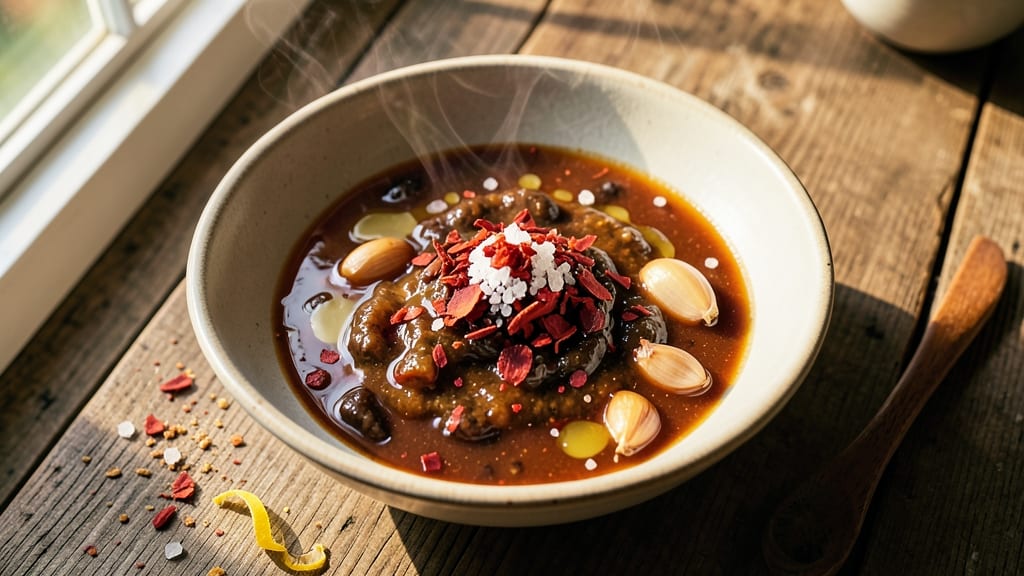
This Asian hot chili sauce recipe delivers restaurant-quality heat in just 10 minutes with a perfect balance of fiery spice and umami depth. The secret lies in fermented components like fish sauce and shrimp paste, which develop complex flavors while the chili flakes and garlic create that signature tangy kick.
I've perfected this sauce over years of testing, and it transforms everything from stir-fries to grilled meats with a bold, aromatic punch.
The beauty of this recipe is its versatility—you can adjust the heat level to your preference while maintaining that authentic Asian flavor profile. A touch of sugar balances the acidity from rice vinegar, creating a sauce that's both complex and approachable.
What makes this sauce stand out is how it enhances dishes without overpowering them, making it a pantry essential for anyone who loves bold flavors.
What you'll end up with is a vibrant, slightly sticky sauce with layers of heat, tang, and savory richness. It's ideal for dipping spring rolls, drizzling over noodles, or marinating proteins before grilling.
The fermentation process (if you choose to include it) deepens the flavor over time, but even a quick version delivers impressive results.
Perfect for adding authentic heat to your favorite Asian-inspired dishes, this sauce keeps well in the refrigerator for up to two weeks. Let's get started on creating your own fiery condiment masterpiece!
Ingredients for asian hot chili sauce
Nine bold ingredients for a sauce that packs serious heat and umami punch.
| Ingredient | Amount | Notes |
|---|---|---|
| Dried Chili Flakes 🌶️ | ½ cup | Adjust for preferred heat level |
| Fish Sauce 🍶 | ¼ cup | Red Boat brand preferred |
| Shrimp Paste 🦐 | 1 tbsp | Kapi brand for authentic flavor |
| Garlic Cloves 🧄 | 6 cloves | Minced for intense flavor |
| Rice Vinegar 🍶 | ¼ cup | Seasoned preferred for balance |
| Granulated Sugar 🍚 | 2 tbsp | Balances acidity and heat |
| Sesame Oil 🫒 | 1 tbsp | Toasted for nutty aroma |
| Fresh Ginger 🌿 | 1 tbsp | Grated, for zesty kick |
| Lime Juice 🍋 | 2 tbsp | Freshly squeezed for brightness |
| Water 💧 | ¼ cup | For thinning consistency |
The chili flakes are your heat foundation—Thai bird's eye chili if you can find it, but regular dried flakes work too. Red Boat fish sauce is the gold standard here; it's fermented just right for that deep umami. The shrimp paste (kapi) might be tricky to find at regular grocery stores, but Asian markets or Amazon have it. Look for the bright red, pungent kind—it's what gives that signature funk. Garlic and ginger should be fresh, not powdered. The vinegar? Seasoned rice vinegar adds a subtle sweetness that balances everything perfectly.
No shrimp paste? Anchovy paste at half the amount works in a pinch (though it's fishier). Short on chili flakes? Fresh red chili peppers blended give a different texture but similar heat. The sugar might seem odd, but it's essential—it cuts through the acidity from the vinegar and balances the heat. If you're sensitive to heat, reduce the chili flakes by half. For extra depth, let the sauce sit for 15-20 minutes before using—flavors meld beautifully. The sesame oil adds aroma, but skip it if you're avoiding oil entirely.
This sauce keeps for 2 weeks in the fridge, sealed tightly. The flavors actually improve over time, so make extra if you can. Store it in a glass jar to avoid absorbing odors. If it thickens too much, stir in a splash of water or vinegar. Drizzle over noodles, toss with stir-fries, or use as a marinade—it's that versatile. Freezes well for up to 3 months if you want to make a big batch.
Why You'll Love This Recipe
- Pantry Magic: Honestly, I keep everything I need for this sauce in my spice rack—no last-minute grocery runs. The shrimp paste might sound intimidating, but it’s just a few teaspoons that add that umami punch without extra effort.
- Umami Firecracker: That first hit of garlic and fish sauce? It’s like a flavor explosion—bright, salty, and just enough heat to wake up any dish. The rice vinegar cuts through the richness, so it’s never overpowering, just ridiculously good.
- Dip or Dress: Between us, this sauce is my secret weapon for everything: noodles, grilled meats, even scrambled eggs. I make a big batch on Sundays because it disappears faster than I can say “more rice, please.”
- Budget Superstar: A little goes a long way—this recipe costs pennies and lasts weeks in the fridge. I’ll be real: my grocery bill dropped when I started making it instead of buying store-bought. Plus, the shrimp paste is the only tricky part, but it’s worth tracking down.
Step-by-step instructions for Asian hot chili sauce
This vibrant sauce comes together faster than you'd expect—just 10 minutes of active work for bold, complex flavor.
Bloom the Chili Flakes and Shrimp Paste
Heat a small saucepan over medium-low heat and add the 0.5 cup dried chili flakes and 1 tablespoon shrimp paste. Stir constantly for 1-2 minutes until the shrimp paste melts and the chili flakes become fragrant. You'll smell that unmistakable umami punch—this is where the sauce's depth begins.
Watch carefully here—the shrimp paste can burn quickly, so keep the heat gentle. If the mixture darkens too fast, reduce heat immediately. The goal is to wake up those flavors without charring them. Once the shrimp paste is fully melted and the chili flakes are aromatic, remove the pan from heat and set aside.
Toast the Garlic and Ginger
In the same saucepan (no need to clean it—the flavor compounds will help build depth), add 6 cloves minced garlic and 1 tablespoon grated fresh ginger over low heat. Cook for 1-2 minutes until the garlic turns a pale golden color and the ginger softens slightly. You want them fragrant but not browned—just enough to release their oils.
This step is crucial for that authentic Asian flavor profile. If you see the garlic starting to turn golden brown, remove the pan immediately. The moment they're fragrant but still pale, they're ready. Add the 1 tablespoon toasted sesame oil now and stir to coat the garlic and ginger completely.
Combine Wet Ingredients
Return the pan to medium heat and pour in the 0.25 cup rice vinegar, 2 tablespoons granulated sugar, and 2 tablespoons lime juice. Stir vigorously for 2-3 minutes until the sugar dissolves completely and the mixture begins to simmer gently. You'll notice the sauce darkening slightly as the flavors meld together.
The sugar helps balance the acidity from the vinegar and lime while providing a subtle caramelization. If the mixture seems too thick, add 1 tablespoon of the 0.25 cup water at a time until you reach a pourable consistency. The sauce should coat the back of a spoon but still be fluid enough to drizzle.
Simmer and Season
Add the 0.25 cup fish sauce and the remaining 0.125 cup water (about 2 tablespoons) to the pan. Bring the mixture to a gentle simmer over medium heat and cook for 3-4 minutes, stirring occasionally. Taste and adjust the seasoning—you might want to add a pinch more sugar to balance the acidity or a splash more vinegar for brightness.
Here's where the sauce comes together. The fish sauce adds that signature umami depth while the remaining water ensures proper consistency. If you prefer your sauce thicker, simmer uncovered for another minute to reduce slightly. For a thinner consistency, add more water 1 teaspoon at a time until perfect.
Cool and Rest
Remove the pan from heat and let the sauce cool for 5 minutes. This resting period allows the flavors to meld completely and the heat from the chili flakes to distribute evenly. Taste again once cooled—the flavors will be more balanced and complex than when hot.
For best results, transfer the sauce to a clean jar and refrigerate for at least 1 hour before using. This chilling period enhances the flavors dramatically, allowing the heat to develop and the textures to settle. The sauce will keep in the refrigerator for up to 2 weeks, making it perfect for batch cooking.
Pro Tips For Making Asian Hot Chili Sauce
- Bloom the Chili: Toss dried chili flakes in a splash of warm water for 5 minutes before cooking—this softens them just enough to release their oil and depth without turning to mush. I used to skip this and ended up with a sauce that tasted like it was missing something. Works like magic, especially with thick, dried flakes.
- Toast the Garlic: Cook minced garlic in oil over medium heat until it’s golden and smells like it’s about to burn—then pull it out. This adds a nutty, caramelized edge that raw garlic can’t match. Sounds weird, but it works: the sauce won’t taste flat or one-note.
- Balance the Fish Sauce: Add fish sauce gradually, tasting as you go, and neutralize the funk with a pinch of sugar or a splash of vinegar if it overpowers. I learned this the hard way after making a batch that tasted like a boat dock. Start with half the recipe’s amount and adjust.
- Simmer Low and Slow: Once everything’s combined, reduce heat to the lowest setting and let the sauce bubble gently for 10-15 minutes. Rushing this step leaves the shrimp paste raw and the flavors underdeveloped. Patience here makes the difference between a quick fix and a restaurant-worthy sauce.
Creative variations of this recipe
Thai-Inspired Sriracha Style
Transform this sauce into a Thai-style sriracha by adding 1 tablespoon of miso paste and 1 teaspoon of palm sugar after the initial simmer. Replace the shrimp paste with 1 tablespoon of fermented soybean paste (doenjang) for that signature tangy funk.
The result? A smoother, slightly sweeter sauce that works perfectly as a dipping sauce for spring rolls or a marinade for grilled shrimp. 🌶️
Japanese Shichimi Togarashi Fusion
For a Japanese-inspired twist, blend 1 teaspoon of ground sansho pepper (Japanese citrus pepper) and ½ teaspoon of nori flakes into the finished sauce. The sansho adds a citrusy warmth that complements the heat beautifully, while the nori flakes give it a subtle oceanic depth.
This version pairs exceptionally well with tempura or grilled skewers. ✨
Korean Gochujang Heat
Swap the fish sauce for 2 tablespoons of gochujang (Korean chili paste) and reduce the chili flakes to ¼ cup for a Korean-inspired gochujang sauce. Add 1 teaspoon of toasted sesame seeds at the end for texture.
This richer, stickier sauce is perfect for drizzling over bibimbap or slathering on Korean fried chicken. The gochujang brings a deeper, slightly sweet heat that’s addictive. 🔥
Vietnamese Nuoc Cham Twist
Turn this into a Vietnamese-inspired nuoc cham by replacing the fish sauce with 2 tablespoons of tamarind paste (dissolved in 2 tablespoons warm water) and adding 1 teaspoon of shrimp paste. Skip the sugar and use 3 tablespoons lime juice instead.
This tangy, slightly sweet sauce is ideal for dipping spring rolls or tossing with fresh herbs. The tamarind adds a fruity depth that balances the heat perfectly. 🍋
Spicy Mango Habanero
For a sweet and fiery fusion, blend in 2 tablespoons of mango puree and 1 tablespoon of habanero pepper juice (from finely chopped habanero) after simmering. The mango puree adds a tropical sweetness that contrasts beautifully with the habanero’s intense heat.
This sauce is a showstopper for grilled pineapple or as a glaze for pork belly. 💫
Fermented Black Bean Heat
Add 2 tablespoons of fermented black beans (douchi) and 1 teaspoon of star anise during the initial simmer for a Chinese-inspired fermented heat. The black beans bring an earthy, funky depth, while the star anise adds a subtle licorice note.
This sauce is perfect for stir-fries or as a dipping sauce for dumplings. The fermentation process deepens the flavor over time, making it even more complex. 💪
Nutrition facts
Frequently asked questions
Can I make this sauce without shrimp paste?
Yes! For a vegetarian version, replace the shrimp paste with 1 tablespoon of anchovy paste (though it's fishier) or 1 teaspoon of soy sauce plus 1 teaspoon of miso paste for umami depth. If avoiding all seafood, use 1 tablespoon of nutritional yeast for a mild savory note, though the flavor won't be identical. The texture will be smoother without shrimp paste.
How do I adjust the heat level?
For milder heat, reduce the chili flakes to ¼ cup and add 1 tablespoon of honey to balance. For extra spice, increase to ¾ cup chili flakes and add ½ teaspoon of cayenne pepper. Always taste before adjusting—heat builds as the sauce cools! For a smoky kick, add ½ teaspoon of smoked paprika at the end.
Can I make this sauce in a slow cooker or Instant Pot?
For the slow cooker, combine all ingredients and cook on Low for 2 hours or High for 1 hour, stirring occasionally. For the Instant Pot, sauté the chili flakes and shrimp paste on Sauté mode, then add remaining ingredients and cook on High pressure for 5 minutes. The slow cooker version develops deeper flavors over time.
What's the best way to use this sauce?
This versatile sauce excels as a dipping sauce for spring rolls or dumplings, a marinade for grilled meats (especially pork or shrimp), or a stir-fry finishing sauce. For extra authenticity, drizzle over pho noodle bowls or banh mi sandwiches. The umami depth makes it perfect for enhancing bland proteins like tofu or chicken.
Why does my sauce look too thick or watery?
If too thick, thin with 1 teaspoon water or rice vinegar at a time. For watery sauce, simmer uncovered for 2-3 minutes to reduce. The ideal consistency should coat the back of a spoon but still be pourable. Pro tip: Let the sauce rest for 10 minutes before adjusting—it thickens as it cools!